Save Izzy: campaign calls on government to restore funding for vital services directory
Posted on 07 Oct 2026
A major public campaign launched this morning is calling on the federal government to restore…
Posted on 05 Aug 2026
By Nick Place, journalist, Community Directors

One of the richest sources of vital data for Australia’s NFP sector will be tapped next Tuesday, August 11, when the census happens across the nation.
Held every five years, the Australian Bureau of Statistics’ census is a comprehensive questionnaire put to Australian households, a method of gathering information that is crucial to charities and foundations that need to know where help is needed, where vulnerable demographic groups are, and other information.
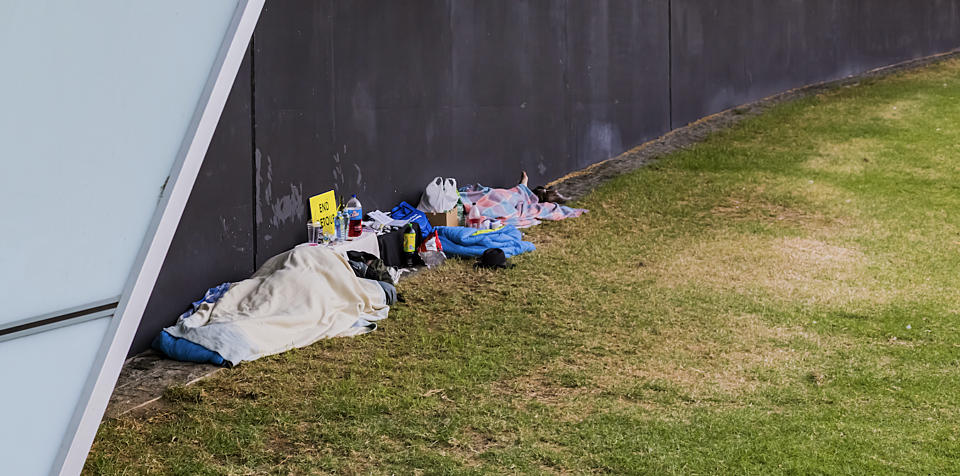
It captures many details of Australia’s 10.8 million households, including those in remote communities, as well as seeking to document the nation’s rough sleepers and homeless population.
Completing the census is compulsory, and people who don’t complete it can be fined.
This year’s census includes new questions about relating sexual orientation and gender, and as researcher Karinna Saxby points out in The Conversation, these new questions promise to provide much-needed and long-missing hard data on LGBTQ+ and gender-diverse Australians.
It’s just one of the ways the census is a vital source of information on Australian communities and cohorts.
“The census helps us to gather high-quality data which can be used by community groups, not-for-profit organisations, businesses and governments to guide important decisions,” census national spokesperson Emily Walter told the Community Advocate.

“Only a census can provide this information for the entire country, including small geographic areas and small population groups. The census data can help local community organisations to better understand growth and changes in cultural communities within states and territories, and plan accessible cultural celebrations and services,” she said.
Several charities and community health organisations have spoken about how they use census data, to help the ABS explain why every question is important.
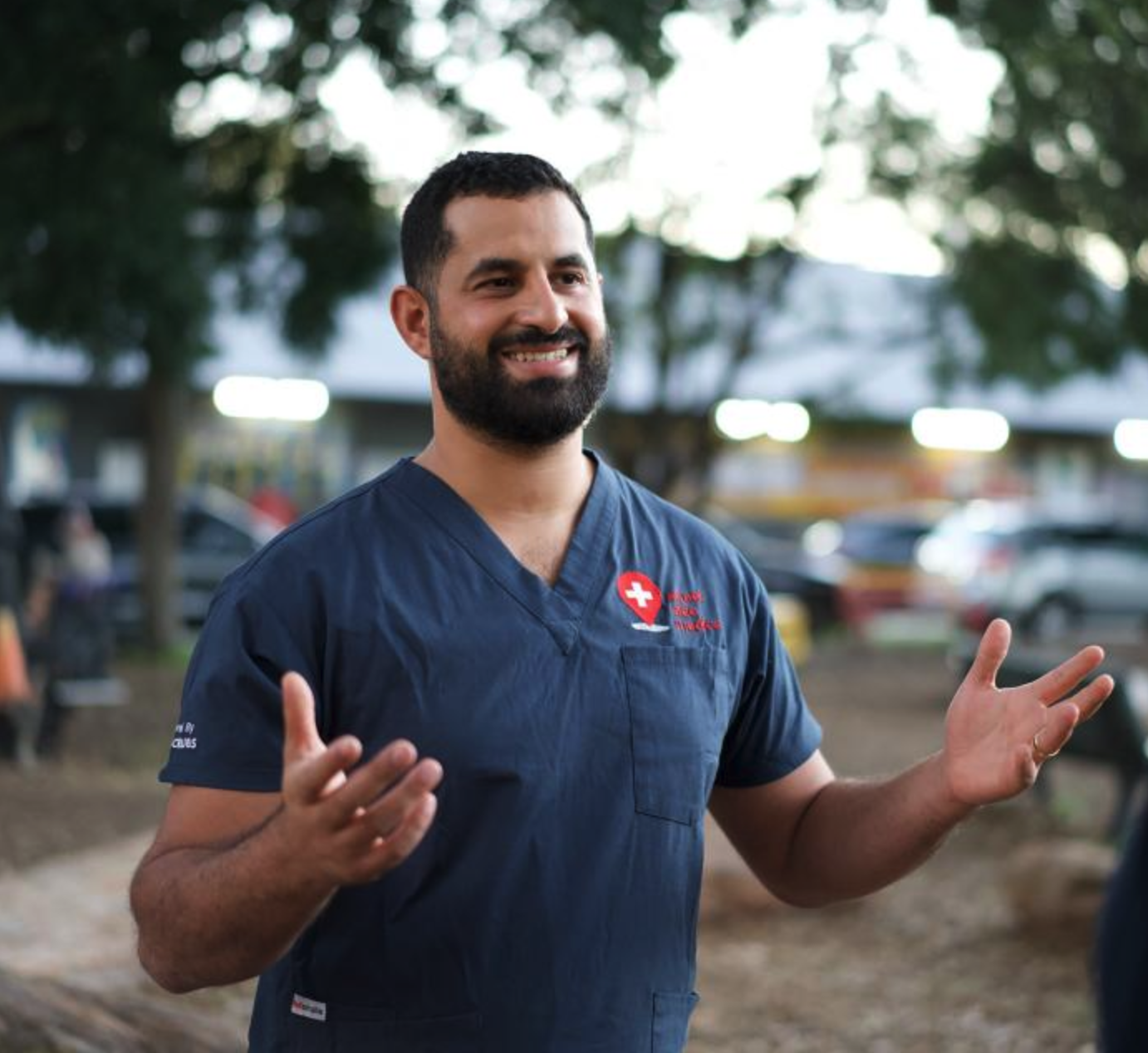
Street Side Medics has 14 clinics and was founded on the belief that vulnerable Australians should have free and easy access to health care. It brings doctor-led care to people experiencing homelessness, whether sleeping rough in a city or couch-surfing in regional Australia, and treats illnesses, unmet medical needs and conditions that would otherwise go unnoticed, from diabetes, to heart disease, to cancer.
“We rely on census data to give us a gauge of where to go,” explained Street Side Medics founder Dr Daniel Nour. “The sorts of people that are living there, the different communities that live there, the cultures behind them.”
The census allows the charity to examine in advance which languages dominate a geographic area, so that it can arrange assistance from bilingual volunteers, bringing in-language care to people whose housing situation is unstable, he said. The census also allows Street Side Medics to explore whether growing, unseen homelessness might be occurring in remote towns.
Demographics can change a lot in five years, Nour said. The 2026 Census will give an up-to-date picture of what types of housing insecurity exist across the country, which will influence how his service evolves.
The Man Cave aims to empower boys and young men through workshops on emotional literacy, belonging, and supporting peers. It seeks to counter suicide and loneliness by bringing positive role models and intelligent discussion to cohorts of young men who might be vulnerable to the rise of the manosphere, changing attitudes towards gender, and economic struggles.
“Getting this data helps us work out what areas we need to focus on and where we can make the biggest difference.”
The charity uses census data on age, gender and long-term health conditions to target regional and rural areas most in need of its interventions, such as towns where access to mental health support is limited. Because the census drills into a local government area’s population, age, socio-economic demographics and other information, it can show where populations of boys and young men are struggling, and it can also provide a statistical basis for Man Cave submissions for funding and grants.
Healthy Deadly Kids is another community health program that relies on census information, teachingprimary school kids about the importance of nutrition, mental health and physical activity.
“Getting this data helps us work out what areas we need to focus on and where we can make the biggest difference,” said Aboriginal Medical Services (AMS) chief executive Kane Ellis.
“Census data isn’t just about demographics – it helps us make a case for funding and program expansion so we can keep these initiatives going.”
In fact, it was as a direct result of previous census findings that Healthy Deadly Kids established a program in Illawarra in 2019, after the data showed a strong need for early intervention health and wellbeing programs in an area where the Aboriginal and Torres Strait Islander population was significantly younger than the broader population.
Filling in a census form might seem to be a low priority for those without a roof over their head, but Mission Australia CEO Sharon Callister has urged people experiencing homelessness to take part and make sure they are seen within the survey.
As part of Homelessness Week, running this week until Sunday, Mission Australia is emphasising the importance of the census in identifying the scale of the problem, especially as worsening housing affordability and rental stress pushed more Australians into homelessness.
Callister said the census played a critical role in understanding homelessness, but only if everyone was counted.
“The census is one of the best tools we have to understand homelessness in Australia,” she said. “But it only works if people are included. If people aren’t counted, they remain invisible in the data, and it becomes harder to respond effectively.”
The last census, conducted in 2021, recorded 122,494 people experiencing homelessness across Australia, although Mission Australia said the figure was probably higher now.
Mission Australia released instructions on how to take part in the census for rough sleepers, such as Australian Bureau of Statistics staff visiting known locations between August 10-16 to conduct face-to-face interviews, or to offer a paper form version of the census.
Posted on 07 Oct 2026
A major public campaign launched this morning is calling on the federal government to restore…
Posted on 07 Oct 2026
The Australian Literacy & Numeracy Foundation (ALNF) has announced a partnership with mining…
Posted on 07 Oct 2026
A conference in Darwin will this morning hear detailed, strategic plans for how Australia could…

Posted on 30 Sep 2026
Not-for-profit leaders have been warned to be wary of approaches from potential “funding partners”…
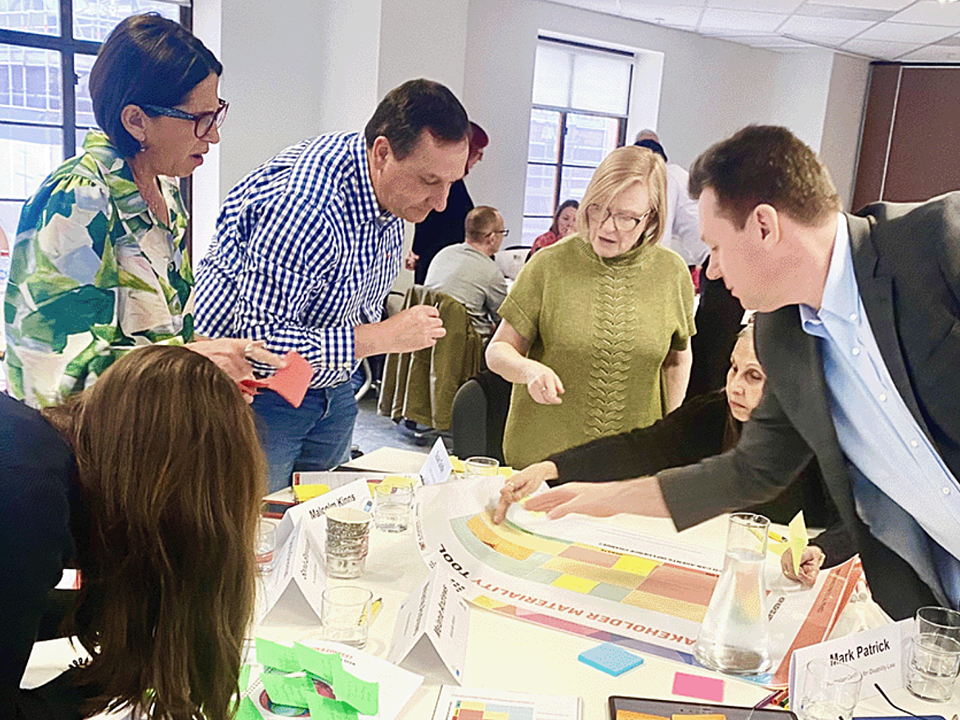
Posted on 30 Sep 2026
More than 200 fully funded Centre for Social Impact (CSI) scholarships will help equip for-purpose…
Posted on 30 Sep 2026
Personal stories are among the most powerful tools a charity can have to raise funds and awareness,…
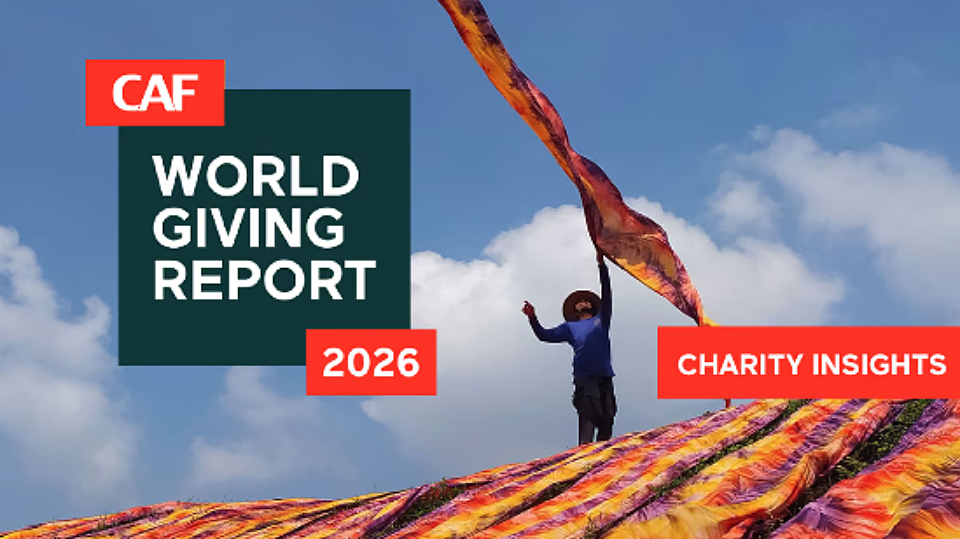
Posted on 23 Sep 2026
A just-released major global survey of charities has found that demand for charity assistance has…
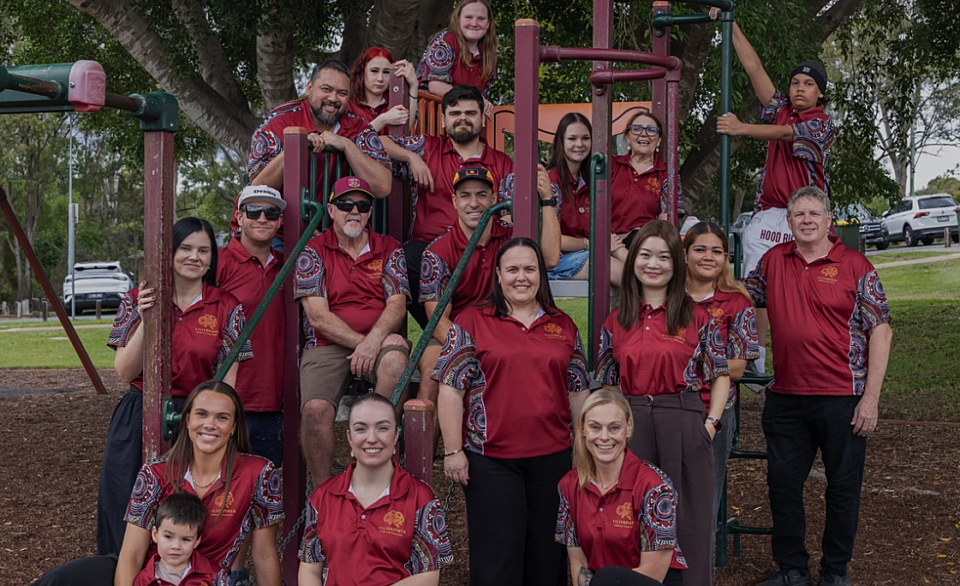
Posted on 23 Sep 2026
Fresh from welcoming delegates to last week’s Philanthropy Australia conference in Brisbane,…

Posted on 23 Sep 2026
A national strategy to develop Australia's regional cities is needed to break the housing…

Posted on 23 Sep 2026
Eight years after a report to Treasury first suggested the charities regulator should be more…

Posted on 17 Sep 2026
Australia’s biggest gathering of philanthropists, which drew more than 1200 delegates to Brisbane…
Posted on 16 Sep 2026
A new partnership between Paul Ramsay Foundation (PRF) and Atlassian Foundation aims to attract…