
Save Izzy: campaign calls on government to restore funding for vital services directory
Posted on 07 Oct 2026
A major public campaign launched this morning is calling on the federal government to restore…
Posted on 05 Aug 2026
By Nick Place, journalist, Community Directors
If you have a plan to use the internet to make the world a better place, Australia’s .au domain regulator might be able to help.
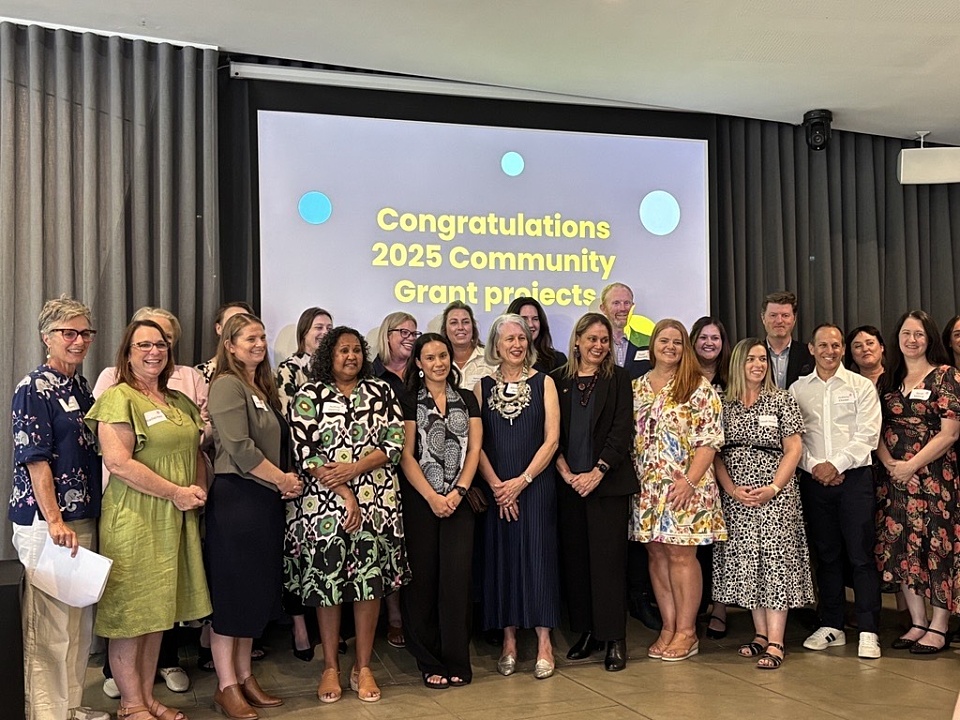
auDA - .au Domain Administration, the not-for-profit organisation charged with managing Australia’s four million-plus .au domain names, has announced that applications are now open for its 2026 community grants program.
Part of auDA’s remit is encouraging digital inclusion and innovation, and it has made $50,000 grants available to 15 organisations looking to use the internet for community good.
AuDA’s senior manager of public benefit, Rikki Andrews, told the Community Advocate that through the grants auDA seeks to support “education, research and community-led projects that enhance the utility of the internet for the Australian community.”
It particularly aims to benefit one or more of these groups:
Ideally, the grants will act as “a gateway,” she said.

“What is the gateway to engage people to do something or make a change that you think will be of benefit? [Through the grants] we can entice people and engage people to develop those digital skills and establish an online presence through the big gateway of choice.”
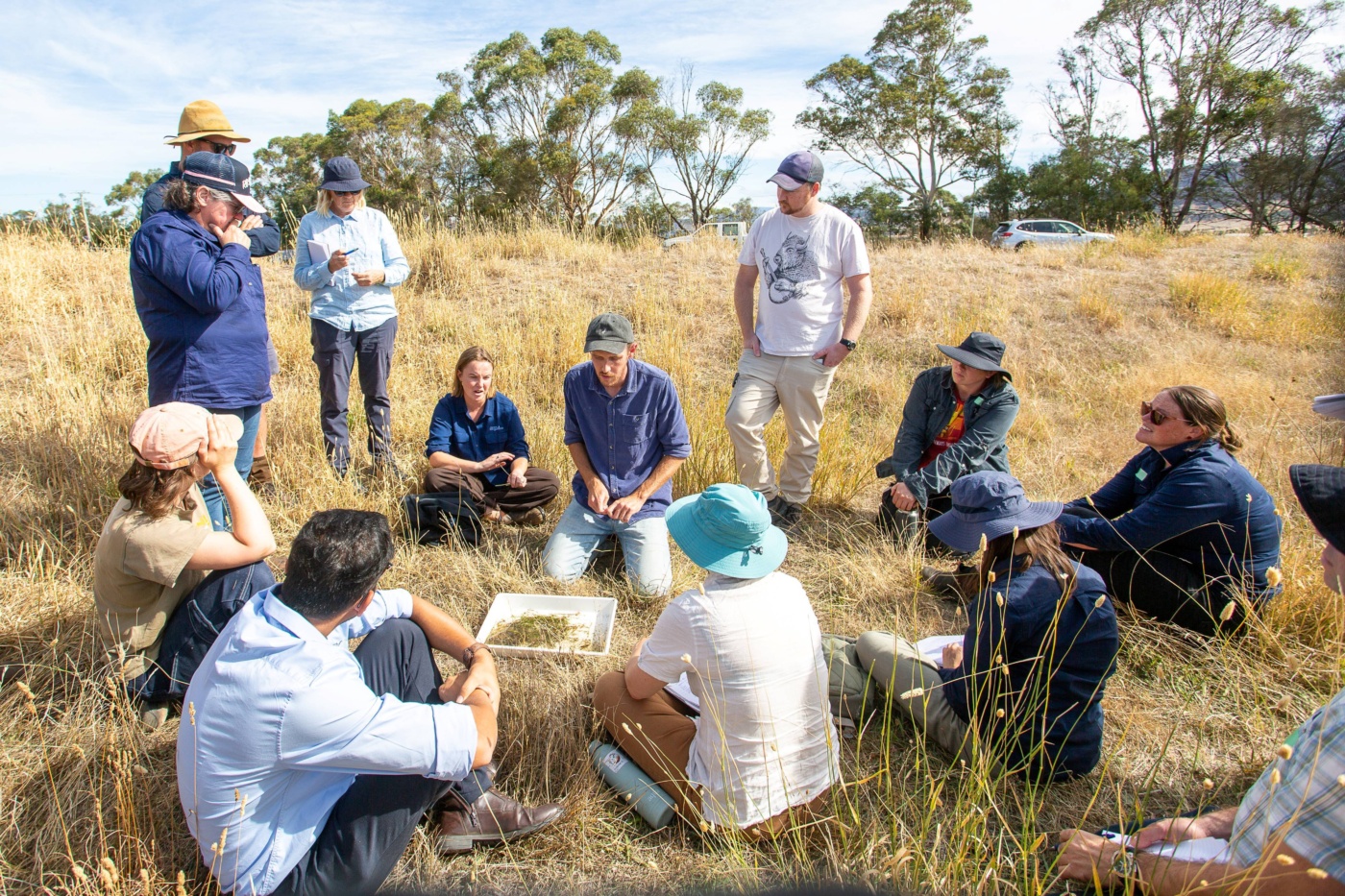
An example was a grant awarded last year to Landcare Tasmania, which applied to create the Landcare Knowledge Exchange, a digital library and training series.
The grant funded the creation of a secure, searchable digital library of Landcare knowledge across the Apple Isle, but also funded a statewide program of in-person workshops and online training to educate Landcare groups on how to digitise records and use digital tools to preserve knowledge.
Andrews said it was the workshop component that really appealed to auDA’s external grant selection panel.
“It was appealing because it was going to have a positive impact on the environment, but secondly, it was using a digital platform to gather knowledge and to be able to share knowledge,” she said. “That’s a really good use of digital platforms. Everybody can contribute together, you can see it all and you can start to do data analysis and sharing, all of that type of thing.
“It acknowledged that for Landcare Tasmania, and all the other Landcares and other organisations as well, many volunteers are older people who may not be as digitally savvy.”
“What is the gateway to engage people to do something or make a change that you think will be of benefit?”
Andrews said the digital skills workshops, run in local libraries and other community centres, enabled older Landcare volunteers to improve their internet skills through something that they were really interested in.
“They’re not going to learn how to use a computer because they need to send an email or engage with their Centrelink or their MyGov stuff, or other boring uses,” she said. “They’re doing it because they’re passionate about Landcare and they want to be able to share with people and be part of a broader network. The digital platform enables that to happen.”
Other grants last year enabled the development of digital hubs, online mentoring and other important uses of the internet for groups across a wide range of Australian places, demographics and cultural groups.
A striking part of the auDA grant application process is the way it encourges potential grantees to explore the online and AI resources already available. AuDA wants grantees to be familiar with the National Device Bank, Infoxchange training resources, and the responsible use of artificial intelligence.
“When you’ve been in a number of grantmaking roles, you see people applying for stuff that you know has been funded before, and you know that there are resources and how-to’s out there,” Andrews said. “It’s frustrating when you have to say, ‘You do not need to ask me for money yet. There are resources there, there are case studies, go and do that first and then come and say, hey, actually I only need a little bit money so I can apply this stuff. We don't need to create it from scratch.’
“We have updated the grant FAQs to keep pointing people to the things that I know are there, that are trusted, that have been well developed by good organisations. To know that what a grantee wants to do is important, wanted and needed, we need to consider that there are national strategies out there, like the Not-for-profit Development Blueprint, and the Digital Futures Strategy that Infoxchange is pulling together. We should all be working together to deliver on those,” she said.
“Yes, auDA has got a grant program, but this stuff is available all year round, so we encourage organisations to go and find it, use it and apply it so that we can get the improvements that we’d like with the resources that are already there,” she said.
The grants have been recognised for their impact, with several recipients winning Australian NFP Technology Awards, including Justice Connect, Success Works Partners and the Australian Communications Consumer Action Network (ACCAN).
The Community Grants Program is part of auDA’s wider Public Benefit Program, which also distributes research and development grants and partners with the Churchill Trust to award Churchill Fellowships.
auDA community grant program: website
Posted on 07 Oct 2026
A major public campaign launched this morning is calling on the federal government to restore…

Posted on 07 Oct 2026
The Australian Literacy & Numeracy Foundation (ALNF) has announced a partnership with mining…

Posted on 07 Oct 2026
A conference in Darwin will this morning hear detailed, strategic plans for how Australia could…

Posted on 30 Sep 2026
Not-for-profit leaders have been warned to be wary of approaches from potential “funding partners”…
Posted on 30 Sep 2026
More than 200 fully funded Centre for Social Impact (CSI) scholarships will help equip for-purpose…

Posted on 30 Sep 2026
Personal stories are among the most powerful tools a charity can have to raise funds and awareness,…

Posted on 23 Sep 2026
A just-released major global survey of charities has found that demand for charity assistance has…
Posted on 23 Sep 2026
Fresh from welcoming delegates to last week’s Philanthropy Australia conference in Brisbane,…

Posted on 23 Sep 2026
A national strategy to develop Australia's regional cities is needed to break the housing…

Posted on 23 Sep 2026
Eight years after a report to Treasury first suggested the charities regulator should be more…

Posted on 17 Sep 2026
Australia’s biggest gathering of philanthropists, which drew more than 1200 delegates to Brisbane…
Posted on 16 Sep 2026
A new partnership between Paul Ramsay Foundation (PRF) and Atlassian Foundation aims to attract…