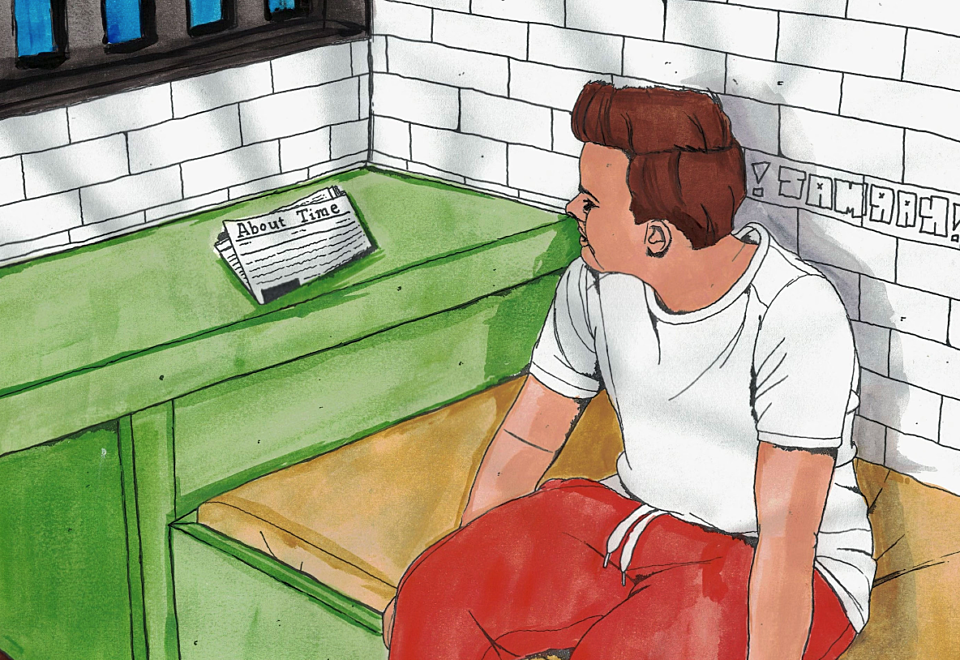
From passion project to a national prison newspaper, speaking to and for those doing time
Posted on 07 Oct 2026
Joseph Friedman is co-founder and publisher of About Time, Australia’s only newspaper for…
Posted on 30 Sep 2025
By Nick Place, journalist, Community Directors
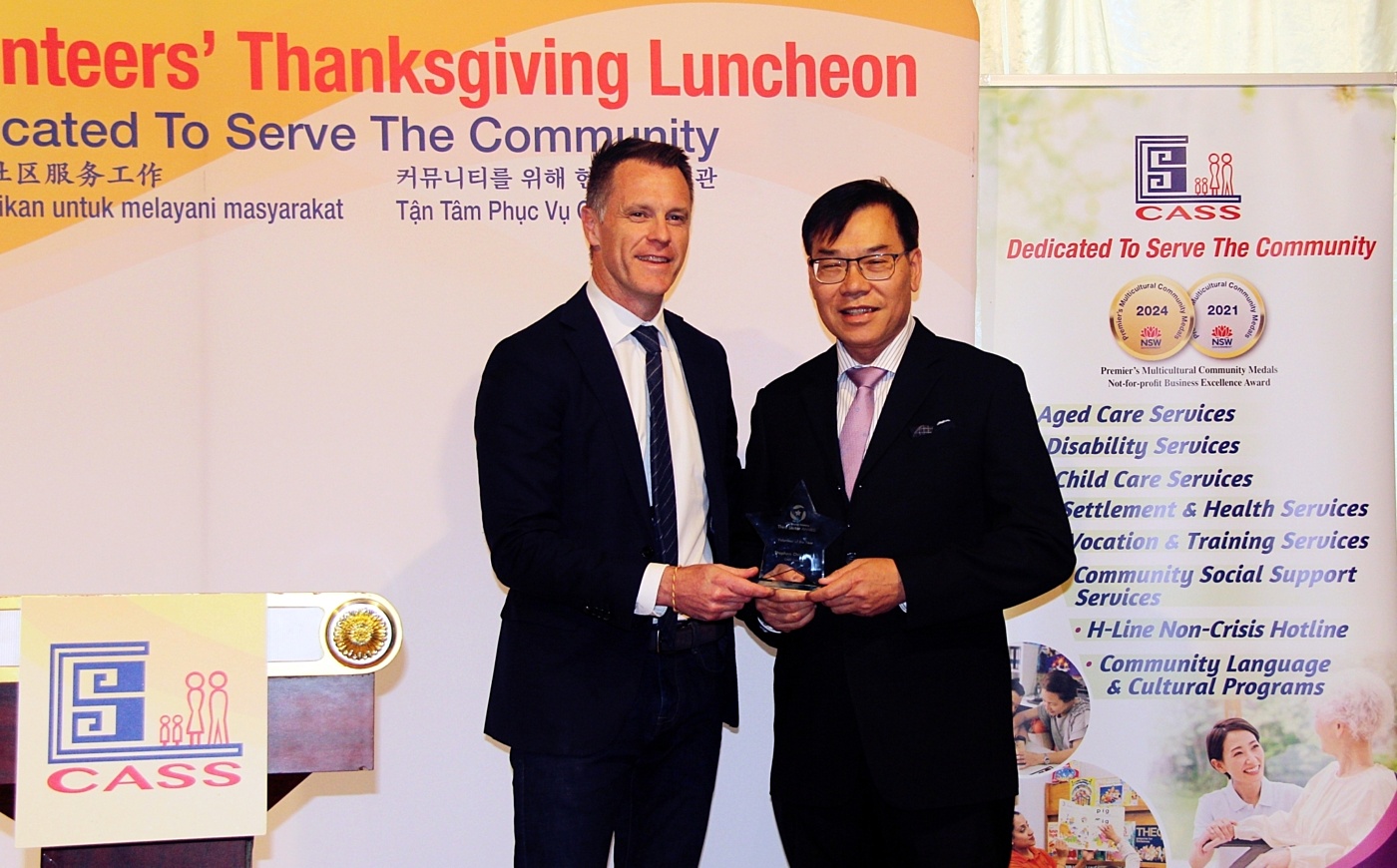
Professor Stephen Li, the chair of CASS, was named Volunteer of the Year at the recent Third Sector Awards. We caught up with him to find out what motivates him to help others.
I was extremely honoured to win. Earning awards is a meaningful validation of my work and effort, and it brings me a great deal of happiness. I’m grateful that my friends and family also share in my pride. While others may see my accomplishments as a result of immense effort, I’m driven by a deeper motivation. I’m reminded of the powerful line from the movie Hacksaw Ridge, where the main character, Desmond Doss, prays “Please let me save one more.” Driven by his faith, he went on to save dozens of soldiers, an effort that seemed incomprehensible to others. Similarly, my own drive comes from my Catholic faith. Having attended a Catholic school since kindergarten, I’ve been a devout Catholic and have done volunteer work since I was young.
I am NSW Health Pathology multicultural health lead, the director of core pathology and clinical chemistry at NSW Health Pathology (NSWHP) West, and the director of Westmead Hospital Lipid Clinic.
Academically, I’m currently an associate professor at Western Sydney University, affiliated with the Vascular Research Centre at Westmead Hospital, and have served as an expert witness in the high courts of Australia, Singapore and Malaysia.
I have held many roles across culturally and linguistically diverse (CALD) organisations, government committees and international bodies, while I have been chairperson of CASS since 2023.
I have only been working with CASS for about seven years, but my volunteering life goes back 30 years. My journey began as a medical student when I overheard a disheartening conversation among my peers who dismissed the value of taking medical histories from Chinese patients, citing their “substandard health knowledge”. This experience ignited my passion and became my first purpose: to empower people through community health education.
After completing my medical education, I devoted myself to fulfilling this purpose, including across radio, television and print media – mostly media aimed at Australia’s Chinese population. Recognising that a lone advocate can only do so much, I embraced the wisdom of the African proverb “If you want to go fast, go alone. If you want to go far, go with others,” and so I joined the Australian Chinese Medical Association (ACMA) and became the chairperson of the Community Health Subcommittee, mobilising fellow doctors and health professionals, and significantly improving the health literacy of many Chinese Australians. My advocacy over many years has been for health information to be not only linguistically accurate but also culturally appropriate, a standard now adopted across Australia.
Working with the Royal Australasian College of Medical Administrators (RACMA) in response to the Royal Commission into Aged Care, Quality and Safety, I have been honoured to see some of my recommendations implemented, including the need for culturally appropriate staff, environment and meals, as well as the requirement for leaders in aged care to have clinical skills. This is vital because the high prevalence of chronic diseases means aged care providers must be equipped to handle these complex health needs.
My latest purpose is to collaborate with RACMA to advocate for policies on diversity, equity and inclusion (DEI) in Australian healthcare, with a special inclusion of individuals with neurodivergence.
CASS is a non-profit organisation that provides a wide range of social and welfare services in Australia, primarily in metropolitan Sydney, Wollongong, and parts of Victoria.
CASS helps a diverse group of people, with a particular focus on those from East Asian backgrounds, including Chinese, Korean, Indonesian, Vietnamese, Malaysian and Singaporean communities. Our services are designed to support individuals at every stage of life, from early childhood to old age, including residential aged care and home care services for the elderly, disability support, childcare services and family support. We also provide assistance for newly arrived migrants with issues such as housing, employment, education, and health and welfare, as well as language assistance, information sessions, and help with form-filling.
CASS assists unemployed people with limited English to find jobs or training, and we run community activities and groups, and provide volunteering opportunities for non-English-speaking volunteers. We also run mental health services, including H-Line Non-Crisis Hotline for Chinese-speaking people.
Of course, we also promote Chinese language and culture, running the CASS Chinese School and CASS Academy of Arts for children to learn Chinese language and culture, as well as art programs.
We see it as part of our role to bridge cultural and linguistic gaps, providing person-centred care and professional services to help multicultural communities integrate and thrive in Australian society.
“I believe in serving people with all my might, without any bias or self-interest. CASS shares this value, and it’s my duty to maintain this excellent culture of integrity.”
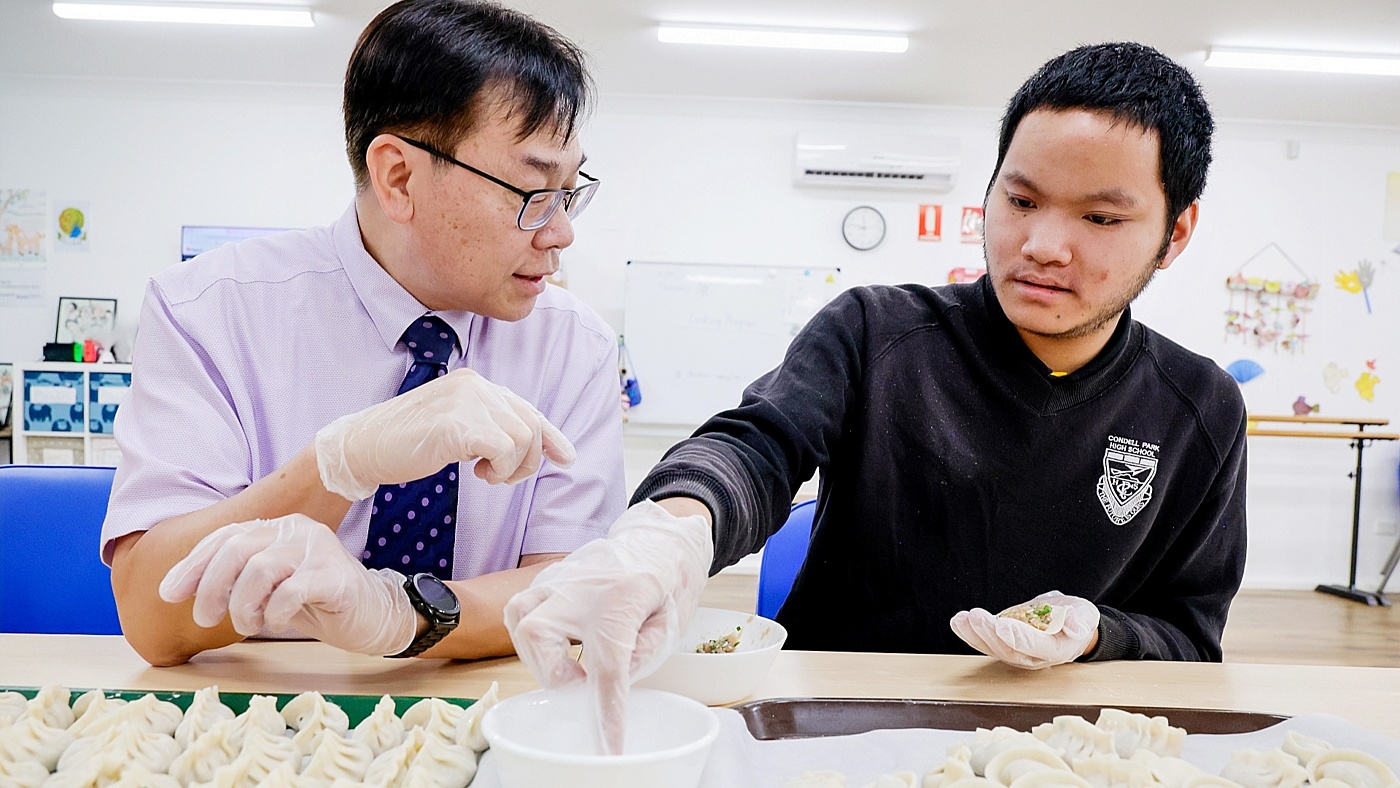
As the chairperson of CASS, I am responsible for the overall coordination, management, and strategic direction of the organisation. CASS is a large social services provider, and our leadership is a team effort. The board of directors brings a wide range of expertise to the table; for example, the foundation chairperson also serves as the honorary executive director, managing day-to-day operations. We also have a deputy chairperson and vice-chairpersons, each with their own specific responsibilities.
Being a trained medical specialist, I focus on health and medical matters, including clinical governance and community health education. I am also a strong advocate for aged care reform and ensure that CASS not only complies with but also exceeds new aged care standards. I believe in serving people with all my might, without any bias or self-interest. CASS shares this value, and it’s my duty to maintain this excellent culture of integrity.
Volunteers are incredibly important to CASS. The organisation explicitly states that its development and operations rely heavily on the dedication and contribution of many volunteers.
In service delivery, CASS relies on 450 volunteers to help its 850 paid staff serve the more than 8,500 families that access CASS services every week.
We work hard to ensure our volunteers feel valued and that their efforts are publicly acknowledged, particularly for assisting CALD populations.
I’ve discovered a special kind of joy in helping others. I learned through some studies on happiness that being generous and helping others provides the most profound and lasting happiness, often referred to as a “helper’s high”. This same divine force compels me. I constantly pray “Please let me do a bit more.” Experiencing a “helper's high” regularly brings a sense of peace and tranquillity, and it’s a feeling that I never tire of.”
Posted on 07 Oct 2026
Joseph Friedman is co-founder and publisher of About Time, Australia’s only newspaper for…
Posted on 30 Sep 2026
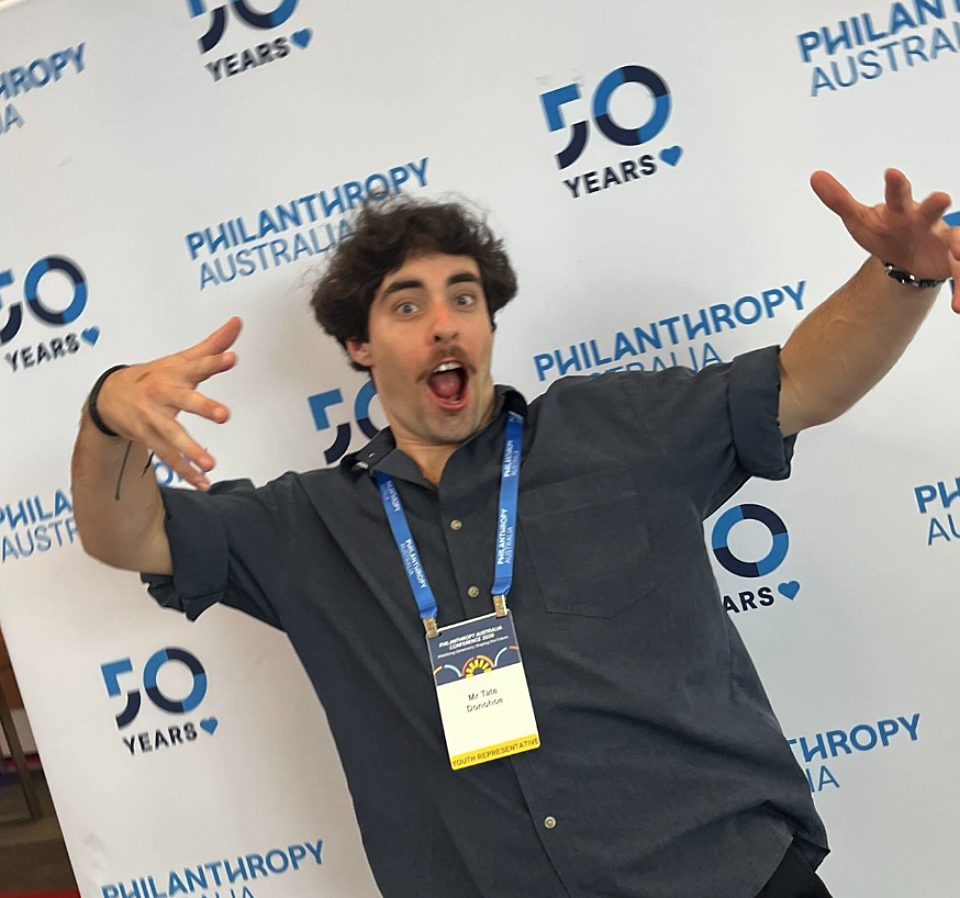
At 21 years old, Tate Donohoe is the founder of Ecodia, an AI-assisted software development company…
Posted on 02 Sep 2026
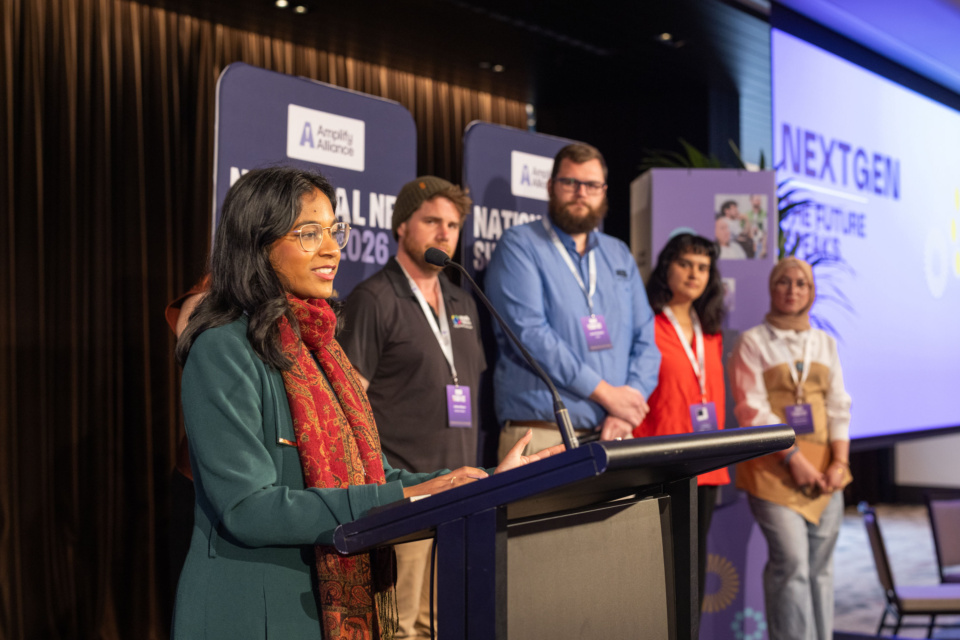
At last week’s Amplify Alliance National NFP Summit, Satara Uthayakumaran, 23, brought the voices…
Posted on 26 Aug 2026
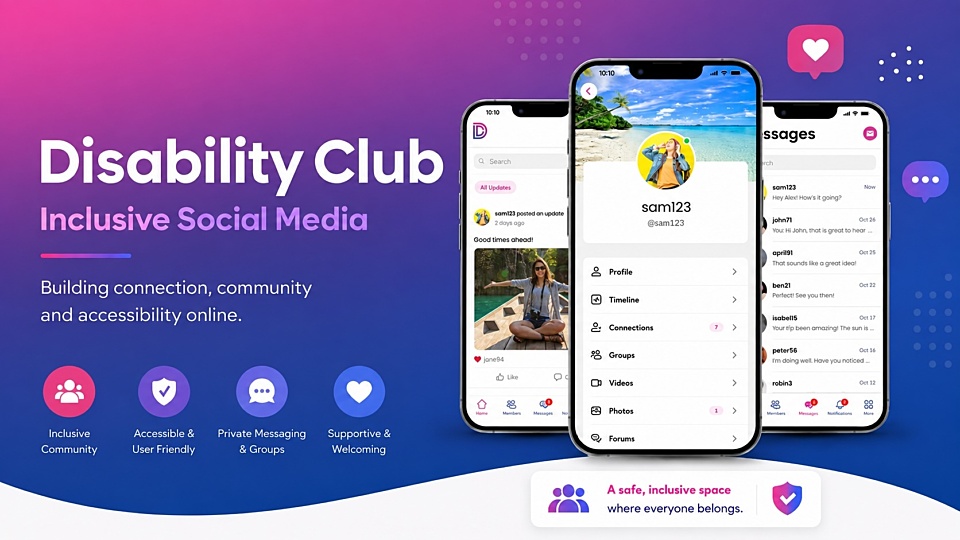
Nathan Johnston lives in Bega, NSW, and lives with cerebral palsy. He’s the creator of Disability…
Posted on 19 Aug 2026
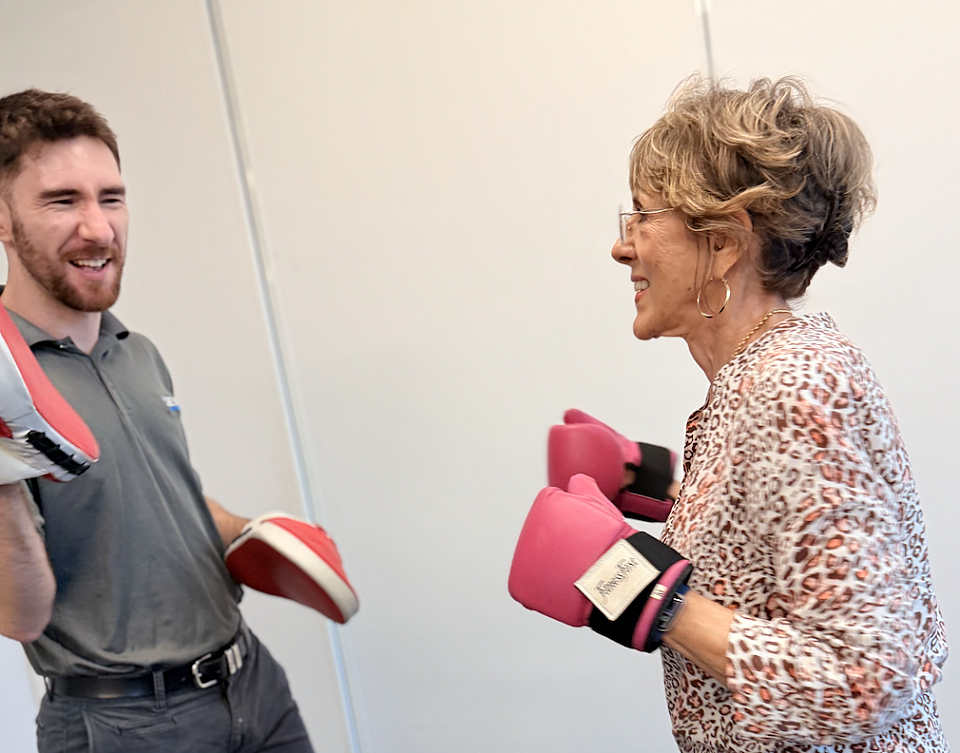
Coralie Wales is the founder of Strong Australia, an ACNC-registered health promotion charity that…
Posted on 08 Jul 2026
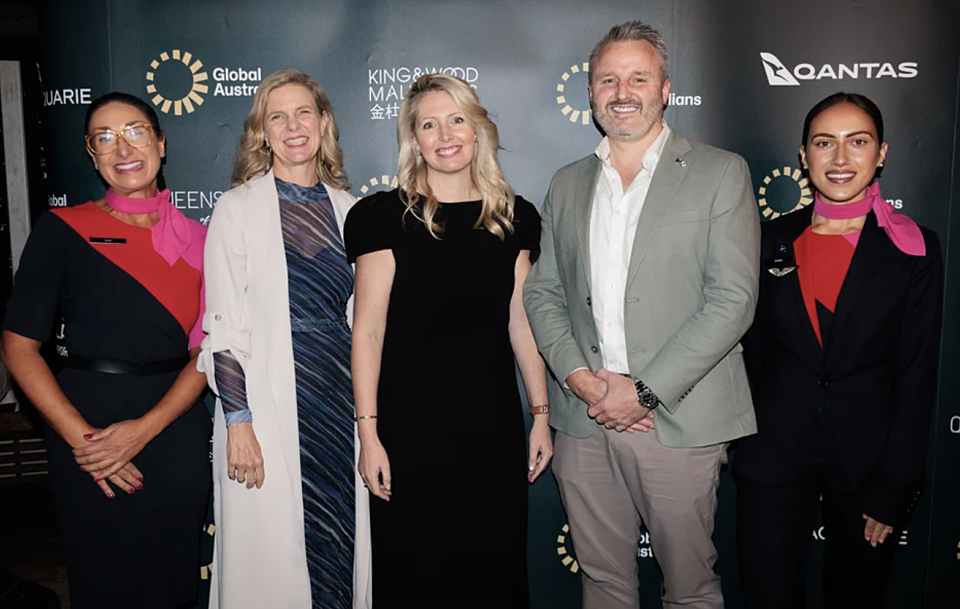
Kate McQuestin is CEO of Global Australians, a not-for-profit aimed at connecting Australians…
Posted on 30 Jun 2026
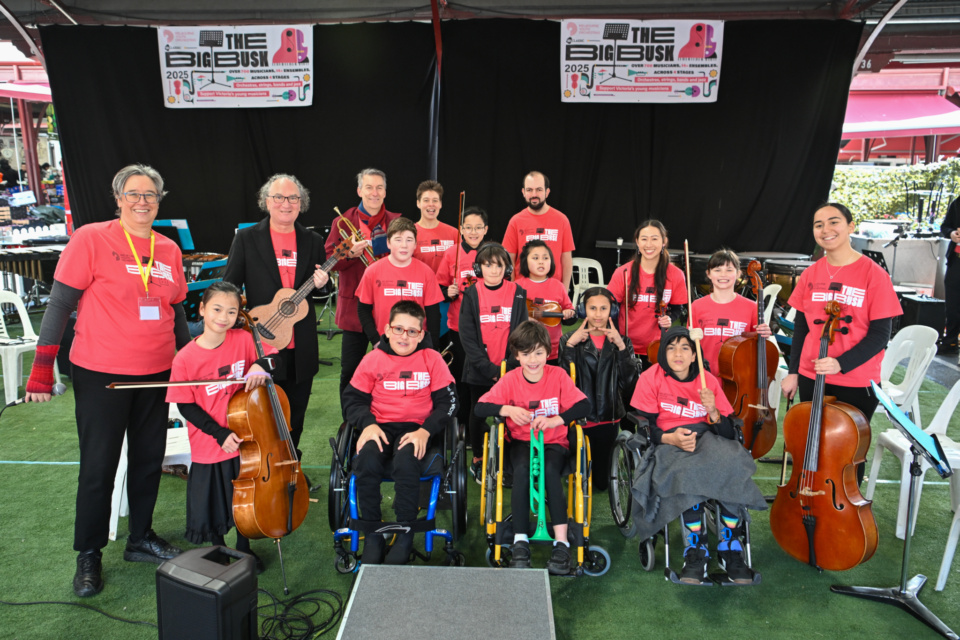
Anthea Skinner is a musicologist, a senior lecturer in disability creative performance at the…

Posted on 24 Jun 2026
Lizzie Mettam manages corporate partnerships for DV Safe Phone, an organisation that provides…
Posted on 17 Jun 2026
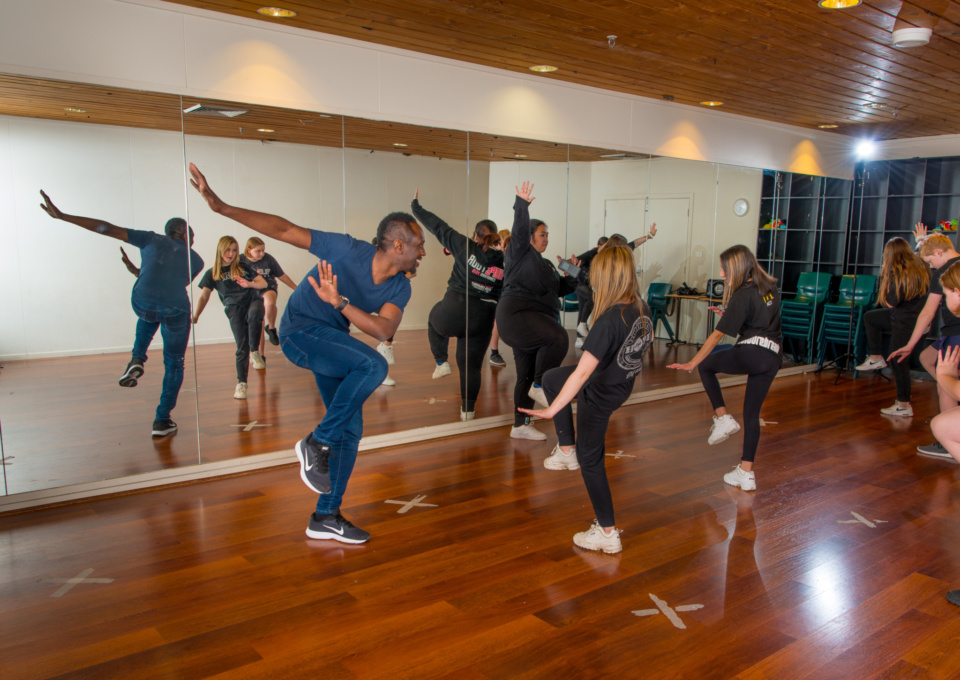
Francis Owusu is the founder of Kulture Break, a charity that helps young people build confidence,…
Posted on 10 Jun 2026
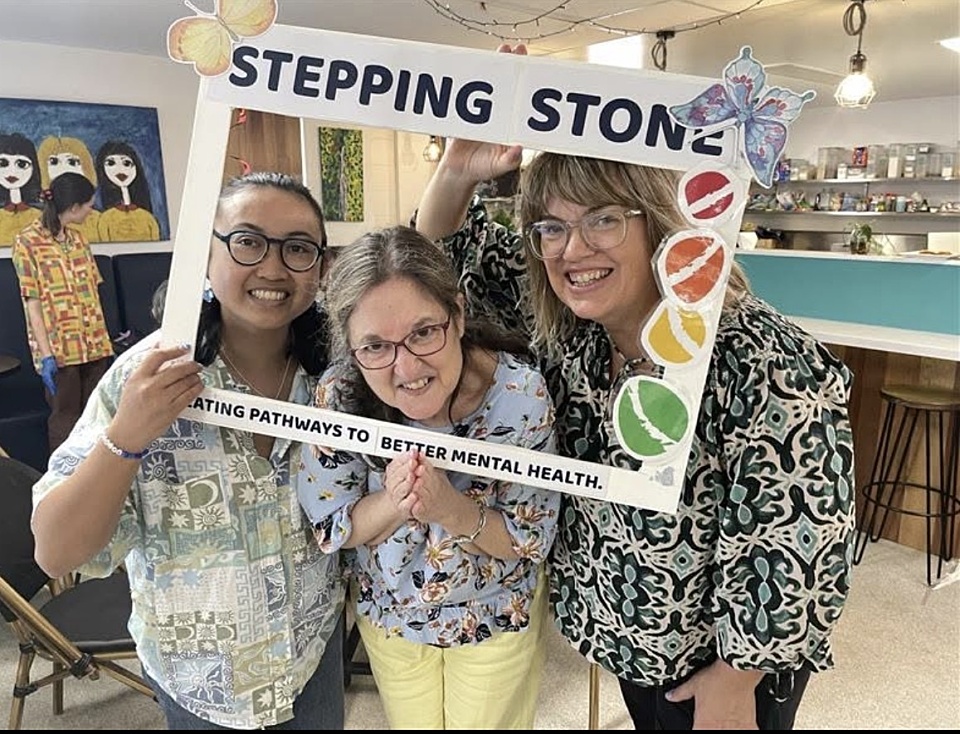
Melanie Sennett is the chief executive officer of Stepping Stone Clubhouse, a Brisbane charity that…
Posted on 03 Jun 2026
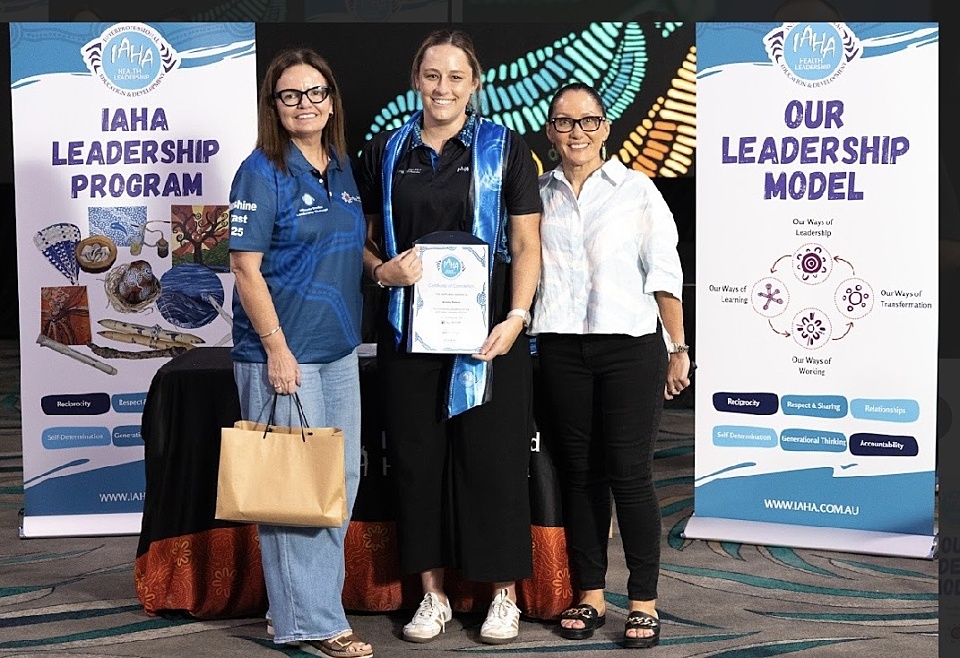
Kristy Petrie is a paediatric physiotherapist and proud Gooreng Gooreng woman who sits on the…

Posted on 27 May 2026
Maria Owen is the CEO of ImpactLab, a New Zealand social enterprise that analyses data for…