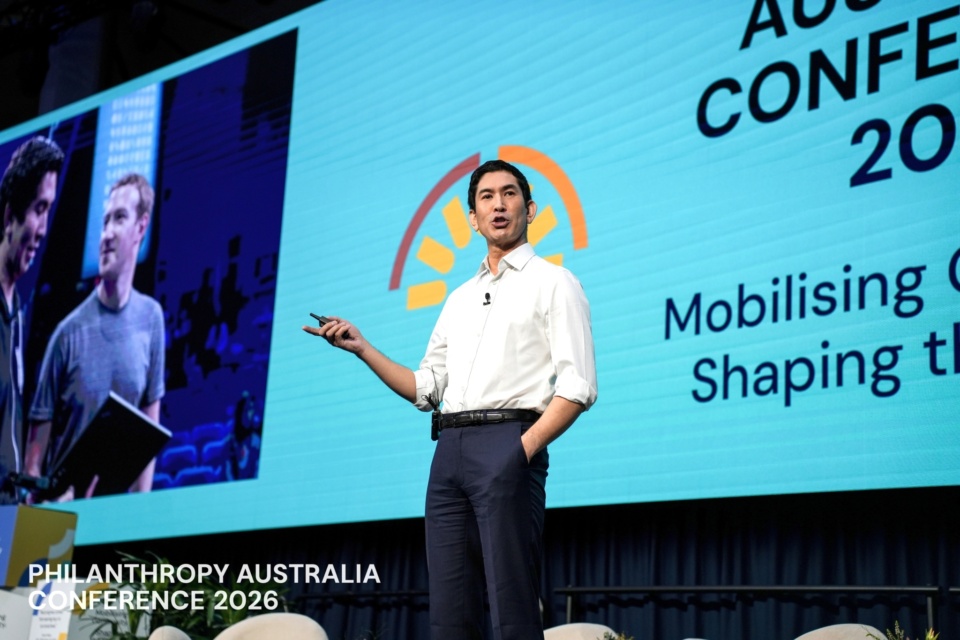
Philanthropists ask: Can we forge a better future?
Posted on 17 Sep 2026
Australia’s biggest gathering of philanthropists, which drew more than 1200 delegates to Brisbane…
Posted on 21 Oct 2025
By Matthew Schulz, journalist

Artificial intelligence (AI) is becoming an essential tool for not-for-profits seeking to win grants, but the trend is not without risks.
In a white paper presented to the Education Network’s recent Charities and Not-for-Profits Conference, Catherine Brooks, CEO of Equitable Philanthropy, outlined both the opportunities and challenges of using AI in fundraising, and how funders are responding.
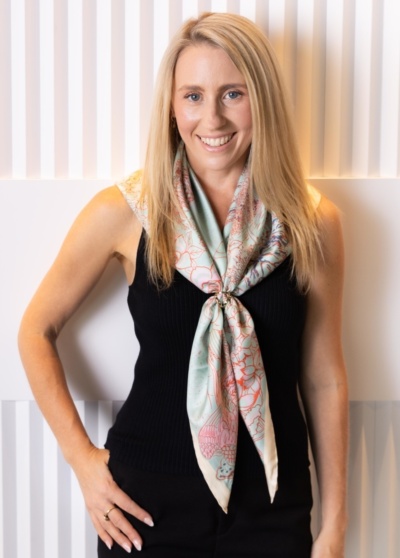
Brooks said AI should support, not replace, organisational expertise. She said that funders want to see strategic clarity and community insight in applications, which she described as a a human skill.
The CEO of the Geelong Community Foundation, Amy Waters, says in the white paper, “It is essential that charities do the initial work to clearly define the activity that they are seeking funding for. This can’t be AI driven. It needs to be informed by the applicant’s understanding of their target group and their real-world experiences in supporting their beneficiaries.”
Brooks said human insight and connection builds the foundation of trust, a task that AI cannot do.
Equitable Philanthropy surveyed major funders on their views about AI use in grant submissions to develop the white paper.
Brooks said most funders were now comfortable with the use of generalist tools like ChatGPT, or specialist grantwriting tools such as Drafter, which was developed by the Funding Centre. And she believes they can improve the quality of applications. At this stage, very few funders require applicants to disclose their use of AI.
Gill Whelan from the Decjuba Foundation told Equitable Philanthropy, “AI tools should be used as a starting point only. Make sure you imbue your writing with the unique tone of your organisation to avoid sounding like everyone else.”
Brooks stresses in the white paper that authenticity is critical, suggesting that AI could help generate drafts and structure responses, but that the organisation’s mission and voice must stand out.
“It is essential that charities do the initial work to clearly define the activity that they are seeking funding for. This can’t be AI driven."

Brooks provided several recommendations to guide ethical and effective use of AI in grant writing:
She said these principles reflected trends in the sector, in which AI is viewed as a tool, but not a decision-maker.
Brooks said trust remained central to philanthropy, and organisations must approach AI with transparency and care. She noted that while funders were increasingly expecting NFPs to be open about how they use AI and data, there were no compulsory disclosure requirements.
Nevertheless, she encouraged organisations to publish responsible AI usage policies, predicting that the practice would soon be seen as a marker of ethical governance.
The SmartyGrants-affiliated Institute of Community Directors Australia provides guidelines, policies and templates on the use of AI.
Brooks said the Funding Centre’s Drafter project, which aims to help organisations write stronger grant applications, was a sign that AI would become more integrated into grantmaking processes.
She recommended that NFPs:
Brooks said that while AI offered clear efficiency gains for NFPs, those benefits depended on how the technology was used.
She said using AI was “not just a technical matter, but a question of governance, integrity and long-term impact”.
Responsible use of AI must be grounded in trust, transparency and authenticity, she said.
“Technology should amplify your values, not distort them.”
Posted on 17 Sep 2026
Australia’s biggest gathering of philanthropists, which drew more than 1200 delegates to Brisbane…
Posted on 17 Sep 2026
Experts in Australian philanthropy say there are stark differences between philanthropic money and…

Posted on 17 Sep 2026
One of Australia’s foremost fundraising observers says Australian not-for-profits must get the…
Posted on 17 Sep 2026
As direct giving dries up, charities face growing dependence on big donors and negotiating the…

Posted on 17 Sep 2026
Charities reported $14.8 billion in donations and bequests last financial year, the second-highest…

Posted on 17 Sep 2026
My father often googles my name, and as a result, years ago, I received a surprising gift in the…
Posted on 17 Sep 2026
Where Evelyn Mugisha grew up in rural Uganda, the subjects and careers considered suitable for…
Posted on 09 Sep 2026
A global gathering of philanthropists in Brisbane this week is aiming to tackle society’s biggest…
Posted on 09 Sep 2026
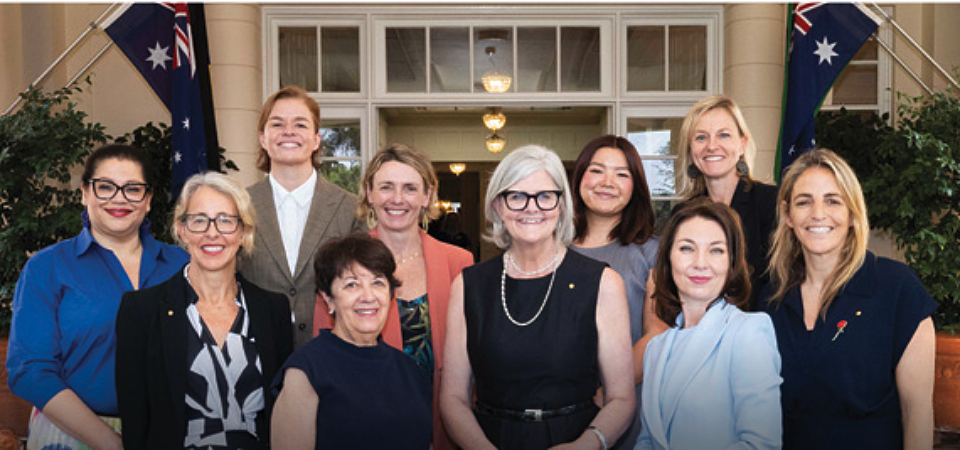
Media attention about women's philanthropy has more than doubled in three years, according to new…
Posted on 26 Aug 2026
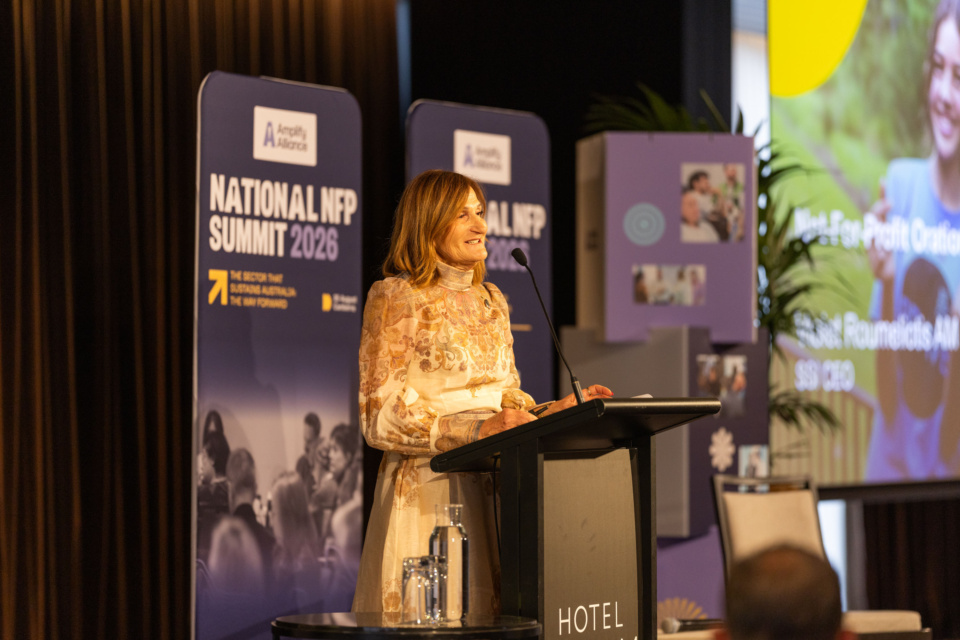
Sector leader Violet Roumeliotis has called on funders to stop treating not-for-profit…
Posted on 13 Aug 2026
As a teenager, I attended summer camp for seven years, first spending two weeks at a time camping…

Posted on 13 Aug 2026
Not-for-profits are full of people with great ideas, but that doesn’t mean they are set up for…