
Philanthropists ask: Can we forge a better future?
Posted on 17 Sep 2026
Australia’s biggest gathering of philanthropists, which drew more than 1200 delegates to Brisbane…
Posted on 11 Mar 2026
By Catherine Brooks, CEO and founder, Equitable Philanthropy
Australia is entering the largest intergenerational wealth transfer in its history. Over the next decade, women are expected to inherit and control 65 per cent of the nation’s projected $5.4 trillion transfer – approximately $3.2 trillion.
This shift is not confined to inheritance alone. Women are also building wealth at accelerating rates:
What is emerging is not simply a rise in women holding capital. It is an expansion of women shaping how that capital is deployed – and often, they deploy it differently from men.
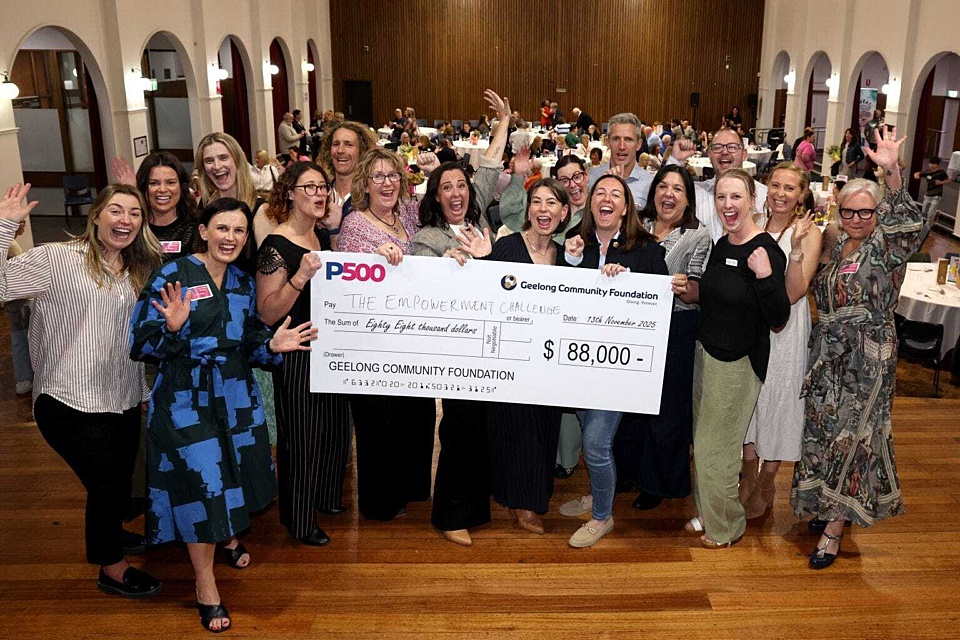
A United States report found that collective giving in the US mobilised approximately 370,000 donors who contributed US$3.1 billion between 2017 and 2023, representing 140 per cent growth over that period. In Australia, 82 per cent of collective giving participants are women. Globally, 60 per cent of collective giving groups are composed entirely of women, and the movement is projected to double in the next five years.
But collective giving is more than a growth statistic. It represents a fundamental shift from individual transactions to shared purpose. It pools resources, insights and social capital. It builds relationships. It democratises decision-making.
As one giving circle founder said, “When I started my Giving Circle [it gave me] an understanding of a power that I didn’t realise I had…the power I have when I walk with my people.”
That is not simply a funding mechanism. It is a participation model, one that reframes philanthropy as community agency rather than solitary generosity.
Collective giving is often described as the “fast track” of philanthropy because it builds donor confidence, increases financial contributions over time, deepens engagement and volunteering, and creates pathways from circle member to major donor and even to gifts in wills. For many women, philanthropy is relational before it is transactional. Collective structures recognise that reality and respond to it.
Traditional fundraising strategies often concentrate on major individual donors, corporate sponsorship and government grants. While these remain critical revenue streams, such a focus risks overlooking a rapidly growing segment: women who may initially sit within mid-level donor cohorts but who want to learn together, give together and influence together.
These donors are seeking impact within community. They are looking for belonging as much as outcomes.
Organisations that create collective entry points – giving circles, pooled funds, structured peer networks – are not merely adding another tactic. They are building long-term donor ecosystems that strengthen networks and expand lifetime value.
An important nuance has emerged from the work of organisations such as Equitable Philanthropy: while many women are drawn to collective giving, not all prefer exclusively female environments.
Some donors favour multi-generational engagement. Others prefer family-inclusive events, mixed networks or values-based communities rather than gender-defined groups. One funder told us how much she values giving alongside her husband and attending donor events with other couples.
The strategic lesson is straightforward: ask donors about their preferences. Conduct surveys, then design experiences people genuinely want to attend. Capital alone does not draw people in. Belonging does.
"For many women, philanthropy is relational before it is transactional. Collective structures recognise that reality and respond to it."
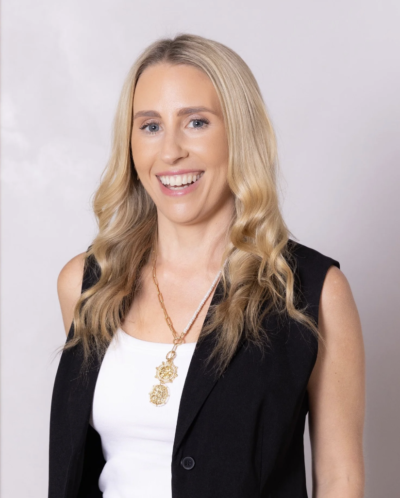
Across Australia, leaders are building the infrastructure that supports the shift towards collective giving. At the FIA conference, these leaders included Christine Darcas from the Australian Collective Giving Research Institute, Amy Waters from the Geelong Community Foundation, and Leonie Boxtel from the Melbourne Women's Foundation.
These women are not theorising about collective giving; they are operationalising it. Their work demonstrates that collective models increase intentionality, shift power away from traditional philanthropic hierarchies, engage communities previously marginalised, and make giving more accessible. They also build friendships, networks and joyful participation. This is philanthropy not as hierarchy, but as shared purpose.
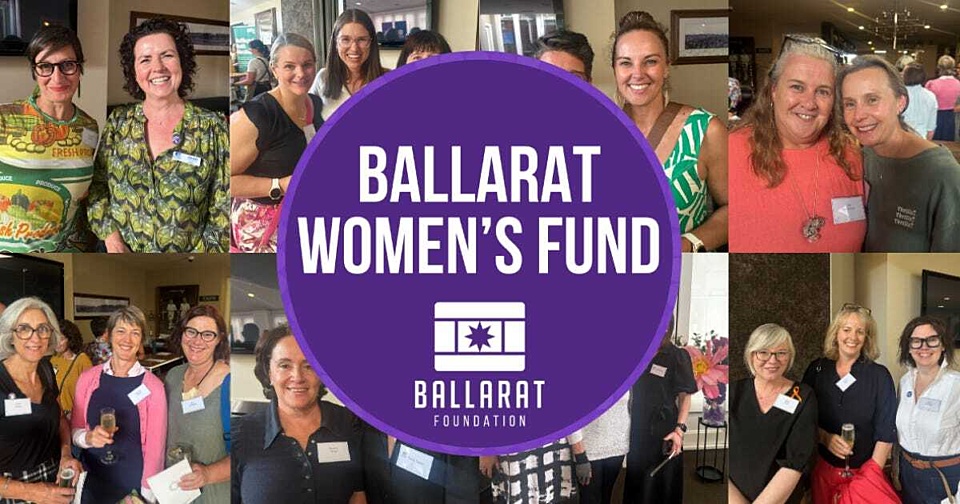
One powerful example is the Ballarat Women's Fund, an initiative of the Ballarat Foundation, which demonstrates how localised collective structures can mobilise women’s leadership and capital to address community need.
As Australia moves deeper into this unprecedented wealth transition, fundraisers must confront several strategic questions:
Success will not come from waiting for wealth to transfer. It requires engagement now, while wealth holders are still living, and the deliberate creation of pathways that invite multiple generations into philanthropic participation.
Female collective giving is not an auxiliary tactic to be added to an existing fundraising plan. It reflects a structural shift in how power, capital and influence move through communities. For fundraisers prepared to rethink traditional models, it may represent the most significant strategic growth opportunity of the coming decade.
This is an adapted version of an article by Catherine Brooks first published on Substack. Her article formed the basis of her address to the 2026 Fundraising Institute Australia conference in Melbourne.
Posted on 17 Sep 2026
Australia’s biggest gathering of philanthropists, which drew more than 1200 delegates to Brisbane…
Posted on 17 Sep 2026
Experts in Australian philanthropy say there are stark differences between philanthropic money and…

Posted on 17 Sep 2026
One of Australia’s foremost fundraising observers says Australian not-for-profits must get the…
Posted on 17 Sep 2026
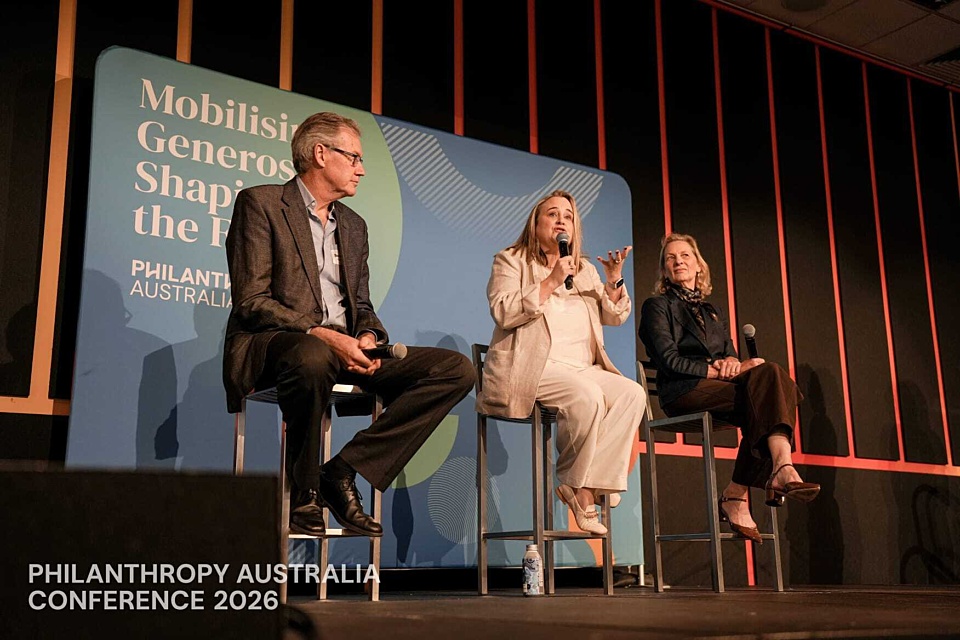
As direct giving dries up, charities face growing dependence on big donors and negotiating the…

Posted on 17 Sep 2026
Charities reported $14.8 billion in donations and bequests last financial year, the second-highest…

Posted on 17 Sep 2026
My father often googles my name, and as a result, years ago, I received a surprising gift in the…
Posted on 17 Sep 2026
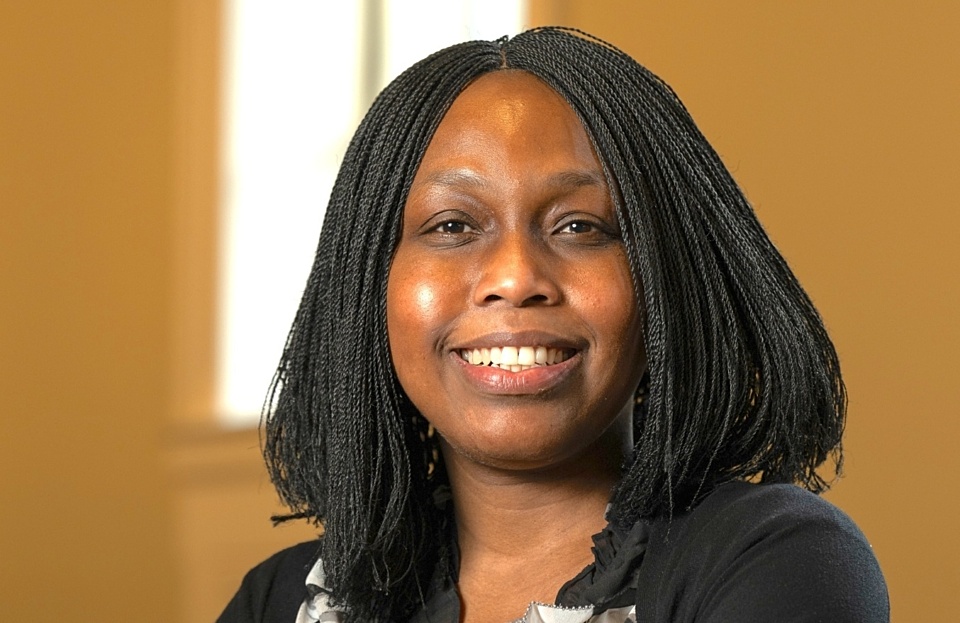
Where Evelyn Mugisha grew up in rural Uganda, the subjects and careers considered suitable for…
Posted on 09 Sep 2026
A global gathering of philanthropists in Brisbane this week is aiming to tackle society’s biggest…
Posted on 09 Sep 2026
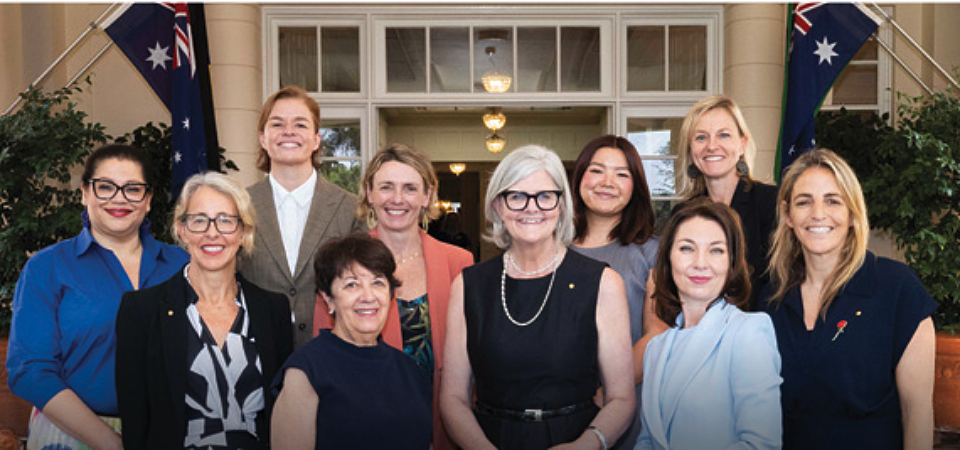
Media attention about women's philanthropy has more than doubled in three years, according to new…
Posted on 26 Aug 2026
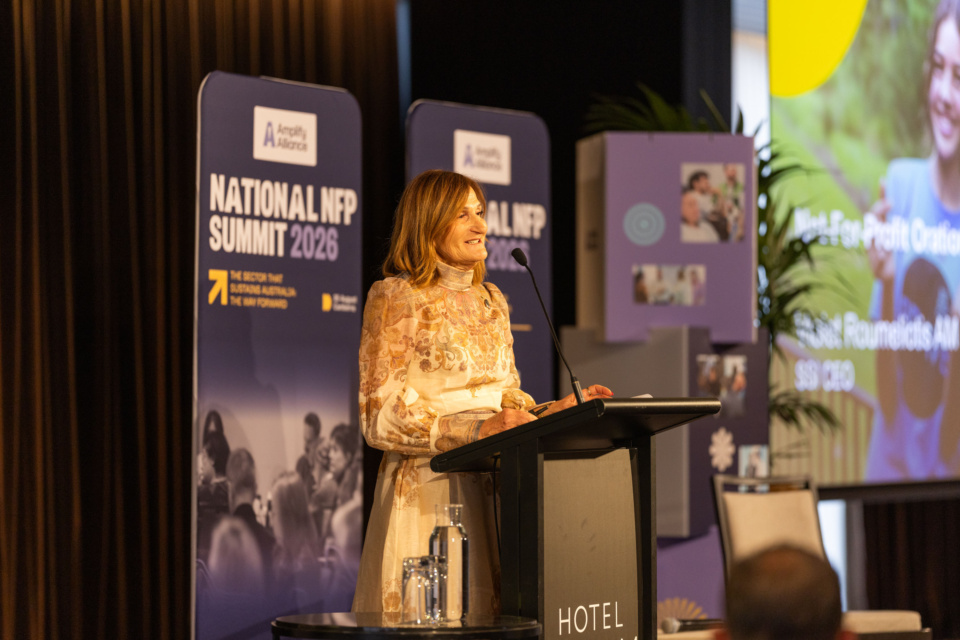
Sector leader Violet Roumeliotis has called on funders to stop treating not-for-profit…

Posted on 13 Aug 2026
As a teenager, I attended summer camp for seven years, first spending two weeks at a time camping…

Posted on 13 Aug 2026
Not-for-profits are full of people with great ideas, but that doesn’t mean they are set up for…