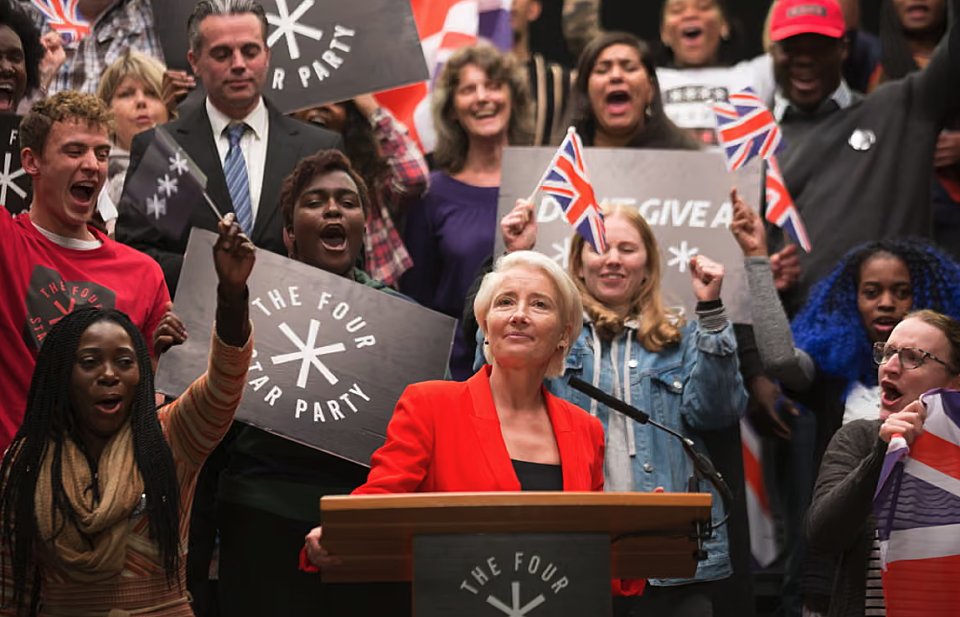
Pauline Hanson and the frightening lesson of ‘Years and Years’
Posted on 07 Oct 2026
Our Community's founder and leader, Denis Moriarty, writes that when he watched an over-the-top…
Posted on 26 Mar 2025
By Michelle Grattan

The Albanese government’s fourth budget is a pitch for the votes of a sour and alienated electorate, framed against a background of extraordinary international uncertainty, writes Michelle Grattan.
US President Donald Trump isn’t mentioned by name. But he is the colossus in the background of this budget and indeed the imminent election campaign.
While the opinion polls and the public mood have been turning marginally in Labor’s direction in recent weeks, voters still feel (and are) financially under the pump.
Interest rates have fallen slightly and inflation has declined. But public sentiment is still in a relatively dark place. The government for months has been desperately trying to lift it.
It started behind the eight-ball. It had let people’s anger about rising living costs get away from it, even as a per capita recession (from which we’ve just emerged) baked itself in. Why? Largely because Prime Minister Anthony Albanese was over-occupied with the Voice referendum.
Battling to catch up, a plethora of announcements has come in recent months and weeks that have been sold as responses to the cost-of-living crisis – evidence the government understands and cares.
They have been concentrated in Labor’s core areas of health and education, with initiatives to boost bulk billing and improved access to childcare. The government was willing to “sell” these in the pre-budget period, rather than leave them for the night.
At the end, there was the expected and inevitable promise to extend energy bill relief – a bandaid on the continuing sore produced by the necessary transition to a clean economy.
But people want more and the government knew it. The default answer? Tax cuts.
These go to all taxpayers but they will proportionately most benefit lower-to-middle income earners.
"It’s been years since a budget has been delivered in such a time of disruption and confusion in the world."
Chalmers admits the tax relief is “modest” – although it costs A$17 billion across the forward estimates.
And it doesn’t start for another year – and isn’t fully delivered until the second year.
That’s the government being cautious, with an eye to the Reserve Bank. If it threw out too much money, too quickly, that could undermine the prospect of future interest rate cuts.
Still, the promised tax cuts represent money in the hand – the government hopes the reward will be voter gratitude.
The tax initiative put the onus squarely on the opposition. So far it has refused for months to detail its tax policy.
Immediately after the budget the Coalition declared it would oppose the government’s tax changes. Shadow treasurer Angus Taylor derided the “seventy cent a day” tax cuts, saying they were a “hoax” and would do nothing to restore household budgets.
The Coalition may be setting up a battle of competing tax packages. If, on the other hand, it says the budget can’t afford any tax cuts, that would be a bold call.
Opposition Leader Peter Dutton will have to make the opposition’s position clear quickly, before or in his Thursday budget reply, which is critically important for him. Some would argue this budget week is actually more important for Dutton than for the government.
It’s been years since a budget has been delivered in such a time of disruption and confusion in the world.
Chalmers spelled it out. The global economy is volatile, storm clouds are gathering.
Even this week, Trump has been muddying the messages about what his big April 2 tariff announcement will bring. Australia could be hit, or treated leniently. No one knows.
Chalmers says the Australian economy has turned the corner, that the soft landing “is looking more and more likely”.
But everything could be turned upside down by Trump – more by the flow-through effects of what he might do to the international economy than to Australia directly.
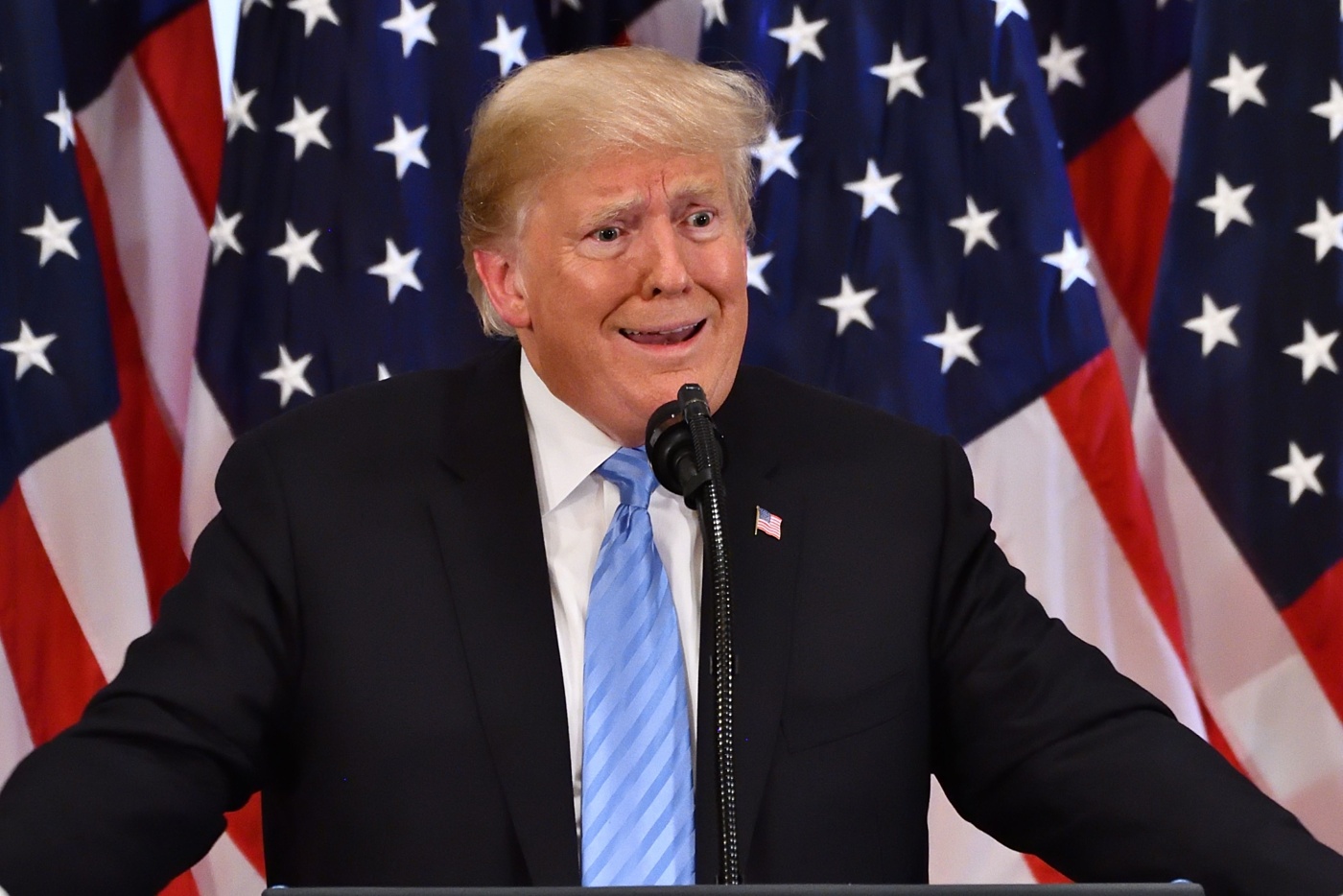
Commentators often tend to question budget assumptions, but in this case the Trump factor could toss those assumptions aside.
His April 2 announcement on tariffs will play directly into the election campaign. But the real challenges his actions bring will be a matter for whoever is in power next term.
Despite what the government might like us to believe, this budget is devoid of serious economic reform, let alone hard decisions.
Predictably, the savings are chicken feed – something over $2 billion. The first budget of the next term is likely to be harsher, all things being equal. That’s so even with a Labor government. It would certainly be much nastier if there were a change of government.
Given it comes on the cusp of the election, the bland, unambitious nature of this budget is not surprising. But when we consider the extent of the challenges Australia faces – on needed tax reform, sagging productivity and much else – it is depressing.
There is not much sign these issues will be more robustly addressed in the campaign.
This story first appeared in The Conversation.
Posted on 07 Oct 2026
Our Community's founder and leader, Denis Moriarty, writes that when he watched an over-the-top…
Posted on 07 Oct 2026
A major public campaign launched this morning is calling on the federal government to restore…
Posted on 07 Oct 2026
The Australian Literacy & Numeracy Foundation (ALNF) has announced a partnership with mining…
Posted on 07 Oct 2026
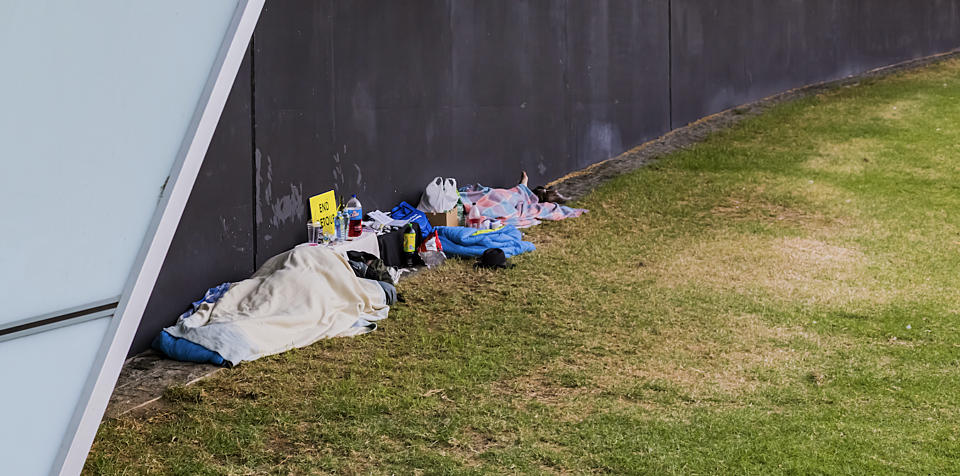
A conference in Darwin will this morning hear detailed, strategic plans for how Australia could…
Posted on 07 Oct 2026
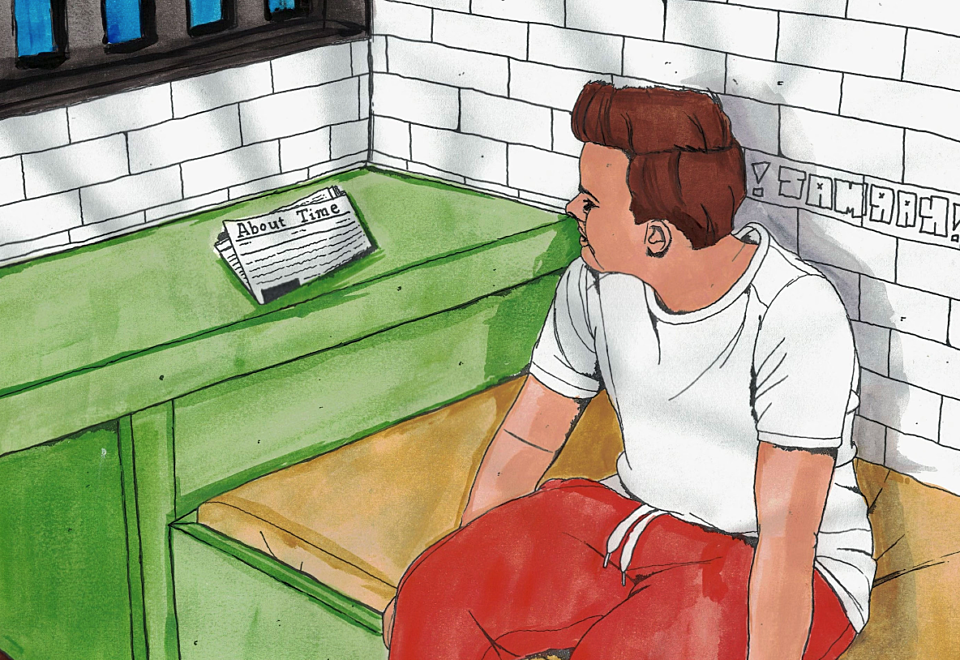
Joseph Friedman is co-founder and publisher of About Time, Australia’s only newspaper for…
Posted on 30 Sep 2026
There's been a lot of talk about AI this week, and some of it has been frightening. So, is AI good…

Posted on 30 Sep 2026
After the biggest AFL game of the year, one player proudly wore the flag of his birth country and…

Posted on 30 Sep 2026
At 21 years old, Tate Donohoe is the founder of Ecodia, an AI-assisted software development company…
Posted on 30 Sep 2026
Not-for-profit leaders have been warned to be wary of approaches from potential “funding partners”…
Posted on 30 Sep 2026
More than 200 fully funded Centre for Social Impact (CSI) scholarships will help equip for-purpose…

Posted on 30 Sep 2026
Personal stories are among the most powerful tools a charity can have to raise funds and awareness,…

Posted on 23 Sep 2026
In his new book Our Place, policy expert Matt Lloyd-Cope argues that housing must be at the heart…