Pauline Hanson and the frightening lesson of ‘Years and Years’
Posted on 07 Oct 2026
Our Community's founder and leader, Denis Moriarty, writes that when he watched an over-the-top…
Posted on 27 May 2026
By David Crosbie, CEO, Community Council for Australia
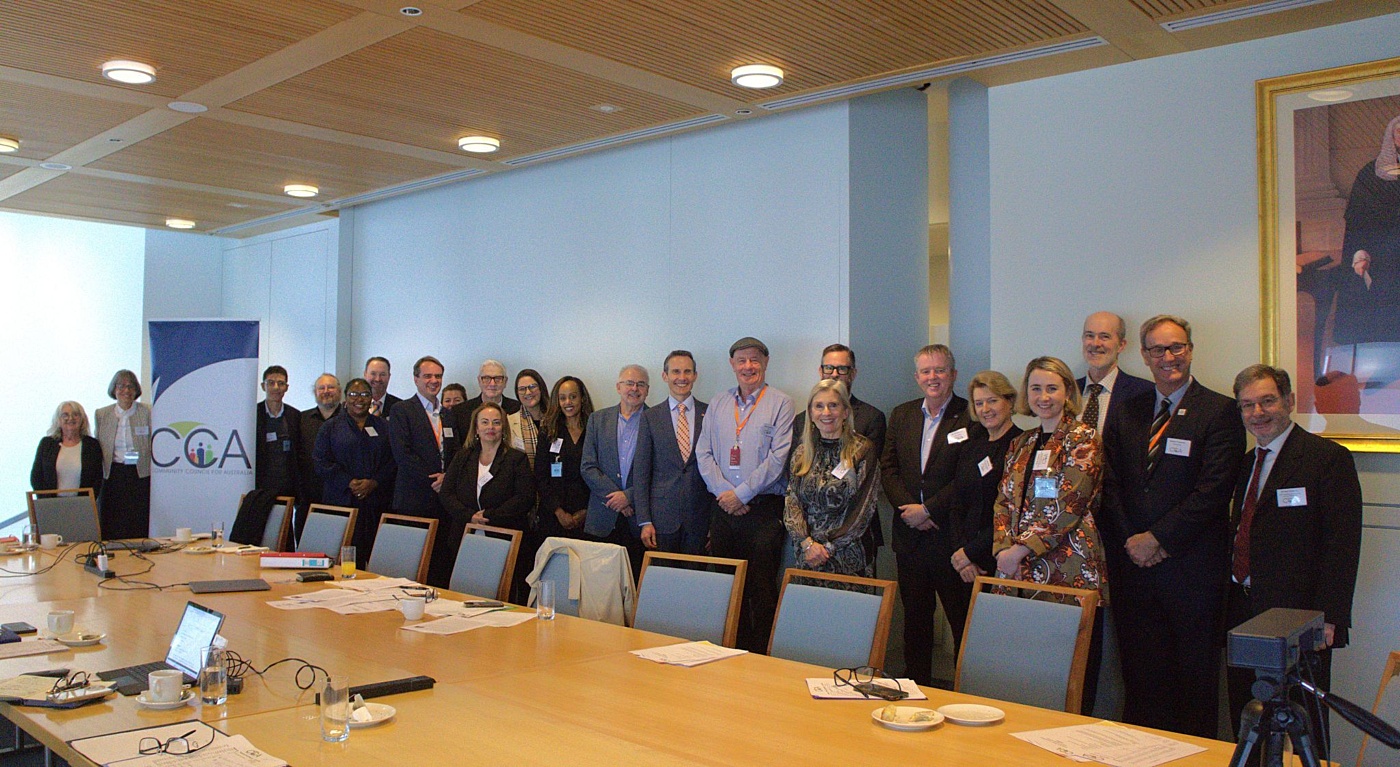
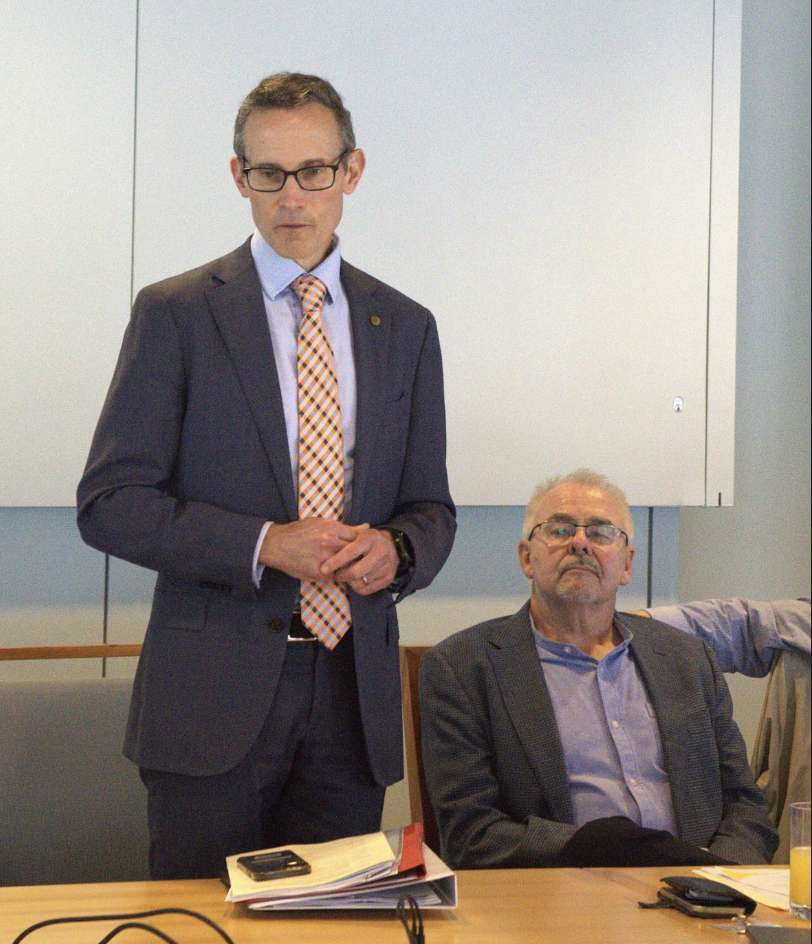
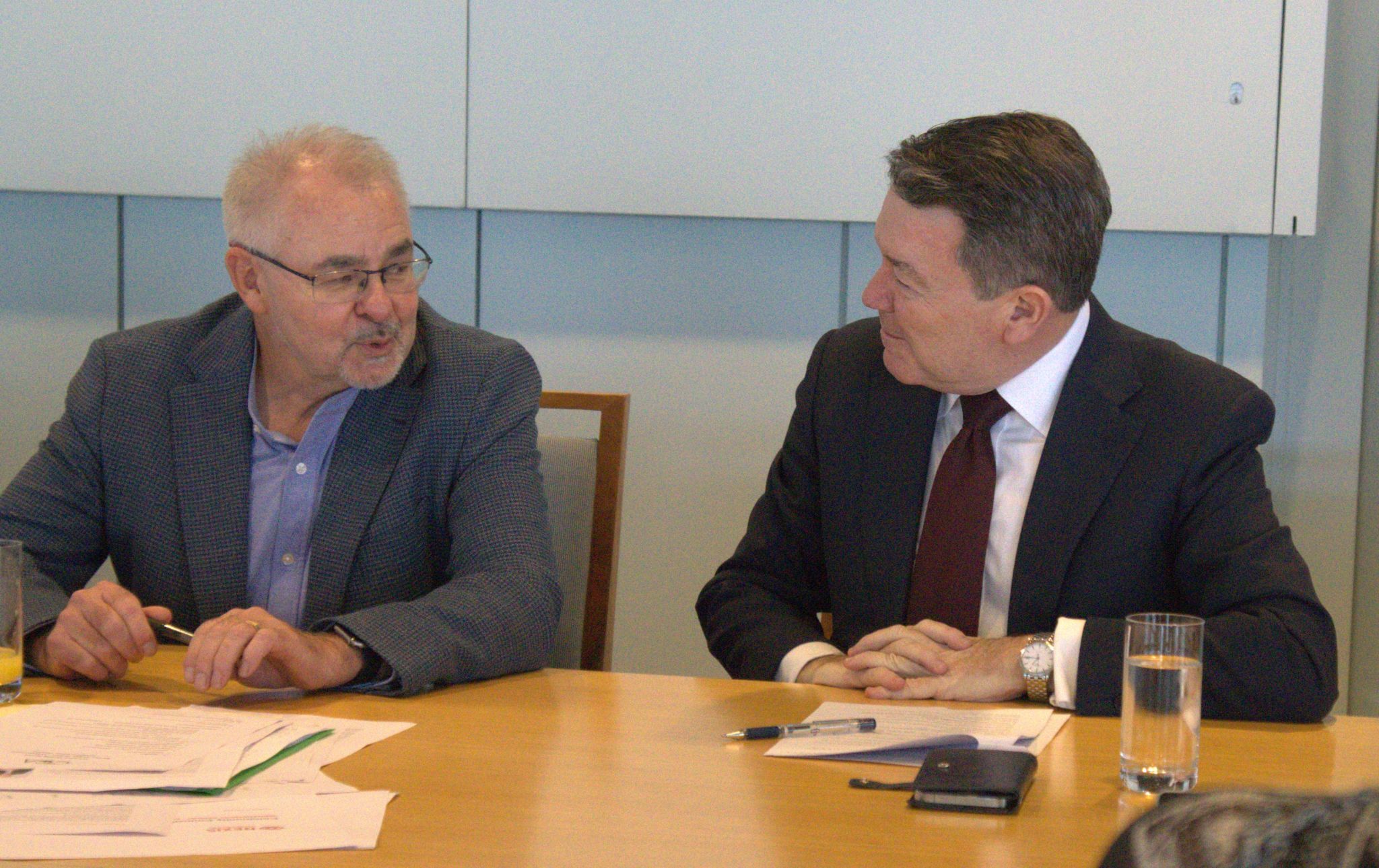
At the Community Council for Australia’s (CCA’s) annual general meeting in Parliament House on Monday, as I listened to the Assistant Minister for Productivity, Competition, Charities and Treasury, Dr Andrew Leigh, and the Shadow Assistant Minister to the Shadow Treasurer, Senator Dean Smith, I was struck that their different approaches to the charity and not-for-profit sector reflected not just their respective roles as government and opposition, but also the roles of the Senate versus the House of Representatives.
Assistant Minister Leigh talked mostly about government initiatives and the changes he had helped advance. He discussed raising the minimum distributions of giving funds and streamlining fundraising regulations.
Senator Smith spent more time talking about the tactics of change: how and why the Senate mattered. He also provided examples of changes he had helped achieve from Opposition through clever use of Senate procedures, most notably, the 12-month regulatory exception for charities in relation to fixed term contracting to allow charities to better align employment contracts with funding realities.
It’s worth emphasising that the government has a very clear majority in the 150-seat House of Representatives – the ALP holds 94 seats, and the remaining 56 seats in the lower house are divided between the Coalition, minor parties and Independents.
This clear majority in the lower house isn’t going to change in the next two years. It gives the Albanese government significant breathing space and a level of political capital – they can afford to lose some seats and still retain government.
In the 76-seat Senate, however, it’s a different story. The government currently holds only 29 Senate seats. The Coalition holds 27, the Greens 10, One Nation four, and the three Independents and three one-member parties (Jacqui Lambie Party, United Australia Party, Australia’s Voice) hold a total of six.
Government legislation needs to be passed by the Senate before it can come into force.
In some ways, this means all senators, including Senator Dean Smith, are in a strong position to be part of the final decision making about the shape and detail of proposed government legislation.
While charities need to work with the government, especially given the size of its majority, the capacity to drive change is not limited to government ministers and MPs. The Senate has become the major political battleground, the place where legislation is changed, improved, held back or passed through.
For charities and NFPs, the government remains the first and primary point of contact in relation to the polices we are pursuing.
At the same time, given the government does not have a majority in the Senate, there are opportunities to influence politics through working constructively with the mix of senators. As Senator Smith has demonstrated, good use of Senate processes and standing committees can drive amendments and improvements to legislation, as well as raise new issues and inquiries.
“Politicians know their engagement in local community groups can be critical in their electoral prospects. The reverse is not so apparent. Charities and NFPs often underestimate their capacity to influence politicians.”
The splintering of the Coalition vote and the rise of One Nation also provides opportunities for charities and NFPs. While people may have their own views on the policies various parties are pursuing, one thing we do know about politics in Australia, and around the world, is that local issues are becoming more central in determining voter intentions. Political party allegiance has waned. The number of rusted-on loyal one-party voters has declined, making voting patterns less predictable.
At the CCA, we’re already talking about our 2028 election campaign strategy. We know we need to do better in encouraging and helping local charities and NFPs to be active not just in the election campaign itself, but in engaging their local political candidates well before the next election.
The emerging political divide between capital city voters and regional voters reinforces the opportunities for our sector to influence national policy. Life in much of regional Australia is more grounded in community-based support and engagement than it is in most capital cities. Regional areas tend to be more reliant on local groups and volunteers, whether that means sports clubs, school communities, or arts and cultural groups, because they don’t have the numbers to enable fully professional recreational, cultural and support activities and services.
Politicians know their engagement in local community groups can be critical in their electoral prospects. The reverse is not so apparent. Charities and NFPs often underestimate their capacity to influence politicians.
Through positive strategic engagement, charities and NFPs, particularly in regional Australia, are in a good position to challenge and push for reform, even as the political context shifts. We won’t always achieve all we want, but we will achieve a lot more by engaging than by choosing not to engage.
As the CCA again learned at Monday’s AGM, the kind of Australia we live in can and should be partly shaped by the way our sector exercises its own power and influence.
David Crosbie has been CEO of the Community Council for Australia for the past decade and has spent more than a quarter of a century leading significant not-for-profit organisations, including the Mental Health Council of Australia, the Alcohol and Other Drugs Council of Australia, and Odyssey House Victoria.
Posted on 07 Oct 2026
Our Community's founder and leader, Denis Moriarty, writes that when he watched an over-the-top…

Posted on 30 Sep 2026
There's been a lot of talk about AI this week, and some of it has been frightening. So, is AI good…

Posted on 30 Sep 2026
After the biggest AFL game of the year, one player proudly wore the flag of his birth country and…
Posted on 23 Sep 2026
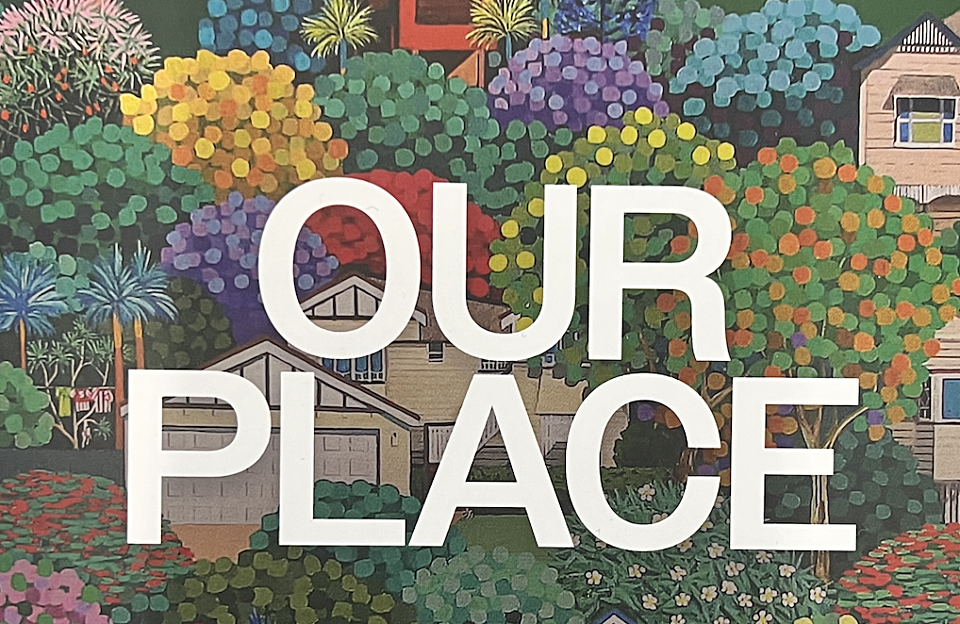
In his new book Our Place, policy expert Matt Lloyd-Cope argues that housing must be at the heart…

Posted on 23 Sep 2026
There are solutions to counter the rise of One Nation but they might not be residing in the mess…

Posted on 03 Sep 2026
Denis Moriarty has an issue with insurance companies varying premiums because of what they perceive…
Posted on 02 Sep 2026
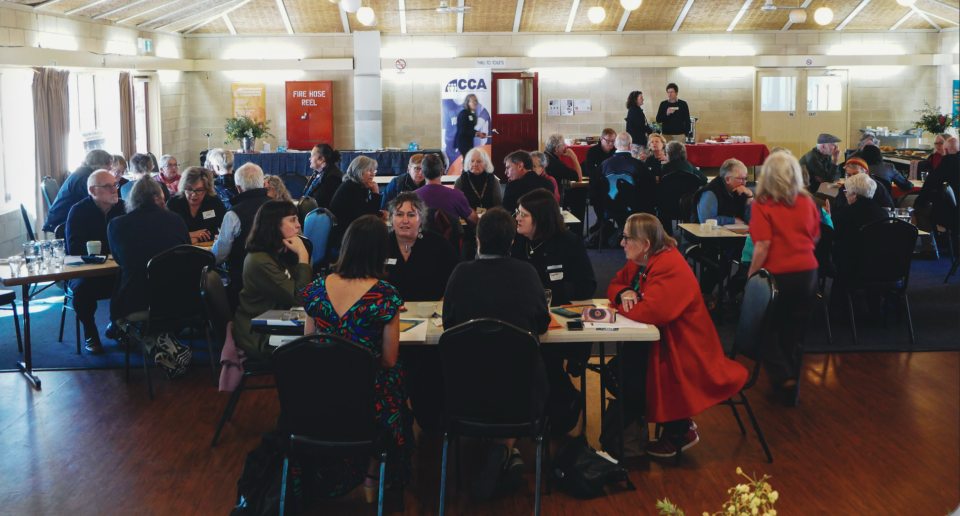
Yesterday, at a meeting just outside Castlemaine in Victoria, 70 people came together to hear…
Posted on 26 Aug 2026
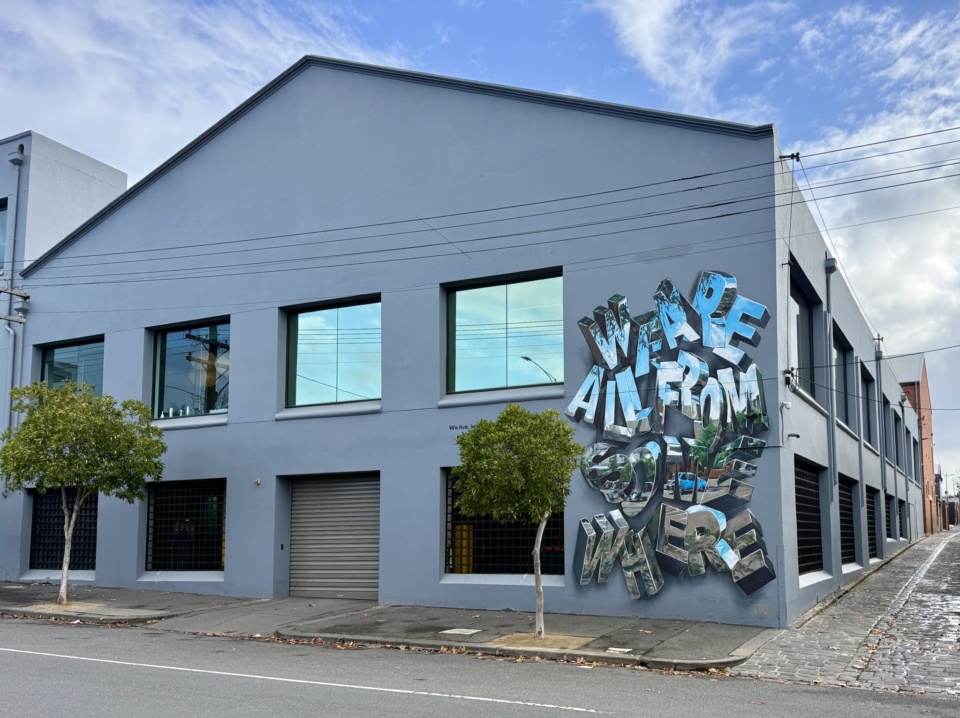
Our Community's founder and leader, Denis Moriarty, says he commissioned a new piece of street art…

Posted on 19 Aug 2026
Government funding is at the centre of Australia's charity and not-for-profit sector – our number…

Posted on 12 Aug 2026
Our Community's founder and leader, Denis Moriarty, says fostering a child was his worst nightmare,…

Posted on 05 Aug 2026
The charity and not-for-profit sector is vital to our economy and the wellbeing of communities…
Posted on 05 Aug 2026
As the Global Impact Summit kicks off in Sydney today, Equitable Philanthropy’s Catherine Brooks…