
NFP tech experts urge orgs to scale up cybersafety
Posted on 15 Oct 2026
Good cybersecurity must be the foundation of not-for-profits’ efforts to adopt artificial…
Posted on 18 Sep 2025
By Kate Blank, director, Heaps Smart

Search engines used to rule the internet. Google, Yahoo, Bing (Ask Jeeves!). Their algorithms decided which results appeared first, and what spilled over onto page two. They were in control, but they followed formulas.
Instead of using a search engine, today I’m more likely to open my AI assistant (ChatGPT, Claude, Gemini) – powered by a large language model (LLM) – to seek answers. It’s fast, direct and personal. When I start working with a new charity, I prompt my AI assistant with a few key questions, then I show the charity the answers. It can be confronting.
Try it for yourself:
Unlike search engines, LLMs do more than retrieve information. They also interpret it. By using training data and user context, LLMs can incorporate bits and pieces from various websites, articles, reports, and older online content. They can then reorganise this material into a single narrative, providing a coherent response, but not necessarily in words you’d choose.
For not-for-profits, this means potential funders, volunteers, and journalists may encounter your organisation for the first time through an AI-generated summary. If that summary is weak, outdated or confused, it could mean missed opportunities.
Share a clear, positive and up-to-date description across all sites and profiles. AI assistants will echo what’s most consistent and repeated.
Think about what people would ask an AI assistant about you. Publish blog posts, articles, FAQs or interviews that answer these questions. Your words can become the building blocks AI assistants reuse.
Make sure your key information (websites, bios, reports, blogs) is text-based, not just images. Use clear structures (titles, headings and alt text) so the words are is easy to parse.
Be present in places AI assistants trust and often reference: LinkedIn, Wikipedia, news, and research repositories. These sources will boost visibility and trustworthiness.
Heaps Smart has produced a technical checklist which summarises many of the ways to improve visibility and messaging through “crawlability”, structured data, content formatting, use of language, freshness, consistency, linking and auditing.
AI is already shaping how your organisation is described and understood. Lean in and join the conversation.
Kate Blank is the director of Heaps Smart, which builds software, data systems and automation for not-for-profit organisations.
Posted on 15 Oct 2026
Good cybersecurity must be the foundation of not-for-profits’ efforts to adopt artificial…

Posted on 15 Oct 2026
A few years ago, I sat on a small community board that was still held together by email threads and…

Posted on 15 Oct 2026
“Build a better mousetrap, and the world will beat a path to your door”, the old saw goes.…

Posted on 15 Oct 2026
The nation's digital inclusion advocate is pushing for more equity in the rollout of AI in light of…

Posted on 15 Oct 2026
Not-for-profit leaders should be conducting regular “fire drills” that replicate AI-powered…

Posted on 15 Oct 2026
Boards that leave cybersecurity to the one director with IT expertise are leaving their…

Posted on 15 Oct 2026
Community Directors has a warehouse-style office filled with artworks, and if I glance up towards…

Posted on 15 Oct 2026
As the manager of a palliative care service, Stephanie Kirkman Meikle has learnt that the prospect…
Posted on 14 Oct 2026
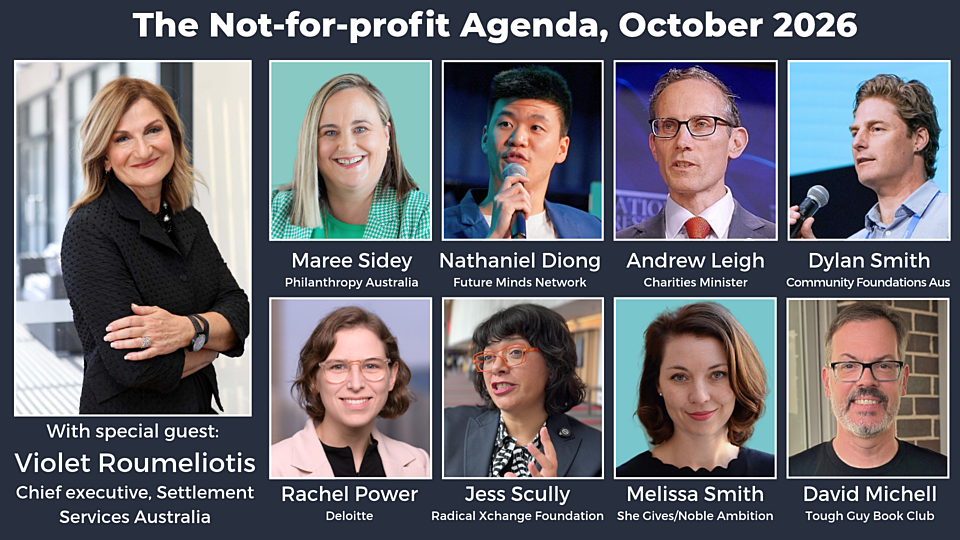
A special guest with her finger on the pulse of one of the biggest issues facing Australia –…
Posted on 17 Sep 2026
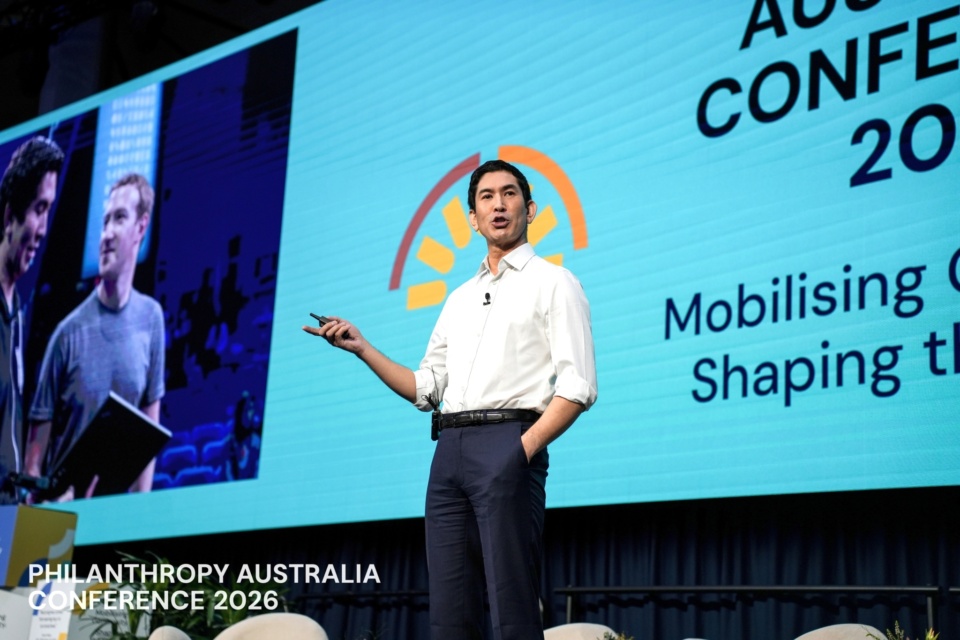
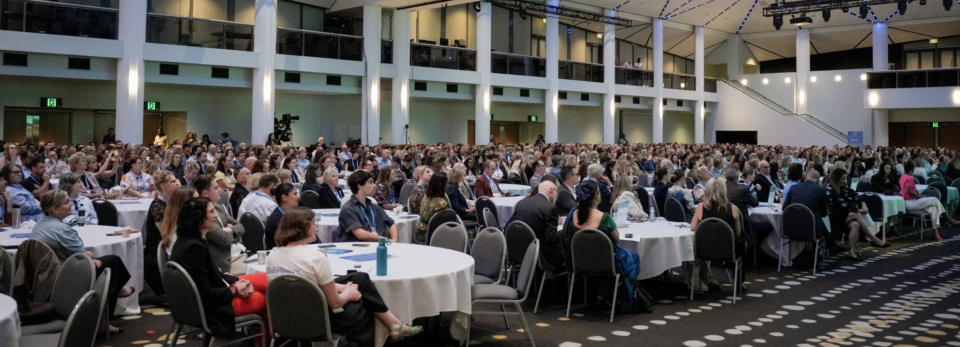
Australia’s biggest gathering of philanthropists, which drew more than 1200 delegates to Brisbane…
Posted on 17 Sep 2026
Experts in Australian philanthropy say there are stark differences between philanthropic money and…

Posted on 17 Sep 2026
One of Australia’s foremost fundraising observers says Australian not-for-profits must get the…