
Philanthropists ask: Can we forge a better future?
Posted on 17 Sep 2026
Australia’s biggest gathering of philanthropists, which drew more than 1200 delegates to Brisbane…
Posted on 11 Dec 2025
By Matthew Schulz, journalist, Institute of Community Directors Australia

Community Directors trainer Jon Staley knows from first-hand experience the cost of ignoring wellbeing in an organisation.
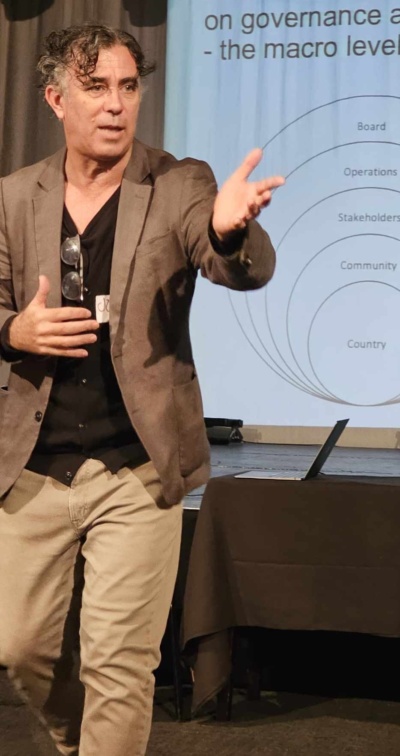
“As the founder of a social enterprise – hosted by a not-for-profit – I spent years running on purpose, passion and determination. I loved the work, really cared about it and deeply believed in it. But a decade in, I hit a point where I realised I had run myself completely ragged.”
Staley says now wellbeing is something he takes seriously, both personally and professionally. And the good news? “Solutions already exist in the sector, and in Community Directors’ new report”.
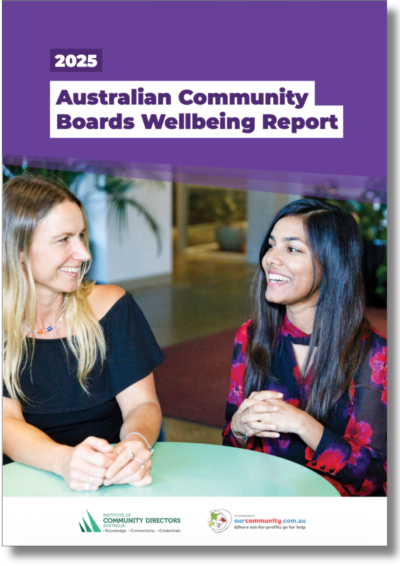
Staley will be formally launching the new Australian Community Boards Wellbeing Report this month and he says he’ll remind leaders that they must care for themselves as well as their organisations.
Attend the free webinar, December 17: Launch of the Wellbeing Report
“Accept the responsibilities of your role and really honour them, but let go of the things you can’t control. You can’t do it all. And you need support and teams.”
His story reflects a rising concern across Australian charities and not-for-profits (NFPs): burnout is no longer a personal issue. It’s a governance problem, a talent problem, and a sustainability problem.
It’s estimated that the annual direct costs of mental ill health include about $17 billion in lost productivity and that the total annual costs to the country are as high as $220 billion, the Productivity Commission found in a 2020 study.
And with Australia’s not-for-profits now comprising nearly 11 per cent of the workforce and fielding 1.54 million workers, those organisations are certain to account for a big slice of those lost billions, especially with workers’ high exposure to stressors.
Pro Bono’s 2025 salary survey found that of the people who quit their NFP roles that year, 29 per cent said burnout was the key reason for quitting, up from 21 per cent the year before.
It’s a similar story for the sector’s 3.5 million volunteers, which includes most board members, and with two-thirds of not-for-profit board members thinking of resigning under the strain, it’s something that community organisations are being forced to take seriously.
This year’s Third Sector Leaders Forum took a close look at burnout, while in 2023, Community Directors reported that 58 per cent of Australian not-for-profits and charities had prioritised their clients and the community over the mental wellbeing of their own staff and volunteers.
That was the same year that a McKinsey study on not-for-profit resilience found that burnout in NFPs increased turnover by 2.5 times, even as replacing a not-for-profit worker cost 20–200 per cent of their salary.
“Accept the responsibilities of your role and really honour them, but let go of the things you can’t control. You can’t do it all. And you need support and teams.”

McKinsey also noted that workers in human services, community development, disability support and crisis intervention roles suffered a high emotional toll from vicarious trauma, complex client needs, and unpredictable crises.
Part of the reason for the high price of burnout is that psychological injuries cost significantly more, on average, than physical ones, according to Safe Work Australia.
Several overseas studies confirm that burnout in the not-for-profit sector is a critical issue globally, with 95 per cent of leaders nominating burnout as a concern in a 2023 survey by the Centre for Effective Philanthropy.
Posted on 17 Sep 2026
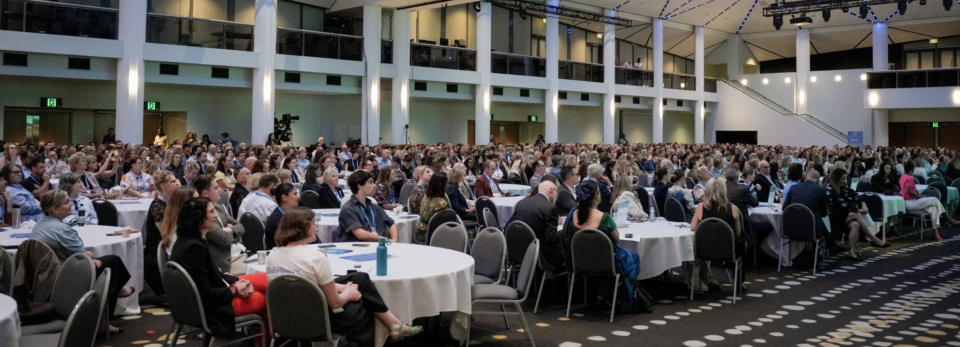
Australia’s biggest gathering of philanthropists, which drew more than 1200 delegates to Brisbane…
Posted on 17 Sep 2026
Experts in Australian philanthropy say there are stark differences between philanthropic money and…

Posted on 17 Sep 2026
One of Australia’s foremost fundraising observers says Australian not-for-profits must get the…
Posted on 17 Sep 2026
As direct giving dries up, charities face growing dependence on big donors and negotiating the…

Posted on 17 Sep 2026
Charities reported $14.8 billion in donations and bequests last financial year, the second-highest…

Posted on 17 Sep 2026
My father often googles my name, and as a result, years ago, I received a surprising gift in the…
Posted on 17 Sep 2026
Where Evelyn Mugisha grew up in rural Uganda, the subjects and careers considered suitable for…
Posted on 09 Sep 2026
A global gathering of philanthropists in Brisbane this week is aiming to tackle society’s biggest…
Posted on 09 Sep 2026
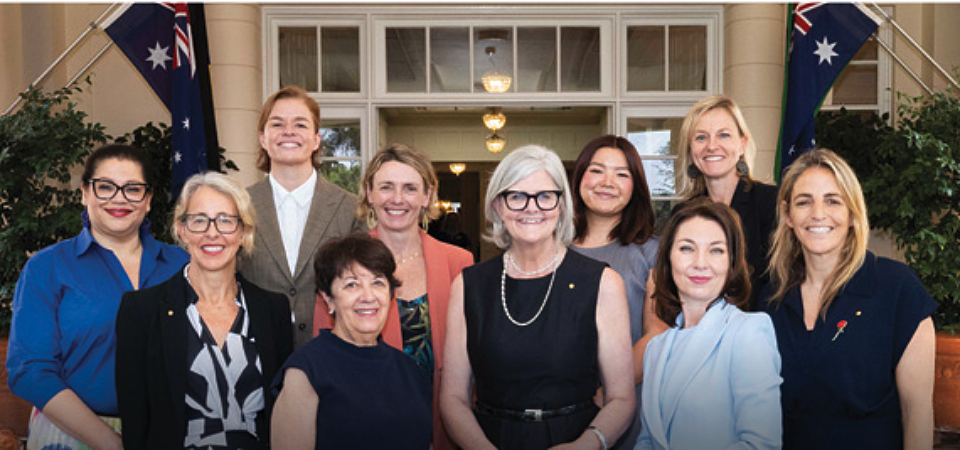
Media attention about women's philanthropy has more than doubled in three years, according to new…
Posted on 26 Aug 2026
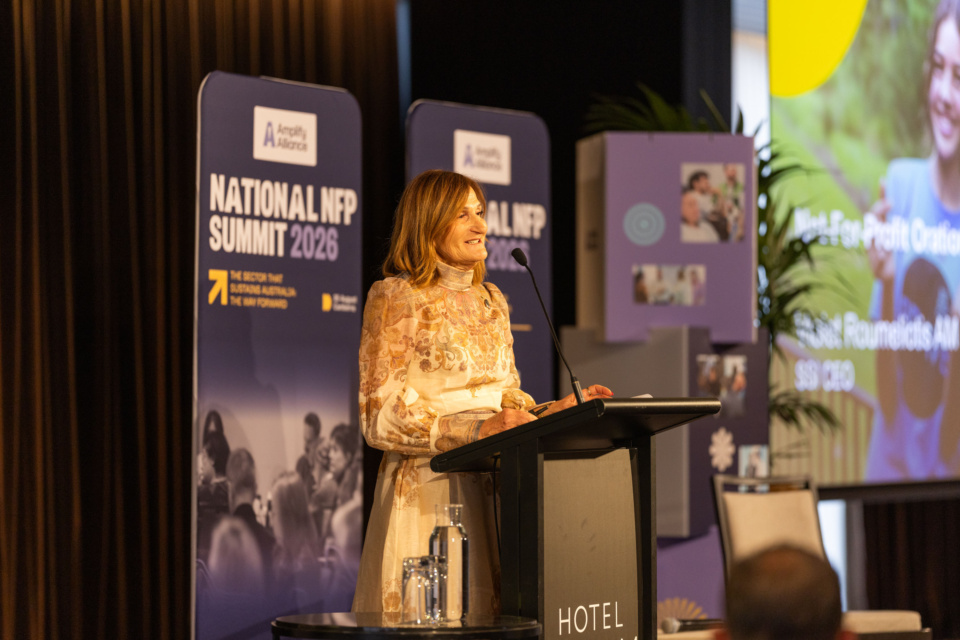
Sector leader Violet Roumeliotis has called on funders to stop treating not-for-profit…
Posted on 13 Aug 2026
As a teenager, I attended summer camp for seven years, first spending two weeks at a time camping…

Posted on 13 Aug 2026
Not-for-profits are full of people with great ideas, but that doesn’t mean they are set up for…