Philanthropists ask: Can we forge a better future?
Posted on 17 Sep 2026
Australia’s biggest gathering of philanthropists, which drew more than 1200 delegates to Brisbane…
Posted on 12 Nov 2025
By Matthew Schulz, journalist, Institute of Community Directors Australia
Like many Community Directors members, Hazel Westbury is a community leader who isn’t easily categorised.
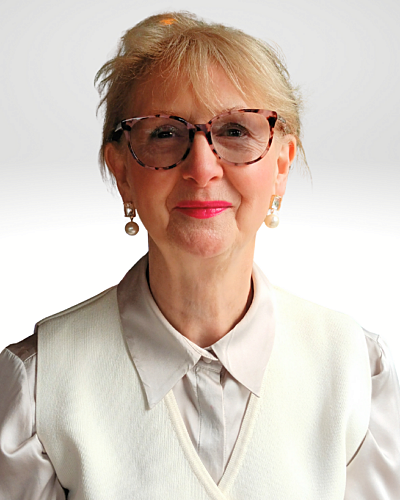
The experienced fundraiser, strategist, advocate and artist threads together diverse skills, a commitment to community and a flair for finding human solutions.
In remote towns in Victoria, in hospitals, and in universities in major cities, Westbury has helped shape ambitious fundraising and development projects. But she’s just as comfortable teaching dance to kids or sketching the outline of a new idea with pastels.
At the heart of her personal mission has been a desire to help people who are among the community’s most vulnerable: children with disabilities.
We approached Westbury as one of many Community Directors members who display the postnominal MICDA (Member, Institute of Community Directors Australia) on their LinkedIn profile.
Westbury said the letters “signal to those I coach and mentor that I have access to the latest resources and can swiftly disseminate vital information to those who need it”.
Westbury joined Community Directors for its focus on “recognising community leadership and capacity building, and not just career advancement”.
As a board mentor and strategist, she has steered several boards “to make the most of the seminars and workshops on governance” and used Community Directors resources to help groups win grants, develop strategic plans and build teams.
She believes the creation of Community Directors and its parent company Our Community – over 25 years ago – was “perhaps the single most important advance for the community sector” with their focus on making our communities stronger and our services broader.
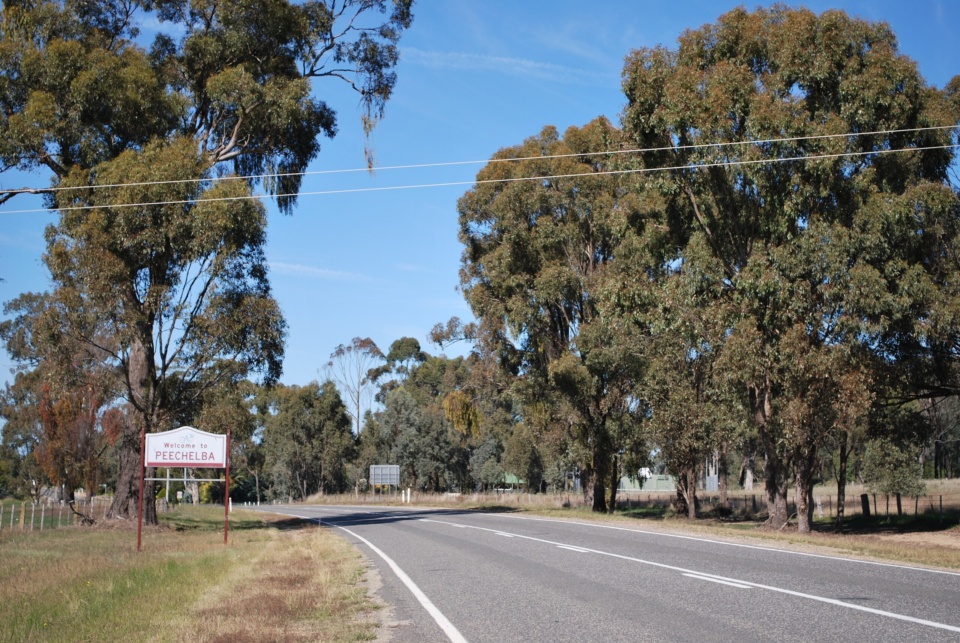
Westbury’s path to community leadership began soon after she arrived in Australia in 1983.
She’d come from Scotland and was living in the tiny hamlet of Peechelba, near Wangaratta in Victoria’s northeast, where she was raising three children under six, while her husband worked elsewhere.
“I was marooned without a car or access to a bigger community,” she said.
With few options, she began remote tertiary study of child development, using her own kids as research subjects.
That study planted the seed of an idea to help other children, and a year later, Westbury opened Wangaratta’s first community residential unit (CRU) for children with severe and multiple disabilities, which meant many such kids were able to return from other institutions to their home region.
By 1989, she was involved in a campaign to stop the closure of a special purpose home for children with severe disabilities in the Melbourne bayside suburb of Sandringham. With no funds available to rehouse the 22 children at Moira Inc., she spearheaded an appeal to the Senate, which was then revising disability support laws. In the end, government officials made significant concessions and reforms to the sector, but this prompted even more work.
“We had our therapeutic funding restored, but no money for infrastructure, so I became a fundraiser overnight.”
Operating from the staff sleepover room, she rang trusts and foundations. And when a volunteer ex-accountant handed her a copy of a Philanthropy Australia publication filled with the names of prominent funders, it was a gamechanger.
“It was a steep learning curve, but every submission was successful.”
A new home was built thanks to funders including the Helen Macpherson Smith Trust, which chipped in $250,000.
“That’s when I saw what philanthropy could really do. We weren’t just raising money. We were changing lives, and the law.”

“Humility matters. People don’t care how much you know, until they know how much you care.”
In more than 35 years in the sector, Westbury has worked for a rollcall of prominent organisations, such as the Royal Children’s Hospital, the Florey Institute, the Royal Flying Doctor Service and the National Heart Foundation, as well as several universities and schools.
In the process, she has raised millions of dollars in gifts, bequests and donations for research, building projects, community health, disability support, education and the arts. Westbury often finds herself breaking ground on new projects.
“Greenfield projects are my comfort zone,” she says. “I never assume I know more than the community I’m entering. You listen, you learn, and then you lead.”
“Wherever I land, I buy the local paper, talk to the taxi driver, listen more than I speak. You can’t lead unless you understand the community first.”

She has taken this mindset to projects across the country: swimming pool builds, school upgrades and hospital redevelopments. She has often kicked off her involvement without a budget, a team or a roadmap. But empathy is a constant.
“Humility matters. People don’t care how much you know, until they know how much you care.”
It’s a strategy that’s seen her work in drought-affected towns, on outreach campaigns for regional eye health, and for capital campaigns across health, arts, education and beyond.
At Uniting AgeWell, for instance, Hazel led the organisation through a critical time in aged care reform. She established a new fundraising department, launched a bequest program and supported the board through a brand repositioning strategy.
“I also proposed creating an endowment, but the board was focused on expansion. That tension is common. Governance has to balance ambition with sustainability.”
Westbury is an advocate of the advancement model of managing resources and relationships, which puts vision at the centre of all development work. The approach sees organisations seek long-term support across streams such as philanthropy, alumni and stakeholder engagement, as well as marketing and government relations.
Westbury puts it this way: “Marketing doesn’t drive philanthropy, leadership does.”
As an experienced fundraiser and advocate, she says boards must be at the heart of any fundraising strategy.
“The not-for-profit sector often separates comms from fundraising, which weakens the message. In successful institutions, vision comes from the top, and all messaging flows from that.”
When seeking major gifts from donors, Westbury draws on a similar philosophy. “You don’t need to be well-connected to secure major support. You need patience, preparation and a genuine connection.”
Hazel directed this ballet for children in the Gippsland region.
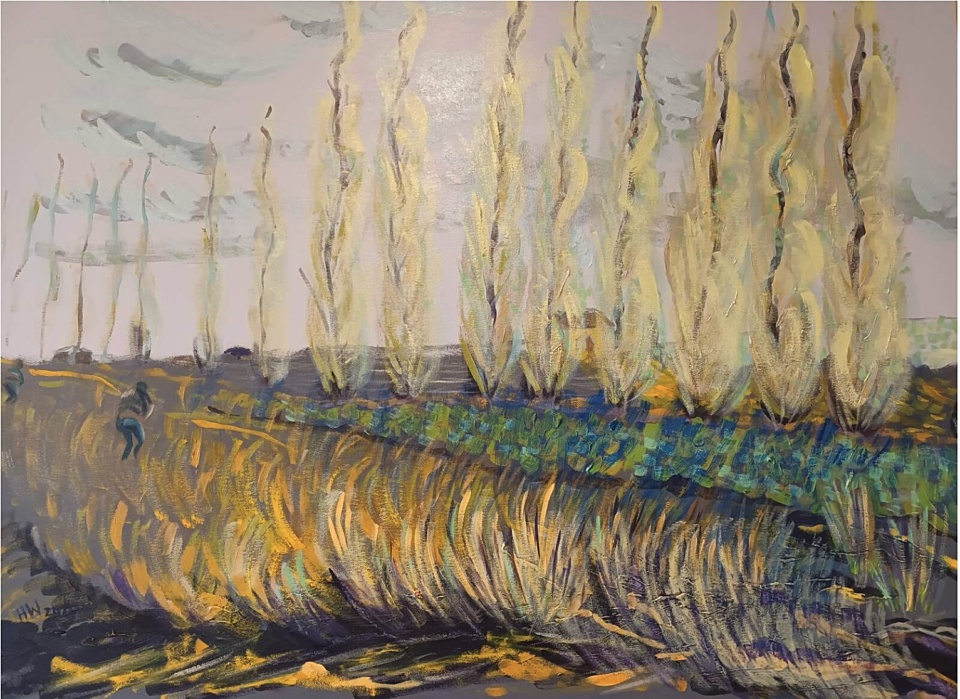
Westbury’s emphasis on “vision” may have something to do with the fact that she is a practising artist with a keen interest in life drawing whose work has been exhibited through the Victorian Artists Society (VAS).
And she’s also been a choreographer, having staged The Magic Peacock in Victoria’s Gippsland in 2022, and had a hand in the narrative, set and costume too.
“Art helps me observe more closely,” she said.
“It’s not separate from my leadership work. It’s how I connect with people, by seeing and helping them see what matters. Often people start with their griefs and frustrations. You have to honour that to understand what really drives them.
“In fundraising, I use that sense to paint the picture. People don’t respond to data alone, they need to see what’s possible.”
That’s why during the pandemic she opened her home studio to young neurodiverse artists, who formed an award-winning art collective to showcase their work.
“It might have been the best job I’ve ever had.”
Now seeking a new board role in disability services, Westbury is keen to apply her experience to the next phase of National Disability Insurance Scheme (NDIS) reform.
She said any director should know their facts, their figures and their organisation’s business, but ultimately it is their own convictions and passions that will convert new followers.
“Lead with heart. Share the vision. Be brave enough to tell the story. Enthusiasm sells.”
Directors, she said, must understand, “Your real role is to develop, articulate, and spread the mission and vision of the organisation”.
“As a fundraiser, which is basically what I've been for most of my career, I have found that my role is a transformation one, to galvanise the board and the executive team into articulating and agreeing on that vision, and in carrying that out passionately in their work every day.”
She said directors must “tell people how much you care about your organisation and those it serves. People don’t care about what you know, until they know how much you care”.
And for leaders who are strongly connected to their services through lived experience, “be brave and tell the story” to help the message cut through.
Relationships were crucial in every organisation but in fundraising, she said, it was an “unassailable proposition” that “people give to people”.
Her advice for new fundraisers? “This work is a vocation. You need to be part diplomat, part executive assistant, part storyteller. Most of all, you need patience and genuine care.”
Posted on 17 Sep 2026
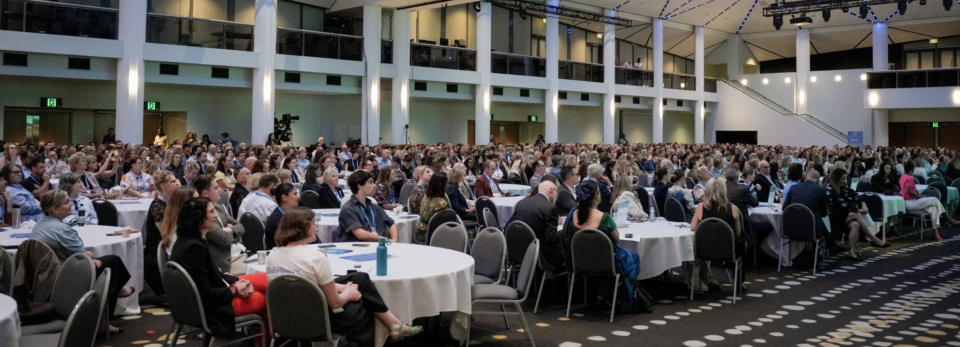
Australia’s biggest gathering of philanthropists, which drew more than 1200 delegates to Brisbane…
Posted on 17 Sep 2026
Experts in Australian philanthropy say there are stark differences between philanthropic money and…

Posted on 17 Sep 2026
One of Australia’s foremost fundraising observers says Australian not-for-profits must get the…
Posted on 17 Sep 2026
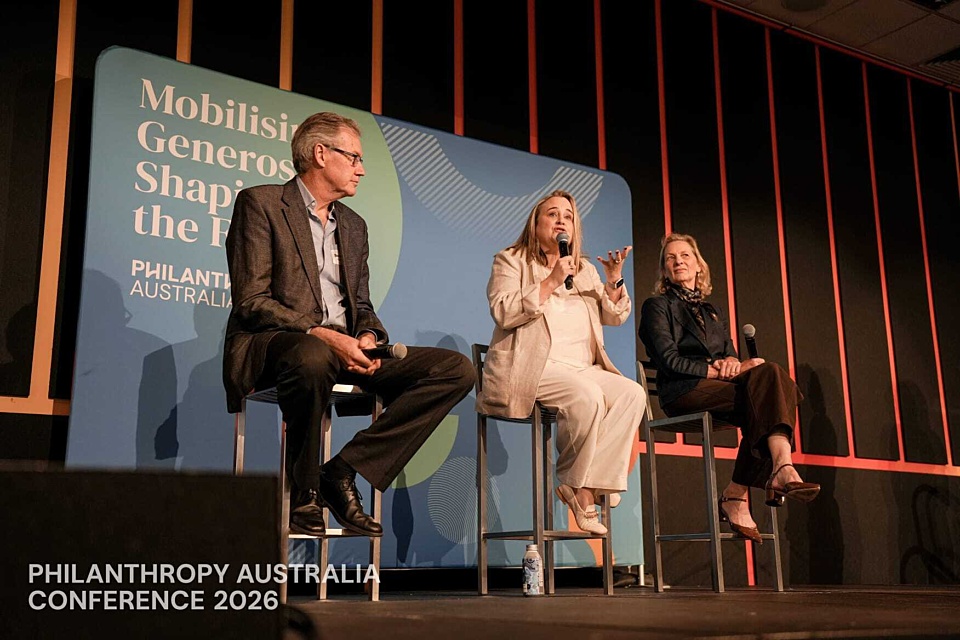
As direct giving dries up, charities face growing dependence on big donors and negotiating the…

Posted on 17 Sep 2026
Charities reported $14.8 billion in donations and bequests last financial year, the second-highest…

Posted on 17 Sep 2026
My father often googles my name, and as a result, years ago, I received a surprising gift in the…
Posted on 17 Sep 2026
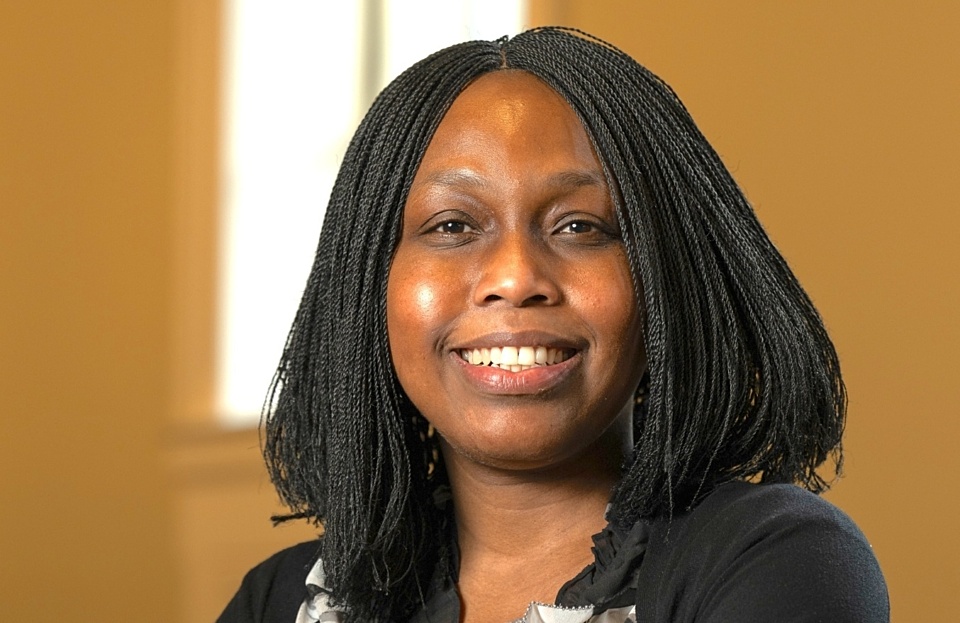
Where Evelyn Mugisha grew up in rural Uganda, the subjects and careers considered suitable for…
Posted on 09 Sep 2026
A global gathering of philanthropists in Brisbane this week is aiming to tackle society’s biggest…
Posted on 09 Sep 2026
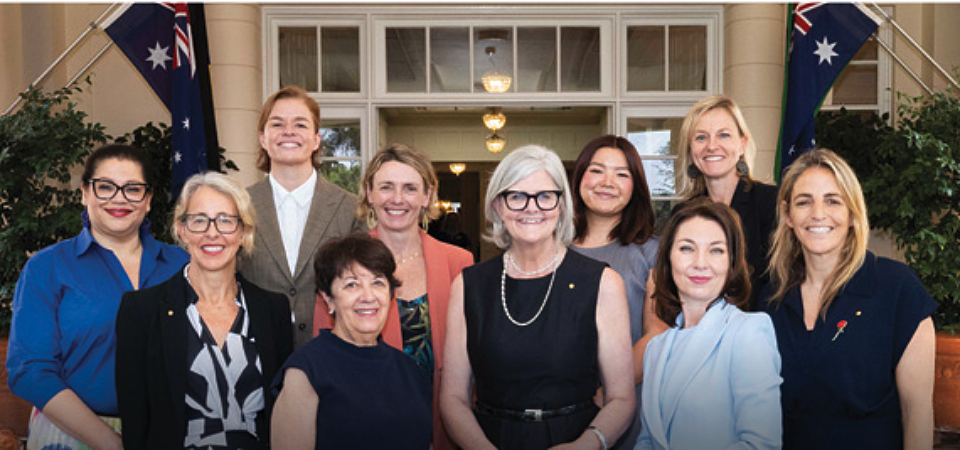
Media attention about women's philanthropy has more than doubled in three years, according to new…
Posted on 26 Aug 2026
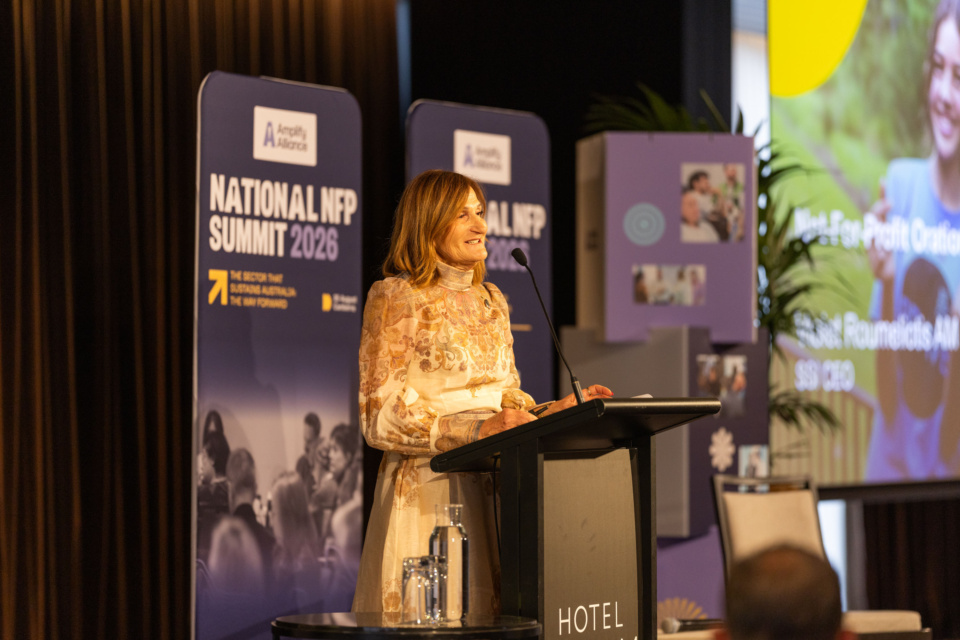
Sector leader Violet Roumeliotis has called on funders to stop treating not-for-profit…

Posted on 13 Aug 2026
As a teenager, I attended summer camp for seven years, first spending two weeks at a time camping…

Posted on 13 Aug 2026
Not-for-profits are full of people with great ideas, but that doesn’t mean they are set up for…