
NFP tech experts urge orgs to scale up cybersafety
Posted on 15 Oct 2026
Good cybersecurity must be the foundation of not-for-profits’ efforts to adopt artificial…
Posted on 12 Feb 2026
By Matthew Schulz, journalist, Community Directors

In this special extended online report, we’ve sought the views of two dozen sector leaders to gain their insights on the forces shaping the not-for-profit sector in the coming year.
We asked political leaders, regulators, academics, governance, fundraising, and legal experts, sector advocates and members to nominate key themes not-for-profit leaders must understand.
The special report is designed for scanning, allowing you to examine the sections most relevant to you. Many of the most topical matters span multiple reports. While our report cannot catalogue every challenge facing not-for-profits, we’ve highlighted issues that surfaced strongly in conversation, and have included help and guidance for NFP leaders where appropriate. If you think something is missing, tell us!
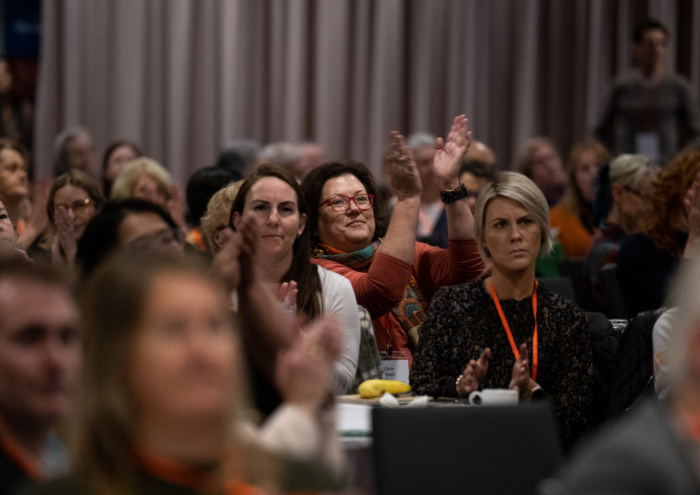
Australia’s not-for-profits need strategic investment by the federal government to support the sector and generate economic benefits for the entire country.
The peak body for charities and not-for-profits, the Community Council for Australia (CCA), makes the point in its pre-Budget submission to the Albanese government, which is due to present its second-term Budget in May.
The CCA lays out a 10-point plan and argues those measures “will significantly strengthen Australia’s not-for-profit (NFP) sector to support our communities and drive real economic savings”.
The organisation argues that the sector is an essential part of national infrastructure, encompassing more than 600,000 organisations, contributing eight per cent of GDP and employing over 1.5 million Australians.
The CCA says the sector faces a storm of rising demand, higher costs, workforce pressure, declining volunteering and under-investment in organisational capacity, cybersecurity and climate adaptation.
It says more than 160 reform recommendations have been made over three decades, yet only a small fraction have been implemented, and the sector needs greater certainty in government funding, better regulation, reduced barriers to capital and greater support for giving to enable greater sector productivity, at a time when the need for its services has never been greater.
The prospect of an intergenerational wealth transfer worth trillions is just one of the opportunities to unlock philanthropy, modernise regulation and strengthen sector resilience, the CCA submission argues.
The CCA proposes 10 priority budget measures:
The CCA argues these measures would improve productivity, reduce long-term government costs and strengthen economic and social resilience. It concludes that increased philanthropy and impact investment should be viewed as a public benefit, not foregone revenue, and that a fairer, more strategic Budget must recognise the scale, contribution and potential of Australia’s charities and NFP sector.
“Supporting the proposals in this submission will ensure the government receives a better return on investments, strengthens communities, improves wellbeing, builds connectedness and resilience, and increases productivity for all Australians,” the CCA said.
“I think the case that the sector has made for getting fair indexation is a strong one." – Andrew Leigh
Charities Minister Andrew Leigh says demand for charities’ services is set to increase again in 2026, as cost-of-living pressures and a tight labour market make it harder for organisations to find staff and funding.
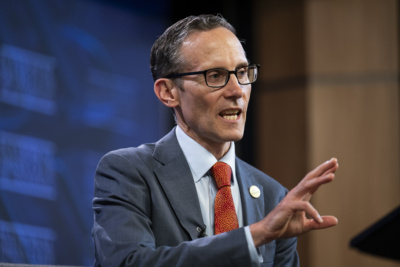
“In terms of demand, it’s the challenges that will see moments that are calling on charities to do more,” Leigh told the Community Advocate in an exclusive interview. “We see that through natural disasters; we see it through the challenge of need; cost-of-living pressures affect that; and of course, environmental pressures as well.”
Leigh said the government wanted to strengthen what he described as the “connective tissue around the charity sector”, and he nominated greater collaboration between organisations, investment in leadership and staff development, and better management of cyber risks and artificial intelligence as areas of interest.
“In terms of supply, it’s about making sure that charities continue to attract the philanthropy and the talented people that they need,” he said, noting that competition for staff remains intense.
The minister said boosting philanthropy would be a major focus of government in 2026, alongside implementing recommendations from the Productivity Commission and the sector blueprint. He said consultation had concluded on whether “giving funds”, formerly known as private ancillary funds, should be required to distribute a higher proportion of their assets each year.
Leigh acknowledged long-standing calls from the sector for fairer indexation of government funding. “I think the case that the sector has made for getting fair indexation is a strong one,” he said, noting that longer-term contracts and appropriate indexation help reduce administrative burden and improve workforce stability.
Leigh said his hope for 2026 was “a sector which receives more philanthropy from Australians and which is having more impact out in the community”.
'As people in the community sector, we have a significant role to play to maintain Australian society as inclusive, tolerant and vibrant.'

Australia has had a tumultuous start to 2026, with Parliament recalled early to pass legislation to tighten gun controls and outlaw hate speech following the traumatic attack on Jewish people celebrating Hanukkah at Bondi on 14 December 2025. Fifteen innocent Jewish lives were taken in an extremist anti-Semitic attack. As a community we have had to face up to the fact that we have not dealt with hate crimes effectively.
At the same time, we have seen growing audacity in the communication of far-right groups, including anti-immigrant and anti-government groups. The neo-Nazi group that attacked the Indigenous Camp Sovereignty in Melbourne’s Kings Domain on 31 August 2025 caused injury but not death.
During January, I walked through the snow to the documentation centre at the Nazi Party rally grounds in Nuremberg, Germany. It is a sobering place, not least as it documents the way in which the National Socialist ideology fell into fertile soil in the 1930s. Some of the same conditions exist in Australia and other parts of the world today – inequality, growing financial hardship, a growth in authoritarianism, attacks on the media, identifying scapegoats, and populist solutions. We have this history from which to learn lessons.
As people in the community sector, we have a significant role to play to maintain Australian society as inclusive, tolerant and vibrant. Small acts of kindness, empathy with the circumstances of others and action to address inequality can all help to nurture a sense of belonging and trust in each other. A multiplicity of approaches can work. Individuals and groups can take action. We can begin by acknowledging the fractured and increasingly polarised context, and caring enough to take action.
There are plenty of resources to help guide our approach. The Edelman 2026 Trust Barometer, released in January, showed that 70 per cent of people are either unwilling or hesitant to trust someone whose values, facts, problem-solving approaches or cultural background differ from theirs, leaving just 30 per cent open to trusting across divides. There is a need to rebuild that trust.
The Scanlon research that maps social cohesion in Australia is a great resource for those wanting to contribute to cohesion and the common good, as is the work of the Australian Institute of Health and Welfare and the UN Economic Commission for Europe. Many social purpose and not-for-profit organisations have deep roots in their communities and are aware of local needs and tensions, and the human and material resources to address them. Let 2026 be the year when we consciously worked to build and maintain social cohesion in Australia through individual and collective acts.
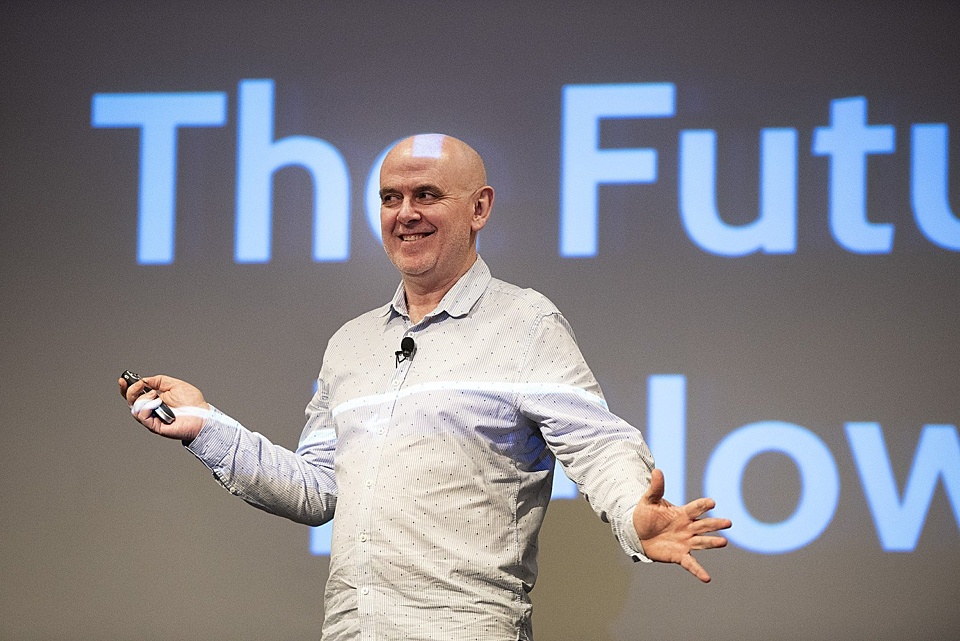
The drift to the political right across many democracies, including Germany, is increasingly evident in Australia, albeit to a lesser extent. This trend has social and political implications that are becoming harder to ignore.
Recent polling for One Nation, and analysis such as Antony Green’s work on the Coalition split and the re-emergence of Pauline Hanson’s party, highlights growing instability within the Liberal and National parties. That turmoil has helped reopen political space on the right.
One Nation’s vote is not evenly distributed. Its strength in regional areas, particularly in Queensland, means the party can win more seats than its national vote share suggests. Name recognition also matters, and figures such as Barnaby Joyce may attract voters who are willing to shift further right.
If One Nation wins seats at the expense of the Liberal and National parties, several follow-on effects are possible. The Liberal National Party (LNP) in Queensland could face renewed internal fractures, while campaign resources may be diverted away from state elections, weakening the Coalition’s broader position.
At an individual seat level, the implications can be significant for not-for-profit organisations with a strong regional or local footprint. Changes in party representation can fundamentally alter NFPs’ established pathways to policymakers.
This can work in both directions. A government seeking to reclaim a marginal or lost seat may pay closer attention to local issues and community organisations. Conversely, the loss of direct relationships with ministers or senior decision-makers can weaken advocacy efforts and reduce access at critical moments.
A broader rightward shift has social consequences as well. Not-for-profit organisations working with culturally and linguistically diverse (CALD) and culturally and religiously marginalised (CARM) communities may face increased threats and stress. That environment can reduce willingness to participate in public life, contributing to isolation and creating longer-term challenges for both communities and service providers.
At the federal level, current indicators point to continued Australian Labor Party (ALP) dominance. The Coalition remains fractured, the Liberal Party is dealing with deep internal conflict, and One Nation’s rise is placing particular pressure on the LNP in Queensland.
History shows, however, that political narratives can shift quickly. The Queensland election of 2012 saw Labor reduced to just seven seats, only to return to government in 2015. This is not a prediction, but a reminder that reversals do occur and that organisations should plan for multiple scenarios.
The most likely outcome remains a medium-term ALP federal government. Even so, planning should consider several horizons: a shorter-term Labor government, a longer-term Labor government, and the possibility of a future reversal.
Planning requires identifying emerging ALP figures, both backbenchers and potential candidates outside parliament, and building relationships early. It also means identifying long-term prospects within the Liberal and National parties. Political actors remember who engaged with them during difficult periods.
If One Nation were to win 10 or 12 seats at a federal election, a repeat of the 1998 Queensland state election, when internal disputes led most One Nation MPs to leave the party, is possible. A snap back towards the Coalition could follow, and organisations should be prepared.
Further rightward shifts are also plausible at the state level. When voters feel unable to change the federal government, they often express dissatisfaction through state elections. Organisations should consider what that dynamic would mean in their own jurisdictions.
Australia’s economic outlook remains challenging, particularly for the not-for-profit sector. More organisations are reporting funding stress, with mergers increasingly viewed as a survival strategy.
Globally, political instability in the United States continues to affect trade and financial markets, contributing to a broader realignment of global trade and capital flows and a reduction in trust in the US dollar.
The Dow Jones Industrial Average has risen sharply over the past decade, climbing from 15,918 in February 2017 to 49,012 in January 2026, an increase of more than 300 per cent. The current price-to-earnings ratio of about 29:1 is high by historical standards, though not unprecedented.
One significant risk is a loss of confidence in US Treasury bonds. A large-scale sell-off could push up US interest rates, placing pressure on the US economy and driving global rate increases. Even relatively small institutional decisions to reduce exposure to US bonds can act as early warning signs.
If a tipping point were reached, the effects would flow through to Australia via trade and interest rate pressures. For not-for-profits, this reinforces the need for cautious financial management, strong risk controls and careful management of relationships with funders.
Artificial intelligence (AI) remains a central issue, but the core advice to not-for-profits has changed little.
Organisations should neither panic nor remain static. A measured, pragmatic approach is essential, particularly while many AI tools are subsidised by venture capital, allowing experimentation at relatively low cost.
At the same time, organisations should avoid long-term contracts or platform dependencies that may be difficult to unwind. Leaders should resist fear of missing out. Unless an AI tool is genuinely mission-critical, it is often safer to be a fast follower rather than a first mover.
Boards and executives should scrutinise the business models of AI suppliers. Electricity, which powers AI systems, is a commodity, and the chips driving AI are likely to become commoditised as competitors respond to the margins being made by firms such as NVIDIA.
If AI models are broadly general in nature, they too become commodities. The constant release of new models and benchmarks often has little relevance for end users. Most people use only a fraction of Microsoft Excel’s capabilities despite its vast feature set (as evidenced by the Excel world championships), and AI tools are likely to follow a similar path.
If most of the technology stack is commoditised, the key question becomes sustainability. If a supplier cannot clearly explain how it will remain viable long term, organisations should be cautious. The current low-cost environment can be exploited, but lock-in should be avoided.
Climate change remains the central environmental issue, with social and economic impacts increasingly intertwined with environmental ones. While heatwaves and extreme weather events may not immediately shift public opinion, donor attitudes are changing.
Organisations that cannot articulate a credible climate response risk falling out of step with donor expectations. There is also longer-term risk. A sudden shift in public sentiment could quickly translate into changed funding priorities, making it essential for not-for-profits to explain what action they are taking and how climate considerations are embedded in their work.
Paul Higgins is a futurist with Emergent Futures, which offers “low-bono” consulting services to not-for-profits. He is also chair of Social Venture Partners Melbourne, which assists not-for-profits that work with disadvantaged young people by providing pro-bono capacity-building and grants. Email paul@emergentfutures.com.
How to plan for the future in uncertain times
'Climate change sits behind almost every decision we make.'

Oh, for an elegant and simple framing of the future.
As we look towards 2026, I sense a strong desire to simplify how we understand the political, social and environmental world we are working in. Climate change sits behind almost every decision we make, yet we often lack a shared way of holding the whole together. The mindset, the framing and the lens matter because they shape how we connect economy, community and environment.
For not-for-profit leaders, this framing increasingly influences how strategy, governance and purpose are understood and acted on.
We have struggled for a long time to place climate change and sustainability alongside commerce, rather than treating them as parallel concerns.
I am relieved to be involved in the Bega Circular Economy (CE) project in New South Wales, the first in Australia to explicitly use circular economy language and framing. In 2026, construction of the CE building in Bega, designed by Philip Cox, will give us a place to gather and a shared framework for thinking about the future.

I am grateful to be part of this world, where people from the arts sit alongside the construction industry, dairy farmers, educators, scientists, Indigenous leaders and business leaders.
It is a mighty leap to imagine this project – amid a landscape most known for its dairy farms and now gin distilleries and wineries – working with organisations such as the Commonwealth Scientific and Industrial Research Organisation (CSIRO) and the Australian National University (ANU). Yet this collaboration is beginning to take shape.
This feels like an invitation to come aboard the one ship. The environment, our society and our economy are deeply connected, and not-for-profit leaders have a particular role in helping communities navigate that connection with care, credibility and confidence.
The circular economy offers one way of holding those connections together as we think about the future we are shaping.
'For charities and community organisations, a focus on purpose is essential.

As we enter 2026, charities and community organisations are navigating an environment that continues to grow in complexity and unpredictability. Social cohesion is being tested, both locally and globally. Australian communities are under strain as they face more frequent extreme weather events and natural disasters. More widely, many people continue to struggle with ongoing economic pressures. Our ageing population is reshaping volunteering trends, creating new challenges for organisations that rely heavily on community participation.
How do we best reach young people with our services? What is a “right size” way for our small volunteer charity to manage risks like cyber security, screening checks and sending money to overseas partners?
I believe charities and community groups matter now more than ever.
The sector has been a force for unity in Australia − bringing people and communities closer together, supporting those facing hardship, and working on community issues in creative and locally meaningful ways. Trusted, evidence-based research and advocacy also place charities at the forefront of major social issues. Their thought leadership strengthens social connectedness and improves quality of life. To do its best work, the sector needs the trust and confidence of those it serves: the public.
As the regulator, the Australian Charities and Not-for-profits Commission (ACNC) plays an important role in supporting confidence in the sector. But trust is not something that can be regulated into existence. Accountability and integrity are responsibilities shared between charities and the ACNC.
Every charity contributes to maintaining trust through the way they do their work. The ACNC’s “Governance Standards” are important guard rails, but each organisation’s leaders should be applying an ethical lens to their decision making. They must ensure their actions align with their mission and with community expectations.
The scale and breadth of the sector’s contribution affirm why trust matters. Our latest Australian Charities Report showed record revenue of $222 billion and 1.54 million employees – 10.7 per cent of Australia’s workforce. But donations have almost flatlined, and this disproportionally affects smaller charities.
Our recent report Charity by Numbers: The volunteer effect shows that around 22,000 organisations across Australia are run entirely by volunteers. Most are small or extra small, and together they generate around $4.3 billion in revenue (these figures are from the 2023 reporting period).
These volunteer-run charities are the quiet achievers of the sector, embedded in their communities or working on niche but important issues, such as supporting people with rare diseases. Yet these organisations also face particular pressures, often feeling the load of regulatory compliance requirements more acutely.
When the pressure lands hardest on volunteers, the strongest response is to support them. I encourage charity and community directors to regard training and support for boards and for paid and volunteer staff as an investment, not an optional extra. Recognising and resourcing these people helps sustain your organisation. Volunteers are a strategic asset, and it is competitive to recruit and retain good people. Fortunately, there are many free or low-cost training and resource options available.
Supporting your people also includes giving them the tools they need to do their work effectively. Increasingly, artificial intelligence, analytics and automation offer opportunities to scale impact – helping organisations reach more people, personalise support, and free up time for mission-critical work. But with these opportunities come risks. Data breaches and fraud aren’t theoretical anymore, they are happening to charities of all sizes. When they do, they damage trust, interrupt services, and expose vulnerable people. Good training and broader data governance are now core board competencies.
It’s not glamourous, but the start of a new year is an ideal time to check that your governance fundamentals are in order. Perhaps you have some new board members, which makes this an even better time to check in with their fresh eyes.
For charities and community organisations, a focus on purpose is essential. The purposes set out in your constitution should be reviewed regularly, and the start of the year is a good time to carry out such a review. Your stated mission should be used as the reference point for your important decisions. But if your mission has drifted, notice it – and realign.
Good record keeping demonstrates accountability to donors, beneficiaries, regulators and the broader community. It provides a clear picture of decision-making, financial management and compliance with legal obligations. In short, it tells the story of your work and impact. That story matters. It supports transparency, builds confidence and helps attract and retain donors, volunteers, staff and board members. It also enables charities to meet obligations efficiently and manage risk effectively, including (for registered charities) completing the ACNC’s Annual Information Statement.
We focus on record-keeping because weaknesses in this area frequently point to broader governance failures. In an ACNC survey of charities overdue in lodging their first Annual Information Statement, nearly half identified poor record-keeping as the cause. Investing in record-keeping strengthens governance and supports long-term sustainability.
As a sector, we must continually reinforce our commitment to integrity, accountability and excellence. By working together – grounding decisions in purpose, good governance and transparency – we can strengthen public confidence and ensure Australia’s charities and community groups continue to play their vital role in supporting communities, enhancing social cohesion and making a meaningful difference.
“There’s always more to do and there’s a real risk of organisations just layering." – Peter Rutter, Beyond Bank

As charities respond to rising need, Beyond Bank’s chief community and strategy officer, Peter Rutter, has warned about the risk of organisations trying to take on too much.
The customer-owned bank’s focus on community has two main streams: it provides direct support via its foundation, and it has more than 6,500 “community partnerships”. Both help provide the organisation with a sense of the big issues facing the sector.
The partnerships consist of “standard banking” services but with lower fees, dedicated teams, Beyond Bank volunteer programs, salary packaging support and financial “wellbeing” help for sector workers. In some cases, these trusted relationships have develop into longer-term projects – such as a $21 million loan to youth homelessness accommodation provider Indigo Junction.
Rutter told Community Directors Intelligence many not-for-profits are under pressure to do more at a time when costs are rising and revenue is harder to secure. Too often, he said, the response was to add new programs on top of existing ones, rather than reworking how an organisation operates.
“There’s always more to do and there’s a real risk of organisations just layering,” Rutter said. “They do more on top of what they’ve been currently doing rather than perhaps reshape and resize their businesses … and then it’ll cost more to do more.”
Before adding extra programs, organisations should ensure they have a sustainable business model that retains enough in the balance sheet to “invest for the future to make sure their operations are efficient and that they are cost effective in how they do things”. He said many organisations were so focused on impact, they had yet to update their back office processes and platforms, or make the best use of their data.
From Beyond Bank’s vantage point, the challenges facing charities increasingly resemble those confronting business, but with far less margin for error.
Rutter said the most common pressures he sees include:
He said NFPs were also grappling with inflation, interest rate risk, energy costs and general uncertainty.
“What is common between business and the community sector too is just the cost base increases,” he said. “What that means is you’ve got more that you’ve got to put aside for these sorts of things and less that you can drive the impact that you’re actually trying to do.”
He said while the workforce, including recruitment, was a challenge, benefits such as salary packaging (which Beyond Bank helps partners with) could improve take-home pay. The uptake among eligible employees, however, was still below 70 per cent, he said, suggesting many organisations were leaving value on the table.

Rutter’s experience with the community sector has seen him appointed as the chair of Common Equity Housing SA, which provides cooperative housing in that state.
“There’s a whole lot of issues at play that, you know, an organisation like community housing is exactly in a very similar boat to the broader community sector and in actual fact to the broader sort of business sector as well.”
“Increasing impact through community housing means make more housing available and use everything at your disposal … to drive more opportunities for people.”
He said in that sector, organisations were vying for the latest release of funding from the Housing Australia Future Fund, which provided lower-cost funding to improve housing affordability, yet short term funding and long-term goals remained an “ongoing challenge”.
Providers in that sub-sector were particularly sensitive to rising insurance costs, and he accepted that was a cost that couldn’t be easily reduced.
“That’s a tough one … I don’t know that there’s an easy one around insurances because I’m certainly not going to sit here and say, ‘Oh, people should consider cutting out their insurances or trying to reduce the cost’, because from a risk management perspective that would be exactly the wrong way to be looking at this.”
Alongside the challenges, Rutter said there were opportunities for organisations prepared to work in partnership, strengthen governance, invest in workplace support and better articulate their impact. Those steps could help offset rising costs and complexity, and prevent organisations from being tempted into the layering trap.
He said organisations could seek to:
Tools and resources: Finances for board members | Strategic planning
'The not-for-profits that will thrive in 2026 will be those that simplify, focus and execute.'

Not-for-profit leaders are entering a period of tighter funding, higher expectations, and increased scrutiny from donors, boards and communities. The organisations that can adapt will be better placed to strengthen funding models, lift governance quality, and build resilience – and move towards governance maturity.
For not-for-profit boards, this means shifting from compliance and good intentions to systematised, risk-aware and trust-led governance.
In this less forgiving environment, boards are being asked to make faster decisions, demonstrate impact with credible evidence, protect valuable data, and maintain public confidence, all while teams are stretched and leadership change is common.
When governance systems don’t keep pace, organisations drift into reactive mode: reporting becomes labour-intensive, risks surface late, and trust is weakened by unclear decisions or inconsistent communication.
A practical “reset” takes four moves.
The not-for-profits that will thrive in 2026 will be those that simplify, focus and execute, consistently building organisations that are financially stable, operationally strong and resilient, and trusted by the communities they serve.
BoardPro hosts a governance platform, training, templates and practical support to ease governance requirements for volunteer and professional boards.
Disclosure: Community Directors has a partnership with BoardPro. It’s designed to make governance tools more accessible to not-for-profits by combining Community Directors' training and sector expertise with BoardPro’s software solutions. Learn more here.
'Preparing for anything does not mean doing everything'.

Volatility feels like the new normal for boards. Funding pressures, workforce challenges, political change and rising community expectations have all landed at once. Layered over the top are national and global issues such as cost-of-living pressures, the proliferation of artificial intelligence, housing insecurity, climate impacts, international conflict and social polarisation. These forces shape the operating environment for almost every not-for-profit, even though they sit outside the organisation’s direct control.
At the same time, there are real opportunities for organisations that are prepared, adaptable and clear about their role. The aim in preparing for the year ahead is not to predict everything that might happen this year but to ensure your board is in the best possible position to respond well when change occurs, while staying open to new possibilities. A practical way to do this is to focus on three areas that sit squarely within the NFP board’s remit: people, planning and practice.
Boards often jump quickly to strategy and finances, but people are the foundation of governance resilience. Start by asking a simple question: who do we need to be investing our time and energy in, and why?
This includes internal people such as the CEO, senior staff, volunteers and fellow board members. It also includes external individuals and groups such as funders, partners, members, communities and regulators. National and global pressures are being felt personally by many people through financial stress, burnout, anxiety and uncertainty. Boards that recognise this context are better placed to make realistic and compassionate decisions.
One of the most critical relationships is between the chair and the CEO. This relationship sets the tone for trust, accountability and performance across the organisation. Regular check-ins, clear role boundaries and honest conversations are an investment, not a luxury. From a duty of care perspective, boards must ensure the CEO is supported, not just monitored, particularly when external pressures are intensifying.
People considerations also extend to wellbeing, accessibility and vulnerability. Boards should be asking whether organisational decisions are inclusive and realistic for the people affected by them. This includes understanding neurodivergence, flexible work needs and the cumulative impact of ongoing change on staff and volunteers. When global and national issues increase demand for services, the risk of over-stretch is real. A proactive board will notice this early and respond.
Good planning is not about creating a perfect document that sits on a shelf. It is about preparing the organisation to respond to whatever the future holds with confidence.
Funding is an obvious starting point. Economic uncertainty, shifting government priorities and increased competition for grants are affecting many organisations. Does the organisation have a clear funding diversification plan, or is it overly reliant on one source? Boards should understand short-term, medium-term and long-term funding horizons, and what contingencies exist if assumptions do not hold. This involves having frank conversations about reserves, cash flow and what would trigger difficult decisions.
Succession planning is another area that is often deferred until it becomes urgent. In a tight labour market, unexpected departures can have a significant impact. Boards should have a clear view of succession risks for the CEO, key staff and the board itself. A skills and experience audit can help identify gaps and over-reliance on individuals. This then feeds into intentional engagement, recruitment and training, rather than last-minute appointments.
Risk and opportunity planning should be active, not static. Boards benefit from regularly asking what risks are emerging, what opportunities might be opening up, and how vulnerable the organisation is to external shocks. Climate events, global instability and policy reform can all flow through to local communities and service demand. Planning that acknowledges this broader context is more robust.
Being proactive in planning also means paying attention to wellbeing. Burnout is both a people issue and a strategic risk. Boards should consider whether expectations, timelines and resourcing are sustainable, not just aspirational, especially when demand continues to rise.
Even the best people and plans can be undermined by weak governance practices. Boards need to understand what is really happening on the ground and whether they are receiving the information they need to do their job.
Start by reviewing reporting. Are board papers clear, timely and focused on decision making? Do they include analysis and insight, not just activity updates? In times of heightened external pressure, boards need to be able to see trends, early warning signs and trade-offs. If everything looks fine all the time, that can be a warning sign.
Boards should also be alert to patterns rather than isolated issues. Warning signs might include high staff turnover, missed milestones, increasing complaints, financial slippage or repeated deferral of decisions. These do not automatically signal failure, but they do warrant curiosity and conversation.
Periods of social and political tension often test an organisation’s policies, beliefs and practices. Boards should ask which assumptions might be challenged this year. This could include views about advocacy, neutrality, partnerships or who the organisation exists to serve. Being explicit about values and purpose makes it easier to navigate pressure when these are tested.
Politics is another area where boards can be caught off guard. With state elections in South Australia and Victoria in 2026, and New South Wales in 2027, policy shifts and funding changes are likely. Boards should discuss in advance where the organisation will stand on decisive issues, what advocacy role is appropriate, and how risks will be managed. Silence is a position, just as advocating is.
Preparing for anything does not mean doing everything. By focusing on people, planning and practice, and by acknowledging the national and global context shaping your work, your board can build resilience, stay grounded in its purpose and respond thoughtfully to whatever the year brings.
Get ready with this board preparedness worksheet and agenda template
'If I could prioritise one area in 2026, it would be to have better data about our sector, how it operates, who it employs, the terms of employment, how it is funded, and the real value our sector contributes to our communities.'
It’s 2026, so let’s talk about data.
There are many clever sayings about the value of information, data and measurement.

The line “In God we trust – all others must bring data” is usually credited to W. Edwards Deming, a statistician who made no secret of his bias towards quantitative evidence.
My experience at the Community Council for Australia (CCA) is that without good data to back up our arguments, all we are really doing is putting forward well-informed opinions. Unfortunately, even well-informed opinions can be readily dismissed using other opinions.
Storytelling can be a powerful way to influence people, but it has its limits, particularly if it’s not supported by some form of evidence, some data.
This is especially true when others competing for government support often come armed with detailed data and modelling of proposed reforms.
So why am I talking about the value of data when the theme for this newsletter is the challenges our sector will face in 2026?
At CCA we have experienced firsthand how the lack of data about our sector has limited our effectiveness as advocates.
It’s hard to make strong arguments about better funding and resourcing for the sector if we have only patchy information about income sources and the terms of the funding agreements that the sector is working with.
In 2025, CCA faced direct criticism when arguing the case for charities to be able to contract staff on terms that align to the terms of program funding agreements because our views were seen as being based on “anecdotal feedback” rather than “hard evidence”. And this criticism was in many ways correct. The fact is we know very little about our 1.5 million-strong sector workforce and the terms under which they are employed.
This lack of knowledge is remarkable. I can’t think of any large industry group that employs even close to 10.7 per cent of Australia’s workforce and doesn’t have comprehensive workforce analysis and planning in place.
In the 21st century, data has become an invaluable commodity at many levels, so much so that any attempt to increase data protection is seen as challenging some of the richest and most powerful people on earth.
We will face many important challenges in 2026. And no doubt we will continue to bemoan the lack of meaningful reforms for our sector and keep expressing our opinions. But if we are being honest, we don’t have a great track record of translating our opinions into actual change.
If I could prioritise one area in 2026, it would be to have better data about our sector, how it operates, who it employs, the terms of employment, how it is funded, and the real value our sector contributes to our communities.
I know Our Community and many others are working to improve our knowledge about the sector. I am hoping CCA will be able to make a bigger contribution in this area in 2026 and that more charities and not-for-profits will see the value of better documenting our work and our value.
'It feels as if we’re facing a new existential threat every day and it’s exhausting.'

In a volatile world, uncertainty has become the baseline. Domestically, we are living through a rolling cycle of elections, natural disasters and rising costs. Internationally, conflict and instability dominate the headlines. The pace is relentless, and the noise is constant.
For Australia’s charities and not-for-profits, this is not just background turbulence. It is the operating environment. Demand is rising, costs are escalating, and political attention is increasingly fragmented. At the same time, South Australia, Victoria and New South Wales are all heading to state elections within the next year or so, placing government decision making into a heightened state of caution, churn and short-termism.
In times like this, funding rarely disappears overnight or in an instant. What erodes first is certainty. Programs start to stall. Decisions are deferred or delayed. Policy ambition starts to narrow. For organisations reliant on government funding, the risk is not just cuts, but drift, being unseen, misunderstood or deprioritised at exactly the moment communities need them most.
This is the context in which government engagement now sits, a post certainty world, with multiple big states in preelection mode, and funding cycles unforgiving of those who are unprepared.

Tanck recently surveyed 150 Australian not-for-profit and philanthropic organisations and heard confirmation of what we’re feeling on the ground: many organisations are feeling overstretched and even more felt reliant on government funding. They feel that there are misconceptions within government about their capacity and administrative burdens, and some are feeling the general anxiety of imminent anticipated cuts.
But despite this, 69 per cent of organisations only engage reactively – as opposed to strategically – with government. Larger organisations are exhibiting funding stability and engagement capacity while smaller organisations face structural constraints and greater vulnerability to policy shifts.
Increasingly, there’s a misalignment between community need and government priorities. Sectors most exposed to political change – sectors like community services, early intervention, disability, family violence, mental health, and youth – share a common theme: these are the sectors where demand is driven by upstream policy settings that often seem to ignore the ultimate consequences felt by community.
This makes sense, of course, when political will is driven by short-term polling and political safety while the good people of the community sector are focused on delivery, rather than advocacy. It’s an issue that’s existed for years, but the consequences are being felt more and more acutely every day. But do we really have to accept this as the new normal?
Everything feels big lately.
Big political change caused by big personalities. Big house prices and big grocery bills. Big fires in the south and big floods in the north.
It feels as if we’re facing a new existential threat every day and it’s exhausting.
Amid all of this, it feels as though “normal” shouldn’t be happening – but it is. Every day and everywhere, people are getting on with their lives while the world changes before their very eyes. We call this the “supernormal”: the hint of the beautifully banal that lies within the bedlam. I just experienced exactly this on a visit to the USA – the best description being that despite the rage and violence we’re privy to through the news and social media, much of the USA feels no different. It feels supernormal.
With the constant pressures from every angle, it’s easy to try to switch it all off and lean into this new normal. You may even say to yourself, “Life feels normal, so what should I do about issue X? What can I do?” The scale of issues – gigantic or otherwise – seems insurmountable and creates the feeling that there’s nothing that can be done. Some may even gaslight themselves into believing that.
As a result, taking urgent action feels irrational. There’s no better example than climate change. For many, it feels as though nothing can be done to prevent the gradual destruction of our planet. It’s not until there’s a natural disaster and there’s water lapping at the front door that we take action.
But it doesn’t have to be like that. Every Australian and every organisation has not only the opportunity to share their voice, but a responsibility to do so. It’s on us to shape our future.
Government priorities are not fixed. They never are. They are shaped by who shows up, how prepared they are, and whether they stay engaged long enough to matter.
Organisations with stronger advocacy capability tend to be more resilient in periods of volatility. They are not necessarily louder, but they are more legible to government. They understand how decisions are made, where influence accumulates, and how to translate frontline insight into forms that travel inside public institutions.
Ultimately, they conform to two of the basic principles of government engagement:
Breaking down the impacts of the supernormal into manageable milestones is an important step to consider. When things seem overwhelming, take a step back and assess the path you must take. There will be logical horizons and even what we call “lily pad asks” that will help you to hop towards your ultimate goal.
Elections and budgets are often treated as moments of judgment. Win or lose. Funded or unfunded. In practice, they are markers along a much longer engagement journey. What matters most is not a single decision, but the position an organisation holds before, during and after political change.
Effective government engagement is cumulative. It is built through clarity of purpose, disciplined messaging and sustained relationships. Organisations that invest in advocacy capability are better able to navigate uncertainty, absorb political shocks and remain visible when attention is scarce. They are not louder. They are better understood.
For organisations in South Australia, New South Wales and Victoria, now is the time to take stock. Be clear about your priorities. Be honest about what is achievable in the current cycle. Where the ultimate goal perhaps feels out of reach, identify smaller steps that will build momentum, credibility and trust over time.
In a volatile environment, disengagement is not a neutral choice. It is a strategic risk. The organisations that shape the next phase of policy and funding will be those that show up early, stay engaged and translate frontline experience into ideas government can act on. In this new supernormal, it’s important to embark on your engagement journey one step at a time.
Angus Crowther is co-founder and executive director at not-for-profit government engagement specialists Tanck, while Rory Parker is an associate director at the firm.
This article includes material adapted from Tanck and Perpetual’s upcoming government engagement whitepaper Building Influence, Creating Change: An examination of the non-profit sector and philanthropy’s role in government advocacy and policy development.
From Radical Moderate: Building with boldness & balance: The case for bipartisan political advocacy
Engagement with MPs key to social reform
How not-for-profits can build an effective government engagement strategy
'Leaders should treat advocacy as instrumental to achieving systemic change, not as a reputational risk to be minimised.'

In 2026, not-for-profit leaders should be paying close attention to the growing fragility of protections for charity advocacy. We should work collectively to get government to future-proof advocacy as recommended by the Not-for-profit Sector Development Blueprint.
Advocacy is central to charitable purpose, particularly for organisations that work directly with communities affected by policy failure. Yet ongoing confusion about what charities are allowed to say or do, especially in politically sensitive environments, continues to create a chilling effect. Too often, lawful and responsible advocacy is avoided because it is perceived as risky rather than because it is prohibited.
This matters more than ever as polarisation increases, and it leads to controversy about otherwise widely shared policy agendas such as climate transition, First Nations justice, social cohesion and digital harm. These challenges cannot be addressed through service delivery alone. They require systemic reform informed by evidence and lived experience. At the same time, political polarisation and dependence on government for funding make advocacy more vulnerable to mischaracterisation or pressure.
Leaders should treat advocacy as instrumental to achieving systemic change, not as a reputational risk to be minimised. Boards need a clear understanding of existing legal protections and should ensure their organisations are not imposing unnecessary self-censorship. Advocacy strategies should be deliberate, documented and clearly linked to purpose. Sector-wide collaboration is essential to defend existing protections and to push government for additional legislative protections as per the Blueprint, to further augment public affirmation that charity advocacy is lawful, legitimate and vital to a healthy democracy.

This year, not-for-profit (NFP) leaders must focus on strengthening the sector’s ability to generate and use evidence – not only for accountability, but as a leadership and communication tool.
Governments are showing growing interest in policy frameworks such as wellbeing economies and “measuring what matters”. These signal a long-overdue recognition that traditional, maintenance-focused service systems are not equipped to address today’s complex social challenges.
Challenges such as entrenched disadvantage and poor mental health are chronic, meaning they are long-term and cumulative. They drive costs across health, justice, education and employment systems, and their impacts often continue across generations.
As those in the community sector know well, late intervention not only deepens harm, but also masks the full social and economic cost of inaction.
While prevention and early intervention are increasingly present in policy language, government systems remain risk-averse, siloed and short-term in focus.
In this environment, the community sector cannot afford to wait for governments to take the lead. Credible, evidence-based innovation must be generated from within the sector. This requires stronger capability for practical, proportionate evaluation embedded in day-to-day work.
Evidence generated at both the organisational and sector levels builds confidence in trialling prevention strategies and systemic reform. It also furthers understanding of the limits and costs of those changes and demonstrates their value over time.
Importantly, it allows learning to accumulate across organisations, rather than being tied to isolated pilots, short-term programs or one-off funding rounds.
Stronger evaluative capability also enables the sector to communicate its value more effectively to communities, decision-makers and funders.
The resulting evidence-led narratives allow NFPs to move beyond stories of need and to describe their real contribution to changing systems, reducing costs, and creating long-term social benefit.
This is not “marketing” of the sector’s efforts. It is disciplined leadership: explaining what the community sector does, why it matters, and why it is a sound long-term investment in healthier, more resilient communities.
Sector and peak body leadership are critical. A shared, confident identity grounded in evidence and ambition is long overdue.
In 2026, evidence is no longer just about meeting compliance requirements. It is central to how the community sector drives change, secures funding and demonstrates long-term value.
Several court cases of the past year have potential implications for Australian not-for-profits and charities.

In 2025 the Warringah Bowling Club’s board was forced to put the organisation into administration over unpaid tax debts of nearly $100,000.
The Australian Taxation Office (ATO) had sent director penalty notices (DPNs) to the club, but that came as a surprise to the organisation, because the demands were never received, sent as they were to a former treasurer who had ceased in the role in 2008, and actually died in 2019.
It’s a timely warning that a failure to keep your organisation’s contact details up-to-date with the ATO (specifically associates and authorised contacts) may lead to such a distressing event.
The introduction of the ATO’s self-review return affecting tax-exempt clubs and organisations that are not charities has highlighted many out-of-date records in the sector.
In the 2024–25 financial year, the ATO issued more than 84,000 DPNs to directors of approximately 64,000 companies, up 136 per cent on the previous financial year.
The ATO has conducted an ongoing campaign to encourage NFPs to comply with the rules, providing online materials, webinar videos and a phone line to guide organisations.
Read more about the bowling club case at Macpherson v Warringah Bowling Club Ltd, in the matter of Warringah Bowling Club Ltd (Administrators Appointed) [2025] FCA 1539
The Presbyterian Church of Queensland (receivers and managers appointed) v Catalyst Carina SPV Pty Ltd & Anor [2025] QSC 255 concerned a challenge by court-appointed receivers to aged care property and financing arrangements entered into by church-related entities.
Creditors argued that the entities lacked power to enter the transactions, that trustee duties were breached, and that the arrangements were unconscionable. The Queensland Supreme Court rejected those claims, finding that the entities had authority to enter the transactions and that no breach of duty or unconscionable conduct was established. The church was liable for more than $20 million, although the case is now subject to appeal.
Commissioner of State Revenue v Montessori Children’s Foundation [2025] QCA 153 addressed whether a charity qualified for a stamp duty exemption. The Queensland Court of Appeal clarified that an “institution” for the purposes of the Taxation Administration Act 2001 (Qld) requires an organised, ongoing institutional structure and is distinct from a mere charitable trust.
National Cancer Foundation v Registrar of Trade Marks [2025] FCA 711 involved a challenge to the continued registration of the “Brown Nose Day” trademark used for bowel cancer fundraising.
According to evidence tendered in the court case, the National Cancer Foundation had “decided to pursue the ‘Brown Nose’ theme for bowel cancer fundraising and awareness”. It accepted that the expression “Brown Nose” was “plainly confronting, and the evidence is that the NCF adopted the theme as an opportunity to use a mixture of humour, shock, affront, and concern to raise awareness of bowel cancer”. Red Nose Limited did not see the humour and sought revocation on the basis that the mark was too similar to its “Red Nose Day” registrations. The Federal Court was not persuaded, finding that “Brown Nose Day” was sufficiently distinct and that the original examiner had not erred, and that no registrable error justified revocation under the Trade Marks Act 1995 (Cth).
A Roman Catholic diocese in Newfoundland, Canada, was placed into insolvency arrangements to raise funds to meet $104 million in liabilities arising from historical sexual abuse claims. It had to sell many of its parish churches.
In one parish, the community, together with the mayor, resisted the sale through representations, media campaigns, and actions such as placing signs around the church warning that the sale was not condoned by the community, and by changing the church locks. A potential sale of the church did not proceed with a willing buyer because of these actions.
The court granted orders declaring that the authorities were entitled to sell the church, and then granted an injunction restraining the community from preventing the sale and from entering, possessing, or attempting to sell the church themselves.
Read more: Roman Catholic Episcopal Corporation of St John’s (Re) 2025 NLSC 77
Professor McGregor-Lowndes is a member of the Community Directors Council, which provides strategic guidance to the Institute of Community Directors Australia.
'Boards should treat insurance as part of core risk governance.'
For not-for-profits (NFPs), insurance is no longer just a background cost – it’s become a strategic constraint. Rising premiums, regulatory scrutiny and tightening cover are forcing boards to rethink how they manage and govern risk.
In 2026, directors are being urged to treat insurance as a board-level responsibility, not a last-minute renewal chore.

Insurance affordability remains a significant challenge. Premiums and deductibles continue to rise for liability, property, abuse/molestation, and assets exposed to natural disasters.
Some insurers have withdrawn from higher-risk sectors or regions, leaving organisations – particularly in community services, sport and recreation – struggling to obtain or afford adequate cover. That’s leading to cut programs, service closures, or in some cases, organisations operating without insurance.
Insurers remain cautious about community-facing risks which relate to direct engagement with vulnerable clients – such as disability, aged care, youth programs and abuse – as well as properties vulnerable to floods, bushfires, wind and storms.
Even in areas where pricing has stabilised, many NFPs are still carrying the weight of years of cumulative increases across their broader insurance programs.
Boards should treat insurance as part of core risk governance. Insurance arrangements should be formally reviewed and tested on the open market at least every three years to ensure terms remain competitive.
Investing in risk improvements – such as regular maintenance, stronger governance, staff training and thorough documentation – helps your broker present a stronger case to underwriters and differentiate your organisation from average risk.
NFP boards are being held to higher standards, which are increasingly aligned with those applied to commercial directors, especially in relation to employment practices, safeguarding, privacy, financial reporting and regulatory compliance.
Employment-related claims, including wrongful dismissal, harassment and alleged governance failures, are now a significant driver of management liability and directors and officers (D&O) claims.
Recent royal commissions, inquiries and ombudsman investigations – particularly in disability, aged care, child safety and workplace conduct – have raised expectations of NFP governance. While board roles are often voluntary, the legal duty of care is not optional. Directors can be subject to investigation or legal action, regardless of whether they’re paid.
Government contracts are also embedding more detailed governance and reporting obligations. Failure to meet these can lead to funding clawbacks and liability exposures.
Boards should revisit their D&O or management liability policy schedule and confirm:
Proactive governance practices – including conflict of interest registers, risk discussions recorded in minutes, up-to-date policies, board skills matrices and proper director inductions – strengthen both real governance and a board’s defensibility in the event of a claim.
Director education also remains critical. Boards should ensure all directors – new and existing – have at least foundational training in fiduciary duties, financial literacy and sector-specific regulations.
Abuse, molestation and broader safeguarding exposures (risks relating to the safety of vulnerable people in care) remain among the most difficult and expensive forms of cover to secure, particularly for NFPs working with children, people with disability, aged care residents and other vulnerable groups.
In some areas, only a small number of insurers remain willing to offer this type of cover. When it is available, it often comes with limited coverage limits, large excesses and restrictive conditions.
Historic abuse claims and changes to legal time limits continue to drive long-tail liabilities, with some claims taking years to emerge, and this trend has made underwriters extremely cautious. Even a single allegation – whether ultimately proven or not – can result in significant legal and support costs, reputational damage and serious diversion of leadership time.
Safeguarding should be viewed as an enterprise-wide risk, not confined to HR or service delivery. Engage early with your broker if your organisation is expanding into higher-risk activities such as overnight programs, in-home care or residential services. Build a clear risk profile before approaching insurers, rather than after an underwriter declines your application.
Cyber risk is no longer an IT issue – it’s a governance issue. Cybercrime continues to rise globally, and NFPs are often targeted because of their weaker cyber security protections. At the same time, many organisations are adopting artificial intelligence (AI) tools for fundraising, client triage, content generation and analytics – sometimes without clear frameworks in place for privacy, bias, data handling and intellectual property.
Directors are now expected to actively oversee digital risk, not delegate it entirely to IT teams or vendors.
Minimum standards – including multi-factor authentication, regular backups, system patching and endpoint protection – are now essential just to obtain or retain cyber insurance.
A cyber incident can trigger serious consequences: investigations by privacy regulators, group complaints, loss of funder confidence, reputational damage and operational disruption. Improper or over-reliant use of AI – for example, in determining client eligibility or automating fundraising content – can also create exposure to claims of discrimination, privacy breaches or misleading conduct. These risks may fall outside the scope of traditional cover.
Board tasks:
Review your cyber and privacy insurance cover carefully. Look for inclusions such as incident response costs, notification obligations, business interruption, and regulatory investigations. Check how your policy responds to ransomware, social engineering scams and fraudulent fund transfers.
Set practical guardrails for AI use:
More frequent and severe natural disasters, including floods, storms, bushfires and other extreme events, are reshaping property insurance markets.
In some locations, cover is still available but only at a significantly higher cost, with higher deductibles or limited sub-limits and exclusions. In other areas, insurers are withdrawing entirely, particularly where reinsurance costs have spiked because of global disaster losses.
Remember, insurer capacity is global: large-scale events overseas affect pricing and risk appetite here in Australia.
Boards should consider investing in practical risk reduction measures, including:
Underinsurance remains a critical and often overlooked risk. In a major event, inaccurate or outdated valuations can result in financial disaster – especially when rebuild costs surge after a catastrophe.
Free webinars and advice: Not-for-profit Insurance Week (March 16–20, 2026)
ICDA and Aon: Insurance and risk management resources, policies, help sheets
'In 2026, generosity is not disappearing – it is being reallocated across priorities and pathways.'
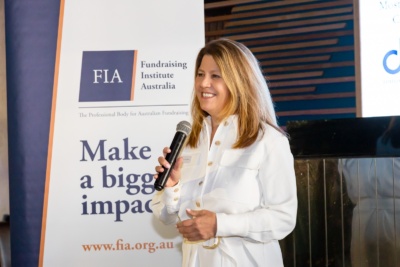
Australia’s fundraising sector is stepping into 2026 with both clear pressure and real opportunity. With research partner More Strategic, FIA hosted a webinar based on Generosity Tracker data earlier this month, outlining the latest research on public attitudes to giving.
The research shows that donations are holding steady overall, but the environment is tightening. Donor trust and attention, along with growing competition from a wide range of organisations “doing good”, are reshaping how people decide where to give.
The Generosity Tracker surveys 1,000 Australians (and, in the most recent study, about 400 New Zealanders) every six months to track generosity trends, brand dynamics, and emerging shifts in behaviour. The issues highlighted by the Tracker will be discussed in depth at the upcoming FIA Conference, to be held in Melbourne over three days from February 25. (Community Directors will be reporting on the event – ed.)
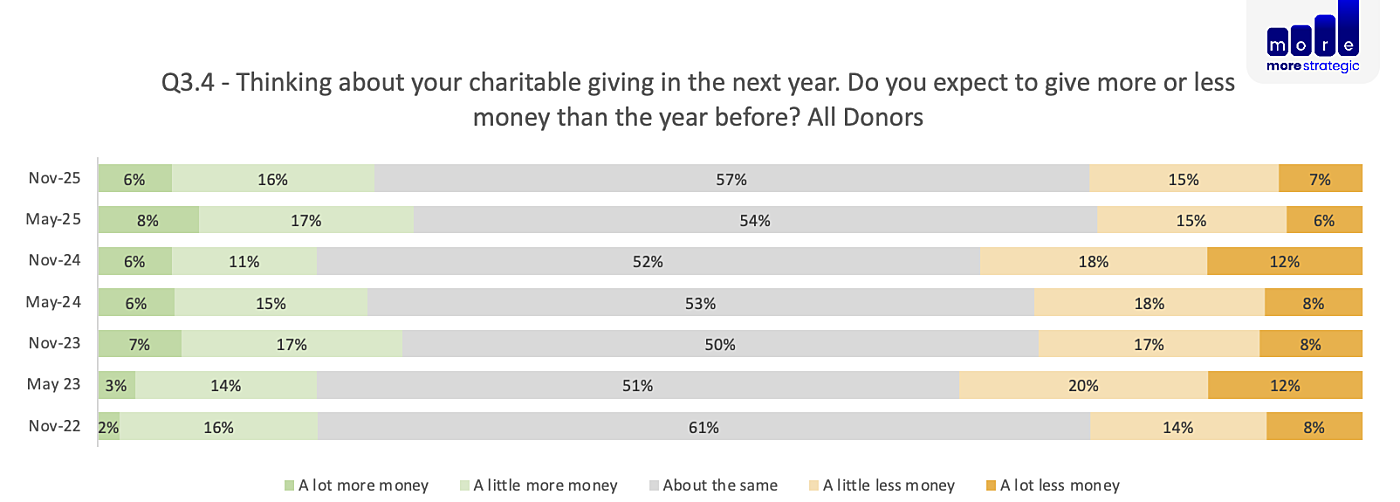
The headline finding is that donors are “disciplined”. Across recent surveys, around half of donors report giving “about the same” as the previous year, with a smaller cohort increasing their donations and a meaningful share decreasing (26 per cent gave more, 53 per cent gave the same, 19 per cent gave less than the May 2025 respondents). For higher-value donors ($500+), the pattern is similar, although a greater proportion (40 per cent) reported they gave more and 48 per cent reported they gave about the same. Considering the cost-of-living context, this steadiness is not guaranteed, it is earned. Our analysis suggests that organisations will need to work to maintain the existing level of giving.
What’s driving the pressure? The community’s top concerns are sharply focused on lived experience. In November 2025, the cost-of-living crisis sat well ahead of other issues, followed by domestic violence and abuse, mental health, and housing affordability. This aligns with the implication of the Tracker’s survey finding that fundraisers must compete and secure space in household budgets – and elevate the importance of giving so it isn’t treated as purely discretionary.
At the same time, Australians are operating in a broader “helping ecosystem.” In the last six months, most people have donated to charity, but many also report other ways of helping: buying from local/small producers, helping family and friends directly, purchasing cause-linked products, volunteering, and participating in crowdfunding. A notable 37 per cent say they have purchased from a social enterprise in the past 12 months.
These behaviours matter because donors often don’t discriminate strongly between types of helping – which means charities are competing not only with each other, but with commercial and community alternatives.
Trust remains a pivotal asset as well as a risk. The Tracker shows trust in charities has been relatively stable overall, but with important generational signals. The Builder generation (born before 1946) holds the highest trust, yet that trust is being eroded; Boomers (post ’46) show the lowest trust and the greatest decline.
This matters because these cohorts are high value, even if lower in volume. The data also reinforces what we know from practice: trust is driven by perceptions of ethical behaviour, effectiveness, transparency, and satisfaction with the donor experience. The implication: donor care is not “nice to have”; it is foundational to income resilience.
Digital engagement has risen substantially since earlier waves of this research study. Email stands out as a dominant channel across older cohorts, while Gen Z shows stronger relative engagement across platforms including YouTube and Instagram alongside Facebook and Messenger. The lesson is simple: meet people where they are, but do not confuse reach with resonance. Stories about the “who” and the impact remain the most persuasive connective tissue.
Looking ahead, the sector can act on three practical priorities.
First, design for constrained households: simplify giving, offer flexibility, and protect the regular giving experience.
Second, continue to build and protect trust: show how decisions are made, communicate trade-offs transparently, and, according to study authors Martin Paul and Karen Armstrong of More Strategic, “prebunk” misinformation before it takes hold. They also suggest organisations should target motive rather than outcomes, by which they mean fundraisers should inoculate donors against misinformation about charities by addressing likely scepticism early.
Third, tailor framing to donor needs: different donors respond to control, stability, urgency, dignity or belonging. Getting this right reduces overwhelm and improves retention.
In 2026, generosity is not disappearing – it is being reallocated across priorities and pathways. Our task as professional fundraisers is to earn a place in that reality, with clear value, credible impact, and communications that respect donors’ circumstances and strengthen trust over time.
'The most successful grantseekers apply for multiple grants, closely track opportunities, and keep their applicant information up-to-date ...'

Funding Centre data suggests funders are launching more grant rounds than ever this year, and canny grantseekers should act early, as the first quarter of the year is always a peak time for grant rounds opening.
Figures collated by Australia’s leading grants distribution platform, SmartyGrants, reveal that grants worth more than $125 billion are distributed in Australia each year. Of those, the Funding Centre database tracks 6,500 grants. This January alone, more than $17 billion was available to not-for-profits, community groups, councils and businesses.
In 2025, quarters one and three were the peak periods for grant activity, and if 2026 follows that same pattern – as established over the past three years – grantseekers should expect a large number of available grants in the first quarter. They should also prepare for a bumper third quarter, which last year saw more most grant rounds than any other time of year.
Drilling down to actual months for grant rounds to open, grantseekers should see more all-new grant offers this month, as grantmakers release refreshed programs. They should also watch for launches in April and July.
These patterns reinforce the value of strategic planning well ahead of peak periods, allowing organisations to act quickly when funding windows open.
Funding Centre analysis also shows Aboriginal and Torres Strait Islander programs remain the highest-funded grant category, followed by employment and the environment. Other areas attracting steady levels of funding include emergency and safety, infrastructure, business and industry, and community development.
Analysis by SmartyGrants shows the most successful grantseekers apply for multiple grants, closely track opportunities, and keep their applicant information up-to-date, allowing them to respond quickly as openings arise, especially in peak periods, when grant rounds open in quick succession.
Not surprisingly, grantseekers are increasingly turning to artificial intelligence (AI) tools to save time and boost productivity, with the Funding Centre last year launching the Drafter tool to help groups do so safely.
This follows the Funding Centre’s annual end-of-year survey, which again identified time and resource constraints as the biggest challenge facing grantseekers. Drafter can help grantseekers to overcome this issue.
Drafter generates draft responses for grant applications based on both organisational and grant program information, and is aimed especially at smaller organisations.
Some early adopters have reported that the tool helped them get “90 per cent of the way there”, leaving them with just editing and finessing tasks before a final submission.
The Funding Centre recommends that grantseekers combine established data insights with emerging digital tools to strengthen their funding strategies.
More top tips:
By combining research and a strategic approach with the right tools and reliable data, organisations can improve their preparedness and increase their chances of securing funding in a competitive grants landscape.
'It is time to review your reserve settings and assumptions to align with a sober assessment of the changing environment.'
American not-for-profits have discovered that their ability to tread water is not as strong as they had thought.
The US federal government's de-funding of international development agencies, women’s health, universities, schools and just about everyone else is a graphic example of being caught in a financial death spiral.
When work performed for the government is not paid for, and the supervising government agency is disbanded, you can mount all the legal challenges and media campaigns you like until your funds run out, to no avail.
In most cases, organisations’ reserves were inadequate, based on assumptions about the continuance of the old order of rules-based civility and moral decency.
It is time to have a sober look at the assumptions underpinning the size of your reserves and how long you could operate with disturbed income streams.
If you examine the Australian government contracts under which most of the sector is funded, you will find that the government maintains the contractual ability to reduce or cancel funding not only in fault situations but also ‘for convenience.’ For example, the Commonwealth’s Standard Grant Conditions, published with the standard form grant agreement template by the Department of Finance, contain a termination provision with the very words ‘for convenience’ in its heading: ‘The Commonwealth may cancel or reduce the scope of this Agreement by notice, due to … a change in government policy.’
But for the generous Australian government funding made available during the pandemic, most nonprofits would already have passed before our eyes.
It is time to review your reserve settings and assumptions to align with a sober assessment of the changing environment.
More about the US situation: National Council of Nonprofits et al. v. Office of Management and Budget et al., case number 1:25-cv-00239 https://eprints.qut.edu.au/255271
An analysis of Australian Taxation Office (ATO) annual data shows a trend of fewer taxpayers claiming deductions for gifts.

Total tax-deductible giving is barely increasing, apart from an unusual mega gift in 2023–24 to a foundation that will not distribute the funds to the sector immediately.
The Treasury’s latest annual forecast (Tax Expenditures 2025), released in December 2025, is its prediction of gifts. And if you refer to page 28, it does not show a long-term trend toward doubling philanthropic giving, which remains the federal government’s stated goal for 2030.
It is time to examine your fundraising strategies, paying particular attention to giving that may be outside the tax incentive environment, such as online giving through platforms and social media, as well as so-called “commercial” fundraising involving art unions, events and sponsorships.
That said, the Treasury predictions do not capture bequests, which may be attractive to some, as intergenerational wealth transfer is in full swing, as recently examined in The Conversation.
To understand more, I also recommend playing with the interactive table of ATO gift statistics produced by the Australian Centre for Philanthropy and Nonprofit Studies (ACPNS) here.
'The challenge we have within the philanthropic and social change sector is how we grapple with the sheer volume of uncertainty we find ourselves facing, while still working to galvanise positive change.'
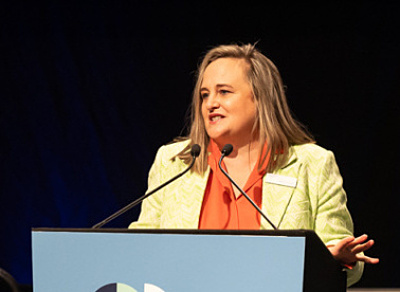
When we are asked to make predictions about the year ahead in philanthropy, there is always a pressure to come up with something meaningful, insightful and novel.
The very nature of making predictions can be confronting; none of us knows what the year ahead will bring. If 2025 taught us anything, it was that we can’t be sure about what’s ahead, or what we may be forced to confront on a national or international front.
Just a few weeks ago, many Jewish Australians were at Bondi Beach to celebrate Hanukkah with their family and friends. When two men launched an anti-Semitic terror attack, 15 lives were tragically cut short. Ordinary people became extraordinary heroes with the courage to risk their own lives to help to save countless others. Then last week, on the other side of the country, a peaceful Aboriginal protest was disrupted by a bomb threat.
Extreme heat across southeast Australia sparked a horror start to the bushfire season, and unexpected and traumatic floods devastated holiday makers in southern Victoria and wreaked havoc in northern Queensland. These natural disasters cost communities dearly in lives lost and infrastructure and livelihoods destroyed.
Whether at a personal level for those directly impacted, or at a broader level, what we know is that 2026 will be different from what we expected, and Australians are struggling to understand how to respond to each momentous event.
The challenge we have within the philanthropic and social change sector is how we grapple with the sheer volume of uncertainty we find ourselves facing, while still working to galvanise positive change.
At Philanthropy Australia, we are on the cusp of launching a new strategy to help mobilise more generosity in Australia; our strategy is built on the powerful ambition of a vision for giving which is inclusive of all Australians.
But we are conscious that strategies don’t happen in a vacuum, and we also have an opportunity in our 50th year to have bold, challenging conversations about the next 50 years of giving, the society we want to live in and how we get there together.
For this new strategy to have real power and durable impact, philanthropy needs to be in active dialogue with those on the front line of social change around important issues, including social cohesion, inclusion, climate and gender.
As sector leaders, we also need to be able to find a way into strategy that allows us to hold both short- and long-term views, responding to the moment while focusing on future challenges and opportunities. Importantly, we must galvanise hope and agency amid uncertainty and doubt.

Last October, Philanthropy Australia launched the Philanthropy Compass 2025, an outcome from our Philanthropy Leadership Summit held in Canberra in August. We chose to lead in with a powerful quote from the opening speaker at the summit, Professor Thomas Homer-Dixon, a Canadian political scientist:
Philanthropy can play a role in the deliberate development of narratives for societies that tell us how we can be in a good place – which is very different from where we are right now. That the future can be productive, it can be humane and prosperous, and people can be supported and have jobs. Philanthropy can play a role in this worldview evolution.
Dixon argues that to achieve a powerful vision for the future and support people to feel agency, we need to command hope. From our perspective, there is no greater act of hope than investing in the future you want to create through giving.
So, while we have no predictions for 2026, I am keen to share these reflections.
1. This year, there will be events and developments that are unexpected. These may occur within our organisations, in the parts of the sector or the communities we work in, or in society more broadly. They will present new challenges and tests, through which by being deliberate in our responses we can create new opportunities.
2. The choices we make in response to these events mean that as leaders, we can help to empower those who are most affected by the changes and shifts these happenings bring about.
In philanthropy, we have the unique opportunity to cultivate hope for the future by encouraging people to get involved in the powerful act of giving. Together we can invite others to join us in building a future that is more humane and prosperous.
As Philanthropy Australia celebrates its 50th anniversary, and as we launch our new strategy, we are focused on creating hope and agency through giving. We invite all Australians to participate in the creation of a more generous, inclusive and sustainable country.
Together we can mobilise generosity to shape a better future we can all share.
'Don't underestimate the power of gratitude.'

Taking a strategic approach to digital fundraising isn't easy for grassroots community organisations. No matter what happens in 2026, when you have a small team and limited resources, it can be difficult to balance setting an ambitious and inspiring target with accepting what can realistically be achieved. Here are some practical tips.
Start by asking: What impact do you want to achieve this year, how much revenue will you need to achieve that, and how will you acquire that funding? Diversify your funding sources by balancing planned giving such as grants (high value, low volume) with individual giving and peer donations (low value, high volume). This spreads risk and builds broader community support.
Equally important is having a crystal-clear proposition. Communicate clearly to your donors and supporters why your organisation exists, what problem you are solving, and the tangible value of a donation.
With limited time and resources, it's essential to focus on the platforms and channels where you already have experience and where your supporters are most active. Before chasing the latest trend, take stock of what you have: email lists, social media accounts, volunteers who are keen to initiate crowdfunding, or established community events.
A simple prioritisation exercise can help you decide where to invest your energy. List your platforms and channels, then score each one based on three factors: potential impact (how many supporters can you reach?), potential effort (how much time and skill does it require?), and existing expertise (how comfortable is your team with this tool?). Prioritise the channels that score high on impact and expertise but low on effort – these are your quick wins.
Don't underestimate the power of gratitude, especially at the start of the year. Take time in January and February to thank your supporters for what you achieved together in 2025. Share your impact, celebrate milestones, and acknowledge the support of your community. Donors who feel valued stay engaged and give again.
You can build excitement about what's ahead by inviting supporters to partner with you on this year's goals. Consider a short survey to gather feedback, or reach out to previous and potential major gift donors to refresh or establish these relationships.
As you plan digital campaigns throughout the year, think about the different stages of the donor lifecycle: awareness, interest, consideration, action, loyalty and advocacy. Have you covered all stages? Which ones are you focusing on?
Besides acquiring new donors, remember to nurture existing supporters and encourage them to deepen their commitment. Map out campaigns across the calendar, being mindful of key moments like EOFY, Giving Tuesday and Christmas, and make sure your team can manage the flow of the events throughout the year.
With thoughtful planning, clear messaging, the right tools, and genuine engagement, even the smallest grassroots organisation can build sustainable, impactful fundraising that grows year by year.
'Digital capability is no longer a “nice-to-have”. It is essential social infrastructure.'

As we look to 2026, not-for-profit leaders across Australia are grappling with a question that has been building for several years: how do we responsibly modernise our technology environment and harness emerging tools, like artificial intelligence, at a time when resources are tightening and demand for our services continues to rise?
Within that challenge lies an important opportunity. Digital technology can unlock new capability, efficiency and insight across our human-centered sector – and the bar for what is possible continues to rise. But innovation must be implemented with care. Alongside progress sit very real risks – particularly cyber security, data misuse and unintended harm – that make responsible adoption essential.
Our latest Digital Technology in the Not-for-Profit Sector Report (November 2025) reflects this tension and makes the sector’s priority clear. Data and reporting for evidence-based decision-making has risen sharply and is now the highest priority for the greatest percentage of not-for-profits, increasing from 17 per cent in 2023 to 44 per cent in 2025.
This shift reflects what many leaders are experiencing: funding bodies increasingly expect evidence of impact or evidence-based program design, donors and stakeholders are more engaged when insights are transparent, and effective AI systems rely on strong, well-governed data foundations. Yet significant concern remains about the ethics, safety and vulnerabilities associated with how our sector collects, manages, stores and uses data.
Beyond data, the most pressing issue for not-for-profit leaders in 2026 is developing a safe, ethical and purposeful approach to artificial intelligence, not only within their organisations, but across the communities they serve.
Artificial intelligence has real potential to strengthen social justice outcomes, and we are already seeing meaningful examples across the sector. But more importantly, the not-for-profit sector is uniquely placed to shape how AI is used across the Australia economy and society more broadly. Our organisations are deeply connected to communities. We understand, at a deeply personal level, how technology decisions can affect people’s lives.
In 2026, the sector must be a clear and confident voice in shaping how AI is implemented. That means listening closely to what communities are already calling for and experimenting with, whether in access to information, developing content, counselling and companionship, education and support, or ensuring strong guardrails are in place. It also means working collectively with peak bodies and policymakers to advocate for safe, ethical and responsible use.
Our latest report shows that AI adoption has doubled in the past year, with the vast majority of staff and volunteers now using the technology, yet only 14 per cent of organisations have an internal AI policy or governance framework. This gap in skills, safeguards and governance risks widening inequality rather than reducing it. Put simply, the horse has bolted, and leadership must catch up.
For leaders, this places governance, ethics and accountability firmly on the 2026 agenda. Transparency about how AI is used, maintaining a human in the loop, protecting and managing data appropriately, and actively mitigating bias are no longer optional, particularly for organisations working with vulnerable communities.
Equally critical is ensuring innovation does not happen to communities, but with them. The principle of “nothing about us without us” must underpin how data and emerging technologies are designed and deployed. Communities of practice, lived-experience-led design and genuine co-design are essential to achieving lasting, equitable impact.
Cyber security remains an urgent and unresolved challenge. Our 2025 report found that only 23 per cent of organisations have a documented cyber security plan, a figure that has stagnated despite escalating threats. For leaders in 2026, the question is no longer whether a cyber incident will occur, but when, and whether teams are prepared to respond.
All of this is unfolding amid intense financial pressure. Fifty-nine per cent of organisations cite budget and funding constraints as their top challenge, even as expectations that they will modernise continue to grow. In this environment, collaboration, shared learning and sector-wide capability building are not optional, they are critical to meeting rising community need.
The message is clear: digital capability is no longer a “nice-to-have”. It is essential social infrastructure. How leaders respond in 2026 will shape the sector’s ability to deliver safe, effective and equitable services for years to come.
At Infoxchange, our vision is technology for social justice, and we exist to support the sector on this journey.
Practical, free support is available through our Digital Transformation Hub, including policy templates, webinars on the responsible use of AI, cyber security, building data capability, in-person consultations, and real-world case studies from the AI Not-for-Profit Learning Community.
Artificial intelligence and governance webinar ($99 for Community Directors members)
Community Directors: Technology advice guides | Artificial intelligence guidance
Community Directors Intelligence AI special report
'AI is already woven into how we work and leaders must keep pace.'

In 2026, the key question for not-for-profit (NFP) leaders isn’t whether to use artificial intelligence (AI) – it’s how to govern it. AI tools like ChatGPT, Canva, grant-writing platforms and customer relationship management (CRM) systems are now embedded in fundraising, communications, service delivery and decision-making. That brings benefits, but it also creates risks that boards and executives can no longer ignore.
AI is no longer a productivity tool on the sidelines. It’s now part of how organisations think, decide and act.
Boards are expected to ensure that AI use is responsible, mission-aligned and trustworthy.
Earlier this year, I worked with a small but ambitious environmental organisation. Its team was already using AI tools, but without clear oversight.
We ran a workshop with staff and board members and the outcome wasn’t a new tech strategy – it was shared clarity. Together, they identified where AI was in use, how it could support work more consistently, and which tools made sense for which roles.
The board gained visibility, staff gained confidence and governance improved – not through new technology, but through alignment.
This kind of shift is increasingly necessary. AI is already woven into how we work and leaders must keep pace.
AI is adding value across the sector: saving time, improving access, helping target resources. But unmanaged use creates risks of privacy breaches, biased outputs, reputational harm and decisions that drift from purpose.
Boards may not know what tools are in play, what data is being shared, or how frontline staff are identifying flawed AI outputs. That kind of gap in oversight isn’t sustainable.
The risk isn’t that charities are using AI. It’s that they’re using it without clear leadership, boundaries or accountability.
One of the most common misconceptions is that AI is just an operational concern – something for the tech or comms teams. In reality, AI now belongs in the same governance conversations as financial risk, cyber security and safeguarding.
That doesn’t mean directors need to be technologists, but it does mean they need to ask:
Boards don’t need to manage the tools, but they must set the boundaries.
Australia’s policy environment is shifting rapidly.
In 2024, the federal government consulted on mandatory guardrails for high-risk AI systems. Last year, it adjusted its approach, with the National Artificial Intelligence Centre (NAIC) releasing its Guidance for AI Adoption (widely known as the AI6 framework). It outlined practical governance principles: transparency, accountability, risk management and human oversight.
The federal government’s National AI Plan, launched in December 2025, confirmed that organisations – including NFPs – are now expected to manage AI risks within existing legal and ethical frameworks.
As a member of the Community Directors Council, I’ve seen how intermediaries like Community Directors and Our Community are helping NFPs to implement the responsible use of AI by providingpolicy templates, training and practical resources.
Community Directors is also working to translate evolving national AI policy into day-to-day leadership practice, recognising that most NFPs don’t have the time or in-house expertise to track national AI developments.
And it’s working to incorporate the ethical use of AI into all governance training and leadership programs, rather than presenting AI as a standalone “tech issue”.
The best-prepared organisations aren’t necessarily the most advanced. They’re the ones with strong foundations, which means in practice:
• Clear principles – They have in place values-based guidelines on how AI is used
• Board visibility – They track and discuss AI use as part of risk reporting
• Defined boundaries – AI supports their work, but doesn’t replace their judgement
• Capability building – They train staff to use AI critically, not just efficiently
• Integration – AI is embedded in governance, not bolted on as an afterthought.
For boards and chief executives, here’s where to start:
NFP leaders know that AI is changing how their organisations raise funds, communicate and deliver services. The big task this year isn’t just adopting more tools, it’s governing the tools already in use in ways that strengthen trust among members, clients and stakeholders and help organisations stay true to their purpose.
Artificial intelligence and governance webinar ($99 for Community Directors members)
Community Directors: Technology advice guides | Artificial intelligence guidance

Community Directors Council member and Nyiyaparli woman Jahna Cedar believes First Nations leaders must look at ways Aboriginal communities can employ technology in a way that is culturally safe.
“For the Aboriginal community-controlled sector, one of the most critical issues in 2026 is how to navigate rapid technological change, particularly artificial intelligence (AI), without compromising cultural authority, Indigenous cultural and intellectual property (ICIP), and self-determination,” Cedar said.
“There is significant risk aversion in this space, driven by uncertainty and the potential for long-term harm.”
Cedar said that Aboriginal Community Controlled Organisations (ACCOs) were increasingly being encouraged to adopt AI-driven tools for service delivery, reporting, workforce management and compliance.
“While these technologies promise efficiency, they also introduce serious risks, including the extraction of cultural knowledge, loss of narrative control, misuse of cultural data, and decision-making that lacks cultural context.
“Without strong governance, AI systems can quietly reproduce the same power imbalances the sector has spent decades working to challenge.
“The central question for leaders in 2026 is how to strengthen digital and corporate capability without eroding cultural authority, and how to ensure AI supports self-determination rather than undermines it.”
She said the response should be clear.
“Indigenous cultural and intellectual property must be treated as core infrastructure, not an afterthought. This requires building AI literacy at board level, embedding Indigenous Data Sovereignty principles, and redefining success beyond efficiency to include cultural safety, consent and control.”
Evaluation platform puts sovereignty back in First Nations hands

Maddocks partner Lindy Richardson has told Community Directors Intelligence the law firm will highlight two employment-related matters of great interest to not-for-profits in 2026.
“Notforprofits are continuing to navigate a fastshifting industrial relations landscape, with two trends standing out as particularly important: the rise of multiemployer bargaining and increasing scrutiny on wage compliance,” Ms Richardson said.
Richardson said multi-employer bargaining was “gaining real traction across community focused sectors, especially where organisations share similar workforce profiles and funding constraints”.
The term refers to a collective negotiation process where multiple employers bargain with employee representatives for a single, unified enterprise agreement covering wages and conditions across several workplaces, rather than separate agreements for each organisation.
“Recent activity across local government, health and early education services reflects a growing appetite by employees (and their representatives) to use multiemployer bargaining to seek to lift wages, improve conditions and enhance workforce stability.
“The Fair Work Commission is also showing a willingness to engage with broader, sectorwide claims, which is prompting NFPs to prepare more strategically for bargaining processes and to better understand how shared claims may influence their operations.”
Richardson nominated wage and payroll compliance as a “high risk area” for not-for-profits because of the continued rollout of criminal wage theft laws and heightened regulatory scrutiny of underpayments.
“For NFPs – many of whom manage complex rostering, multiple funding streams and diverse award coverage, including the complex SCHADS Award – there is a renewed emphasis on proactive compliance: ensuring accurate award classification, auditing payroll systems and documenting employment practices to meet legislative obligations.
“Wage compliance is also increasingly important in respect of broader governance expectations, requiring boards and executive teams to maintain clear oversight.”
Richardson nominated SCHADS award changes affecting “sleepovers”, which have long been unclear, as an area of concern. A sleepover occurs when an employee stays overnight at a client’s premises to be available if required, rather than to work continuously. The key issue has been whether sleepovers form part of a continuous shift, which would trigger additional penalties such as the 15 per cent night shift loading.
This uncertainty was addressed in the Federal Court decision Jats Joint Pty Ltd v Fair Work Ombudsman [2025] FCA 743. The Court found that sleepovers are separate and distinct from ordinary shifts and do not attract shift penalties, although the decision is subject to appeal, and the Fair Work Commission is reviewing the sleepover provisions.
Separately, the Fair Work Ombudsman released a “payroll remediation program guide” to help larger employers identify and correct underpayments under the Fair Work Act. The guide outlines best-practice steps for conducting payroll audits, calculating back payments, engaging with affected employees, and making voluntary disclosures. It reflects heightened regulatory scrutiny following major underpayment cases and underscores the importance of proactive payroll compliance in the not-for-profit sector. Read more about those developments here.
Finally, a Maddocks analysis of employment law trends published late last year highlighted the push for flexible work arrangements, claims to the Fair Work Commission, and unfair dismissal claims.
The snapshot of trends also showed that the national gender pay gap remains at 11.5 per cent, the superannuation guarantee has been increased to 12 per cent, and paid parental leave has been increased by a fortnight to 24 weeks.
Maddocks suggested that employment law changes had compliance, risk and regulatory implications across many not-for-profit sectors, including healthcare and education.
Managing the executive: The board’s role in addressing underperformance, Thursday, February 26 ($99 for Community Directors members, hosted by Maddocks)
Engaging volunteers: tips for navigating the legal landscape, Wednesday, March 4 (free!)

Leadership today is too complex to tackle alone.
It’s increasingly clear that the demands of for-purpose leadership exceed the capacity of any one individual or organisation. The sector is navigating economic pressure, workforce fatigue, rising demand, rapid change and increasing accountability – often all at once. Yet many leaders continue to carry these responsibilities quietly, and alone.
Today’s leaders must be intentional about where they seek perspective, diversity of thought and shared wisdom. Recognising that leadership shouldn’t be a solitary task is not weakness – it’s a mark of strong and responsible leadership.
One of the most consistent traits of effective leaders is their commitment to connection beyond their own organisation. They don’t wait for insight or support – they seek it. They engage peers, share challenges openly, and learn from others navigating similar complexity.
When leaders come together in trusted environments, conversations shift. The focus moves beyond reporting and updates to the real strategic, operational and personal questions leaders are grappling with. Ideas are tested, assumptions challenged, and new ways of thinking emerge.
These connections also provide something equally important: emotional support. Leadership can be isolating. But having a chance to speak honestly with peers who understand the weight of responsibility, the uncertainty of decisions, and the human impact of those choices creates shared understanding that’s hard to replicate elsewhere.
These are opportunities for leaders to be reassured that their experiences are not unique, a perspective that normalises challenge, and builds confidence. This combination of shared insight and support strengthens decision-making, builds resilience and reduces the isolation that often accompanies senior leadership roles.
The value of connection isn’t limited to boards, CEOs and executives. People at all levels benefit from opportunities to share ideas and learn from peers. These connections support innovation, challenge assumptions, strengthen culture and build trust.
In a hybrid and increasingly remote working environment, connection can’t be left to chance. While flexibility brings benefits, it also reduces informal learning and spontaneous collaboration. Leaders must be deliberate about creating opportunities for teams to come together – for shared learning, reflection, problem-solving, support, and greater resilience.
Building better connections begins with leaders being thoughtful about where and how they engage. This might mean prioritising sector events and peer learning forums, choosing in-person connection where deeper conversation is needed, and creating safe spaces within teams for honest dialogue.
Encouraging learning across teams, organisations and disciplines – and modelling curiosity and openness – signals that connection and shared learning are valued.
For teams looking for practical ways to build connection, the Atlassian Team Playbook offers free, research-based activities designed to bring people together around meaningful work.
The most effective leaders prioritise connection and resist the urge to withdraw or cancel engagements when the pressure is high. Instead, they understand that difficult and complicated times are precisely when connection matters most.
In my role as CEO and founder of For Purpose Alliance, I see the power of open, peer-based connection every day through our Peer Leadership Hubs. Over more than a decade, I’ve seen these conversations provide clarity, confidence and renewed momentum.
Leadership has always been about people, which is why the ability to connect – thoughtfully, intentionally and with care – may be one of the most important leadership capabilities we can have.
More about For Purpose Alliance | Free FPA 'Discovery Day'
Open all of the text boxes in this report to print a copy for members of your organisation. If you found this special report helpful, share this web link with your friends. Contact us if you’d like to reproduce a segment.
Community Directors help: Training | Tools and Resources | Policy Bank | Agony Uncle | Board Matching Service | Free publications | Books | Not-for-profit Happy Hour (Facebook)
Posted on 15 Oct 2026
Good cybersecurity must be the foundation of not-for-profits’ efforts to adopt artificial…

Posted on 15 Oct 2026
A few years ago, I sat on a small community board that was still held together by email threads and…

Posted on 15 Oct 2026
“Build a better mousetrap, and the world will beat a path to your door”, the old saw goes.…

Posted on 15 Oct 2026
The nation's digital inclusion advocate is pushing for more equity in the rollout of AI in light of…

Posted on 15 Oct 2026
Not-for-profit leaders should be conducting regular “fire drills” that replicate AI-powered…

Posted on 15 Oct 2026
Boards that leave cybersecurity to the one director with IT expertise are leaving their…

Posted on 15 Oct 2026
Community Directors has a warehouse-style office filled with artworks, and if I glance up towards…

Posted on 15 Oct 2026
As the manager of a palliative care service, Stephanie Kirkman Meikle has learnt that the prospect…
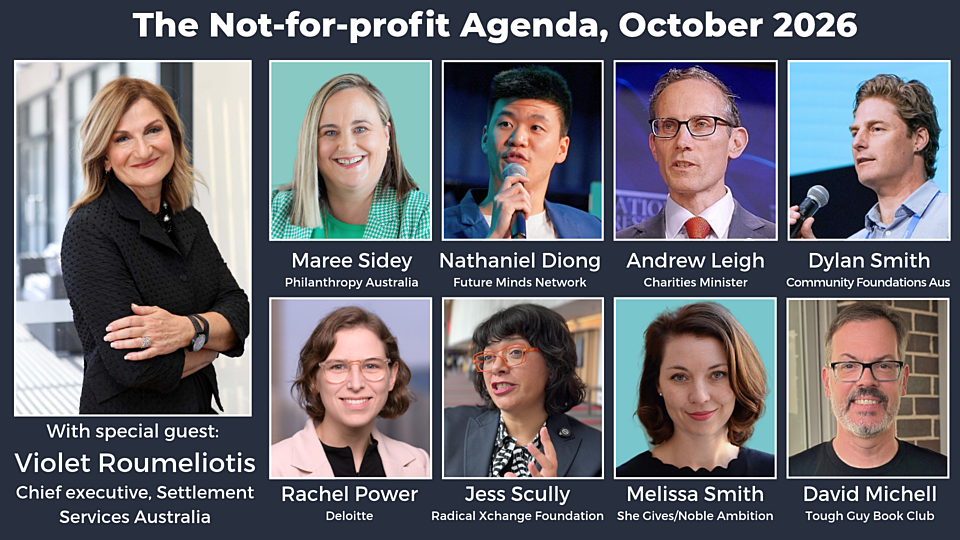
Posted on 14 Oct 2026
A special guest with her finger on the pulse of one of the biggest issues facing Australia –…

Posted on 17 Sep 2026
Australia’s biggest gathering of philanthropists, which drew more than 1200 delegates to Brisbane…
Posted on 17 Sep 2026
Experts in Australian philanthropy say there are stark differences between philanthropic money and…

Posted on 17 Sep 2026
One of Australia’s foremost fundraising observers says Australian not-for-profits must get the…