Philanthropists ask: Can we forge a better future?
Posted on 17 Sep 2026
Australia’s biggest gathering of philanthropists, which drew more than 1200 delegates to Brisbane…
Posted on 10 Dec 2025
By Matthew Schulz, journalist, Institute of Community Directors Australia

As a qualified yoga instructor who learned the practice in her hometown of Mumbai, Ruhee Meghani understands balance better than most, and says not-for-profit leaders can use it more effectively to improve their wellbeing.
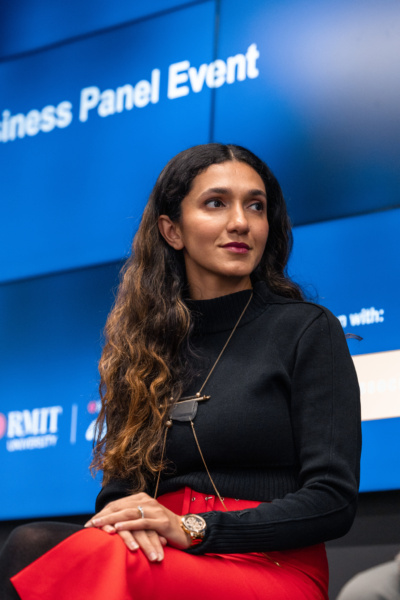
Meghani, a recent graduate of Community Directors’ Joan Kirner Emerging Leaders Program, is using what she learned in the six-week intensive leadership development course to build on her work as the founder of Allied Collective, which she describes as the nation’s first “inclusive facilitation and wellbeing practice”.
Her organisation provides workshops “at the intersection of leadership, culture and wellbeing”, helping leaders avoid burnout and improve performance.
“I come from a blend of studying psychology and business management, teaching yoga and yoga philosophy for over 13 years, and I’ve always been fascinated by how humans think, connect and grow.”
Meghani said all leaders seek to achieve the best versions of themselves and to do meaningful work, without burning out.
“With burnout now a defining – even ‘trending’ – feature of modern workplaces, it’s never been more important to relearn what wellbeing means, how leadership influences it, and how we can create environments that support both.”
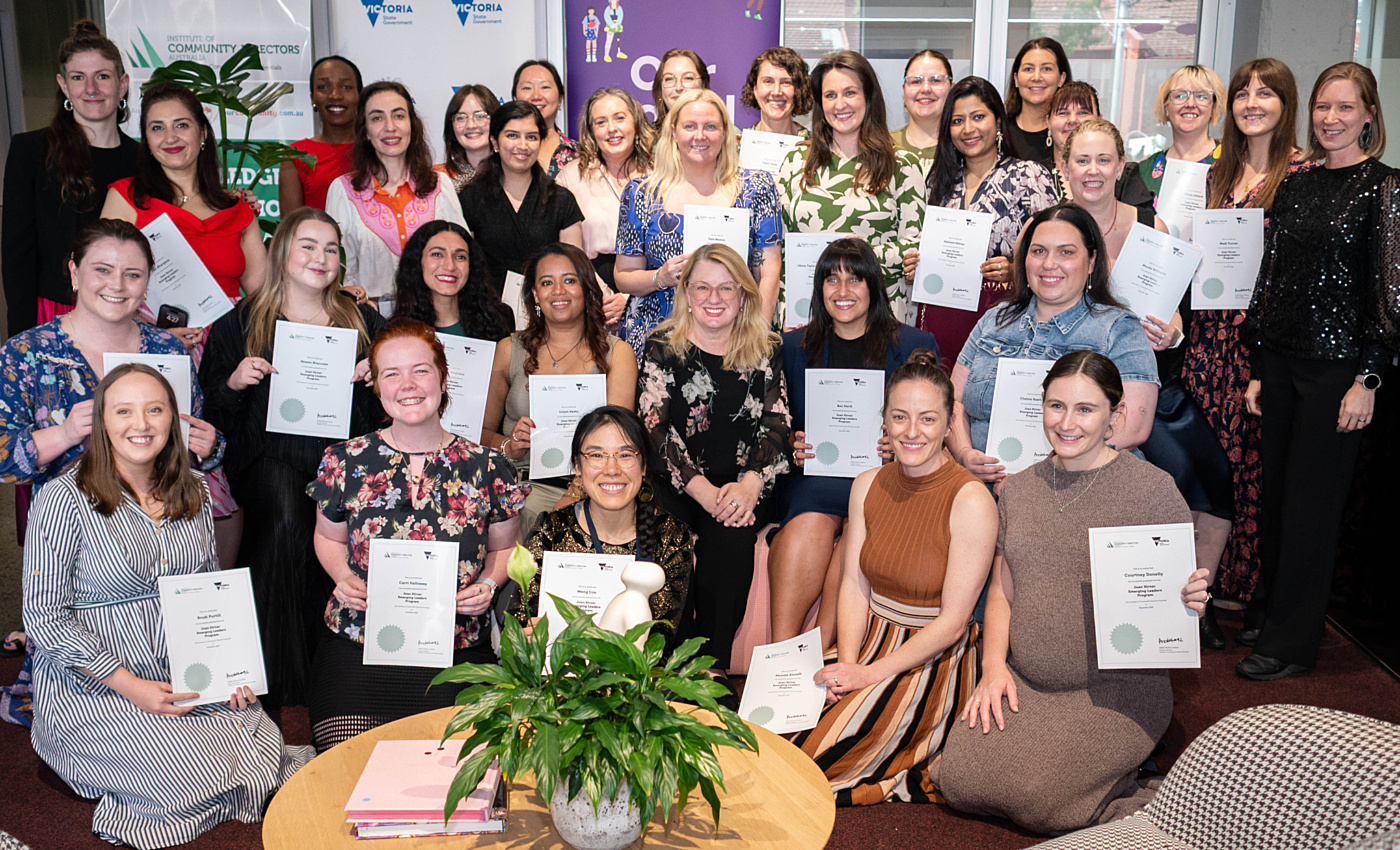
Meghani said the Joan Kirner Emerging Leaders Program had reinforced some key leadership insights. Among the most memorable:
Those lessons were relevant even to “the most seasoned leaders”, she said.
“The Joan Kirner program reinforced that great leadership isn’t about having all the answers, it’s about expanding your capacity to listen, adapt and hold space for complexity alongside fellow leaders who share your values.”
“Don’t boo yourself off the stage before you even get on it. Back yourself. Do the thing you’re scared to do. Future you will thank you for every courageous, messy, magic-making step.”
She said her own varied career and experiences had also shaped her leadership style.
Meghani’s experience with the medical system after being diagnosed with endometriosis – which affects up to one-in-seven people in Australia – prompted her to launch “Healing in Colour”.
The group is described as the nation’s first movement for women of colour facing endometriosis and other chronic conditions. The movement addressed medical gaslighting, misogyny, racism and culturally inappropriate care.
The work, which involved several women sharing their own stories, drew on the same inclusive wellbeing approaches used in her business.
“Navigating endometriosis and recognising the lack of conversation around women of colour … sharpened my voice … When one person shares bravely, others feel permission to do the same. Leadership is storytelling, but it’s also holding space for stories that have never been heard before.”
That experience alongside her broader career has deepened an understanding of her capabilities.
“My biggest [career] lesson has been this: know your boundaries and honour them. It’s the foundation of self-trust. I’ve learned to be afraid and do it anyway, and to remember that I’m not meant for everyone. The right people find you when you show up as yourself.”
If she could speak to her younger self, her advice would be simple.
“Don’t boo yourself off the stage before you even get on it. Back yourself. Do the thing you’re scared to do. Future you will thank you for every courageous, messy, magic-making step.”
Speaking as both a yoga practitioner and a leader, Meghani said “balance” was often misunderstood.
“Balance is a bit of a mirage. For leaders, it’s more about aligning with your values and knowing where your energy is most needed. Real balance comes from self-leadership – emotional regulation, clear priorities, and the ability to navigate uncertainty without spiralling.
“I meet so many leaders who are highly dysregulated but blame their ‘processes’ instead. Spoiler: that’s not the issue. Burnout isn’t just a productivity cost – it’s physical, emotional and spiritual depletion. But with the right skills and support, it’s preventable.”
It is a philosophy Meghani applies in her own organisation.
“As a solopreneur who bootstrapped everything from scratch, I wear more hats than I care to admit. It’s rewarding, but it’s also humbling. The biggest lesson is this: just because you can do everything doesn’t mean you should. I’m still learning that, and maybe I’ll write a book about it someday.”
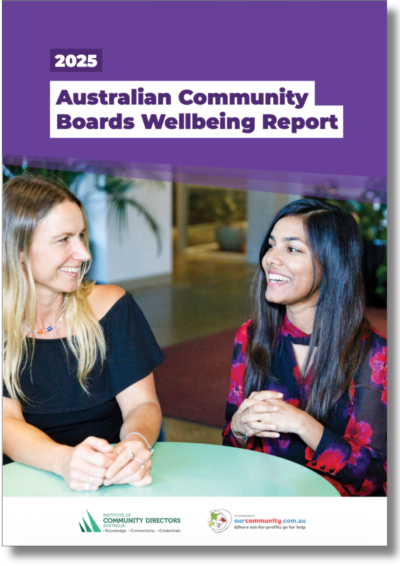
Meghani said that the recent Australian Community Boards Wellbeing Report, published by Community Directors, showed that more work was needed to boost inclusion.
“Reading that 80 per cent of people feel respected for their identity and values is encouraging, but it also highlights a gap we can’t ignore,” she said.
“Wellbeing isn’t one-size-fits-all, and the world hasn’t been set up for everyone to be well. It doesn’t look the same across cultures, genders, neurotypes or lived experiences. Someone may excel physically yet be struggling deeply in their social or mental wellbeing. This needs to change. We need more research and investment into equitable wellbeing approaches that recognise these differences.
“Inclusion isn’t a bonus feature of wellbeing; it’s the foundation.”
That view underpins the work of Allied Collective, which delivers workshops and training “in environments where complex conversations can unfold with neutrality, humanity and care”.
“We operate with the principle of ‘nothing for you, without you’, which means looking at who’s in the room, what do they need, and what do they actually want to shift?”
The organisation combines the insights of leadership development, organisational psychology, wellbeing science and cultural capability to help teams improve.
As Meghani puts it, “inclusive facilitation is our jam”, and the organisation helps leaders cope with “advocacy burnout”, provides inclusive leadership training, conducts organisational wellbeing assessments, and builds cross-cultural collaboration.
The aim, she said, was to help organisations understand their people, address systemic barriers “and build environments where performance and wellbeing work together”.
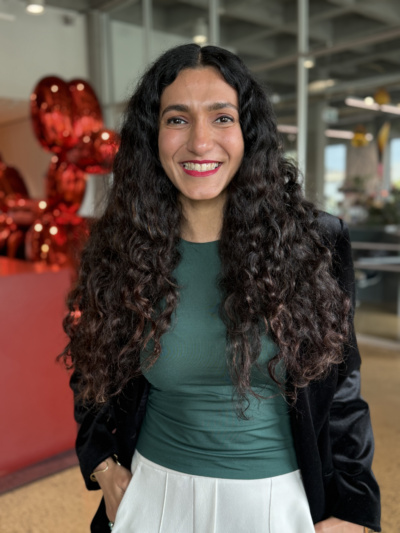
Meghani believes there is significant room for improvement in organisational wellbeing.
“We’re facing rising dysregulation among leaders, ‘tick-box’ wellbeing and inclusion efforts that confuse more than they help, and a universal discomfort with giving and receiving difficult feedback.
“Many workplaces claim psychological safety, but very few practise it.
“Some of the best organisations I’ve worked with – in terms of engagement, performance and retention – consistently have hard and uncomfortable conversations.”
She said emotionally intelligent leaders realised that “if your team isn't well, it will lead to a toxic workplace”.
“Wellbeing at work means being able to have healthy boundaries and not burning out. The opportunity is enormous: we can build workplaces where people feel safe, connected and well.”
She said there were three practical things leaders could do:
Posted on 17 Sep 2026
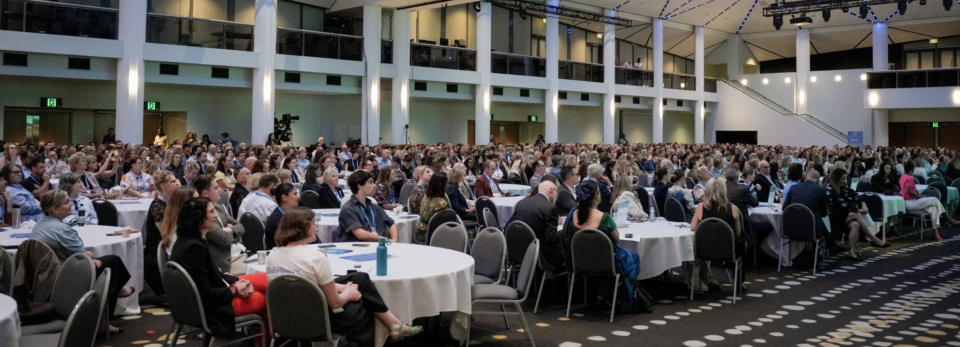
Australia’s biggest gathering of philanthropists, which drew more than 1200 delegates to Brisbane…
Posted on 17 Sep 2026
Experts in Australian philanthropy say there are stark differences between philanthropic money and…

Posted on 17 Sep 2026
One of Australia’s foremost fundraising observers says Australian not-for-profits must get the…
Posted on 17 Sep 2026
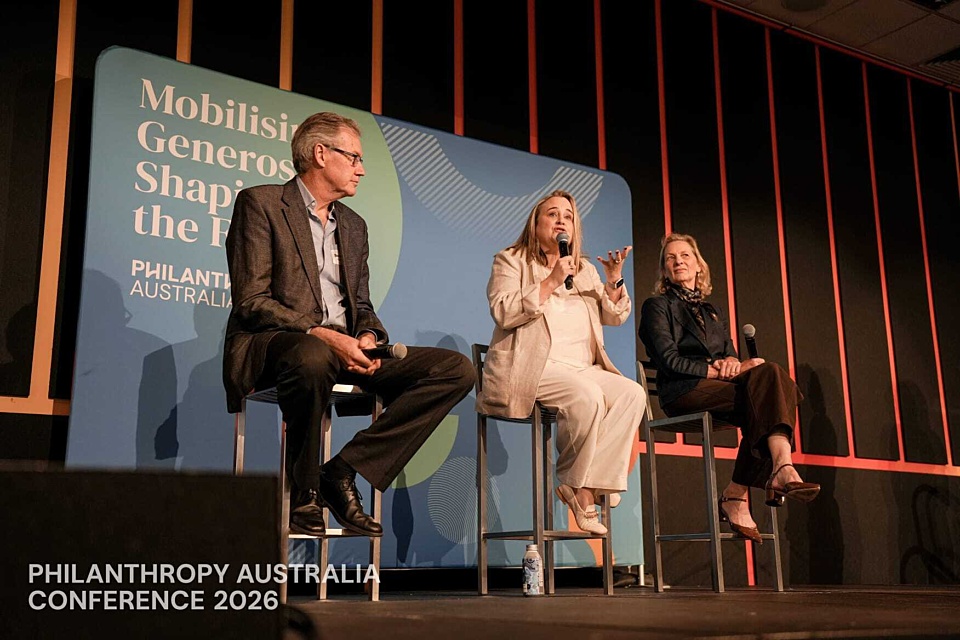
As direct giving dries up, charities face growing dependence on big donors and negotiating the…

Posted on 17 Sep 2026
Charities reported $14.8 billion in donations and bequests last financial year, the second-highest…

Posted on 17 Sep 2026
My father often googles my name, and as a result, years ago, I received a surprising gift in the…
Posted on 17 Sep 2026
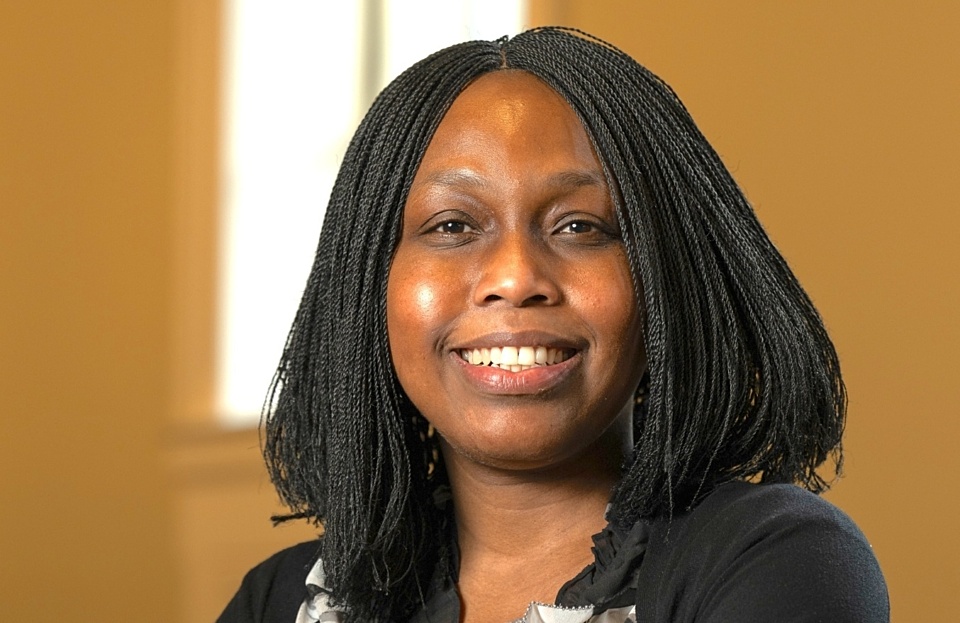
Where Evelyn Mugisha grew up in rural Uganda, the subjects and careers considered suitable for…
Posted on 09 Sep 2026
A global gathering of philanthropists in Brisbane this week is aiming to tackle society’s biggest…
Posted on 09 Sep 2026
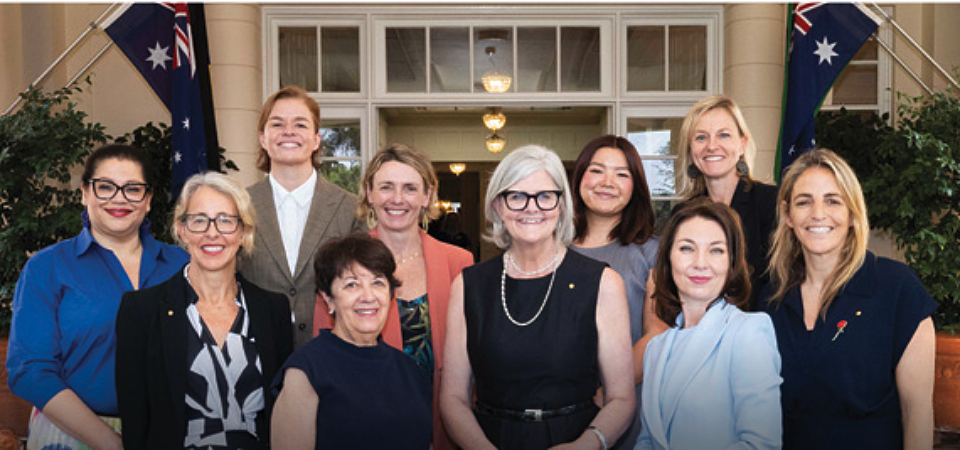
Media attention about women's philanthropy has more than doubled in three years, according to new…
Posted on 26 Aug 2026
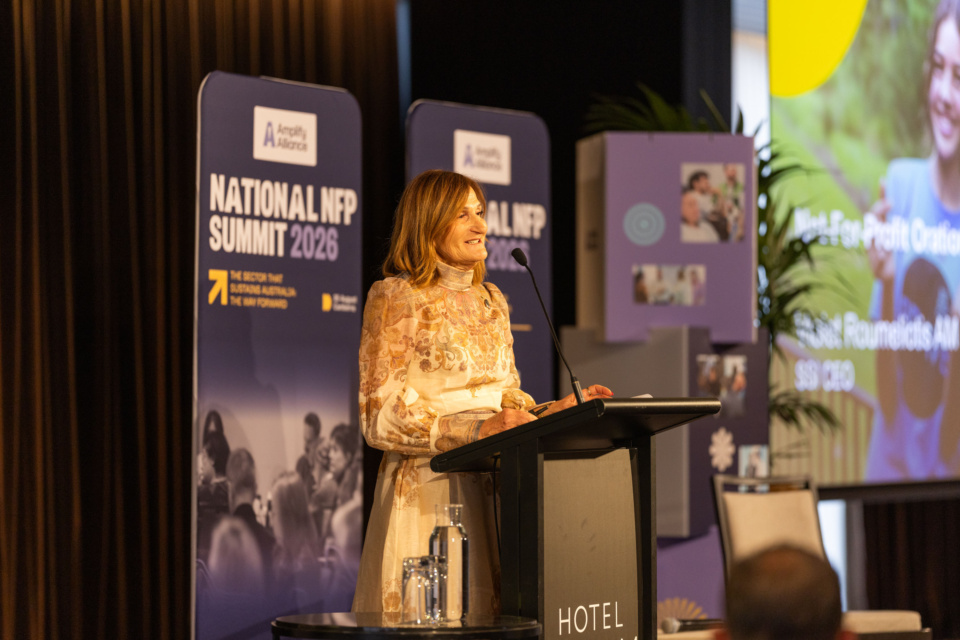
Sector leader Violet Roumeliotis has called on funders to stop treating not-for-profit…

Posted on 13 Aug 2026
As a teenager, I attended summer camp for seven years, first spending two weeks at a time camping…

Posted on 13 Aug 2026
Not-for-profits are full of people with great ideas, but that doesn’t mean they are set up for…