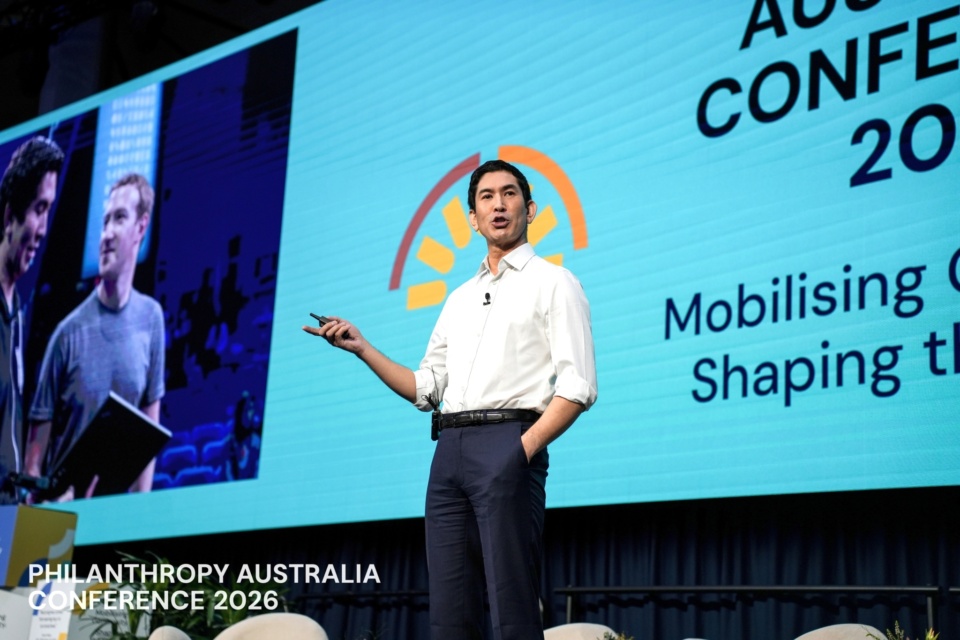
Philanthropists ask: Can we forge a better future?
Posted on 17 Sep 2026
Australia’s biggest gathering of philanthropists, which drew more than 1200 delegates to Brisbane…
Posted on 14 Aug 2025
By Nina Laitala, training lead, Institute of Community Directors Australia

Leaders in the not-for-profit sector are no strangers to burnout. With deep commitments to social change and community wellbeing, many find themselves stretched beyond capacity.
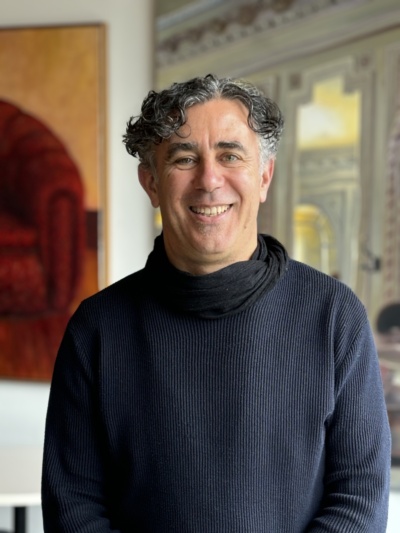
Community Directors trainer Jon Staley has learned the hard way that personal wellbeing is the bedrock of good leadership. It was the central theme of his Leadership Week webinar last month.
Staley teaches strategies to protect leaders’ energy, reduce stress, and support sustainable leadership. That knowledge comes from his own experience in the community sector, and as a former high school teacher, social entrepreneur, filmmaker and writer.
He believes there is a close relationship between wellbeing, leadership and organisational culture.
Staley began his leadership path at an inner Melbourne high school, where he was part of a team rebuilding the school’s culture after a community-led reopening.
“We had to meet students as they were… but also have a sense of an aspiration for what we could see in them,” he said.
Working closely with community leaders, artists and Koorie educators, Staley and his colleagues built an empowering culture that gave students voice, ownership and pride, and a sense of connectivity and purpose.
But the work was intense and emotionally consuming. After several years, the intensity became unsustainable.
“We were pushing the system right to the edge,” Staley said. “Wonderful kind of work, but very intense.”
He left the school with an increased drive to empower young people experiencing disadvantage to find connection through the arts.
"For a decade, I was running with one foot off the edge of the cliff."
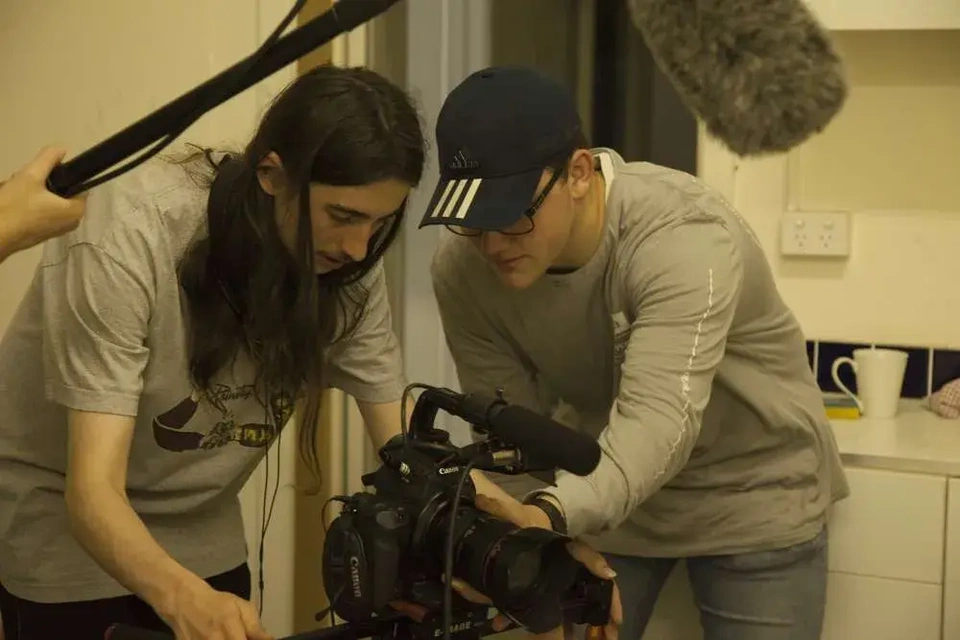
This drive led him to establish Youthworx, a social enterprise that used creative media to engage young people experiencing homelessness and marginalisation.
“For a decade, I was running with one foot off the edge of the cliff,” Staley said.
“Eventually, that mode of working caught up with me physically.” While the work was innovative and had a real impact, it came with isolation and the burden of carrying too heavy a load.
“I didn’t feel like I had the same level of support I’d had working as part of a circular team at the school. It was quite lonely work at times.”
These experiences shaped how Staley now thinks about systems and leadership.
“In the old days, I was running off trying to change the world. But I wasn’t doing it in a way that was personally sustainable – and ultimately that becomes a risk for you and the environments you're in as well.”
He now has a deeper understanding of how culture, strategy and systems interact.
“There needs to be enough systems and structures in place … that provide clear and healthy parameters, while not being oppressive,” Staley said.
He believes wellbeing should be embedded in the day-to-day functioning of an organisation, whether that means holding regular team debriefs or ensuring that relationships between chair and CEO, or between board and staff, are thoughtful and valued rather than based on compliance. For instance, “in a healthy context, the CEO and the board have a relationship where there’s both support and accountability.”
Today, Staley prioritises wellbeing as foundational. “Now I put time into maintaining my own personal wellbeing as the bedrock of anything else.”
His daily practice includes reading, journalling and walking by the river. “That’s time for reflection. To process my own stuff.” He also leans on mentors and critical friends, and uses a framework of circles of control, influence and concern to stay focused.
So what does Staley want leaders to remember?
“Try and deeply care for yourself, as well as for your community,” he said. “Accept the responsibilities of your role and really honour them, but let go of the things you can’t control. You can’t do it all. And you need support and teams.”
Community Directors' Jon Staley and Adele Stowe-Lindner are speakers at the Benefolk Wellbeing Summit (Aug 29-Sep 17). Their Monday, September 8, presentation on wellbeing governance features great tools and the results of a new sector survey. Use the code ICDA25 for a 25% discount. Learn more and register
Posted on 17 Sep 2026
Australia’s biggest gathering of philanthropists, which drew more than 1200 delegates to Brisbane…
Posted on 17 Sep 2026
Experts in Australian philanthropy say there are stark differences between philanthropic money and…

Posted on 17 Sep 2026
One of Australia’s foremost fundraising observers says Australian not-for-profits must get the…
Posted on 17 Sep 2026
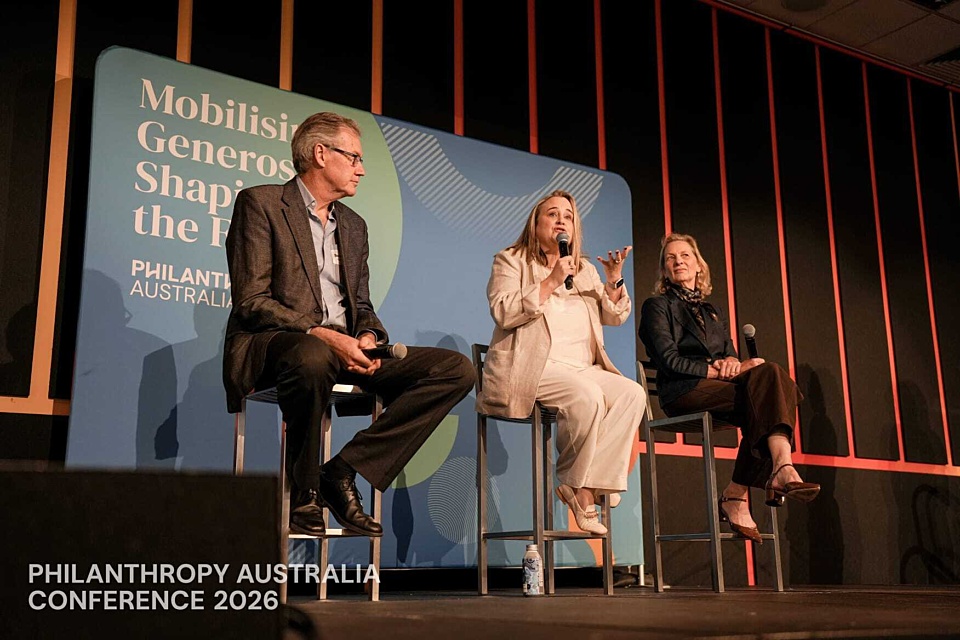
As direct giving dries up, charities face growing dependence on big donors and negotiating the…

Posted on 17 Sep 2026
Charities reported $14.8 billion in donations and bequests last financial year, the second-highest…

Posted on 17 Sep 2026
My father often googles my name, and as a result, years ago, I received a surprising gift in the…
Posted on 17 Sep 2026
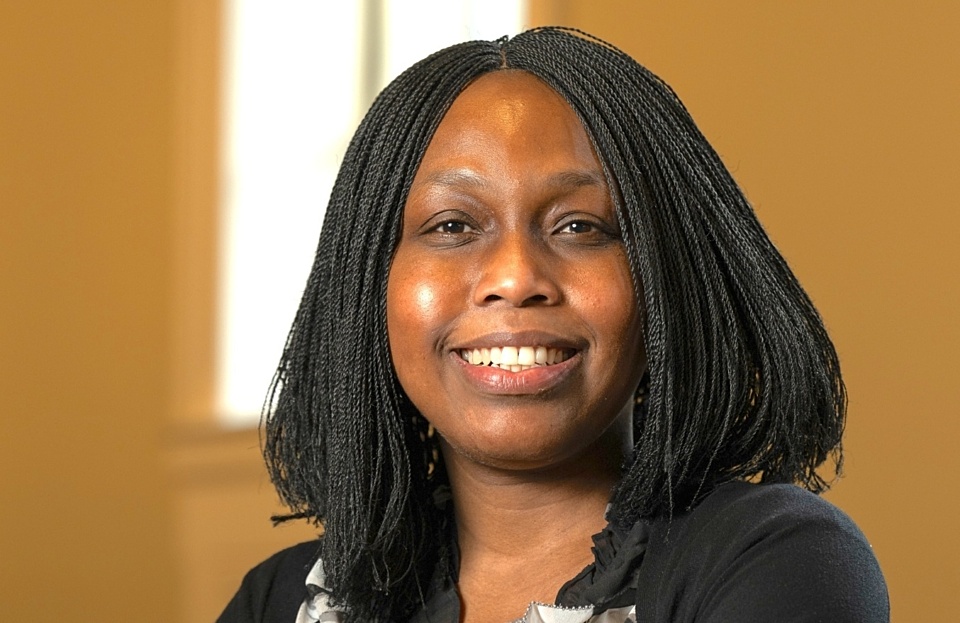
Where Evelyn Mugisha grew up in rural Uganda, the subjects and careers considered suitable for…
Posted on 09 Sep 2026
A global gathering of philanthropists in Brisbane this week is aiming to tackle society’s biggest…
Posted on 09 Sep 2026
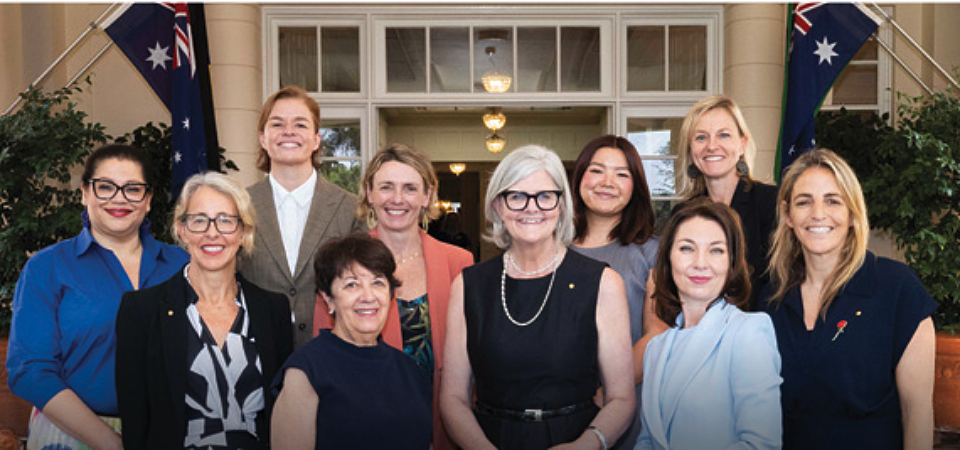
Media attention about women's philanthropy has more than doubled in three years, according to new…
Posted on 26 Aug 2026
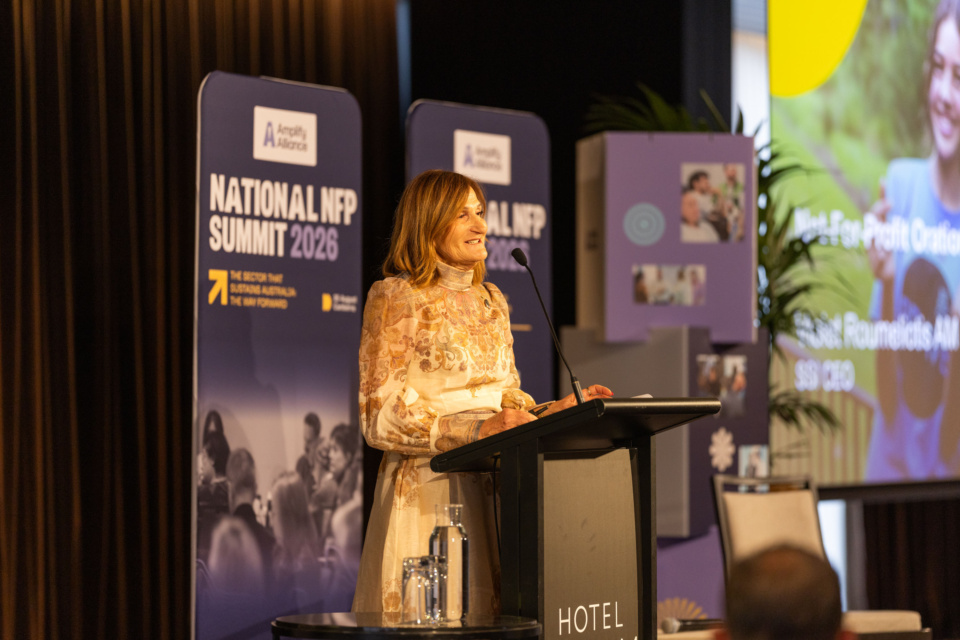
Sector leader Violet Roumeliotis has called on funders to stop treating not-for-profit…

Posted on 13 Aug 2026
As a teenager, I attended summer camp for seven years, first spending two weeks at a time camping…

Posted on 13 Aug 2026
Not-for-profits are full of people with great ideas, but that doesn’t mean they are set up for…