Pauline Hanson and the frightening lesson of ‘Years and Years’
Posted on 07 Oct 2026
Our Community's founder and leader, Denis Moriarty, writes that when he watched an over-the-top…
Posted on 08 Oct 2025
By David Crosbie, CEO, Community Council for Australia
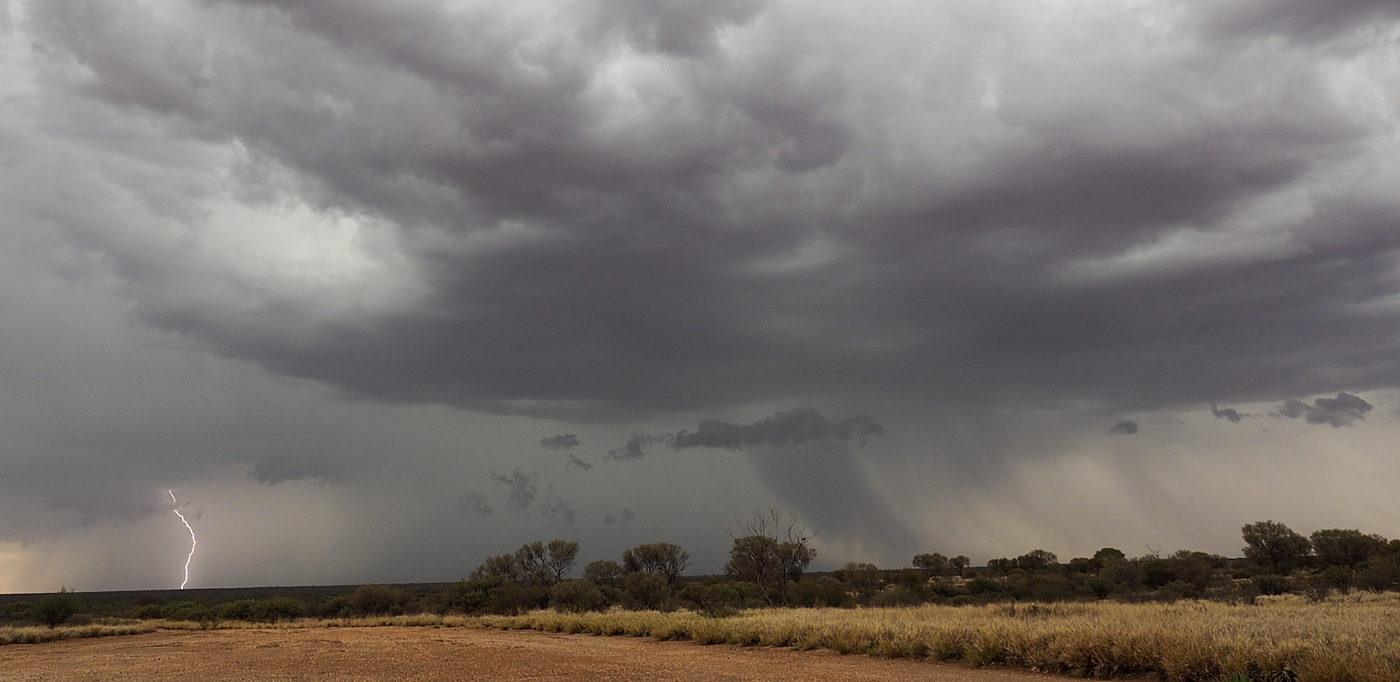
The Wurundjeri Indigenous people who live in and around Melbourne understand their environment as having seven seasons.
The Gadigal people living in and around Sydney describe six distinct seasons.
When I was boy growing up in the country there were only two seasons – football and cricket.
‘Disaster season’ was never part of my adult vocabulary – that is, until climate change pushed the intensity and frequency of natural disasters on to the national agenda.
The National Emergency Management Agency (NEMA) wasn’t established until 2022. It brought together key roles from Emergency Management Australia, the National Recovery and Resilience Agency, and other federal departmental roles relating to emergency management.
NEMA held its disaster season briefing for the charity and not-for-profit sector last week. NEMA describes the higher risk weather season as commencing in October and finishing in April, the dates varying a little depending on what part of the country you are in. This is the season when the risk of bushfires, heatwaves, flooding and cyclones is significantly higher.
Based on the NEMA briefing, the upcoming disaster season will bring with it a significantly higher risk of bushfires in parts of Victoria and WA this season, along with increasing heatwaves in Tasmania and marine heatwaves in the north and south. There are likely to be more intense cyclones in the north due to high sea temperatures, and flash flooding will probably be more prevalent down the east coast of Australia where both day and night temperatures are predicted to be above average. This is on top of the usual level of risks for heatwaves, fires, flooding and additional extreme weather events.
As the planet warms up, and disaster season becomes entrenched in our understanding of our environment in Australia, the role of charities and not-for-profits becomes even more critical.
We already know that our sector can and does make a difference in the way communities experience and respond to disasters. It’s worth reflecting on both how we are perceived and what our role can be.
The media and government departments tend to focus on how charities and community groups respond in disasters through the provision of essential supplies like food, water, clothing and emergency shelter to those affected. Many charities and community groups also provide health services: first aid, specialist medical services, mental health support and counselling. Then there are the services we don’t always think about in emergencies – childcare, disability support, transport, energy, aged care, animal welfare, phone and internet connections. Often these services or access to them is facilitated by charities and not-for-profits.
“It’s the local groups that are first on hand in a disaster, it‘s the locals who are most likely to know who is vulnerable, missing or alone; it’s the same groups of people who will be there sharing the road to recovery long after the flooding is over and the fire is out.”
The sector plays an essential role in connecting people, sharing important information about what’s closed or open, and how to get to places or access services.
And then there is laying the foundations for recovery, including running appeals, distributing materials, helping reboot the local economy, facilitating clean-up and reconstruction, and finding the resources people need through financial support packages and government services.
Most of these activities by charities and not-for-profits represent responses to a disaster. But many in our sector are already planning and preparing their communities for potential disasters, and this work is often even more important than crisis responses in reducing the impact of disasters.
At a recent community market I attended, one of the local charities had set up a stall to offer advice and guidance materials about the development of individual disaster plans.
The conversations at that stall were focused on engaging the community, increasing their understanding of the risks they may face, and encouraging families, friends and neighbours to have a response plan for when a disaster happens.
Also on the stall were people with lived experience of disability talking about how their needs might be different, as well as an animal welfare person, and links were provided to local, state and federal government contacts who all offer various disaster response options. Volunteer emergency services people were also present. This was organised by one community organisation, collaborating with many others, and drawing on all levels of government for the benefit of their communities.
We are all living on a warming planet where disaster season is becoming increasingly important to our safety and wellbeing.
It’s worth taking the time to think about how prepared we all are, what planning we have in place for ourselves and our organisations, and what more we might be able to do to ensure our communities are in a better position to respond when or if disaster strikes.
We know resilient communities have strong social connections in place. The evidence tells us it’s the level of social infrastructure that makes all the difference in the capacity of communities to respond and recover. This is the same social infrastructure that charities and community groups build in a million ways, every day.
It’s the local groups that are first on hand in a disaster, it’s the locals who are most likely to know who is vulnerable, missing or alone, and it’s the same groups of people who will be there sharing the road to recovery long after the flooding is over and the fire is out.
Imagine if our planning for disaster and resilience acknowledged and invested in local groups, in mapping and strengthening them and the social infrastructure to the same degree that we map and invest in our physical infrastructure?
Most charities and not-for-profits are not working in emergency management or response. Most don’t have a focus on our environment or even keeping us all safe. But in our changing climate, strengthening community connectedness, awareness, preparedness, and capacity to respond to disasters is clearly one of the most critical, unrecognised and unfunded roles charities and not-for-profits now play in Australia.
Just like the community group and volunteers I met at my local market.
David Crosbie has been CEO of the Community Council for Australia for the past decade and has spent more than a quarter of a century leading significant not-for-profit organisations, including the Mental Health Council of Australia, the Alcohol and Other Drugs Council of Australia, and Odyssey House Victoria.
Posted on 07 Oct 2026
Our Community's founder and leader, Denis Moriarty, writes that when he watched an over-the-top…
Posted on 30 Sep 2026
There's been a lot of talk about AI this week, and some of it has been frightening. So, is AI good…

Posted on 30 Sep 2026
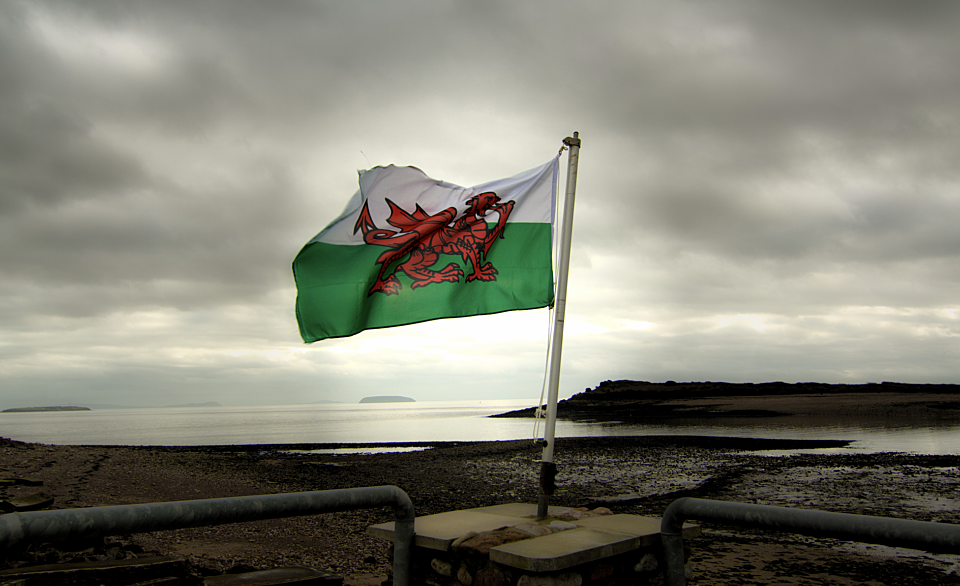
After the biggest AFL game of the year, one player proudly wore the flag of his birth country and…

Posted on 23 Sep 2026
In his new book Our Place, policy expert Matt Lloyd-Cope argues that housing must be at the heart…

Posted on 23 Sep 2026
There are solutions to counter the rise of One Nation but they might not be residing in the mess…
Posted on 03 Sep 2026
Denis Moriarty has an issue with insurance companies varying premiums because of what they perceive…
Posted on 02 Sep 2026
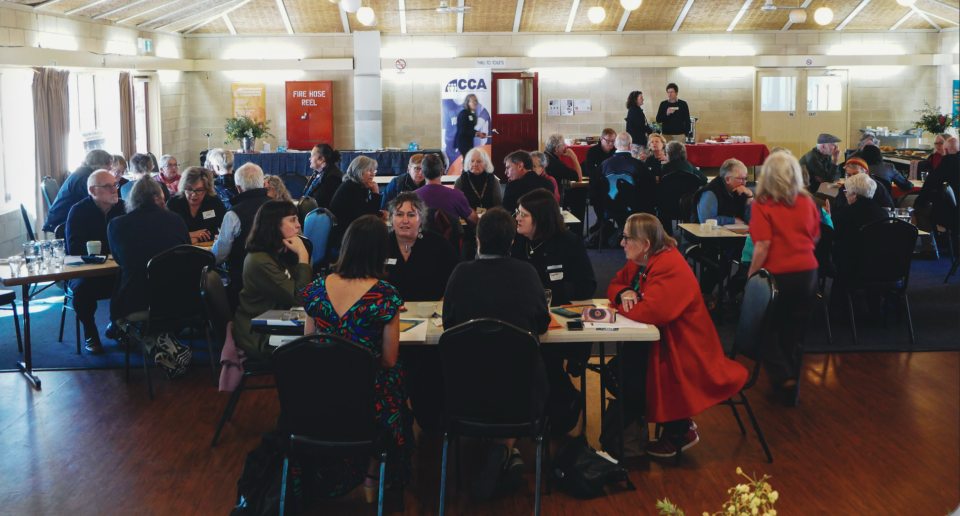
Yesterday, at a meeting just outside Castlemaine in Victoria, 70 people came together to hear…
Posted on 26 Aug 2026
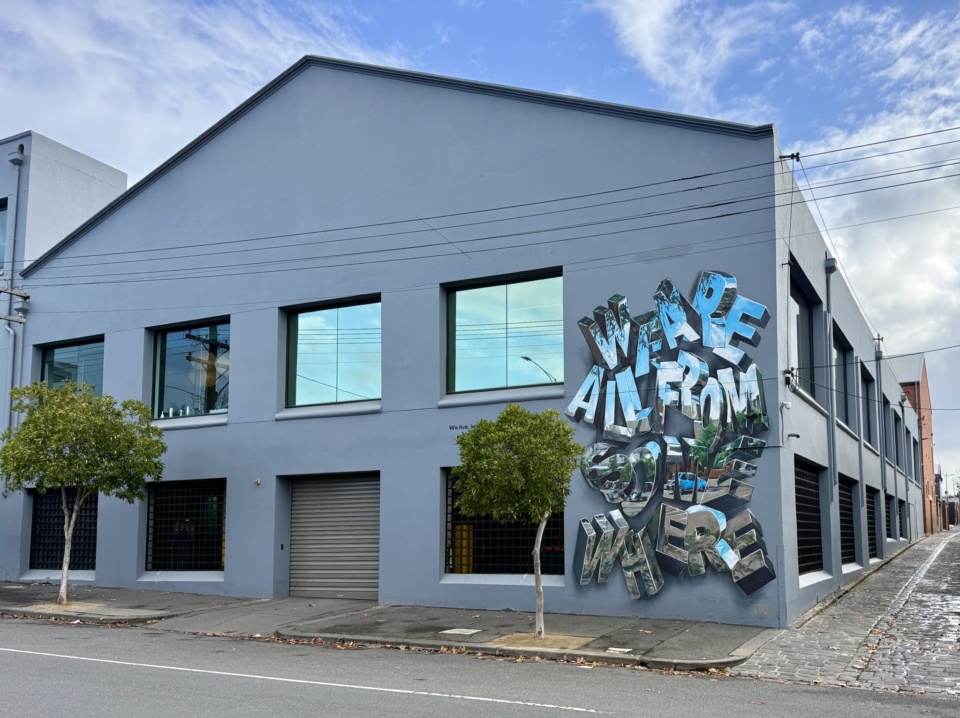
Our Community's founder and leader, Denis Moriarty, says he commissioned a new piece of street art…

Posted on 19 Aug 2026
Government funding is at the centre of Australia's charity and not-for-profit sector – our number…

Posted on 12 Aug 2026
Our Community's founder and leader, Denis Moriarty, says fostering a child was his worst nightmare,…

Posted on 05 Aug 2026
The charity and not-for-profit sector is vital to our economy and the wellbeing of communities…
Posted on 05 Aug 2026
As the Global Impact Summit kicks off in Sydney today, Equitable Philanthropy’s Catherine Brooks…