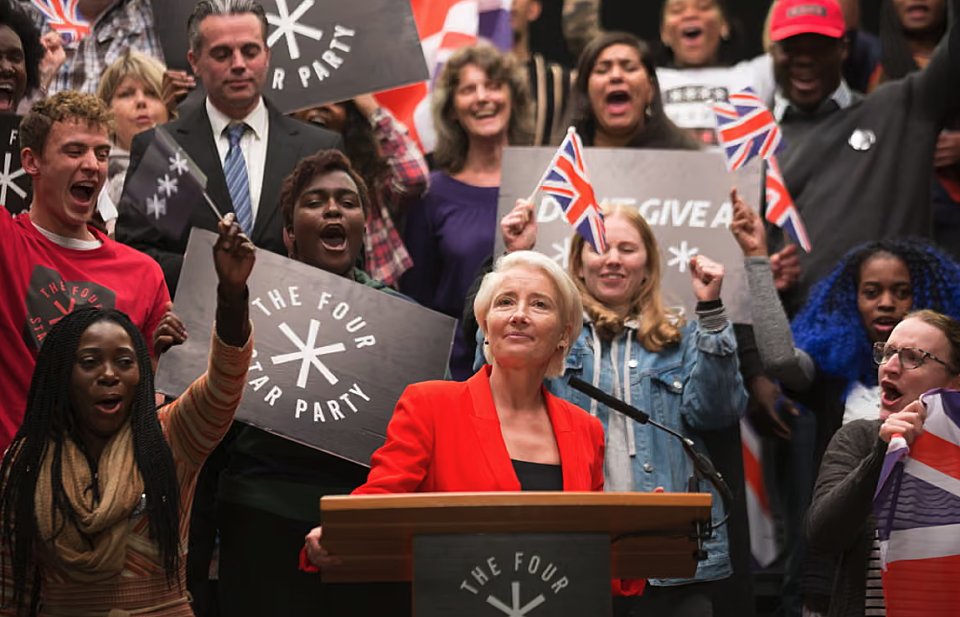
Pauline Hanson and the frightening lesson of ‘Years and Years’
Posted on 07 Oct 2026
Our Community's founder and leader, Denis Moriarty, writes that when he watched an over-the-top…
Posted on 16 Dec 2025
By Ogy Simic, human rights advocate and former refugee
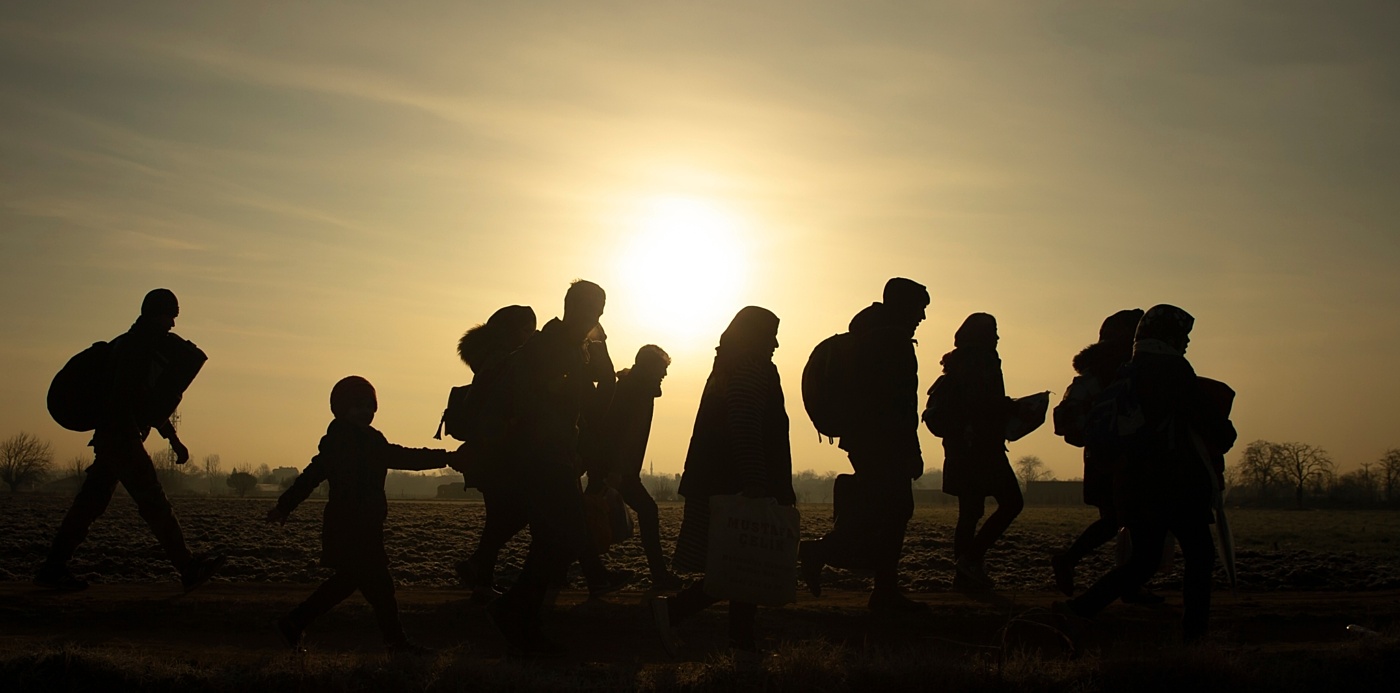
As Australia prepares to welcome its one millionth refugee, human rights advocate and former refugee Ogy Simic reflects on his family’s escape from war, the generosity that helped his family rebuild, and why compassion – not cruelty – must shape Australia’s future.
This year, Australia will welcome its one millionth refugee. It’s a milestone worth pausing on. A million lives rebuilt. A million stories of survival and hope. A million people who, despite being forced to leave everything behind, have added immeasurable richness to this country.
I know because I am one of them. My family arrived in Adelaide in 1998. I was 11 years old, my two brothers were teenagers, and the airport then looked no bigger than a tin shed. We stepped off the plane exhausted, frightened, but also relieved: finally, we were safe.
But getting there had taken years of upheaval, danger and loss.
More than half a decade earlier, in Sarajevo, my childhood had been shattered by civil war. I remember bullets ricocheting off the streets as my mother pulled me and my brothers forward, clutching one small suitcase that contained all we were taking with us. My father, a journalist, stayed behind. He was later killed by our neighbour. My mother – with nothing but courage and determination – carried the three of us across borders.
We survived in Serbia on charity and the vegetables my mother grew in the yard of an unfinished house, where we slept in hospital beds that had been donated to us. A few years later, we made our way to Germany where we sought asylum, finding a place where we could begin to heal and rebuild. Germany welcomed us, providing schooling, food, and the dignity of a fresh start. And then, once again, we were told we had to leave. Eventually – and against the odds – we were resettled in Australia.
That journey forced me to learn resilience. It also taught me that every refugee story is, at its heart, about courage: of mothers, fathers and families starting again from nothing, of communities opening their doors, of choosing hope in the face of despair. As a father myself now, I know that surviving war means carrying the memory of those who didn’t make it, while trying to build something better for those who come after. That is what being one in a million means.
Today, I work as head of advocacy at the Asylum Seeker Resource Centre. My role is to stand alongside people seeking asylum and refugees – many now facing policies far harsher than anything my family endured – and to fight for the same safety and dignity my family once needed.
And I can’t help but ask: how did Australia become so cruel?
As we celebrate our one millionth refugee, we must also reckon with a contradiction. The generosity of ordinary Australians – from the town of Biloela rallying behind the Nadesalingam family to the Grandmothers for Refugees standing outside MPs’ offices – stands in stark contrast to the cruelty of our government and our policies.
“I can’t help but ask: how did Australia become so cruel?”
So deep is our government’s pathological fear of the immigration debate that the Home Affairs Minister, Tony Burke, recently made a secret flight to Nauru to commit $2.5 billion of public money to warehousing a small group of ex-offenders on that tiny island. And in grim irony, it soon emerged that some of the money Australia has given to Nauru is to contract the Finks bikie gang to provide security for the group – four of whom are currently sequestered away in a camp in a remote part of the island.
It has also become clear that Australia is no longer just enforcing some of the cruellest refugee policies in the world; we are exporting them. Places like the UK, the US and the European Union are copying our offshore model of punishing refugees for taking a boat in search of freedom, building on those models and turning their backs on compassion at the very moment people need it most.
Yet the truth is that our community demands something different. The defeat of Peter Dutton’s vision for Australia at the federal election was a clear rejection of far-right anti-migrant politics. This rejection has triggered months of internal soul-searching within the Liberal Party, as it tries to redefine its identity in a country where older voters are giving way to a younger, more progressive generation raised in multicultural Australia – a generation that refuses to accept the demonisation of their friends or their communities.
This is who we are as a community: we help people in need, we give others a fair go, we value the contributions of migrants and refugees.
But too often, many of our elected representatives fail to reflect this.
Being one in a million is both humbling and sobering. My safety came down to my mother’s instincts and to luck – luck that we were the ones chosen at the airport in Sarajevo from a huge crowd of people waving their hands desperately in the air and allowed onto the last flight out, luck that we were eventually accepted into Australia. For many others, that luck never came.
So, as we mark this milestone, let’s not just count numbers. Let’s ask what kind of country we want to be for the next million: one that closes its doors, or one that lives up to our best values of compassion, fairness and humanity?
Because being one in a million means not only surviving, but also bearing the responsibility to help shape a more just Australia for all – and to ensure that others, too, are not shut out, punished or broken, but welcomed into a community that chooses compassion over cruelty, every single time.
Ogy Simic is head of advocacy at the Asylum Seeker Resource Centre.
Posted on 07 Oct 2026
Our Community's founder and leader, Denis Moriarty, writes that when he watched an over-the-top…
Posted on 30 Sep 2026
There's been a lot of talk about AI this week, and some of it has been frightening. So, is AI good…

Posted on 30 Sep 2026
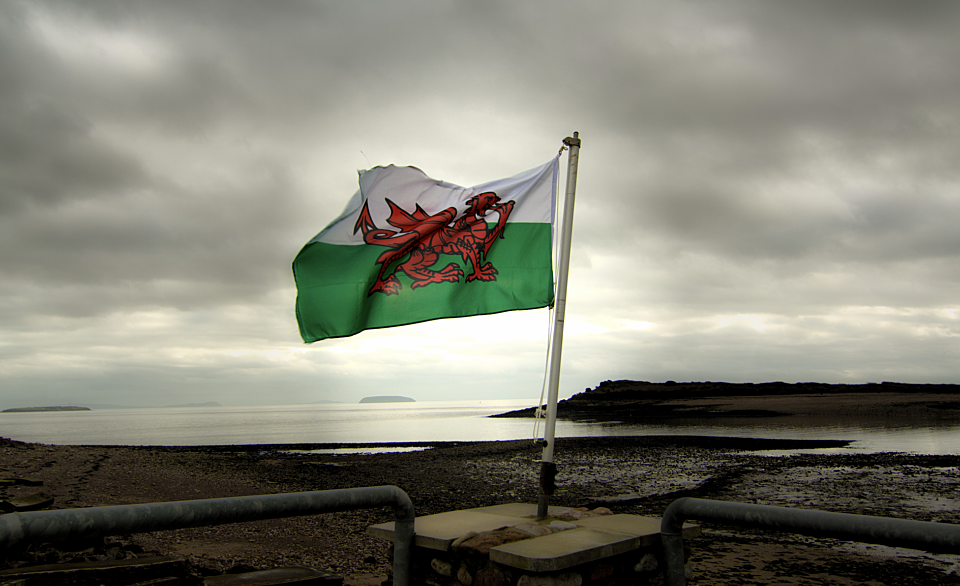
After the biggest AFL game of the year, one player proudly wore the flag of his birth country and…
Posted on 23 Sep 2026
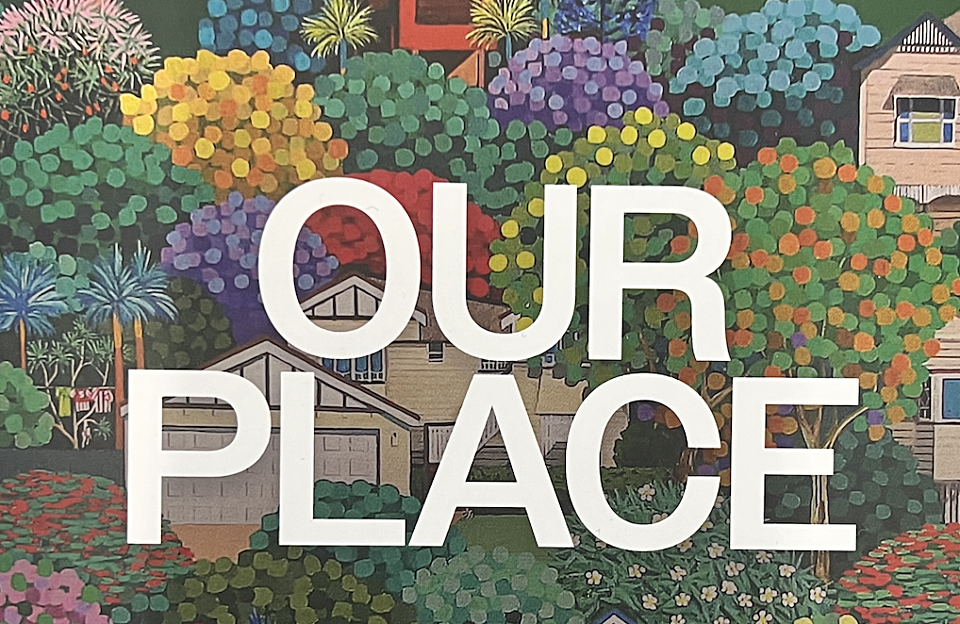
In his new book Our Place, policy expert Matt Lloyd-Cope argues that housing must be at the heart…

Posted on 23 Sep 2026
There are solutions to counter the rise of One Nation but they might not be residing in the mess…
Posted on 03 Sep 2026
Denis Moriarty has an issue with insurance companies varying premiums because of what they perceive…
Posted on 02 Sep 2026
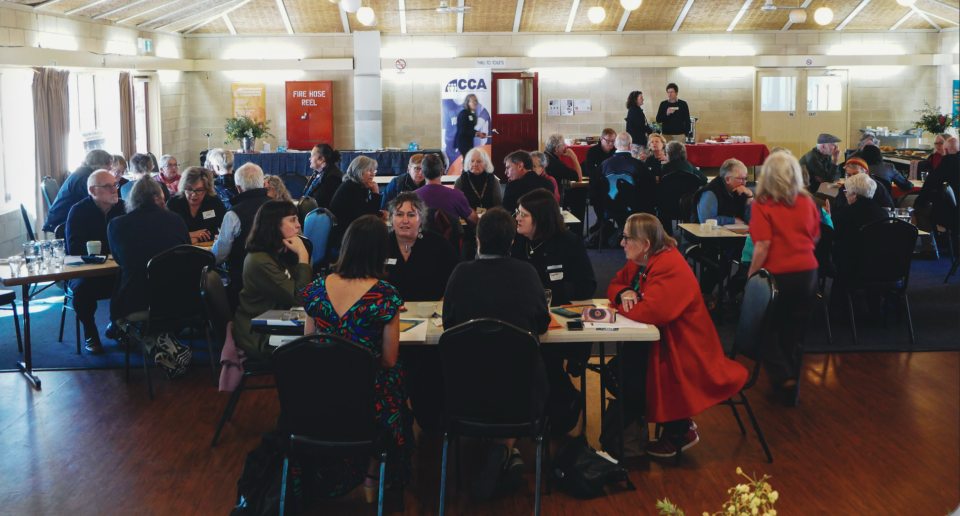
Yesterday, at a meeting just outside Castlemaine in Victoria, 70 people came together to hear…
Posted on 26 Aug 2026
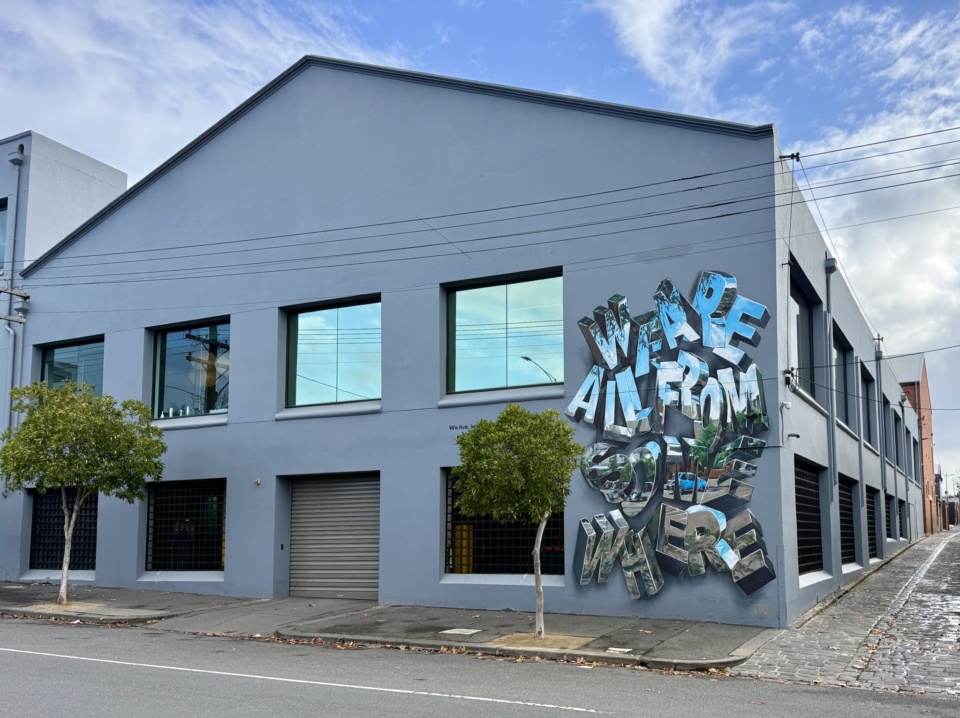
Our Community's founder and leader, Denis Moriarty, says he commissioned a new piece of street art…

Posted on 19 Aug 2026
Government funding is at the centre of Australia's charity and not-for-profit sector – our number…

Posted on 12 Aug 2026
Our Community's founder and leader, Denis Moriarty, says fostering a child was his worst nightmare,…

Posted on 05 Aug 2026
The charity and not-for-profit sector is vital to our economy and the wellbeing of communities…
Posted on 05 Aug 2026
As the Global Impact Summit kicks off in Sydney today, Equitable Philanthropy’s Catherine Brooks…