Fence-sitting isn’t going to work if we want better owners corporations
Posted on 21 Oct 2026
The wider not-for-profit sector doesn't pay much attention to owners corporations, but maybe it…
Posted on 14 May 2026
By Denis Moriarty, founder and group managing director, Our Community
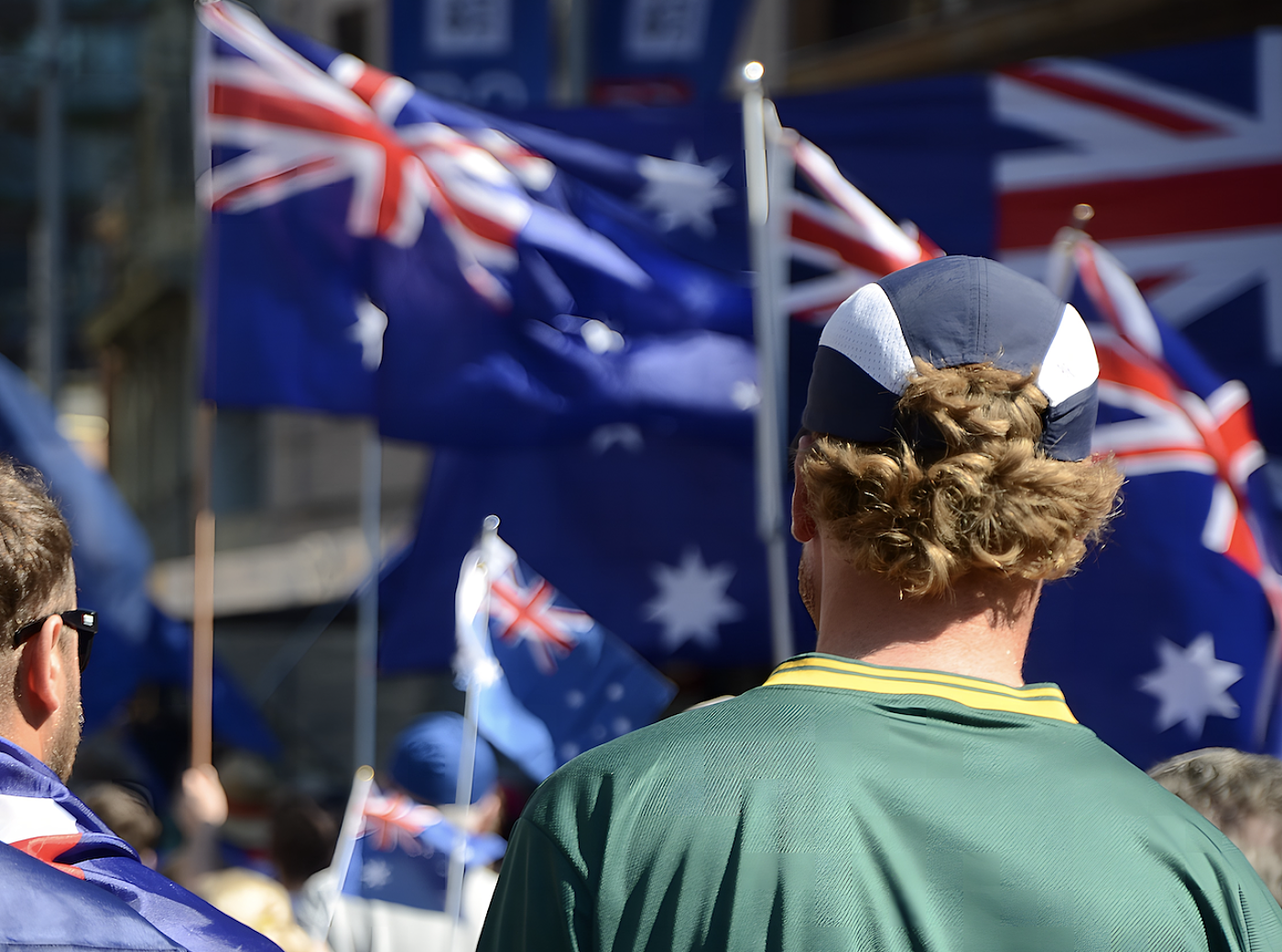
Is it possible that Australians are revelling in demented hysteria at the moment, imagining all kinds of terrible things wrong with our Democracy, as a result of comfort and boredom? Our Community's founder and leader, Denis Moriarty, wonders why we’re so unhappy.
Some 50 per cent of Australians believe our society is broken. For the first time in the very long history of ANUpoll (going back to 2008), Australians are more likely to say they are not very or not at all satisfied with the direction of the country (54 per cent) than they are to say that they are very or fairly satisfied (46 per cent). Over 20 per cent of Australian voters now favour Pauline Hanson’s One Nation. Bringing it back to basics, a survey by charity Second Bite finds that 57 per cent of respondents are worried that they soon may not be able to afford food. We seem to be approaching a desperate crunch point. What is happening in our communities?
Looking at things slightly more objectively, is it possible that we are simply revelling in demented hysteria? Australia is at peace, facing no credible external threats. We are among the top 10 richest countries on Earth, and the top 10 longest-lived. By and large our citizens obey the law. We are, by almost any metric, more prosperous, safer, and better fed than almost any other community in the history of human life on this planet.
Unfortunately, quiet prosperity is boring, and more and more people feel entitled to a narrative that casts them in a more heroic role. Voting, joining community groups, organising reforms – these just can’t compare with the apocalyptic visions of covid cookers and disaster preppers.
American philosopher Eric Hoffer said way back in 1951, “There is perhaps no more reliable indicator of a society’s ripeness for a mass movement than the prevalence of unrelieved boredom … In their earliest stages mass movements are more likely to find sympathizers among the bored than among the exploited and suppressed. To a deliberate fomenter of mass upheavals, the report that people are bored stiff should be at least as encouraging as that they are suffering from intolerable economic or political abuses.”
Much of this, of course, is also attributable to Australia’s long-standing cultural cringe. America is facing fundamental questions about its identity and its institutions, with Trump attempting to reverse at least the verdict of the American Civil War and possibly the American Revolution, and we don’t want to feel out of it (and given that 40 per cent of Americans believe we’re living in the End Times before the Final Judgement, that‘s not easy to manage). Pauline Hanson (and another funny, Barnaby Joyce) is our own attempt to overthrow the stultifying standards of normality by choosing as our leader someone whose only promise is that every day’s news will bring hitherto unheard-of abuses to supercharge our social media posts.
Australia has its problems, of course, lots of them. I work with the not-for-profit sector, and trying to fix these problems is why we exist. Our task isn’t helped by all those who want to drag our particular work on behalf of particular disadvantage into a general narrative of collapse and decline.
“We (Australians) are, by almost any metric, more prosperous, safer, and better fed than almost any other community in the history of human life on this planet.”
Saying, for example, that most of us are worried about not being able to afford dinner is a way of dismissing the claims of people in real poverty. Our median annual household income is $62,000, while the poverty level is about $30,000. Fourteen per cent of us – nearly 4 million people – have less than that. When we’ve dealt with their needs, we can turn our attention to dealing with the privations of the next 30 per cent of the population who apparently fear want.
Our problem isn’t that Australian society’s broken, it’s that a lot of people feel it would be more fun if it was. It’s that form of cultural appropriation where the well-off want to snatch the signifiers of struggle and disadvantage from the people who actually do have it tough. One Nation policies, if that’s the right word – complaints about any recognition of Indigenous rights, or any attempt to raise Jobseeker payments or to accept asylum seekers – just recast white suburbanites as the ones who are oppressed and afflicted.
Yes, Australia does face existential threats – political ones from the manipulations of billionaires and ecological ones from unchecked climate change. These are just the areas, though, where the middle-class belief that we’re being hard done by (i.e. negative gearing in the budget spells the end of the world) and it’s for others to make sacrifices is going to be most damaging.
If we complain that our institutions are useless, that relieves us from any responsibility to use them to fix our problems. We can only make progress if we prefer committee meetings to Mad Max scenarios. Let’s get back to worrying about important things.
Denis Moriarty is group managing director of OurCommunity.com.au, a social enterprise that helps the country's 600,000 not-for-profits.
We're proud to take a stand on progressive issues. Here are more recent opinion pieces.
Posted on 21 Oct 2026
The wider not-for-profit sector doesn't pay much attention to owners corporations, but maybe it…
Posted on 07 Oct 2026
Our Community's founder and leader, Denis Moriarty, writes that when he watched an over-the-top…

Posted on 30 Sep 2026
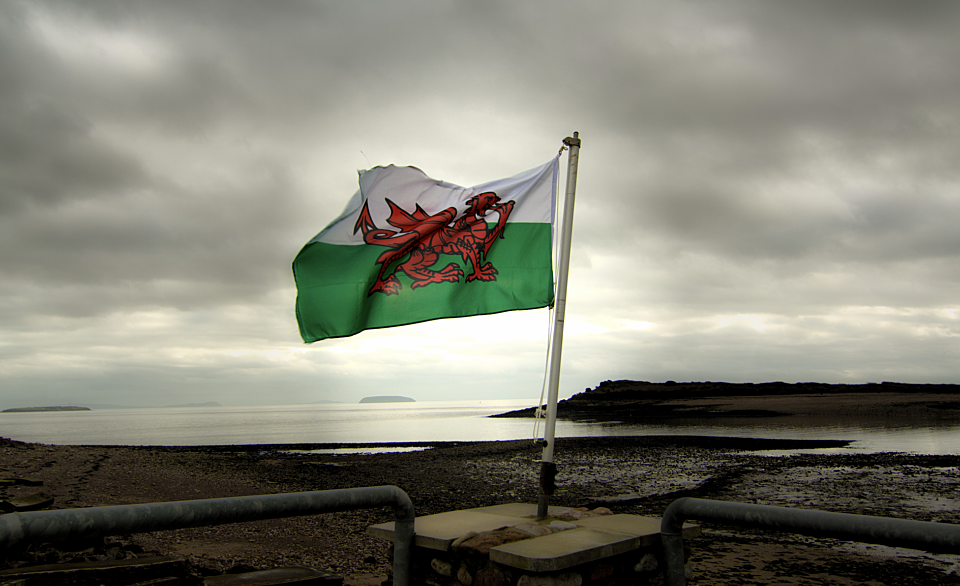
After the biggest AFL game of the year, one player proudly wore the flag of his birth country and…

Posted on 23 Sep 2026
There are solutions to counter the rise of One Nation but they might not be residing in the mess…
Posted on 03 Sep 2026
Denis Moriarty has an issue with insurance companies varying premiums because of what they perceive…
Posted on 26 Aug 2026
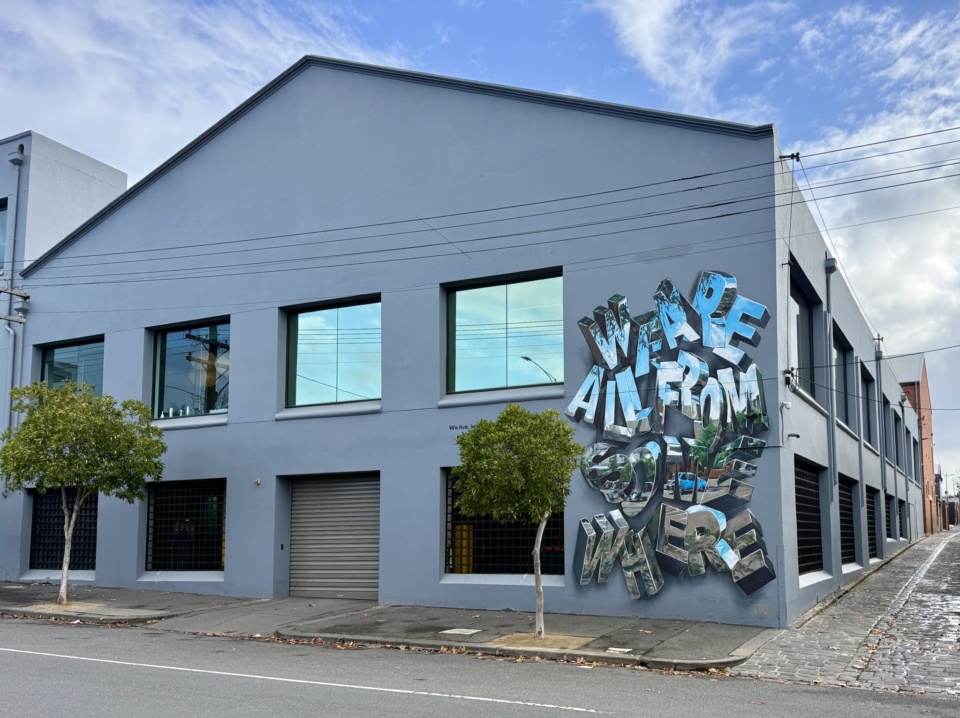
Our Community's founder and leader, Denis Moriarty, says he commissioned a new piece of street art…

Posted on 12 Aug 2026
Our Community's founder and leader, Denis Moriarty, says fostering a child was his worst nightmare,…
Posted on 15 Jul 2026
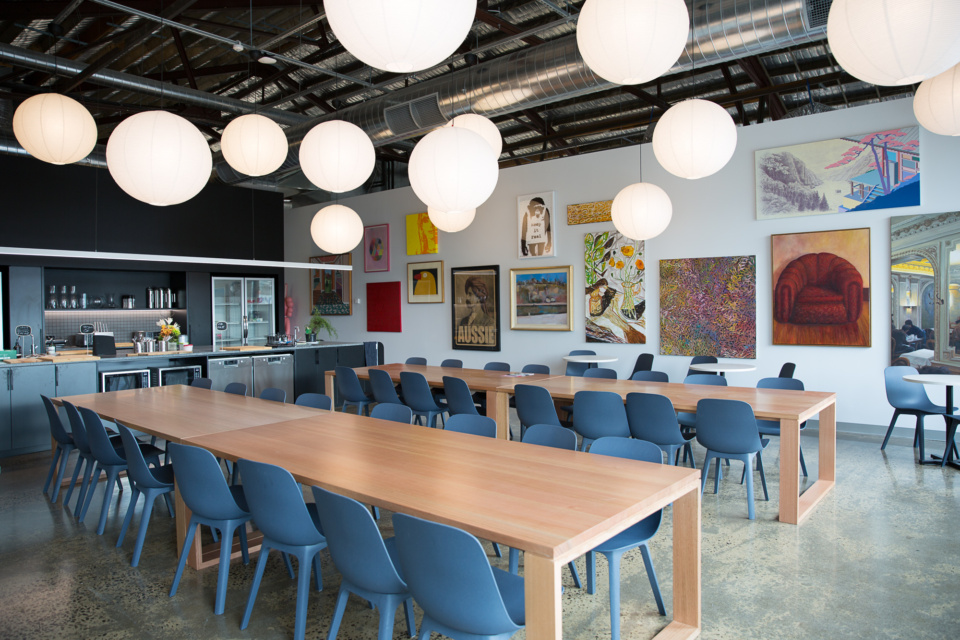
Our Community's founder and leader, Denis Moriarty, on what's special about the shared workplace…

Posted on 08 Jul 2026
The Royal Australasian College of Physicians has found itself facing serious scrutiny from the…

Posted on 30 Jun 2026
Australian house prices rose roughly 8,300 per cent between 1970 and 2025, so it would seem…
Posted on 17 Jun 2026
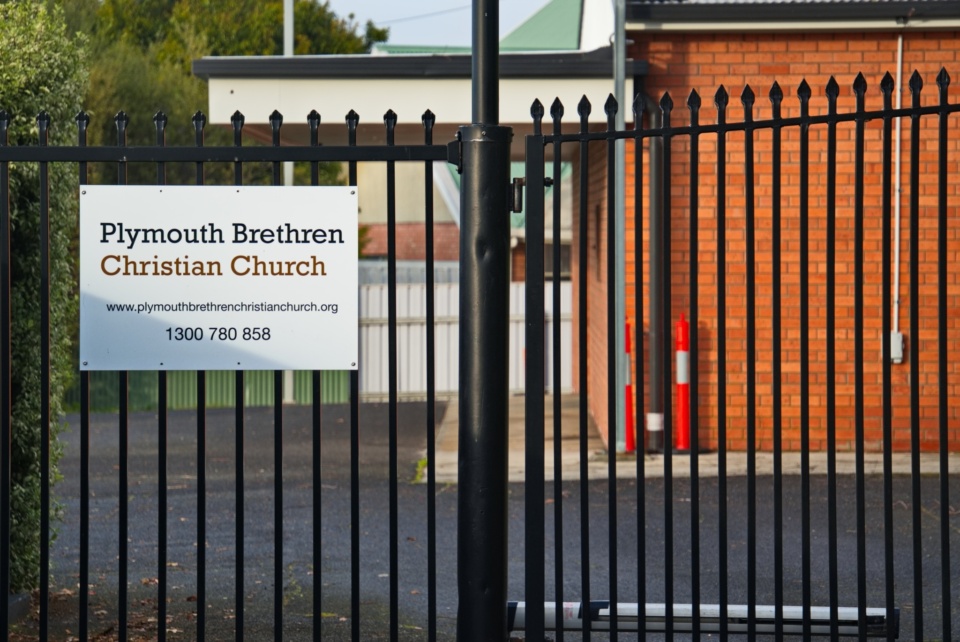
If charges are proven that members of the Brethren movement took part in partisan political…

Posted on 03 Jun 2026
Why exactly are we still getting a day off to celebrate a day that is not the actual birthday of…