Pauline Hanson and the frightening lesson of ‘Years and Years’
Posted on 07 Oct 2026
Our Community's founder and leader, Denis Moriarty, writes that when he watched an over-the-top…
Posted on 01 Apr 2025
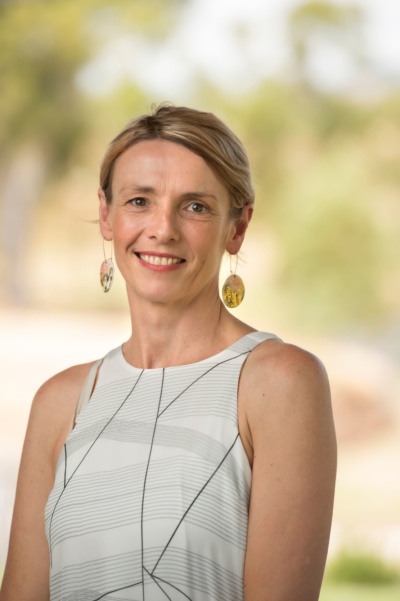
By Natalie Egleton
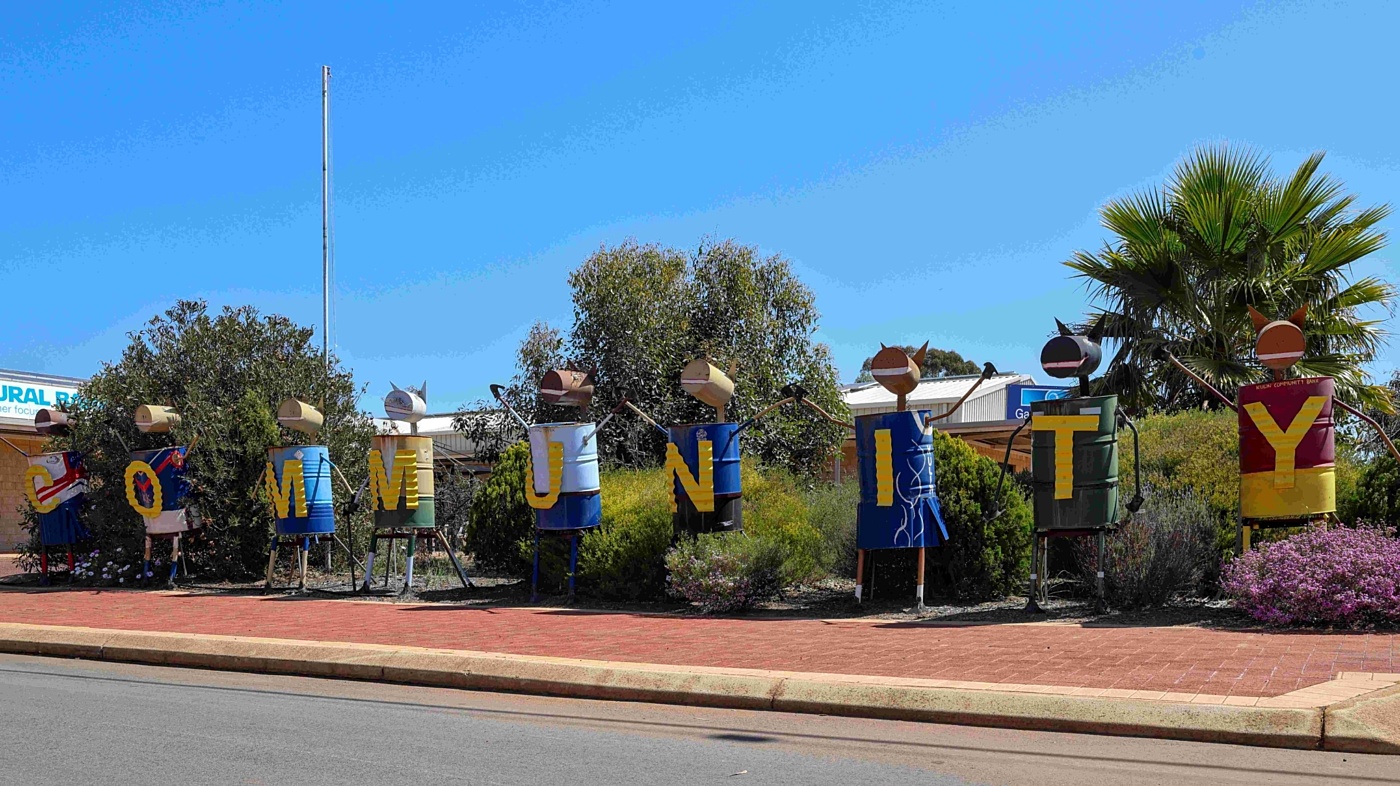
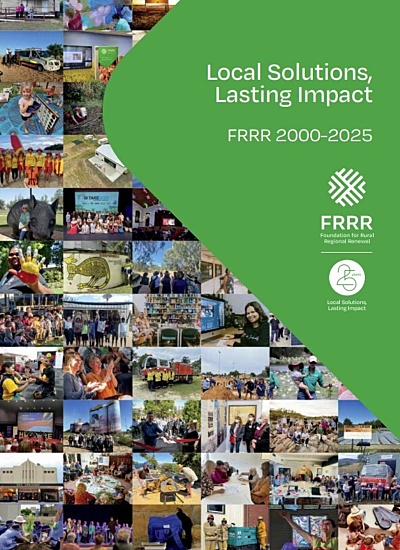
A quarter of a century after it was founded, generating local solutions with lasting impacts is still at the heart of the Foundation for Rural & Regional Renewal, says the organisation’s CEO, Natalie Egleton.
As I enter my tenth year as CEO of the Foundation for Rural & Regional Renewal (FRRR), this national philanthropic treasure is entering its 25th year of supporting remote, rural and regional communities in being vibrant, sustainable, and resilient.
My connection with FRRR started many years before, when I received my first grant, on behalf of the not-for-profit I was working for, through the ANZ Seeds of Renewal program.
ANZ and FRRR’s partnership is still running to this day.
I have clear memories of dealing with the FRRR staff and, as a new grantseeker, being put at ease and given a warm and friendly reception with every contact point.
This kind of care and down-to-earth approach is one of the things that sets FRRR apart.
Our people are in, and of, the bush. Most are volunteers in their community. Most have done the hard yards of seeking funding and guidance on community projects. We get it.
The numbers say a lot – $200 million in grants to more than 15,000 projects in more than 1,700 unique postcodes since 2000 – but as I’ve reflected above, it’s the people behind the numbers that are the biggest reason to celebrate:
And, of course, the people leading change and improvements in their communities in some of the smallest and most remote parts of Australia.
"The creation of FRRR recognised that remote, rural and regional communities face a different set of challenges to their urban counterparts – but that they are also inherently resilient and capable, and that they actually hold the answers to their own challenges."
A lot has changed since FRRR was conceived and it’s important to ask if we’ve made progress. I think the honest answer is yes – and no.
There are countless success stories of rural communities getting ahead, often despite the barriers in their way.
There are many examples of innovation, of more and better funding, of improved investment in organisations and their capacity, and a maturing of our understanding of the true diversity of remote, rural and regional communities. And we are proud to have played a small part in those successes.
However, the truth is that most of the time, rural Australia is only visible and invested in during times of crisis. That’s not to say that support during those times isn’t warranted and vital. Of course it is.
The impact of those crises, though, could be reduced if rural communities were truly seen and understood for their intrinsic value and contribution to our nation and the world. And that’s where I think we still have work to do.
The creation of FRRR recognised that remote, rural and regional communities face a different set of challenges to their urban counterparts – but that they are also inherently resilient and capable, and that they actually hold the answers to their own challenges. And that is not often the narrative that is told about rural Australia.
At FRRR, we want to support communities in becoming more self-generating, more prosperous and more sustainable, and and in driving the kind of future they want for themselves – generating local solutions with lasting impacts.
That’s not about charity or helping. It’s about truly empowering and valuing these communities and working toward shared prosperity.
It’s about a shift from an acceptance that rural Australia might always be in need, to believing that we need rural Australia to be strong, with the same kinds of opportunities that our urban counterparts can access and embrace.
This would be a different future and an exciting role for philanthropy, policymaking and the business community to get behind.
We’re certainly getting closer. And with well-informed investment and collective strategic will and goodwill, we can really drive a different story from regional Australia and particularly the smaller and more remote places that so often get forgotten and left behind.
It’s been a remarkable 25 years, and we are incredibly proud of what has been achieved. But there is more to do.
FRRR will be here for the next 25 years, and I hope we will be celebrating many more wins. For FRRR to deliver on its purpose and achieve its vision for rural Australia, it too needs to be strong and robust.
We are calling on those who share our vision to join with us and to back us, so we can back remote, rural, and regional communities as they thrive through the disruptions and opportunities that lie ahead.
Local Solutions, Lasting Impact: FRRR 2000–2025
Posted on 07 Oct 2026
Our Community's founder and leader, Denis Moriarty, writes that when he watched an over-the-top…

Posted on 07 Oct 2026
A major public campaign launched this morning is calling on the federal government to restore…
Posted on 07 Oct 2026
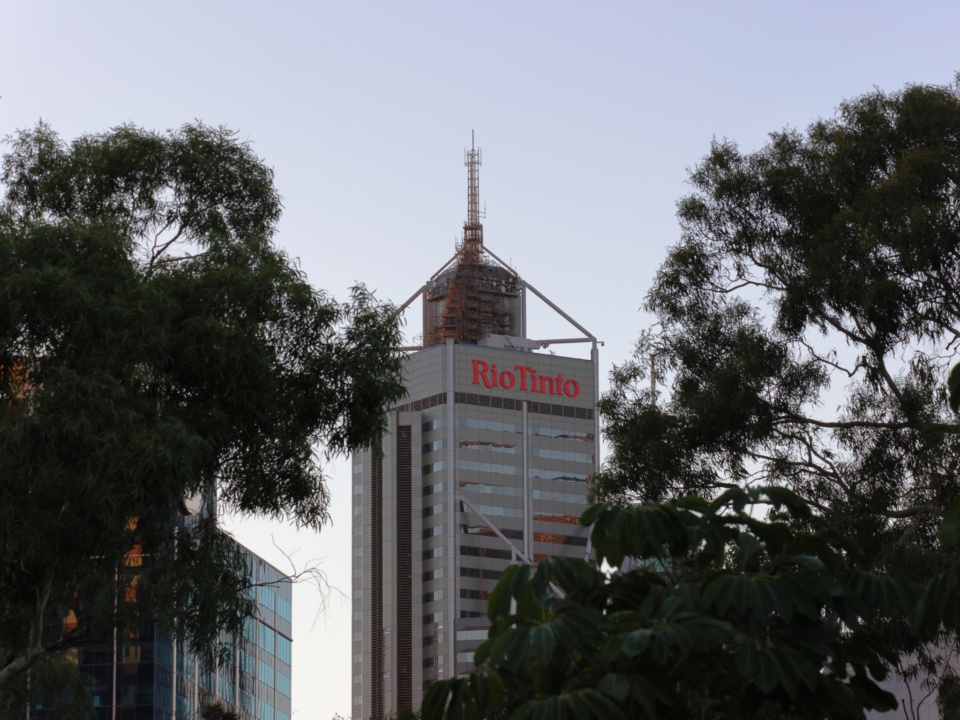
The Australian Literacy & Numeracy Foundation (ALNF) has announced a partnership with mining…
Posted on 07 Oct 2026
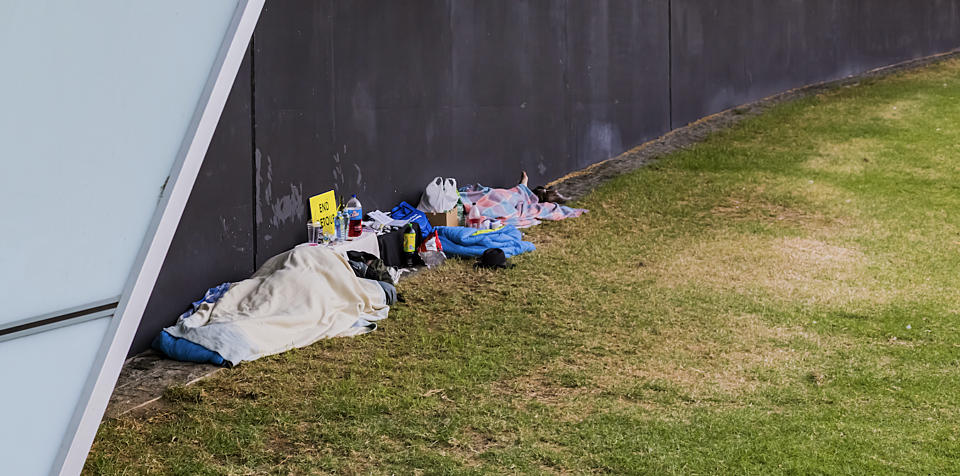
A conference in Darwin will this morning hear detailed, strategic plans for how Australia could…
Posted on 07 Oct 2026
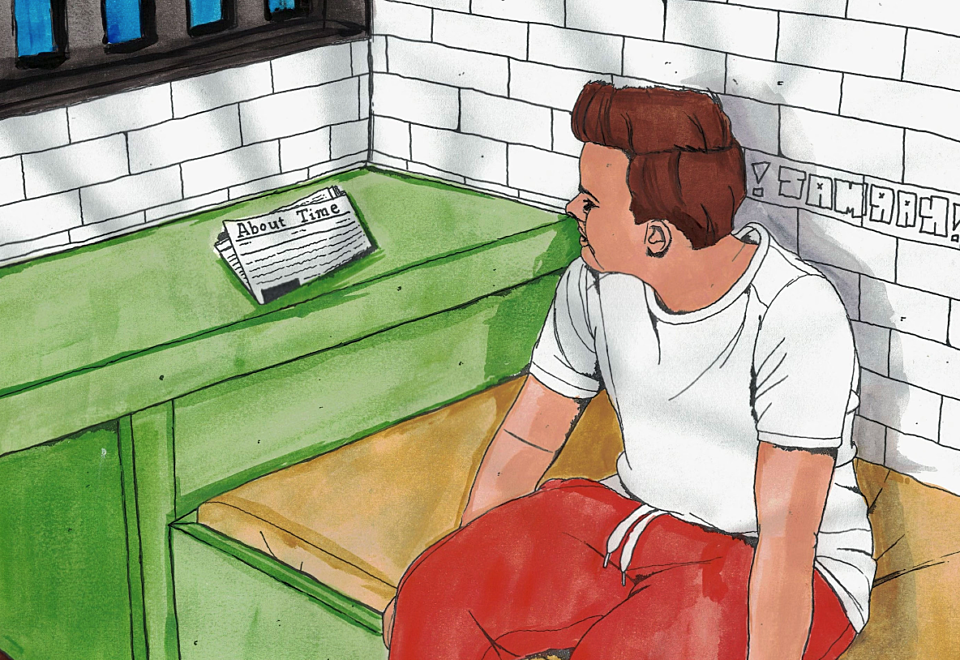
Joseph Friedman is co-founder and publisher of About Time, Australia’s only newspaper for…

Posted on 30 Sep 2026
There's been a lot of talk about AI this week, and some of it has been frightening. So, is AI good…

Posted on 30 Sep 2026
After the biggest AFL game of the year, one player proudly wore the flag of his birth country and…

Posted on 30 Sep 2026
At 21 years old, Tate Donohoe is the founder of Ecodia, an AI-assisted software development company…

Posted on 30 Sep 2026
Not-for-profit leaders have been warned to be wary of approaches from potential “funding partners”…
Posted on 30 Sep 2026
More than 200 fully funded Centre for Social Impact (CSI) scholarships will help equip for-purpose…
Posted on 30 Sep 2026
Personal stories are among the most powerful tools a charity can have to raise funds and awareness,…

Posted on 23 Sep 2026
In his new book Our Place, policy expert Matt Lloyd-Cope argues that housing must be at the heart…