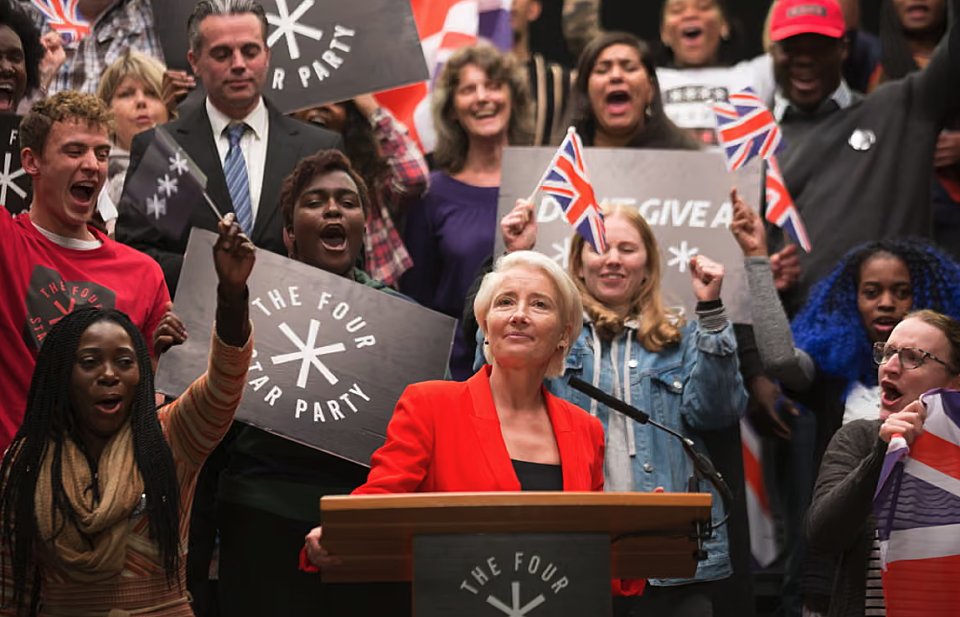
Pauline Hanson and the frightening lesson of ‘Years and Years’
Posted on 07 Oct 2026
Our Community's founder and leader, Denis Moriarty, writes that when he watched an over-the-top…
Posted on 19 Nov 2025
By Denis Moriarty, founder and group managing director, Our Community
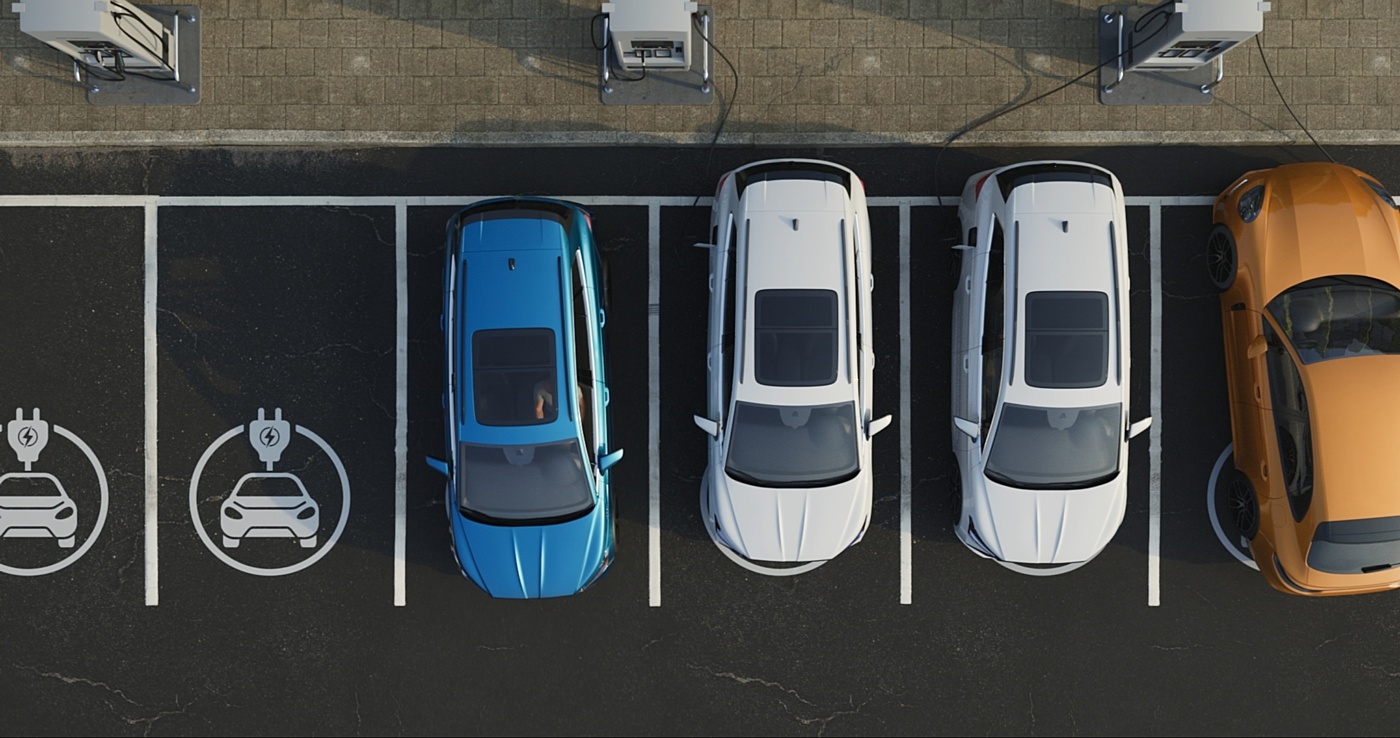
When it comes to loyalty to car brands, it can be confusing who we should support, and, even more so, what you and I get out of it, writes Our Community's founder and leader, Denis Moriarty.
Australia, we are told, has a problem. China wants to sell us cheap electric cars. How dare they! Chinese makers have been overproducing, nobody is making money, and prices are going down. You can buy, if you’re sufficiently unpatriotic, a BYD Dolphin for something like $32,000 driveaway – not as cheap as they’re selling it for in Shanghai, but then I suppose Temu has to charge something for delivery.
Cheap cars? No, we can see right through China’s contemptible evasions. We must, evidently, unite with the Europeans and the Japanese and Mexicans and Koreans and British and fend off these vile corruptors – a new coalition of the willing, a Grand Alliance, standing forthright against communism? Capitalism? Something that needs standing against, at any rate.

Looking at that list of our prospective allies in this conflict, you will notice that all of them seem to have their own car manufacturing sectors, long-established names like Ford and Volkswagen and Hyundai that have been slower than the Chinese to turn away from petrol towards batteries and are thus having their collective lunches eaten. You will notice, too, that Australia doesn’t have a single car factory from sea to shining sea (another great brain fart from Tony Abbott), having got out of the business between 1985 and 2017. We have absolutely nothing to gain from all this. If we’re going to rebuff Chinese cheapies, it’ll be an entirely disinterested operation.
We’ll be making considerable sacrifices, in fact. Apart from us as individuals having a few thousand extra notes to fritter away on lattes and smashed avo toast, it’s going to be very hard for Australia as a nation to meet even the inadequate carbon goals we’ve set for ourselves unless the uptake of EVs goes up from its current 10 per cent to 50 per cent at least. Every Chinese car stopped at the docks means another few metres of the Great Barrier Reef bleached.
Economically speaking, too, every dollar charged by Ford or Ferrari heads overseas, kicking us in the Balance of Payments as it swaggers off. Still, getting involved in other countries’ squabbles without recompense or reason is very much the Australian way, so why stop now?
I had hoped, when the Liberals decided that enough was enough and pushed the car industry in the deep end to sink or swim (spoiler: sink), this would at least mean we could begin to have a rational industry policy, unmoved by petty electoral considerations of factory closures or unemployment jumps. We no longer needed to have our trade negotiations snarled up with irrelevancies, we could impose whatever rules about carbon intensity we wanted to, and we could reap the promised rewards of free trade.
Not so fast, sunshine. Something – nostalgia? Muscle memory? The PM’s desire to stand on stage in a line with rather more celebrated heads of state? – apparently means that we’re morally obliged to behave as if none of that matters.
“How about going for the win-win and boosting public transport so we buy fewer cars overall? Why don’t we work out where we want to be and plan accordingly? Why don’t we have an integrated transport policy?”
The other party in all this is, to be sure, China, and Australia has for some time been conditioned to behave in this relationship like an incontinent chihuahua – skulking in corners when the adversary appears, yapping ferociously whenever it leaves the room, and whining when its kibble dish isn’t filled promptly. Don’t we want the Chinese to be poorer? Everybody else does.
China isn’t a model regional power (has there ever been one?), but it’s hard to make a case that right now it comes in the top five countries most crying out for UN military intervention. And if we’re going to end up at war with it, wouldn’t it be a good idea to have a lot of transport vehicles over here rather than over there? What if we have to send a lot of diggers from Puckapunyal to Darwin when the rail line’s bombed out? Anyway, isn’t it better that our iron ore is made into hatchbacks rather than tanks?
Fair’s fair, I suppose. When our own car industry was struggling, the Americans and Europeans and Japanese rallied round, didn’t they? Though it seems to have gone curiously unreported at the time.
And if we are making sacrifices for Mercedes and Toyota, we ought to get something back for it. Will the Europeans trade off sanctions against Australian ‘prosecco’ for higher tariffs on BYD sedans? Will America – no, forget it. $50,000 in a paper bag should handle that.
Still, how about going for the win-win and boosting public transport so we buy fewer cars overall? Why don’t we work out where we want to be and plan accordingly? Why don’t we have an integrated transport policy?
There might be occasions when Australia shouldn’t follow the simple but effective rule: “See what the Murdoch press is pushing for, then do the opposite”. I don’t think this is one of them.
Denis Moriarty is group managing director of OurCommunity.com.au, a social enterprise that helps the country's 600,000 not-for-profits.
We're proud to take a stand on progressive issues. Here are more recent opinion pieces.
Posted on 07 Oct 2026
Our Community's founder and leader, Denis Moriarty, writes that when he watched an over-the-top…

Posted on 30 Sep 2026
After the biggest AFL game of the year, one player proudly wore the flag of his birth country and…

Posted on 23 Sep 2026
There are solutions to counter the rise of One Nation but they might not be residing in the mess…
Posted on 03 Sep 2026
Denis Moriarty has an issue with insurance companies varying premiums because of what they perceive…
Posted on 26 Aug 2026
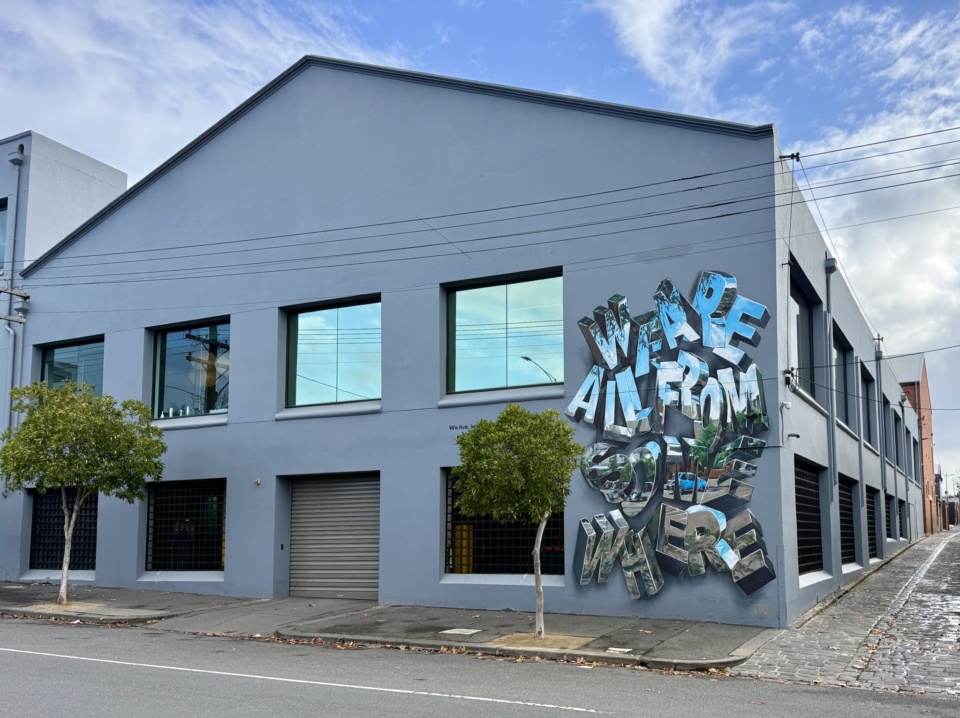
Our Community's founder and leader, Denis Moriarty, says he commissioned a new piece of street art…

Posted on 12 Aug 2026
Our Community's founder and leader, Denis Moriarty, says fostering a child was his worst nightmare,…
Posted on 15 Jul 2026
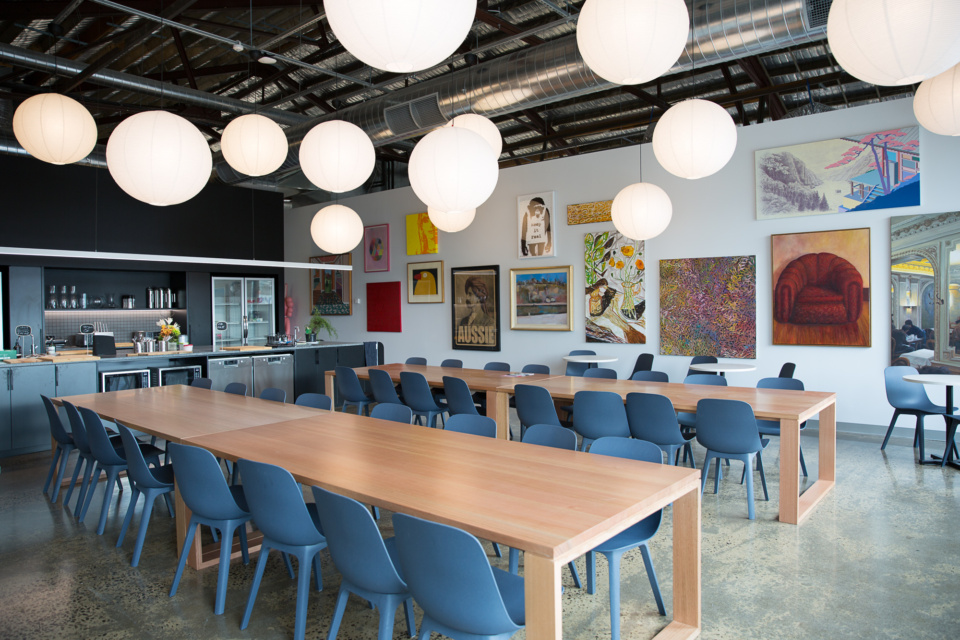
Our Community's founder and leader, Denis Moriarty, on what's special about the shared workplace…

Posted on 08 Jul 2026
The Royal Australasian College of Physicians has found itself facing serious scrutiny from the…

Posted on 30 Jun 2026
Australian house prices rose roughly 8,300 per cent between 1970 and 2025, so it would seem…
Posted on 17 Jun 2026
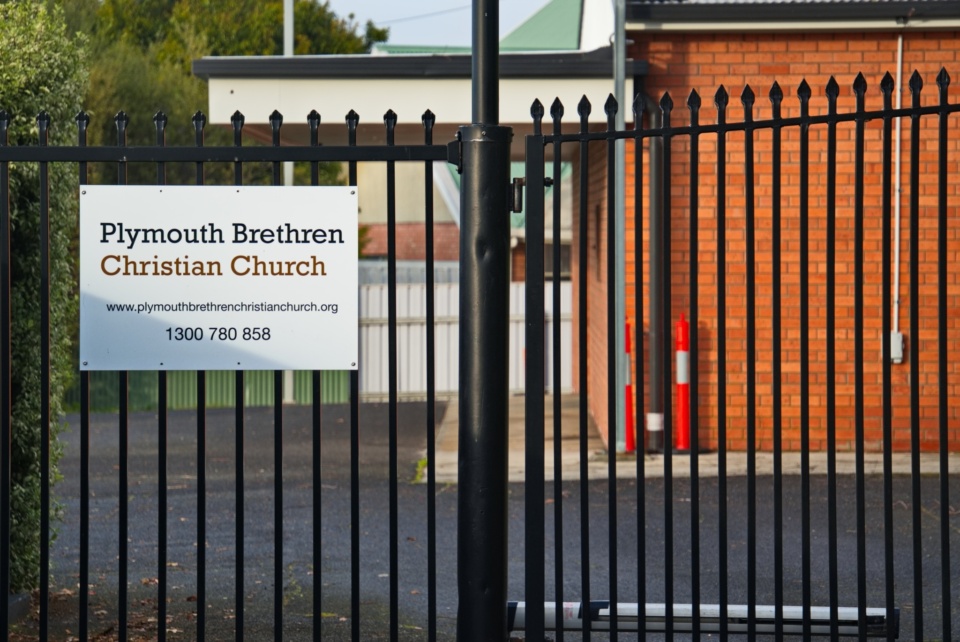
If charges are proven that members of the Brethren movement took part in partisan political…

Posted on 03 Jun 2026
Why exactly are we still getting a day off to celebrate a day that is not the actual birthday of…

Posted on 20 May 2026
It is not really a surprise that we have trouble getting our heads around what the rise of…