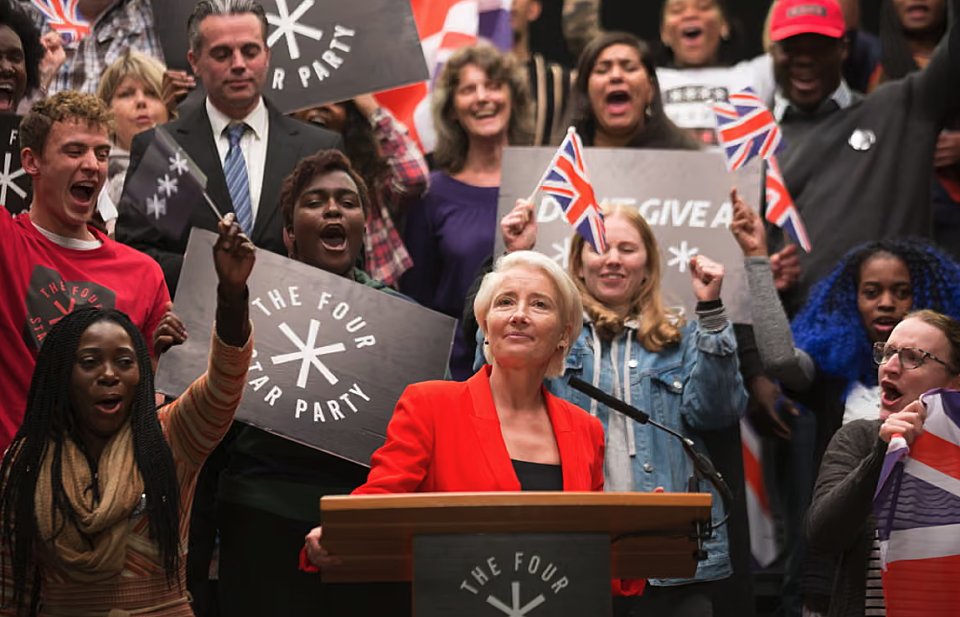
Pauline Hanson and the frightening lesson of ‘Years and Years’
Posted on 07 Oct 2026
Our Community's founder and leader, Denis Moriarty, writes that when he watched an over-the-top…
Posted on 05 Nov 2025
By Denis Moriarty, founder and group managing director, Our Community

Before the Prime Minister gets too excited about his recent meeting with the American President, he might want to keep in mind Moriarty's Law, writes Our Community's founder and leader, Denis Moriarty.
Albo has had a comparatively friendly meeting with Trump, partly because he was able to offer an agreement on the production of rare earths, and Trump likes rare earths because his grasp of economics stopped developing at the Smaug the Dragon stage and he conceptualises wealth in the form of shiny ingots.
The rest of us, though, should remember the fundamental message of the winner of next year’s Nobel Prize in Economics, who will be, if there’s any justice in the world, me, for formulating Moriarty’s Law: Whatever Donald Trump is in favour of is palpably nonsense.
Australia is now investing heavily in the mining and refining of holmium, europium, ytterbium, thulium, erbium, samarium, gadolinium, terbium, dysprosium, lutetium, scandium, neodymium, praseodymium and yttrium, among others. As every article on the topic mentions, these are all vital components of modern technological devices such as magnets and computer chips, and without them everything we use would stop working.
The desirability of these minerals is only enhanced by the fact that the vast bulk of them have ended up in the unfriendly hands of the Chinese, who are now exploiting the industrial leverage this gives them as bargaining chips in their trade arguments over Donald Trump’s tariffs.
As these elements are so essential, then, the obvious question is “What stopped us getting into this before?” And we really do need to recollect that that question has some compelling answers.
Rare earths, to begin with, aren’t particularly rare. Any country made of dirt has quite a few of them. Australia has a lot of them, but then Australia has a lot of dirt generally. Myanmar has lots. Canada, Nigeria the US, Russia have lots. So why aren’t they all rushing in?
Because rare earths aren’t just not rare, they’re also not that expensive. Neodymium, for example, is something like $250 a kilo, or rather less than a selection of fine chocolates. Hafnium is $3,000, or comparable to truffles. A few score higher than that, but gold, remember, is over $200,000 a kilo. That’s what ‘rare’ means.
And to get truffles out of the ground all you need is a trained pig. To extract gadolinium you have to hoick up a hillside or two of ground and throw nearly all of it away. Every part of this is difficult, expensive, and, perhaps most serious, polluting. For every ton of rare earths, 2,000 tons of toxic waste are produced.
The reason why the West handed these industries to China in the first place is that the Chinese were willing, then, to have extensive tracts of the country left dangerously radioactive, and we weren’t. Environmental concerns in Malaysia are making it more difficult and expensive for Lynas, an Australian processor, to operate there, so the company is moving parts of its operations elsewhere.
“We’re proposing to rest an $8 billion Australian industry on the word of Donald Trump.”
Pollution or no, China has an existing industry. It’s amortised its capital expenditure. It can undercut Australian prices whenever it wants to. The only reason why we’re talking about this as a business at all is that China is holding these materials back from the market, meaning that their price, low as it is, is artificially boosted. Whenever we looked like making a go of it before, China just lowered the price till we went bust. We can make a go of it now just as long as other Western governments are willing to subsidise our production costs for reasons of national security, and no longer.
These minerals are important to the manufactures of many countries, but not ours. Unless other people want them, Australians have no use for them. We don’t make batteries, or computer chips, or warplanes, now, and we aren’t going to in the foreseeable future. We’re good at iron ore and Bluey; beyond that we’re at the mercy of our creditors.
And, let’s not forget, we’re not the only people who have noticed Trump’s swooning at shiny metals. Greenland and Ukraine have both also floated enormous potential rare earth industries as bribes to try and keep Trump from going rogue in Oval Office meetings, and they have more riding on it than we do. There are even potential partners in the US itself, though that may depend on the red or blue politics of their states. Oh, and talking of bribes, anyone dealing with Trump needs to be prepared to spend a reasonable fraction of a billion dollars on his bitcoins, as a lubricant.
To put it another way, we’re proposing to rest an $8 billion Australian industry on the word of Donald Trump. Reports of the meeting talk of ‘deals’ and ‘agreements’, not ‘contracts’. America, let us not forget, is the home of that meme of Lucy pulling away the football every time Charlie Brown runs up to kick it. Australia never learns, either.
Denis Moriarty is group managing director of OurCommunity.com.au, a social enterprise that helps the country's 600,000 not-for-profits.
We're proud to take a stand on progressive issues. Here are more recent opinion pieces.
Posted on 07 Oct 2026
Our Community's founder and leader, Denis Moriarty, writes that when he watched an over-the-top…

Posted on 30 Sep 2026
After the biggest AFL game of the year, one player proudly wore the flag of his birth country and…

Posted on 23 Sep 2026
There are solutions to counter the rise of One Nation but they might not be residing in the mess…
Posted on 03 Sep 2026
Denis Moriarty has an issue with insurance companies varying premiums because of what they perceive…
Posted on 26 Aug 2026
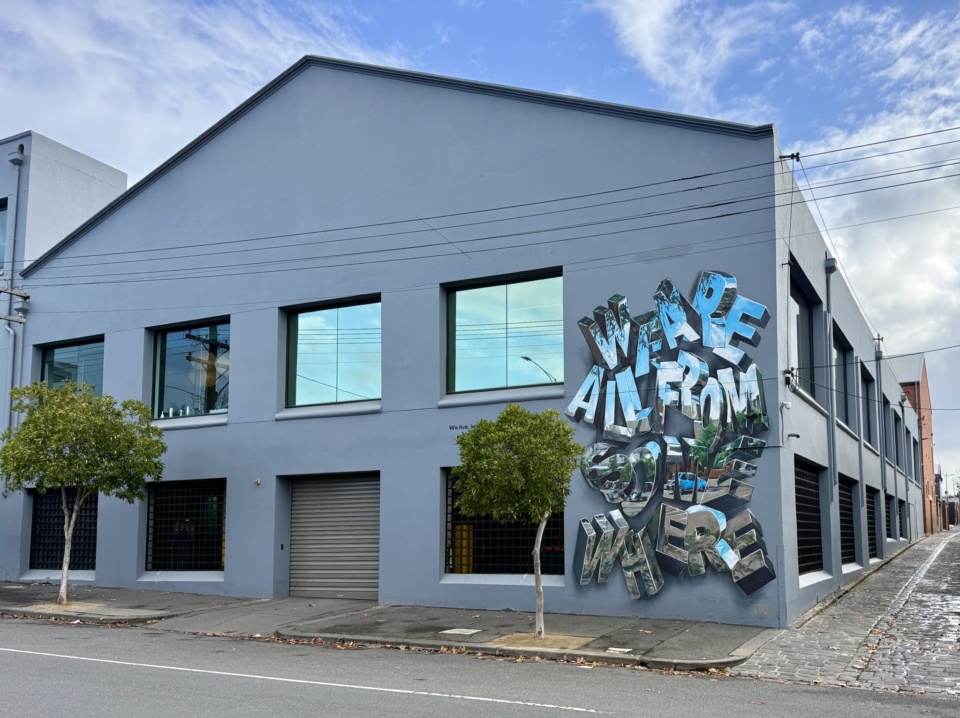
Our Community's founder and leader, Denis Moriarty, says he commissioned a new piece of street art…

Posted on 12 Aug 2026
Our Community's founder and leader, Denis Moriarty, says fostering a child was his worst nightmare,…
Posted on 15 Jul 2026
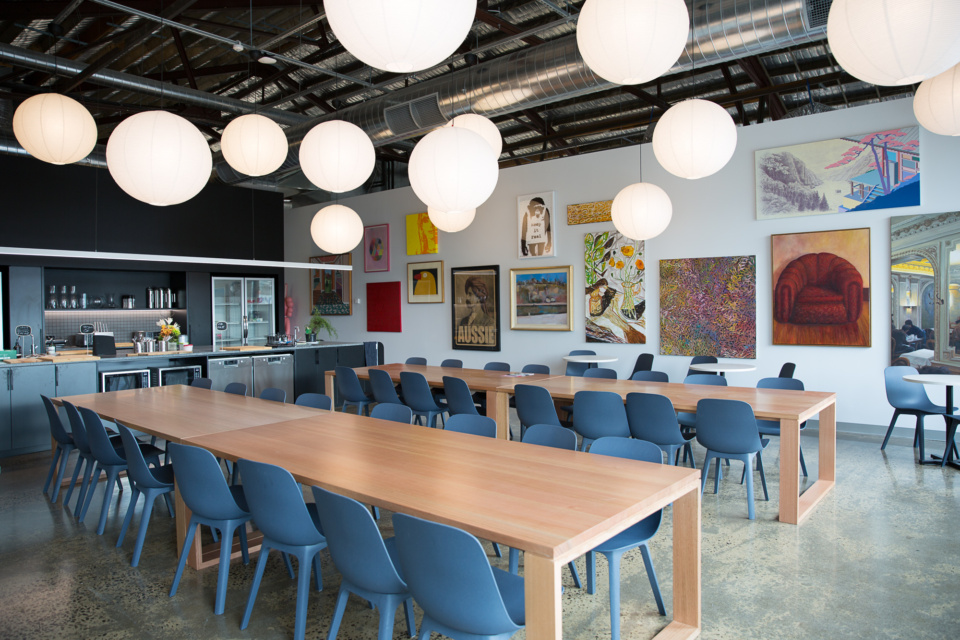
Our Community's founder and leader, Denis Moriarty, on what's special about the shared workplace…

Posted on 08 Jul 2026
The Royal Australasian College of Physicians has found itself facing serious scrutiny from the…

Posted on 30 Jun 2026
Australian house prices rose roughly 8,300 per cent between 1970 and 2025, so it would seem…
Posted on 17 Jun 2026
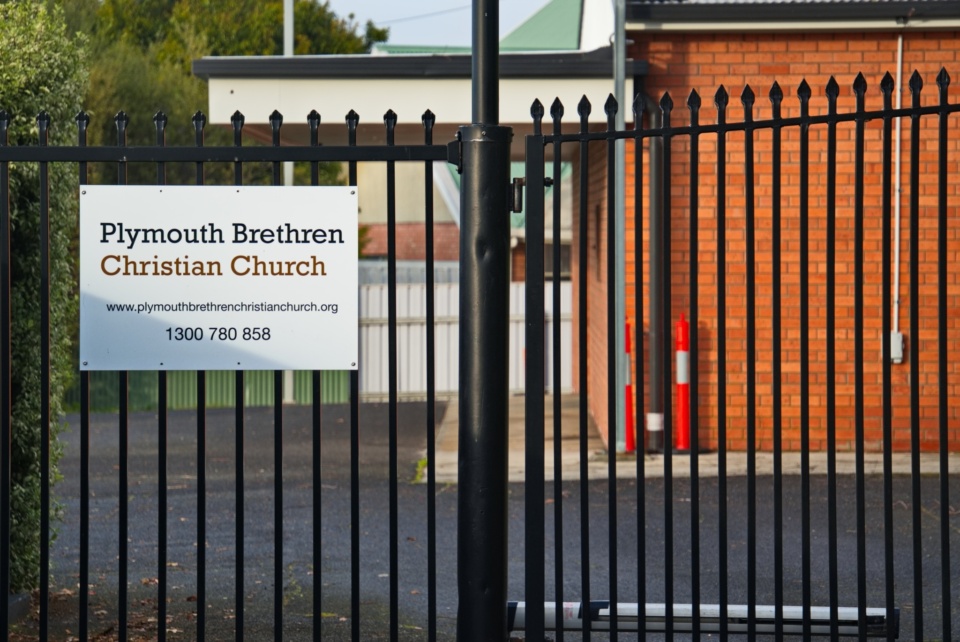
If charges are proven that members of the Brethren movement took part in partisan political…

Posted on 03 Jun 2026
Why exactly are we still getting a day off to celebrate a day that is not the actual birthday of…

Posted on 20 May 2026
It is not really a surprise that we have trouble getting our heads around what the rise of…