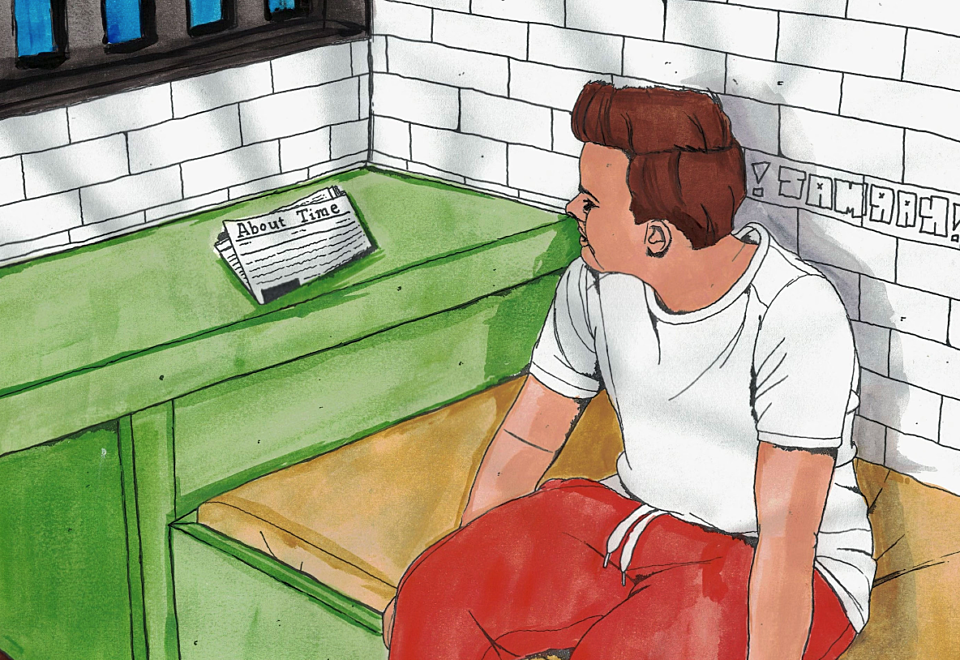
From passion project to a national prison newspaper, speaking to and for those doing time
Posted on 07 Oct 2026
Joseph Friedman is co-founder and publisher of About Time, Australia’s only newspaper for…
Posted on 22 Oct 2025
By Nick Place, journalist, Community Directors
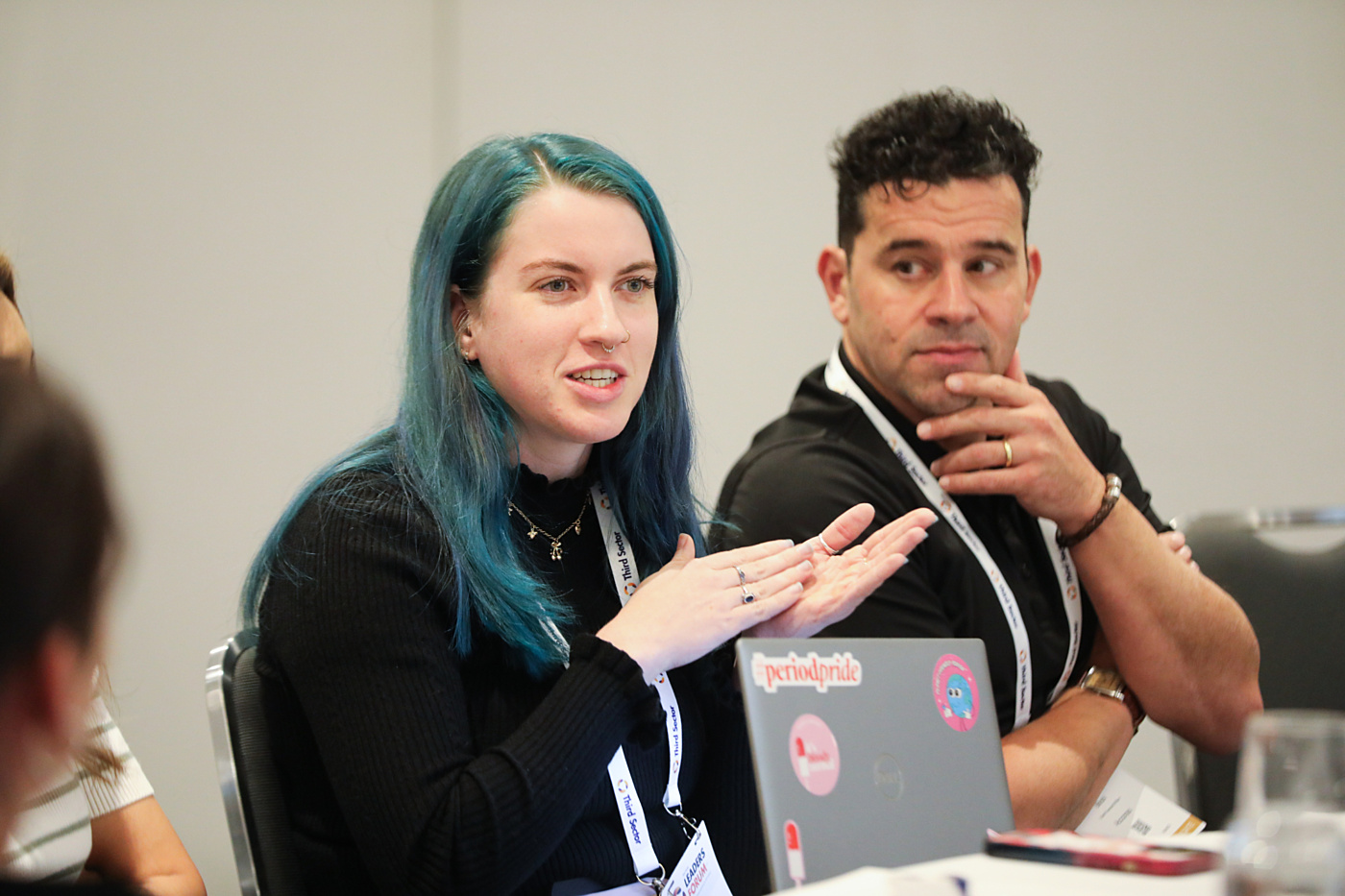
Brittiny Edwards is an advocacy and communications specialist for Share the Dignity, a charity that distributes period products to anyone who needs support in a crisis, whether they’re experiencing homelessness, fleeing domestic violence, or doing it tough.
I started as an intern. I was studying journalism with a minor in public relations at Griffith University in Brisbane, and I said to the person who organised the internships that if I was ever to leave journalism and move into PR, I’d want to do it for an organisation I was passionate about. They set me up with Share the Dignity, which was very small at the time, so I was working directly with Rochelle [Courtenay], the founder, and was there for about six months. I found my way back after mass redundancies at News Corp, via another not-for-profit.
I started off as a marketing communications coordinator, then became the marketing communications specialist, and now I’m the advocacy and communications specialist.
We’re working to ensure menstrual equity, which means not just providing period products, but advocating for lasting change to government (Share the Dignity helped end the “tampon tax” in 2018). We also look at providing education materials and broader health outcomes. We have two major campaigns throughout the year, starting with our Dignity Drives, where we collect period products at Woolworth supermarkets across the nation, twice a year. We also have “It’s in the bag”, where we collect bags filled with essential items to give out to women, girls and those who menstruate who are fleeing domestic violence, experiencing homelessness or extreme poverty.
In 2024, we did a major piece of work, the Bloody Big Survey – we like our puns. It was a national survey that had 153,000 Australian respondents who menstruate. Results showed that the number of people who have experienced “period poverty” in Australia is quite alarming. We found 64 per cent had struggled to afford period products and the findings showed that there are certain criteria that make people a lot more likely to experience it. If you’re homeless or if you are gender diverse, you’re more likely to experience period poverty, as well as if you’re Aboriginal or a Torres Strait Islander, or if you’re fleeing domestic violence. But then we also found that a lot of low and middle-income earners were experiencing period poverty. When you look at the cost-of-living crisis and post-covid, people [in need] can even have a full-time job, but still, with everything else increasing, period products are often the first thing to come off the shopping list, to be able to put food on the table and buy other essentials.
We’re continuously working in that space, and we continue to push to create change. In the survey, we collected postcode data, so we’ve been able to go out to every council in Australia, asking them to help us ensure menstrual equity. We’ve successfully advocated for schools to provide period products in some shape or form, across almost all of Australia. Now we’re pushing for that to include primary schools, because some girls get their period as young as eight, and we are advocating for period products provided in custody settings. There’s a lot of work still to be done. We’re working to have those conversations, but I think what we’ve been able to achieve is quite special.
Yeah, it's a big thing. It means that you need to explain it earlier than you think, because otherwise if you get your period and you don’t know what it is, it’s quite a scary thing. We had lots of people telling us that they thought they were dying. Fifteen per cent of respondents didn’t know what a period was before they got it.
“Speaking to the people who’ve been impacted from our work just continues to be the driving force.”
Being able to see the difference. I’ve gotten to speak to women who are fleeing domestic violence and received a bag, and I think I really like the tangible aspect of the work we do. I think it’s hard not to be empathetic at the idea of somebody not having the basic essentials that they need. It’s also something that a lot of women have experienced in school – you’re caught off guard and you’re too nervous to go up and speak to the school and ask for something. To think that that is somebody’s daily occurrence and that they don’t have that choice, I think it’s hard not to resonate. Speaking to the people who’ve been impacted from our work just continues to be the driving force, and also working with Rochelle Courtenay, our founder. She’s so incredible passionate and it’s hard not to be motivated by her energy in the space.
I do aerials, kind of circus-in-the-air stuff, with silks and lyra. That’s probably my biggest way to decompress. It’s kind of the one time that my brain switches off. But also, working for a not-for-profit. I think if you weren’t passionate about it, obviously it isn’t always easy, but it would be a lot harder to do if there wasn’t the passion as the driving force behind it. I couldn’t imagine doing this for a big corporate just looking to make money. I don’t know how I would work so hard for an organisation I didn’t care about.
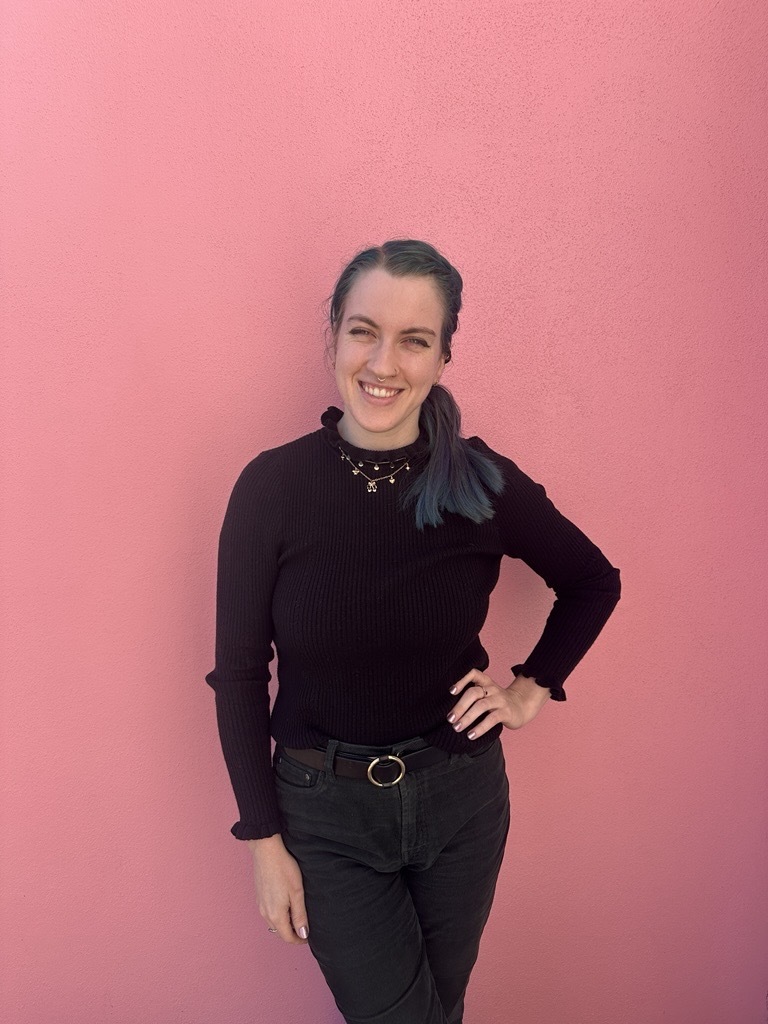
It’s only recently been blue. It was originally purple or pink, as of a couple of weeks ago. I’ve had coloured hair probably since 2018. I just don’t feel me without it. When I first went for my job in journalism, I made it a neutral colour, to get the feelers out, whereas I went for the job at Share the Dignity with pink hair, and I had pink hair as an intern, and Rochelle just said I was on brand.
Posted on 07 Oct 2026
Joseph Friedman is co-founder and publisher of About Time, Australia’s only newspaper for…
Posted on 30 Sep 2026
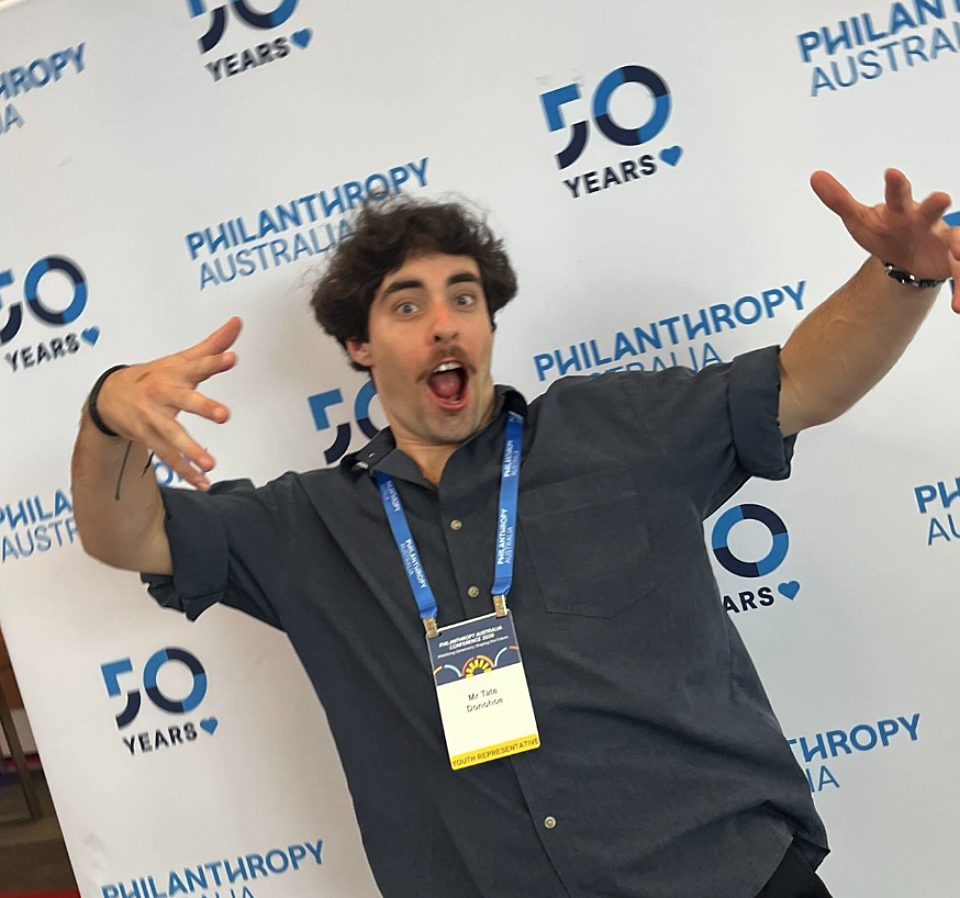
At 21 years old, Tate Donohoe is the founder of Ecodia, an AI-assisted software development company…
Posted on 02 Sep 2026
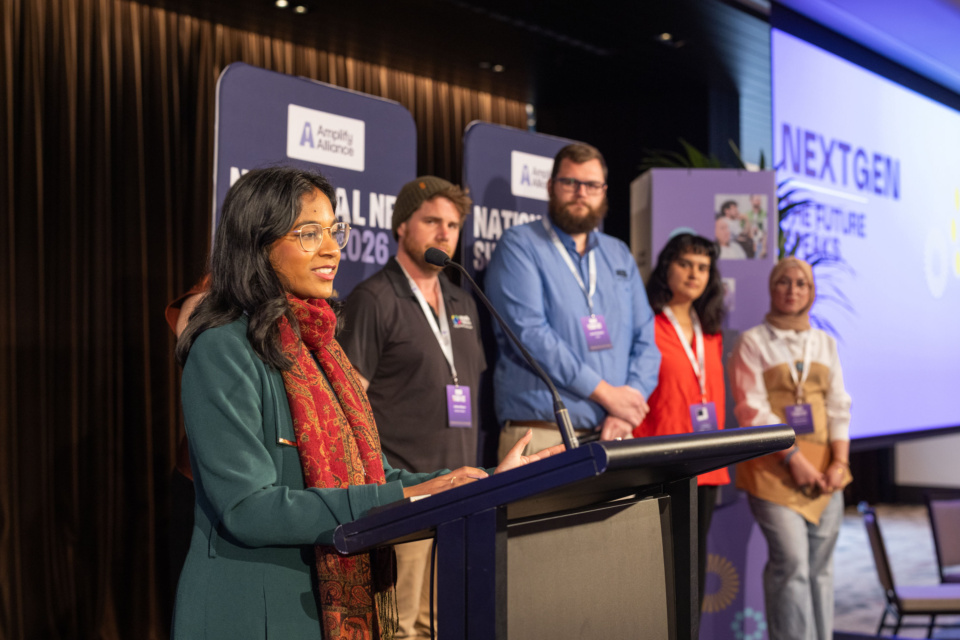
At last week’s Amplify Alliance National NFP Summit, Satara Uthayakumaran, 23, brought the voices…
Posted on 26 Aug 2026
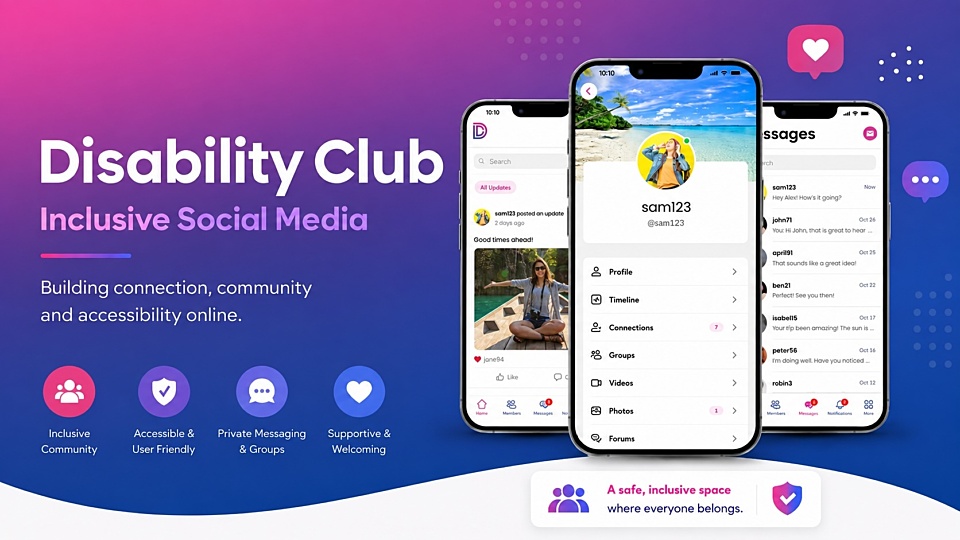
Nathan Johnston lives in Bega, NSW, and lives with cerebral palsy. He’s the creator of Disability…
Posted on 19 Aug 2026
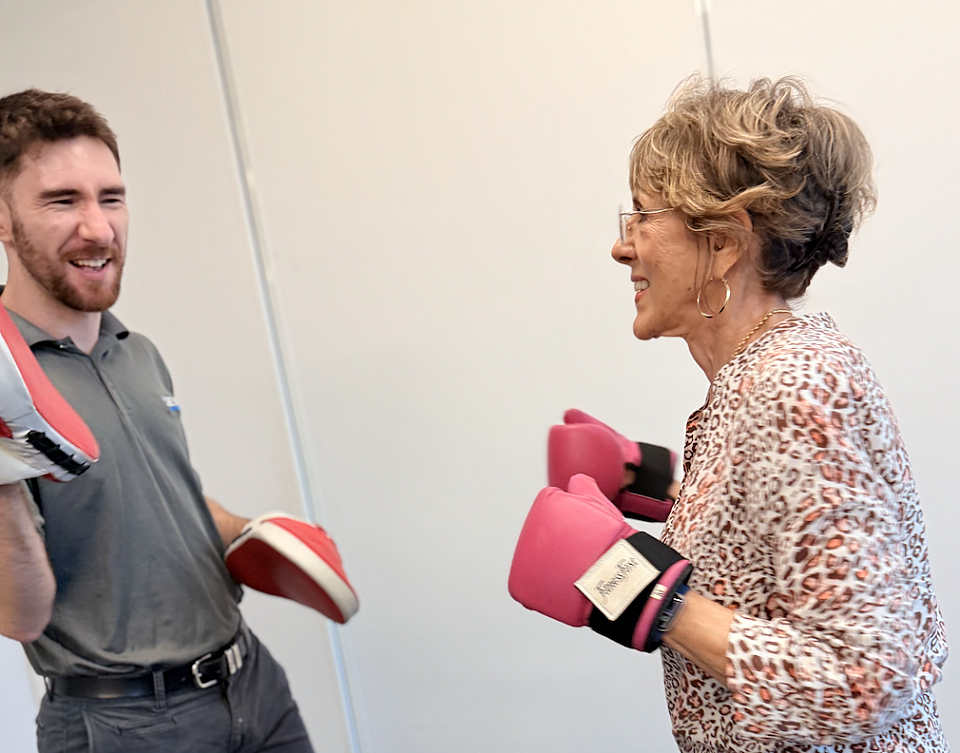
Coralie Wales is the founder of Strong Australia, an ACNC-registered health promotion charity that…
Posted on 08 Jul 2026
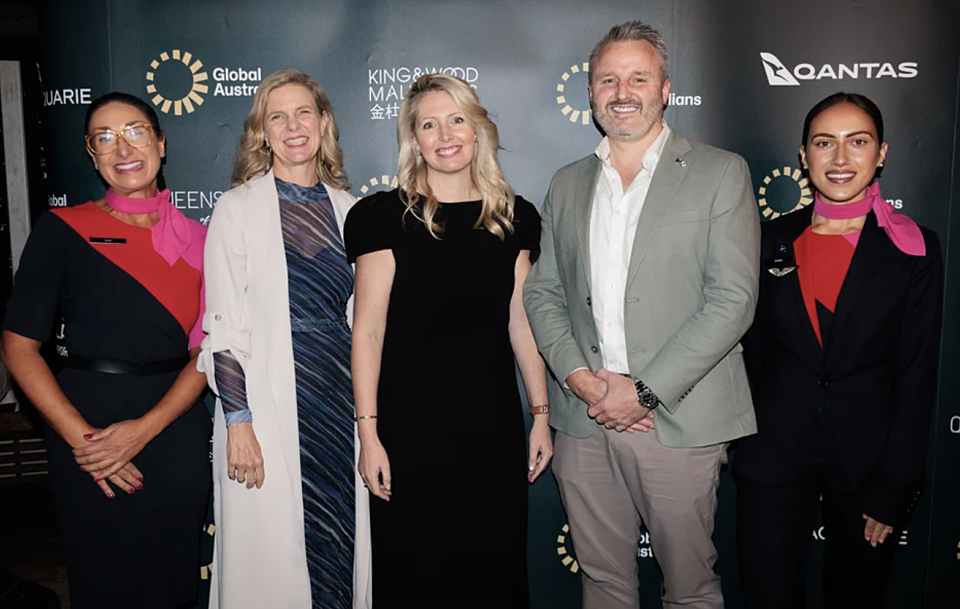
Kate McQuestin is CEO of Global Australians, a not-for-profit aimed at connecting Australians…
Posted on 30 Jun 2026
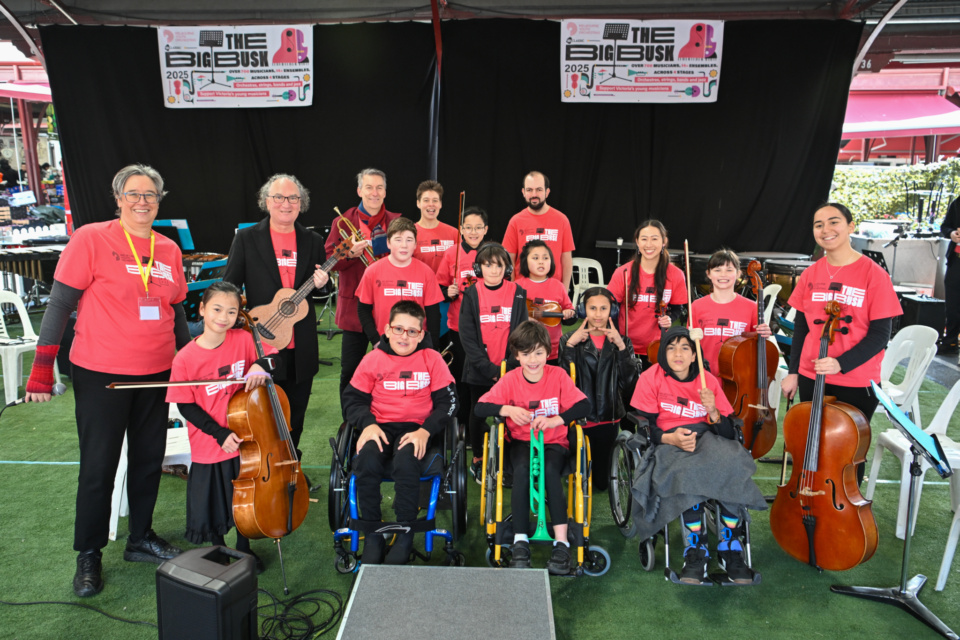
Anthea Skinner is a musicologist, a senior lecturer in disability creative performance at the…

Posted on 24 Jun 2026
Lizzie Mettam manages corporate partnerships for DV Safe Phone, an organisation that provides…
Posted on 17 Jun 2026
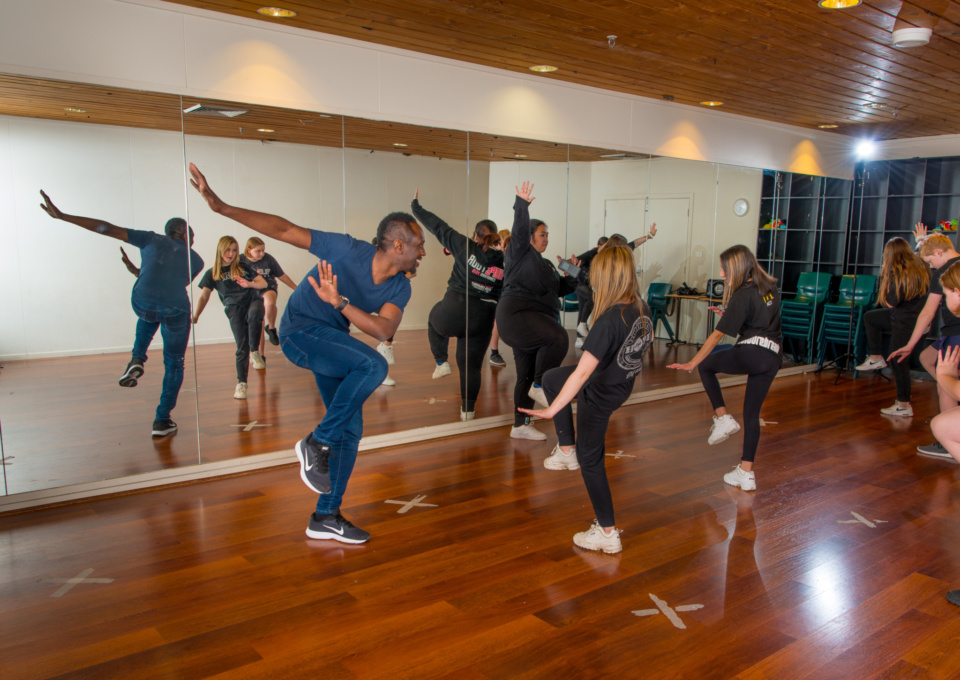
Francis Owusu is the founder of Kulture Break, a charity that helps young people build confidence,…
Posted on 10 Jun 2026
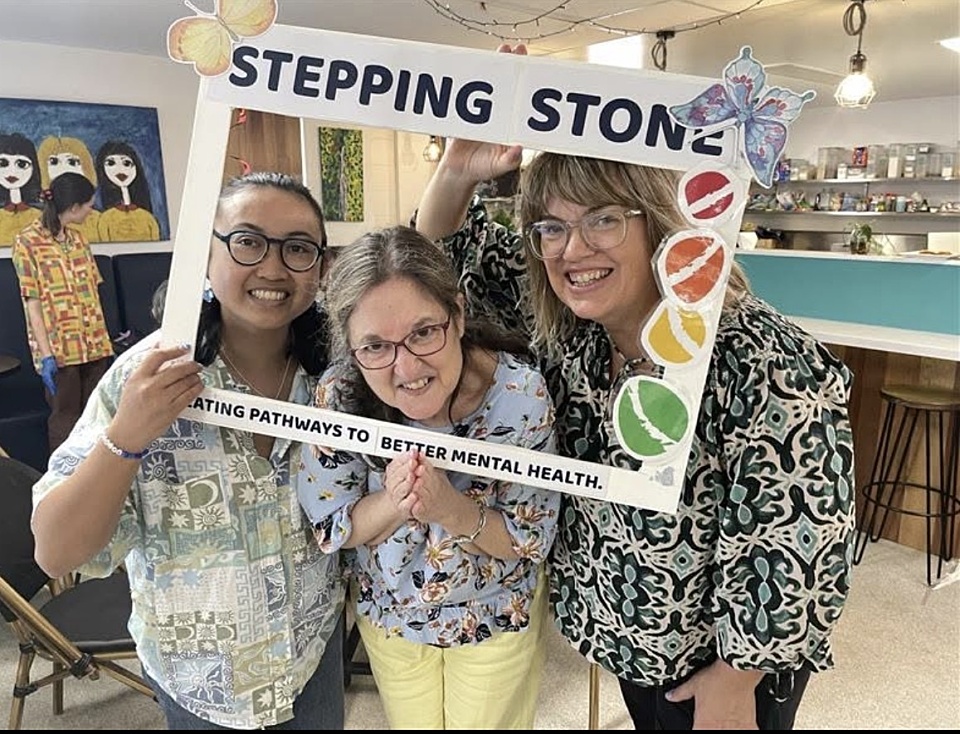
Melanie Sennett is the chief executive officer of Stepping Stone Clubhouse, a Brisbane charity that…
Posted on 03 Jun 2026
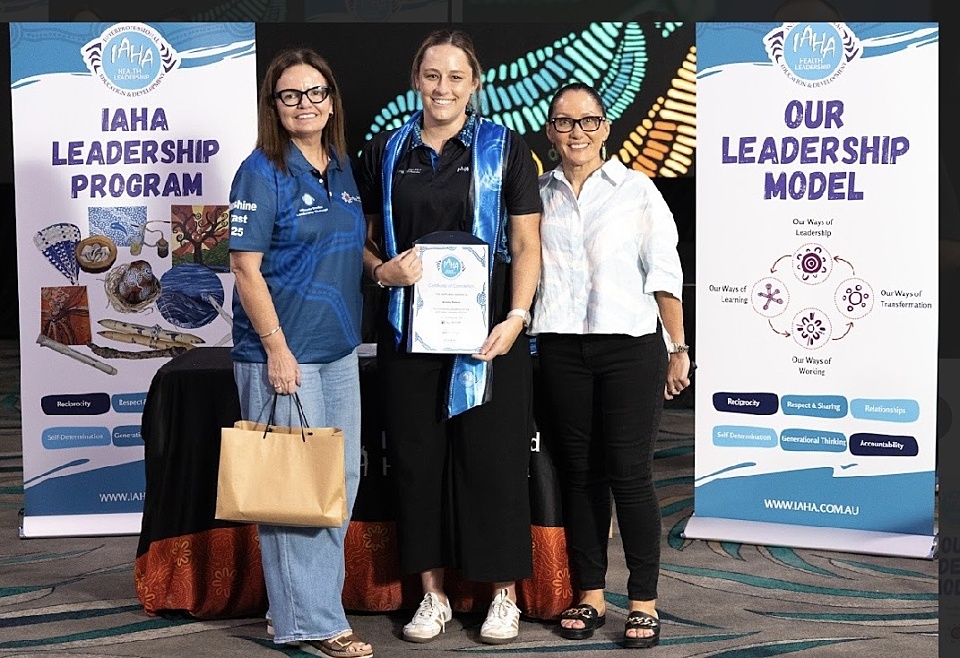
Kristy Petrie is a paediatric physiotherapist and proud Gooreng Gooreng woman who sits on the…
Posted on 27 May 2026
Maria Owen is the CEO of ImpactLab, a New Zealand social enterprise that analyses data for…