
Philanthropists ask: Can we forge a better future?
Posted on 17 Sep 2026
Australia’s biggest gathering of philanthropists, which drew more than 1200 delegates to Brisbane…
Posted on 15 Apr 2026
By Matthew Schulz, journalist, Community Directors

Not-for-profits that seek to solve performance problems by hiring new staff might be missing the underlying cause, according to organisational development specialist Chloe Hall.
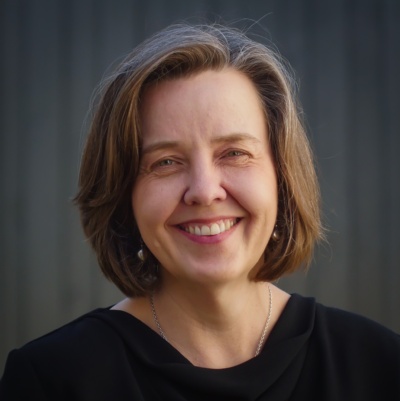
Hall, who recently joined Community Directors as a trainer, said poor systems and culture, not talent shortages, could be the real cause of underperformance.
“I think at the heart of high performance is great culture and I think at the heart of great culture is really good leadership,” she said.
And if that culture isn’t working, recruitment won’t fix it.
Hall brings to her new role more than a decade of experience in building better organisations in the corporate, community and tertiary sectors, and before that she had an accomplished career as a singer-songwriter.
She grins broadly as she talks about what people can achieve when they’re working in concert. While she now spends less time on the guitar and more time on the computer keyboard devising harmonies for organisations, she still relies on the skills she built on stage, even when walking into an office.
“It’s reading a room. It’s storytelling. It’s like engaging people and sharing something together. It’s so transferable!”
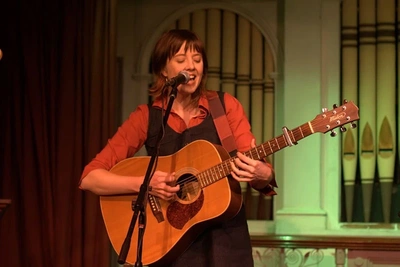
Hall described organisational development as being “focused on creating the conditions where people can do their best work”.
“Essentially you're helping people identify and solve their own problems.”
This includes looking at strategy, capability and leadership frameworks, and performance cycles – the “unseen levers” behind culture and productivity.
The aim, she said, was to improve an organisation’s culture and productivity while addressing problems that can cause an organisation to “go off the rails”.
She said leaders – including board directors – were crucial to a great culture.
“If you've got leaders who can create the conditions where people feel safe to be themselves, where they want to turn up and give their best, where they feel like they can take a risk and not be judged … that's when people are likely to take calculated risks, to put a crazy idea forward, because why not?”
She said leaders need to ask, “What creates the environment for people to lean into their strengths, to love what they do?”
Hall said she is wary of rigid key performance indicators (KPIs) which assume that high performance can only happen in a narrow way.
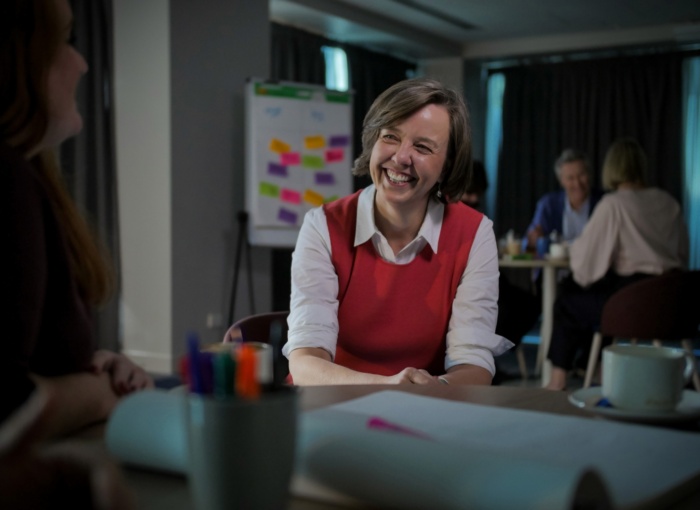
One of the mistaken assumptions she sees in not-for-profits is that change can be achieved through hiring alone.
“Often people think that if you get rid of the ‘bad apples’ and you just recruit in, you're going to solve your problems.”
That approach ignores root causes such as poor culture or “an impossible workload”.
“One of the dangers in ‘knee-jerk recruitment’, when there is high turnover, is that you’re just recruiting into that same environment.”
Organisational cultures were surprisingly persistent, and boards and chairs had a role to play in shaping them to be positive, flexible and high-performing.
Those wanting to develop organisations must learn about what drives people to want to leave.
“One of the really powerful tools for understanding [a problematic culture] is the exit interview.”
Leavers have “nothing to lose and they’ll say it how it is”, she said, when asked: “What happened? Did this place meet your expectations? What worked? What didn't? What are you pursuing now?”
Referring to the concept that high performance equals potential minus interference, Hall said, “If you have high performing people who are either unhappy or leaving, understanding what the interference is, is going to help unlock the next chapter of a hopefully much more positive phase for the organisation.”
“I think where more progressive organisations are moving to is ‘recruiting for capability’.”
Hall said that organisations should look beyond the job titles and experience of potential recruits.
“It's dangerous to treat recruitment as a transactional HR process.”
She said many larger organisations defaulted to hiring candidates who had previously held roles identical to the ones being filled.
“I think where more progressive organisations are moving to is ‘recruiting for capability’.”
While technical skills could be taught, potential and capability were harder to instil, she argued, saying that a recruit with great capability was “a worthy investment”.
Hall finds herself ready to demonstrate that philosophy as she retools for a training role with Community Directors.
While a slight detour from her previous role, the posting is consistent with her “unconventional career path” pulling together her diverse experience and knowledge of working with groups across the spectrum and building strong organisations and leaders.
While a diverse career portfolio is one thing, Hall also warned about hiring for “cultural fit”, which could lead to homogenous workplaces and groupthink.
“While it can feel cozy, it might stifle the potential of the organisation. You might want somebody who's going to have a different perspective. That may not be comfortable, but that unlocks a whole lot of new thinking and can take the organisation in new directions.”
Hall accepted that recruits needed to have the knowledge and technical skill required for a role.
“That's often what we recruit for. But on top of that, you want people who've got the thinking skills, who've got the people skills, and who've got the drive and the energy to make a difference in the organisation.
“That's where recruitment can get really interesting. You're not necessarily using your traditional matrix and ticking your boxes. You're finding out: Who is this person? What potential do they have? And what could that bring?
“We've got to be open to the potential of the person who's in front of us.”
Hall said the advent of artificial intelligence meant some people were beginning to “use the same phrases, do the same homework, and show up to the interview in the same way”.
But she stressed, “A capable person will have evidence in their story.”
“They’ll talk about opportunities they’ve taken, things they’ve built, problems they’ve solved. It’s about uncovering that, rather than asking how many times they’ve held a particular role.”
She said organisations also need to be open to the unexpected.
“I think for the not-for-profit sector, it's important to think about recruitment creatively. You may not find a project manager with exactly the skills you need, but you might find a highly capable office manager who could do it, and who is passionate about the work, and who is going to do amazing work getting the community stakeholders on board, and that might be exactly what you need.
“It’s thinking: Where else could we look? Who's doing adjacent work who could bring something different to this that might be what we need?”
Hall said some candidates may not have the right job titles on their resume, but if they have the right energy and demonstrate the capability to do the work, they could be excellent recruits.
Explore more resources in Community Directors' recruitment, induction and succession section
Posted on 17 Sep 2026
Australia’s biggest gathering of philanthropists, which drew more than 1200 delegates to Brisbane…
Posted on 17 Sep 2026
Experts in Australian philanthropy say there are stark differences between philanthropic money and…

Posted on 17 Sep 2026
One of Australia’s foremost fundraising observers says Australian not-for-profits must get the…
Posted on 17 Sep 2026
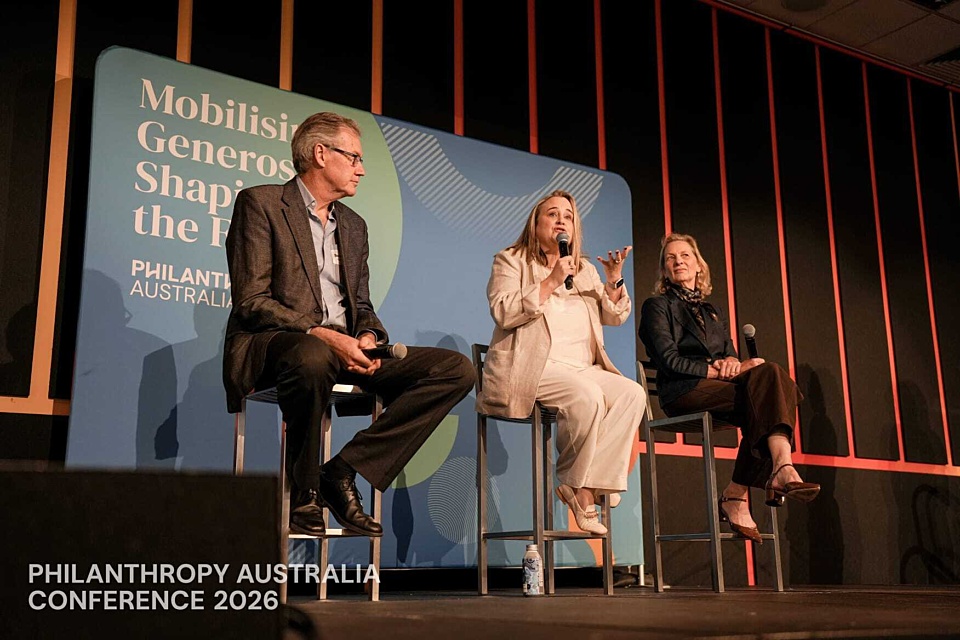
As direct giving dries up, charities face growing dependence on big donors and negotiating the…

Posted on 17 Sep 2026
Charities reported $14.8 billion in donations and bequests last financial year, the second-highest…

Posted on 17 Sep 2026
My father often googles my name, and as a result, years ago, I received a surprising gift in the…
Posted on 17 Sep 2026
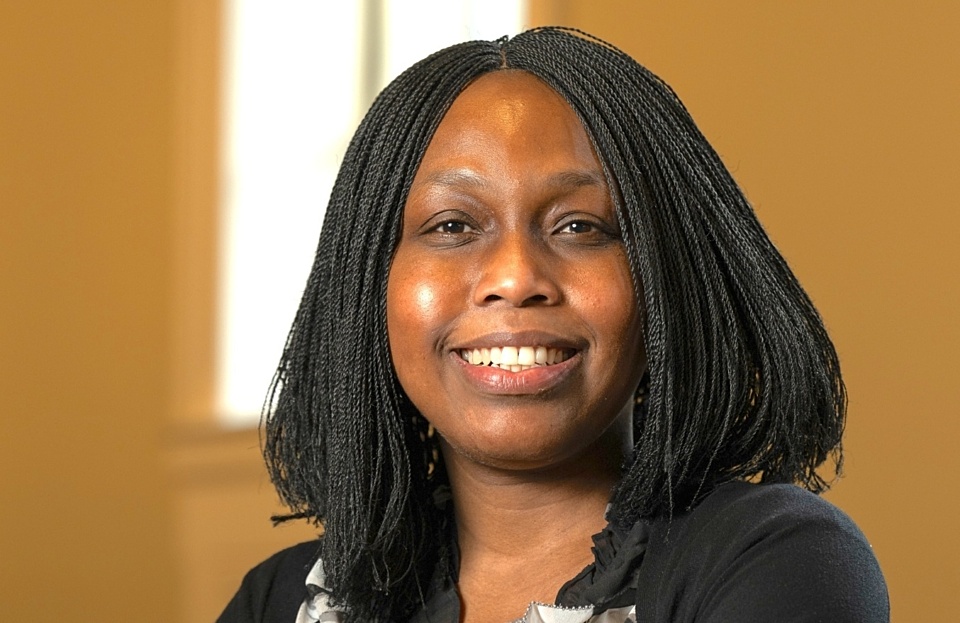
Where Evelyn Mugisha grew up in rural Uganda, the subjects and careers considered suitable for…
Posted on 09 Sep 2026
A global gathering of philanthropists in Brisbane this week is aiming to tackle society’s biggest…
Posted on 09 Sep 2026
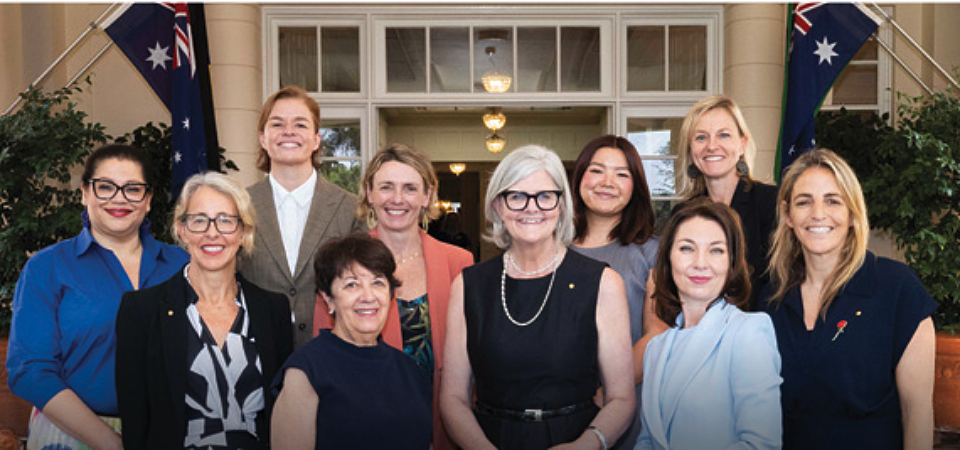
Media attention about women's philanthropy has more than doubled in three years, according to new…
Posted on 26 Aug 2026
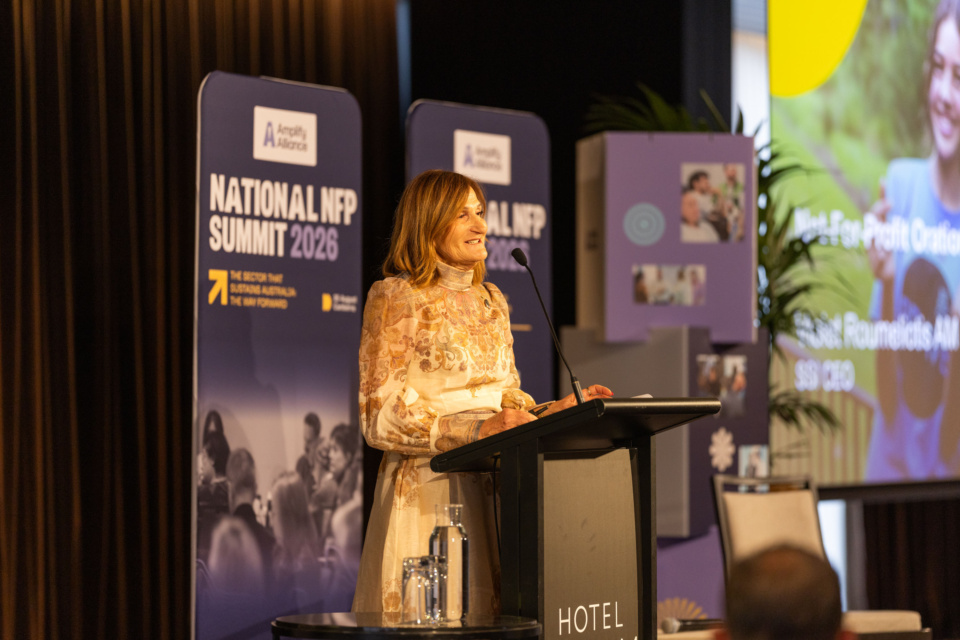
Sector leader Violet Roumeliotis has called on funders to stop treating not-for-profit…

Posted on 13 Aug 2026
As a teenager, I attended summer camp for seven years, first spending two weeks at a time camping…
Posted on 13 Aug 2026
Not-for-profits are full of people with great ideas, but that doesn’t mean they are set up for…