From passion project to a national prison newspaper, speaking to and for those doing time
Posted on 07 Oct 2026
Joseph Friedman is co-founder and publisher of About Time, Australia’s only newspaper for…
Posted on 12 Aug 2025
By Nick Place, journalist, Institute of Community Directors Australia
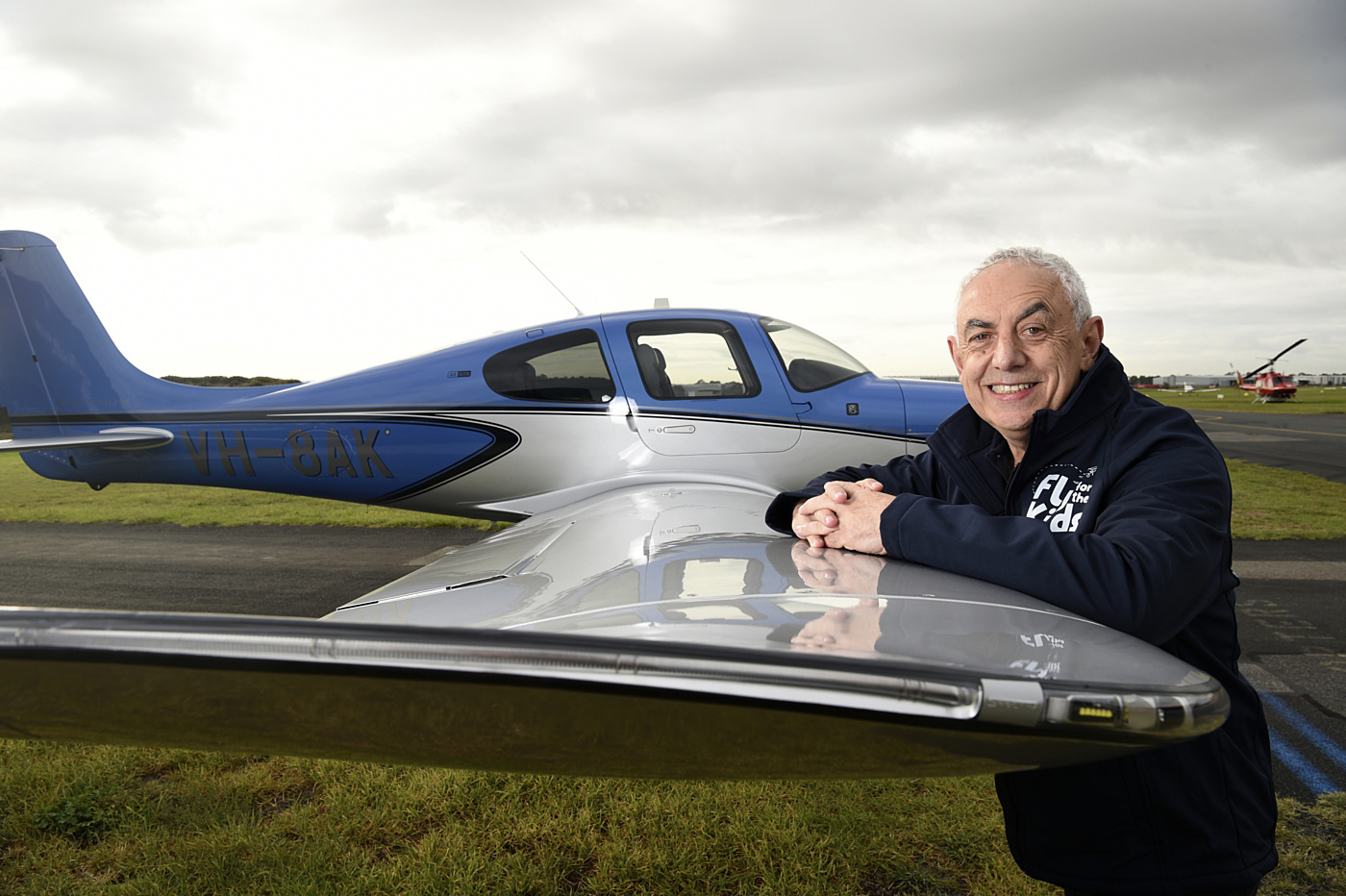
Associate Professor Andrew Kornberg, a senior neurologist at the Royal Children’s Hospital (RCH) in Melbourne, recently circumnavigated Australia in a small plane under the banner of Fly for the Kids to raise money for much-needed gene therapy infrastructure. We spoke to him about his mission.
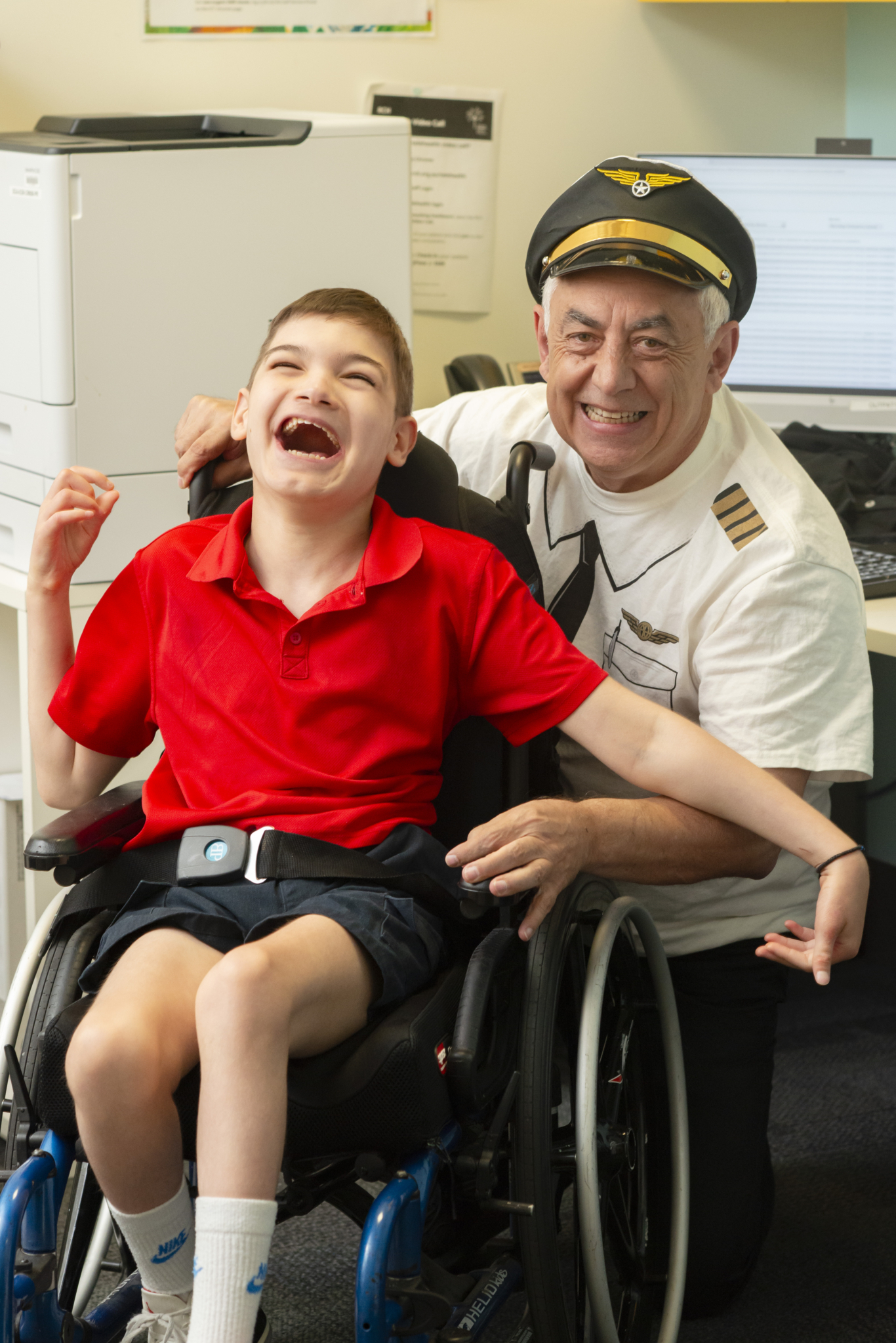
This was actually the second time I’ve done a fundraising flight. In 2017, I had a patient, a little girl called Brooke, who was about six when I met her in my role as a neurologist. She had abnormal stiffening movements, which basically made her life hell, and this was the happiest little person you would ever meet. Medications didn’t help and nothing we did could help. She was in and out of intensive care with painful spasms to the degree that we had to sedate her to relieve the spasms. There was a treatment for adults, deep brain stimulation, but it wasn’t readily available for children, which didn’t make sense. In fact, the government used to send paediatric patients overseas to have this procedure done, while Australia is a first-world country with the best neurosurgeons, great neurologists, all the best imaging, yet we couldn’t offer deep brain stimulation to Brooke. So my first flight was [to raise money] to establish a complex movement program at the RCH, which would include brain stimulation. It raised $1.4 million, which basically established the clinic for the first five years, and the great news is that Brooke got deep brain stimulation and went from being in and out of intensive care to getting out of her wheelchair and walking to me to give me a hug. But this clinic has been able to help countless more children and young people and still continues to be a vital program at the RCH today.
Well, the first one was related to the Complex Movement Disorders program and for kids like Brooke who so desperately needed this service. I never thought I would do something like this again, but this time it’s even more critical and sometimes when things are critical and hard, somebody has got to do it.
Rare diseases are defined as conditions that occur in less than one in 2000 people. But there are 10,000 rare diseases, and when you put them all together, that makes 10 per cent of the Australian population suffering from one or more of them. This includes diseases like spinal muscular atrophy, muscular dystrophy, particular types of epilepsy syndromes or bone marrow failures. What we know is that if a child has a rare disease, one-third of them will not reach their fifth birthday. In spinal muscular atrophy, which occurs in one in 10,000 births, when a child is diagnosed – say, a decade ago, the child would be in and out of hospital, getting weaker, and would pass away by about the age of two. It was a nightmare.
But over the last decade, there have been new therapies and treatments, and about six years ago, a gene therapy became available for spinal muscular atrophy. If it is administered early enough, that child can be cured. And now we’re at a stage where with gene therapy, we have established newborn screening so that every baby is screened and if they have the condition, they administer gene therapy and the children can live normal lives.
That’s just one disease. Two-thirds of rare diseases are genetic in type, and right now, we can do gene therapy at the hospital, on an ad hoc basis, but we don’t have dedicated beds, we don’t have dedicated staff or infrastructure. There is only one dedicated centre in the world, in London, but we should have one in Australia, and as one of the world’s top five paediatric hospitals in the world, the RCH in Melbourne is the perfect place for it.
Yes, I went to the Royal Children’s Hospital Foundation and the Live Life Foundation to say we’ve got to do this and raise $4.5 million to start this process happening for the kids. Governments don’t fund dreams, they fund bricks and mortar stuff, so this flight became my way of getting the word out that rare diseases matter and have treatments and will have new treatments in the future. We need to have a dedicated precinct to allow these treatments to happen and research to be able to happen. We’ve got to be ahead of the game so when these advanced therapy treatments become available, we have dedicated beds, so they can be delivered sustainably and so that kids don’t miss out.
“Fly for the Kids is probably the most important thing that I’ve done because this can help all the kids now and into the future.”
I love flying. My passions are my family, medicine and neurology, and flying. I use my flying skills to do outreach clinics in remote New South Wales, flying an hour and a half each way, to be able to visit patients there every six weeks. The difference with Fly for the Kids is that I had to circumnavigate Australia, flying virtually every day, and often for four or five hours at a time.
I have a Cirrus SR 22, a single-engine plane. I’m an instrument-rated pilot so I could fly in cloud, sometimes for hours. The flight was hard, very difficult, but nothing like the difficulty that patients and families suffer on a day-to-day basis. Every day, I was getting up at 4am to check the weather, lodge all my flight plans, get in a cab, go to the airport, get the plane ready. Then fly for hours, land, fuel up and fly again. I’d land, go to my hotel, eat and start planning the next day. That was 22 out of the 24 days, with two rest days. I flew clockwise to get the hard part of Australia, which is essentially the southern part and up the west coast, done early when I was fresh. It was lonely in the plane, unless I had supporters or sponsors come on a short leg with me. But I also saw incredible sights because this is the most beautiful country in the world, and I met amazing people, supportive of the flight and who knew what the Children’s Hospital is all about.
But I was knackered. It was the toughest thing I’ve ever done, but also the most incredible thing I’ve ever done.
My mum told me something when I was about 12 years old. She told me, “Andrew, in life, you’re born and then you die. But it’s what you do in between that’s important.” My mum is gone now but it’s something I always remember and cherish. Every day that I go to work, I am privileged that I do what I can do. And I am privileged that families allow me to be part of their lives for sometimes 25, 30 years.
Fly for the Kids is probably the most important thing that I’ve done because this can help all the kids now and into the future, and it will become something that is Australia-wide with dedicated beds and dedicated infrastructure in the end.
I don’t know. I’m still recovering from this one. I suppose if there’s something in the future that feels as important as advanced therapies, the answer is I would contemplate it. I mean, I think why this year’s flight had to be done is because it is the right thing, and there might be another right thing. I mean, kids don’t vote and can be second class citizens sometimes. As I said, governments don’t fund dreams, but we can make it come true.
Fly for the Kids has so far raised about half of its $4.5 million target and is seeking philanthropic or other support to reach its goal. Click here for more detail.
Posted on 07 Oct 2026
Joseph Friedman is co-founder and publisher of About Time, Australia’s only newspaper for…
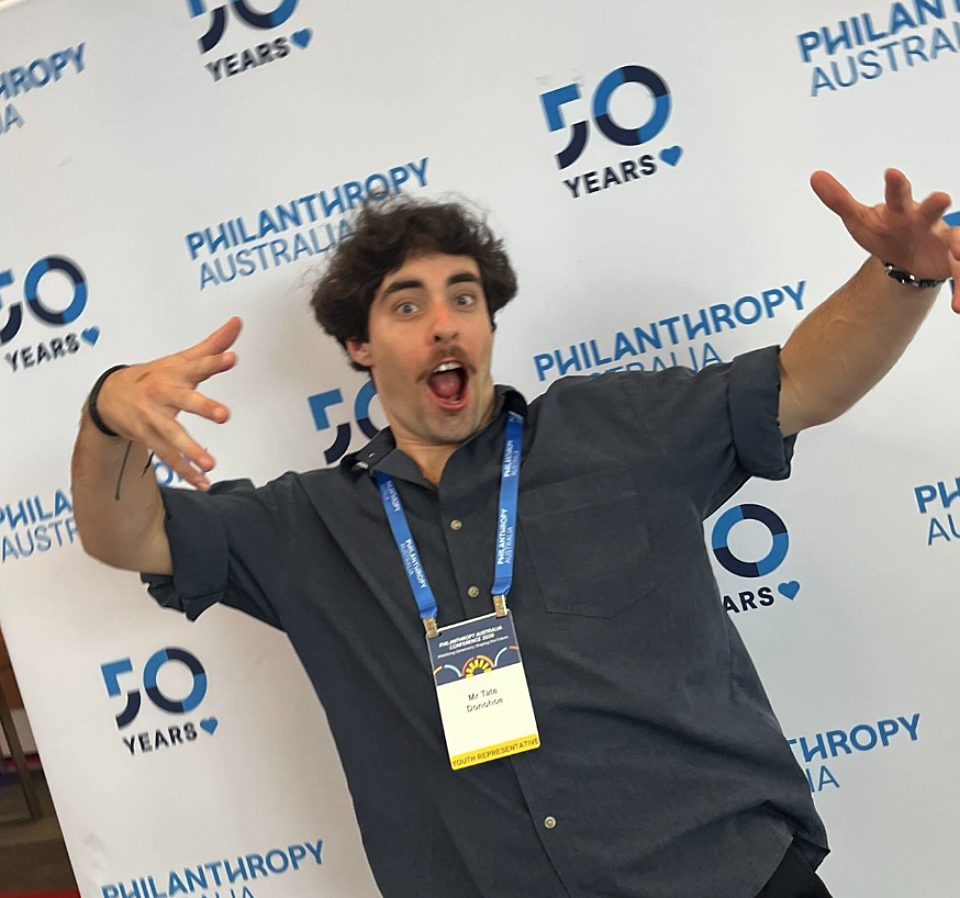
Posted on 30 Sep 2026
At 21 years old, Tate Donohoe is the founder of Ecodia, an AI-assisted software development company…
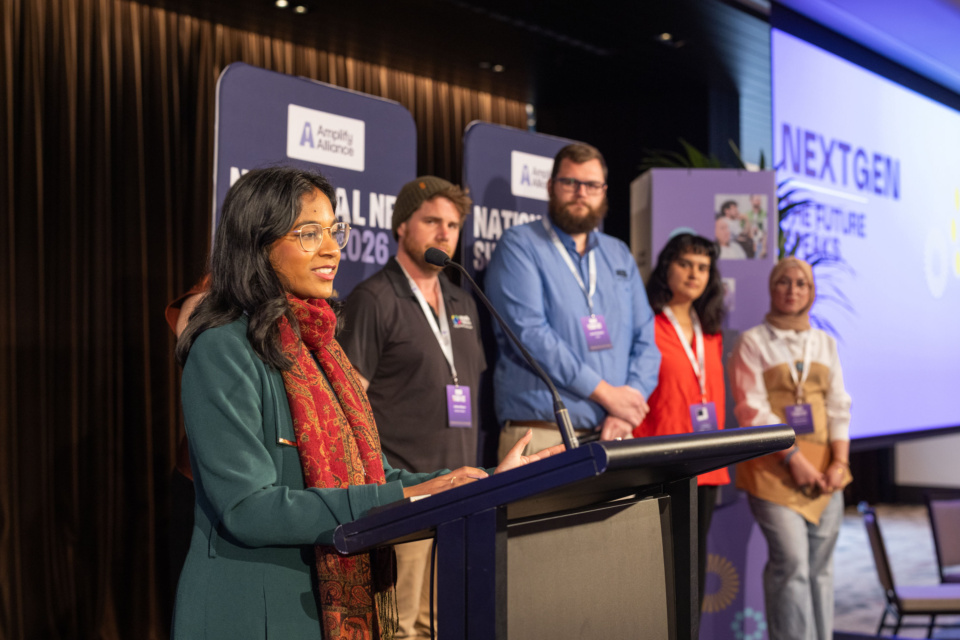
Posted on 02 Sep 2026
At last week’s Amplify Alliance National NFP Summit, Satara Uthayakumaran, 23, brought the voices…
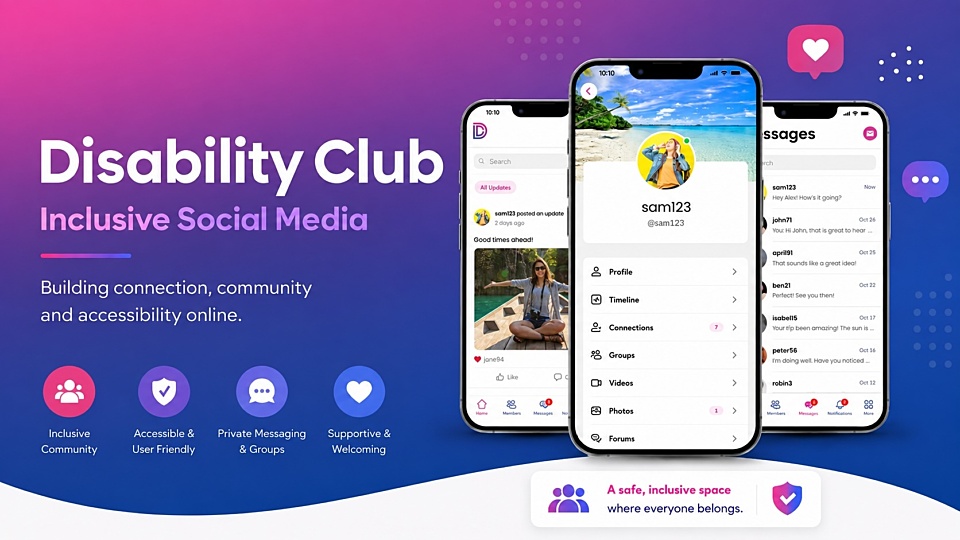
Posted on 26 Aug 2026
Nathan Johnston lives in Bega, NSW, and lives with cerebral palsy. He’s the creator of Disability…
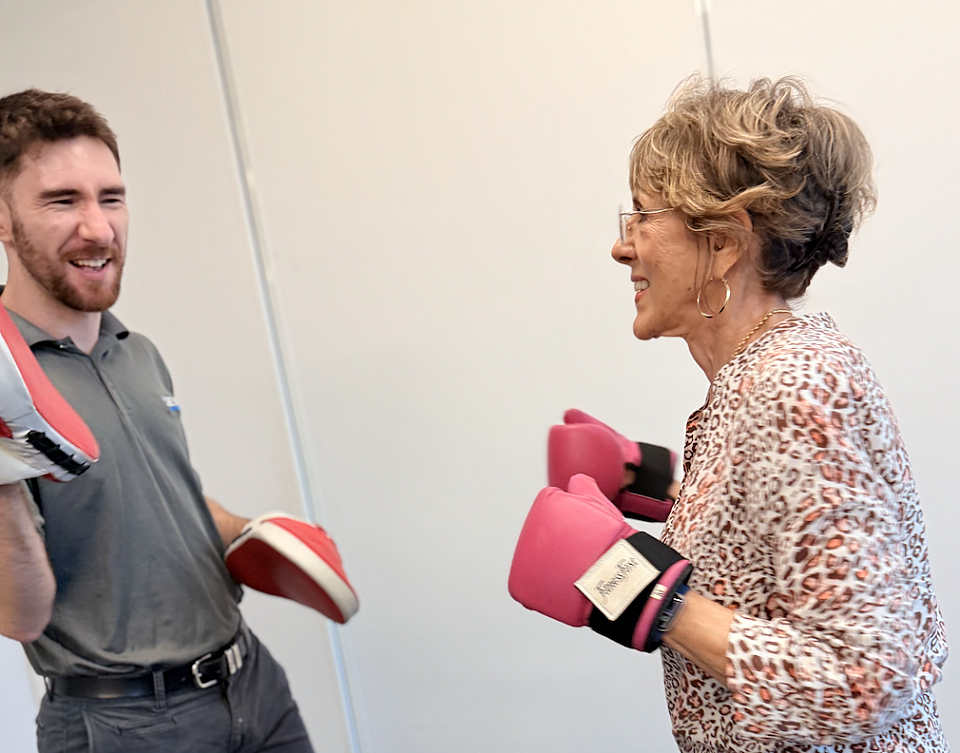
Posted on 19 Aug 2026
Coralie Wales is the founder of Strong Australia, an ACNC-registered health promotion charity that…
Posted on 08 Jul 2026
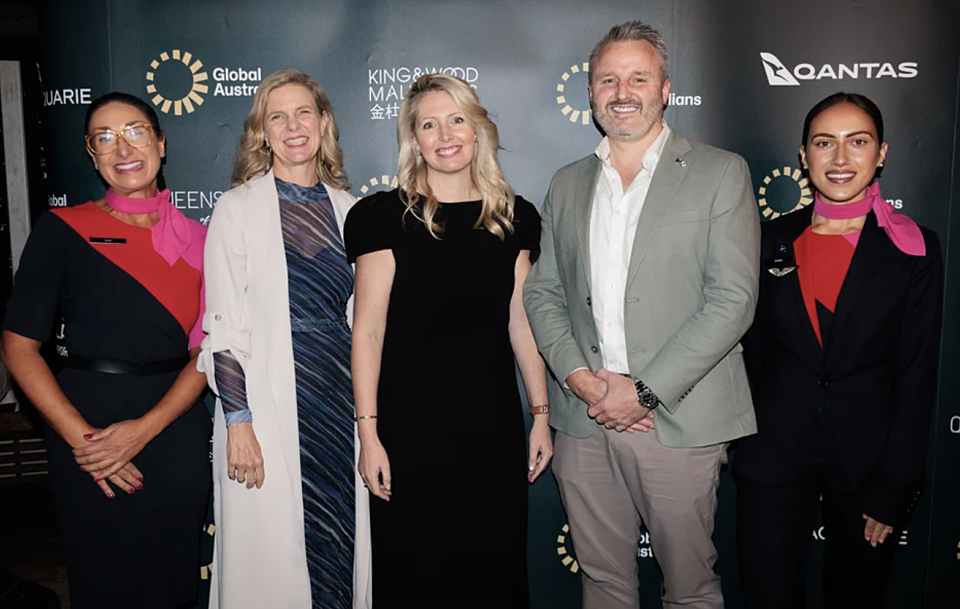
Kate McQuestin is CEO of Global Australians, a not-for-profit aimed at connecting Australians…
Posted on 30 Jun 2026
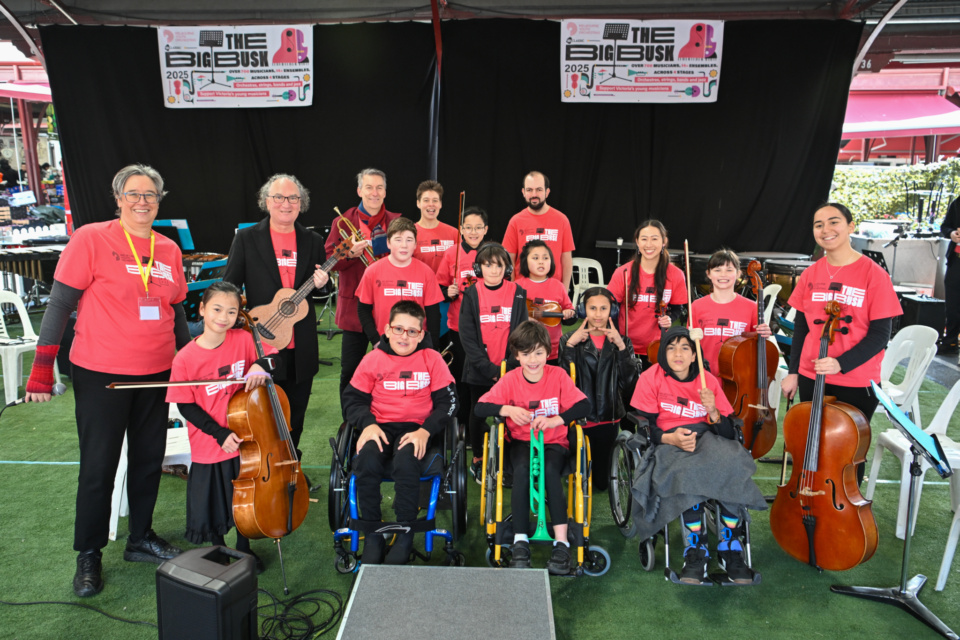
Anthea Skinner is a musicologist, a senior lecturer in disability creative performance at the…

Posted on 24 Jun 2026
Lizzie Mettam manages corporate partnerships for DV Safe Phone, an organisation that provides…
Posted on 17 Jun 2026
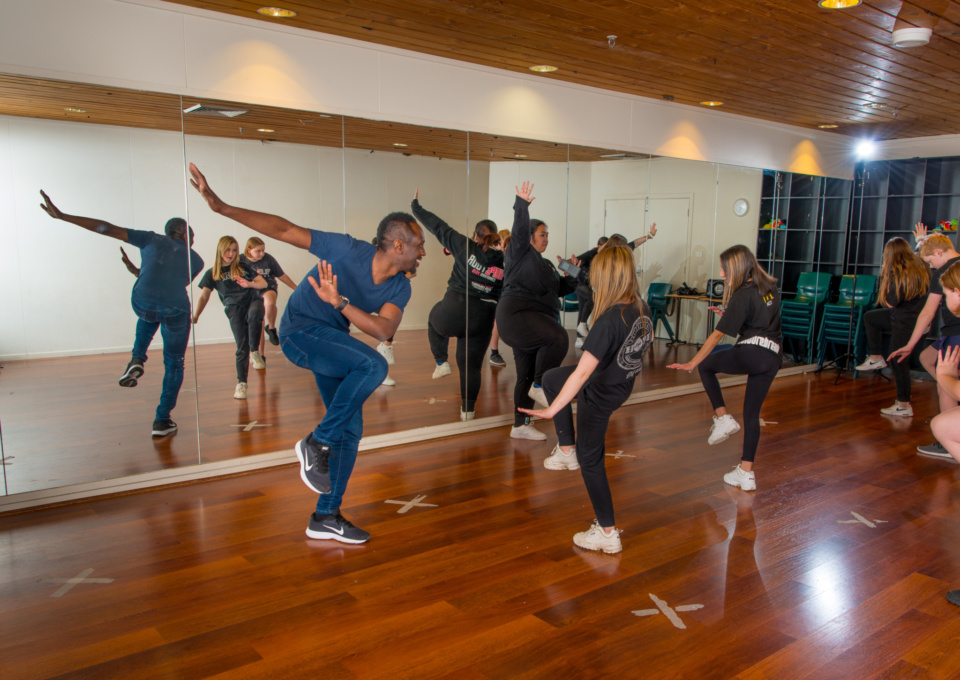
Francis Owusu is the founder of Kulture Break, a charity that helps young people build confidence,…
Posted on 10 Jun 2026
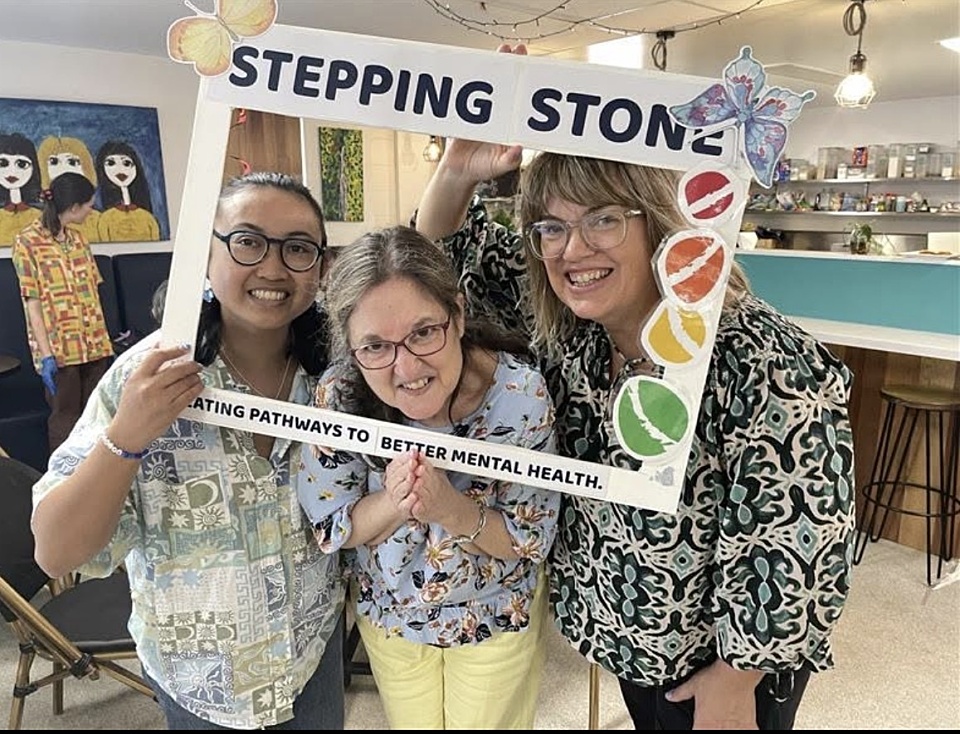
Melanie Sennett is the chief executive officer of Stepping Stone Clubhouse, a Brisbane charity that…
Posted on 03 Jun 2026
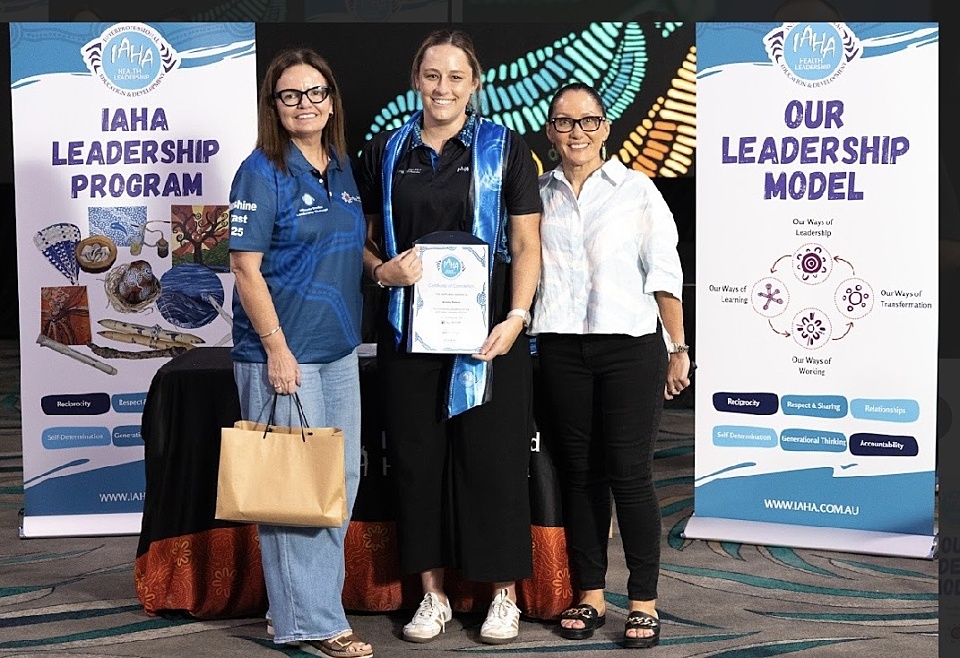
Kristy Petrie is a paediatric physiotherapist and proud Gooreng Gooreng woman who sits on the…

Posted on 27 May 2026
Maria Owen is the CEO of ImpactLab, a New Zealand social enterprise that analyses data for…