
Save Izzy: campaign calls on government to restore funding for vital services directory
Posted on 07 Oct 2026
A major public campaign launched this morning is calling on the federal government to restore…
Posted on 22 Sep 2025
By Nick Place, journalist, Institute of Community Directors Australia

Navigating the stress and medical demands of a cancer diagnosis is difficult enough for anybody, let alone patients whose first language is not English and who come from culturally diverse backgrounds. The Walter and Eliza Hall Institute of Medical Research (WEHI), supported by Movember, is working to change that, by tracking the healthcare experiences of culturally and linguistically diverse (CALD) men diagnosed with prostate cancer.
The WEHI researchers say the project, known as PROCAP, aims to explore the issues faced by CALD patients and close any gaps in their care. By assessing the experience of hundreds of patients, they hope to identify how cultural factors affect care and outcomes.
Clinical researcher Associate Professor Ben Tran said he was motivated to launch the study after his own experience of watching his Vietnamese grandfather die from metastatic prostate cancer in 2005.
Instead of being prescribed a standard hormone therapy that reduces testosterone levels, his grandfather was advised to have both his testicles surgically removed, which caused significant distress to him and his family. Tran said he believed language barriers and subsequent difficulties navigating the Australian healthcare system were likely to have affected the care his grandfather was provided.
Certain that his grandfather’s experience was only the tip of the iceberg, he approached Movember to support his research.
“Australia is one of the most multicultural countries in the world, with culturally and linguistically diverse individuals representing a third of the population,” said Tran, who is also a co-leader on the PROCAP study.
“But they can often face greater challenges when accessing healthcare due to various language and cultural factors.
“Anecdotally, we also hear that patients who speak a language other than English report lower satisfaction ratings following healthcare experiences, have higher rates of adverse events from healthcare and increased rates of preventable hospitalisations. But there’s currently no data to support these anecdotal observations.
“We hope our study will generate the data needed to change this narrative and help efforts to advocate for minority groups that historically don’t have great advocacy in the healthcare system.”
PROCAP plans to follow 300 CALD patients with prostate cancer over the next two years, using questionnaires to capture the patients’ healthcare experiences and quality of life at different stages through their treatment.
“The PROCAP study is a critical step toward addressing the healthcare inequities faced by multicultural communities, ensuring that cultural and language barriers don’t stand in the way of better health outcomes.”
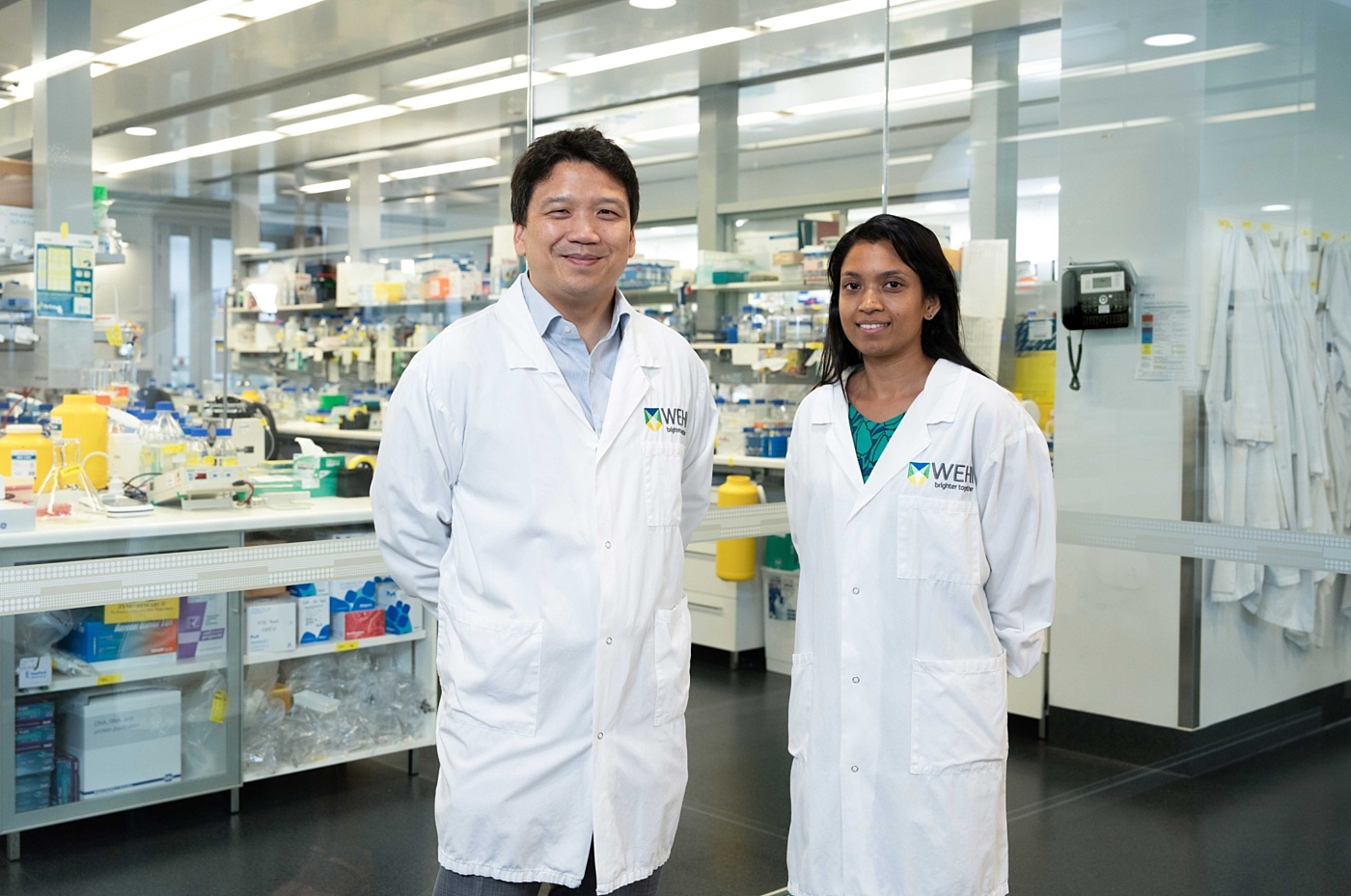
WEHI researcher and project co-lead Dr Arsha Anton said patients’ responses will provide insight into the treatment experiences of minority groups, who continue to be underrepresented in Australian healthcare research.
“Clinical trials often don't include enough patients from culturally diverse populations, so very little is known about their experiences with prostate cancer, ability to cope with certain treatments and patient-reported outcomes,” she said.
“The aim of PROCAP is to compare the quality of life and healthcare experiences of CALD patients with other Australians to identify the areas in need of extra support.
“Having access to this real-world data would help us understand how cancer treatments and consultations should be tailored for these individuals, to ensure they feel safe and confident within our healthcare system.”
The aim is to boost trust among multicultural communities for future engagement with Australian healthcare, and there are plans to use the framework from the study for the study of other cancer types and CALD women’s experiences.
PROCAP is being funded by a $398,000 grant from Movember’s Personalised Prostate Cancer Care Initiative.
“The PROCAP study is a critical step toward addressing the healthcare inequities faced by multicultural communities, ensuring that cultural and language barriers don’t stand in the way of better health outcomes,” said Sarah Weller, Movember’s global director for prostate cancer.
“By supporting studies like PROCAP, we can drive real change in healthcare systems worldwide, ensuring that men receive care tailored to their unique needs and experiences.”
Posted on 07 Oct 2026
A major public campaign launched this morning is calling on the federal government to restore…

Posted on 07 Oct 2026
The Australian Literacy & Numeracy Foundation (ALNF) has announced a partnership with mining…

Posted on 07 Oct 2026
A conference in Darwin will this morning hear detailed, strategic plans for how Australia could…

Posted on 30 Sep 2026
Not-for-profit leaders have been warned to be wary of approaches from potential “funding partners”…

Posted on 30 Sep 2026
More than 200 fully funded Centre for Social Impact (CSI) scholarships will help equip for-purpose…

Posted on 30 Sep 2026
Personal stories are among the most powerful tools a charity can have to raise funds and awareness,…

Posted on 23 Sep 2026
A just-released major global survey of charities has found that demand for charity assistance has…

Posted on 23 Sep 2026
Fresh from welcoming delegates to last week’s Philanthropy Australia conference in Brisbane,…

Posted on 23 Sep 2026
A national strategy to develop Australia's regional cities is needed to break the housing…

Posted on 23 Sep 2026
Eight years after a report to Treasury first suggested the charities regulator should be more…
Posted on 17 Sep 2026
Australia’s biggest gathering of philanthropists, which drew more than 1200 delegates to Brisbane…

Posted on 16 Sep 2026
A new partnership between Paul Ramsay Foundation (PRF) and Atlassian Foundation aims to attract…