
Save Izzy: campaign calls on government to restore funding for vital services directory
Posted on 07 Oct 2026
A major public campaign launched this morning is calling on the federal government to restore…
Posted on 03 Nov 2025
By Nick Place, journalist, Community Directors
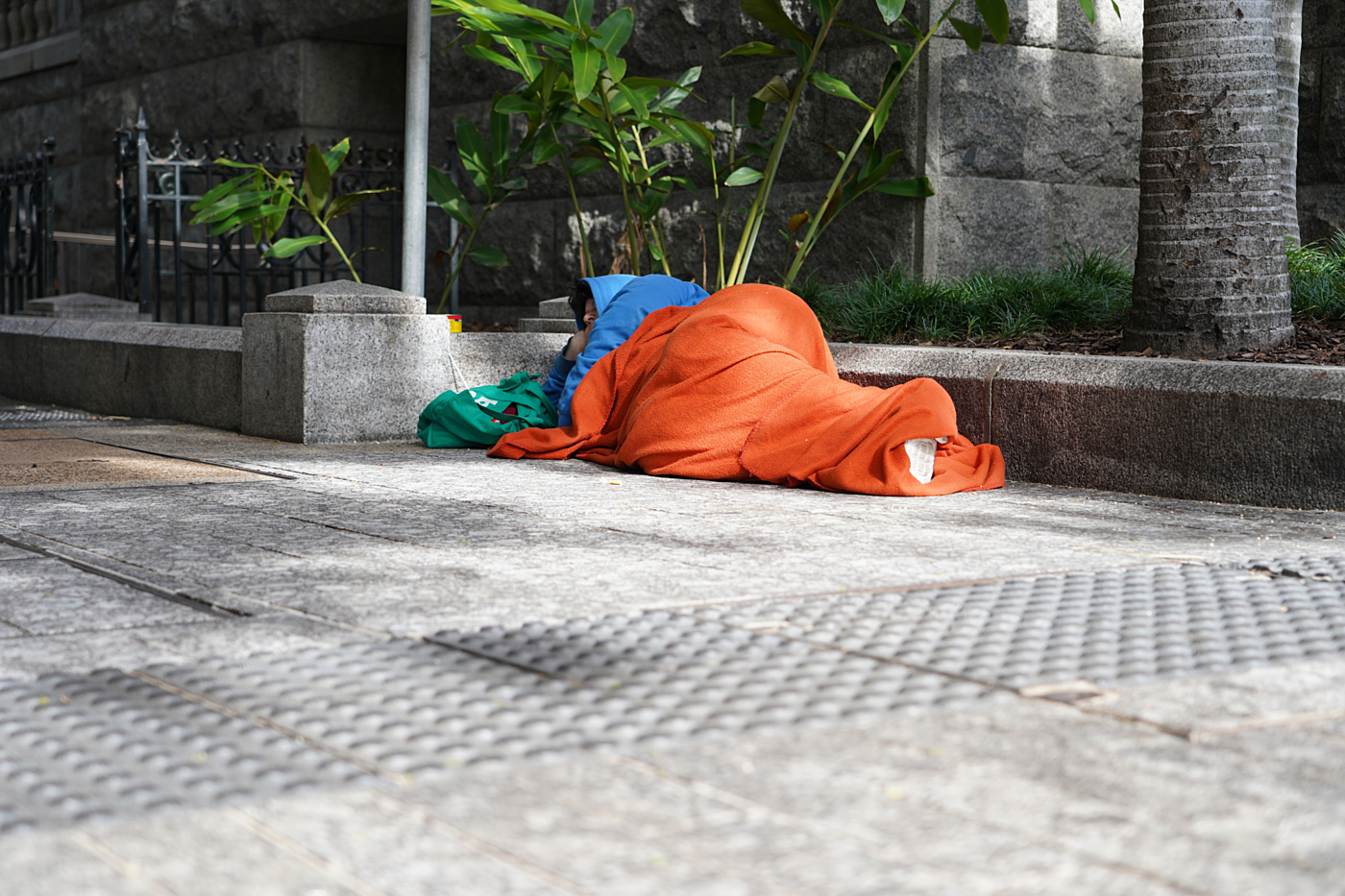
New data from the Australian Institute of Health and Welfare (AIHW) shows homelessness can genuinely be a matter of life and death.
A report published by Homelessness Australia says the AIHW research found an estimated nine preventable deaths per day in 2022–23 among people who had received specialist homelessness support (SHS), accounting for about one in eight preventable deaths nationally.
“Preventable” is defined as death from conditions that could have been prevented or treated with timely and effective health care.
Homelessness Australia said the AIHW analysis marked the first time that death rates and characteristics of people with an SHS history had been examined together.
From 2012–13 to 2022–23, more than 43,000 people (25,600 males and 17,700 females) with a history of receiving SHS died – with around 3,100 of them (more than five per week) dying while receiving ongoing SHS support.
The median age at death was 55 years – 28 years below the Australian average life expectancy – and the research found that “any experience of rough sleeping recorded by SHS agencies was associated with a younger age at death – around a decade difference compared with SHS clients who had not experienced homelessness.”
The AIHW data found that the leading causes of death for people with a history of receiving SHS support included accidental poisoning, or overdosing, coronary heart disease and suicide. Over the measured decade, more than 8,500 people with a history of SHS support died by suicide or overdose, which was more than 16 people per week, the report said.
“This is startling evidence of the deadly impact of homelessness, and the failure of governments to deliver the health services, homelessness support and housing people need to escape homelessness and recover their health. Vulnerable people are needlessly dying in our wealthy country,” Homelessness Australia CEO Kate Colvin said. “Nine preventable deaths per day should shake our leaders into action. We need governments to give the attention needed to stop nine preventable deaths a day as a result of homelessness.”
The statistics for people who had experienced homelessness dying far too young in the decade studied were “harrowing”, she said. About one quarter were aged 45–54, and about 6.2 per cent were children and young people under the age of 25. The two largest cohorts of women who died were aged between 25 and 34, and between 15 and 24.
“Every one of these deaths is a person with hopes and dreams in life whose life has been cut short. People are dying because they have suffered trauma, often including violence, and they can’t get the housing, homelessness support or health support they need. People face further risks of violence and trauma while they are homeless, destroying their mental wellbeing,” Colvin said.
“Every one of these deaths is a person with hopes and dreams in life whose life has been cut short. People are dying because they have suffered trauma, often including violence, and they can’t get the housing, homelessness support or health support they need.”
The impact of homelessness on mental wellbeing had been well documented, she said, citing the 2023 NDIS Review, the 2023 Disability Royal Commission and the 2020 Productivity Commission Inquiry into Mental Health. “[These] have confirmed the harm caused by failures to provide housing and support for people with mental illness and psychosocial disability, and called for health and housing systems to work together,” she said.
“The upcoming NDIS negotiations between the states and territories around foundational supports for people with psychosocial disability are an opportunity to deliver life-saving change,” Colvin said. “The most critical change needed is the creation of housing integrated with mental health care and support so people can escape homelessness and recover their health and wellbeing. This housing combined with support is called Housing First and is considered best practice worldwide to support people with psychosocial disability to escape homelessness. In many countries Housing First programs are funded primarily as a health intervention.”
More information
The Australian Institute of Health and Welfare’s report is here.
Posted on 07 Oct 2026
A major public campaign launched this morning is calling on the federal government to restore…
Posted on 07 Oct 2026
The Australian Literacy & Numeracy Foundation (ALNF) has announced a partnership with mining…
Posted on 07 Oct 2026
A conference in Darwin will this morning hear detailed, strategic plans for how Australia could…
Posted on 30 Sep 2026
Not-for-profit leaders have been warned to be wary of approaches from potential “funding partners”…
Posted on 30 Sep 2026
More than 200 fully funded Centre for Social Impact (CSI) scholarships will help equip for-purpose…
Posted on 30 Sep 2026
Personal stories are among the most powerful tools a charity can have to raise funds and awareness,…
Posted on 23 Sep 2026
A just-released major global survey of charities has found that demand for charity assistance has…
Posted on 23 Sep 2026
Fresh from welcoming delegates to last week’s Philanthropy Australia conference in Brisbane,…

Posted on 23 Sep 2026
A national strategy to develop Australia's regional cities is needed to break the housing…

Posted on 23 Sep 2026
Eight years after a report to Treasury first suggested the charities regulator should be more…

Posted on 17 Sep 2026
Australia’s biggest gathering of philanthropists, which drew more than 1200 delegates to Brisbane…
Posted on 16 Sep 2026
A new partnership between Paul Ramsay Foundation (PRF) and Atlassian Foundation aims to attract…