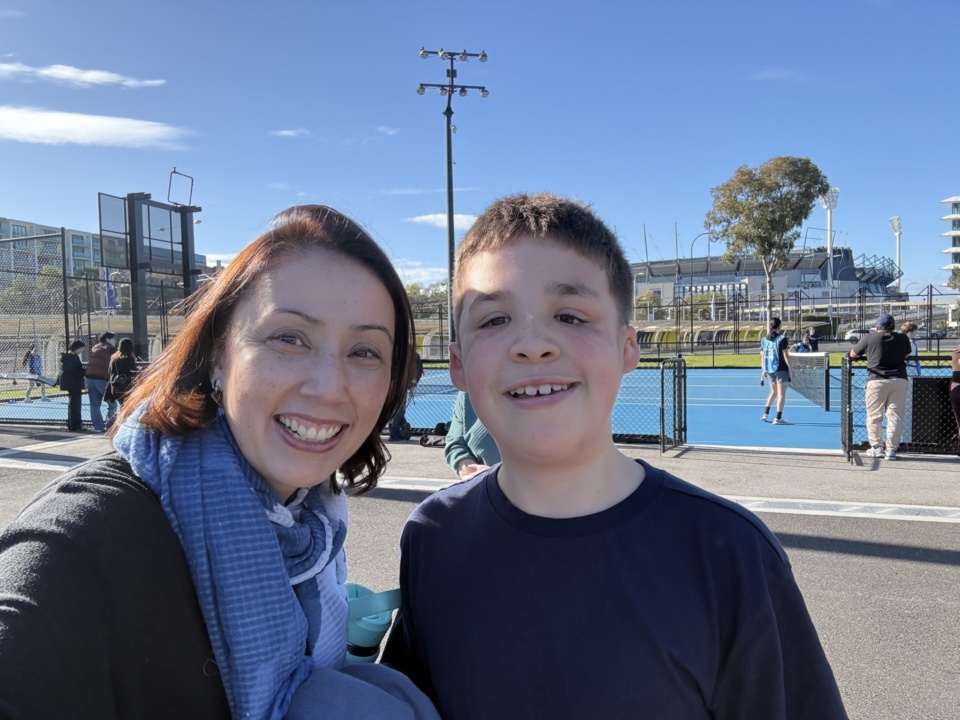
Why Carol Webb took a while to even realise she was a carer
Posted on 14 Oct 2026
Carers Victoria is holding an event this afternoon (October 14) during National Carers Week to…
Posted on 02 Sep 2025
By Nick Place, journalist, Institute of Community Directors Australia
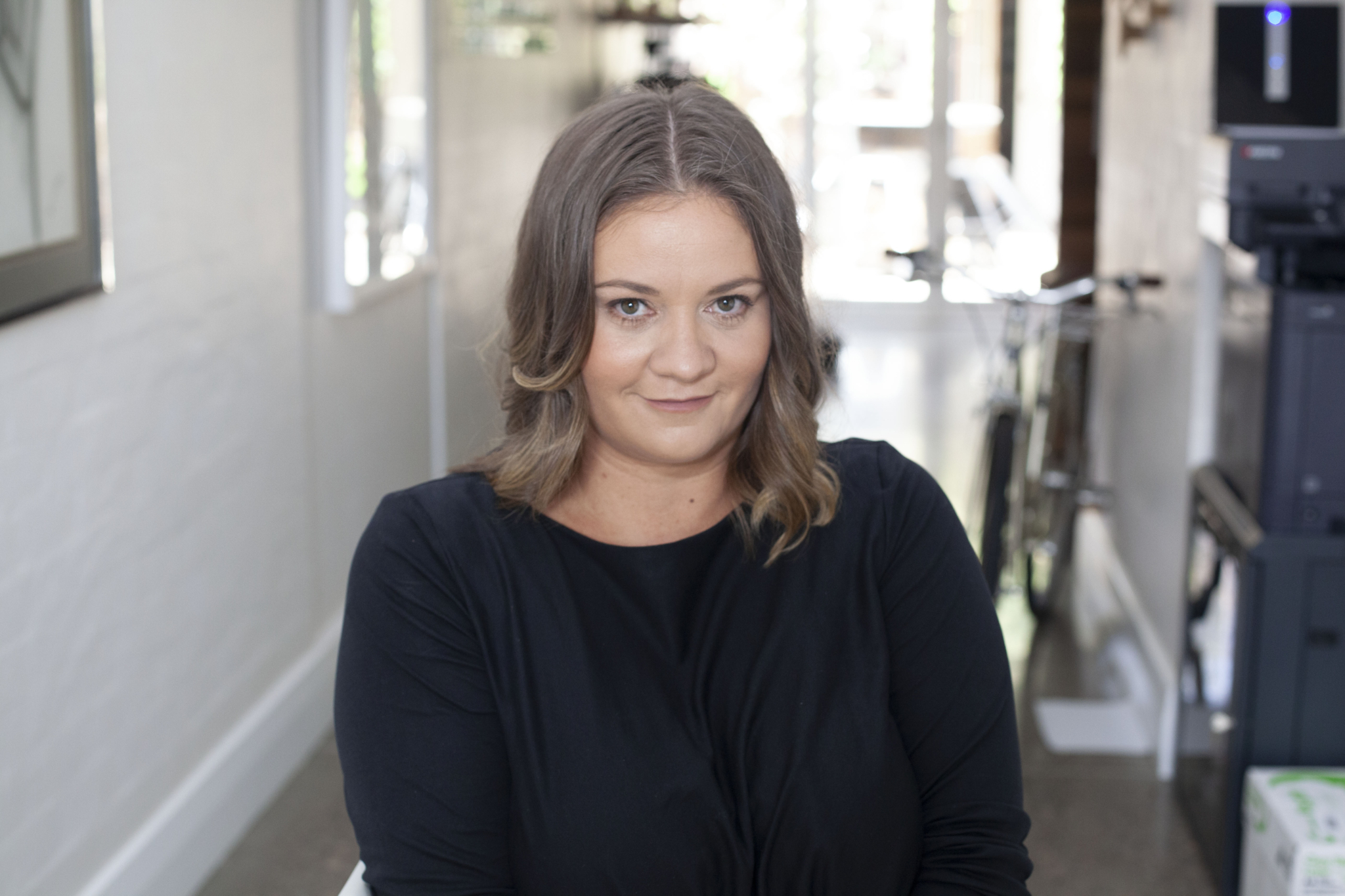
April Howard is a screen industry veteran whose passion is the genre of documentary, because it allows real people to share real stories that affect us all. Through her production company, Rollingball, April is producing a film in which Pacific islands people share their perspectives on the potentially catastrophic issue of plastic pollution in the ocean and on land. She has just returned from the latest United Nations Environmental Assembly’s Intergovernmental Negotiating Committee (INC) on Plastic Pollution Treaty meeting in Geneva.
What’s your background? Where are you from and what has your career been?
I’ve worked in the screen industry in different roles since I was a teenager and have, therefore, always felt at home with screen being a medium for communication and engagement. I grew up in a creative family and a farming family. I’ve always thought that blend has supported my pathway as a creative and filmmaker, because it ebbs and flows, but when you know what art and expression can do, no matter how difficult, you stick to the path. I co-founded Rollingball in 2009 and it’s grown into a production company which has a strong focus on impact narratives. Personally, I love the medium of documentary because you get to use your skills to allow real people to show what is going on and you become a conduit between an issue and an audience. There are people living in the Pacific islands who have to deal with rubbish that they didn’t create and have nowhere for it to go and it’s happening as a daily occurrence. How is that just and ok? If I can use my skills and heart to give them a voice, I’m always going to do that. I have come to realise I don’t have another choice because I can’t turn my back and walk away.
How did you come to be so involved in the fight for people over plastic?
When I was a young girl, my grandfather had a serious conversation with me and warned me that “plastic will choke the Earth”. The words never left me and set in train an awareness and fear, impacting the kind of work I eventually sought, to combat the issue. Through Rollingball, I travelled to the Pacific a number of years ago to work with waste managers from different island nations, and that’s when I became aware of what was going on at a grassroots level. It wasn’t until years later that my colleague, who had recently attended the third INC Treaty negotiation meeting, explained to me the global power dynamics that meant the Pacific’s concerns regarding transboundary plastic and chemicals of concern, among other things, were being overlooked. It really affected me, as I’ve had a long-standing devotion to the ocean, our marine life and environments, and people who are attempting to stand up for their truth. I had produced another film which had acted as a voice for a significant issue, leading to real impact and positive change, so I said to him that I would never unhear what he had shared, and film was a way to give this issue a broader voice. Twelve months later, last November, we commenced making the film at INC 5 in Busan, South Korea.
You were recently in Geneva for the latest United Nations Plastics Treaty negotiations. What was your role? Who were you there with?
I attended INC with the Fiji delegation after connecting with the lead negotiator, Dr Michael Sivendra, through the documentary. We have visited him in country and plan to remain closely connected as the film is extended and we continue to work against plastic pollution for all of the Pacific. The film was originally funded by the Secretariat of the Pacific Regional Environment Program. It is a body that works with 14 Pacific Island nations with a vision to create a “resilient Pacific environment, sustaining our livelihoods and natural heritage in harmony with our cultures”. In Geneva, I was there to support Fiji and the broader Pacific, and to bear witness to the outcome of the treaty as it will affect what’s next for the film.
Tell us about how you had the idea to record first-hand stories in the Pacific islands, and why.
When my colleague Bradley Nolan said that the Pacific island nations were fighting at a global level to create a strong treaty that looked at the full life-cycle of plastic, but were being overlooked and affected by larger, more wealthy countries – who have a vested interest in the status quo – something in me was lit that I knew wasn’t going to go away. Some time passed before I met with my creative colleagues and discussed the problem and whether a film was an option for us. The film’s co-director and director of photography, Paul Donnelly, wrote the creative proposal, which we shared with Bradley and the Secretariat of the Pacific Regional Environment Programme. Bradley was able to allocate some funding to get us started, and so here we are.
Were you surprised by those stories? Did it alter your world view?
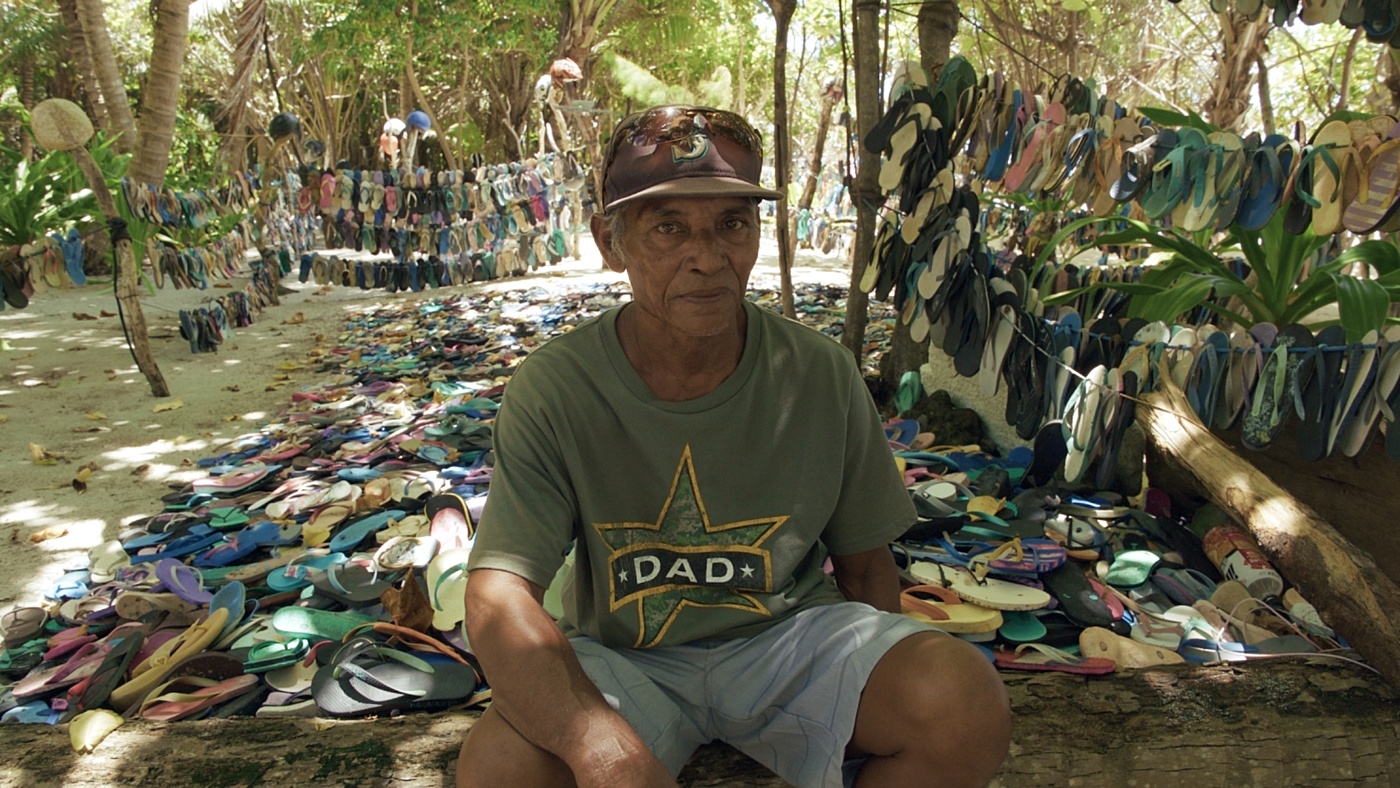
Standing on the beach in Honiara, in the Solomon Islands, and seeing children playing in plastic will never leave me. Nor the image of Lazarus [a former ranger on the island of Palau] standing among his plastic installation made up of bottles, caps and thongs, which he has built over many years as an act of defiance against the plastic and rubbish that travels to his family’s island from other shores. Sometimes you can’t unsee something and it gets under your skin.
For anybody not really tuned into this issue, how bad is the problem of plastic in the Pacific Ocean and other environments?
It’s unimaginably bad. For us in Australia, our waste is neatly collected once or twice a week in most places. We have services and infrastructure that protect us from having rubbish on our doorsteps. That’s got to be the case for all humans, creatures and environments, otherwise we are agreeing to an inequitable scenario that is at odds with what is right for humanity. The chemicals in plastic are leaching into our waterways and food systems, and plastic is breaking down into micro pieces which are being found in the most remote of places. I don’t really know how this issue is staying under the radar of so many people and why our governments aren’t doing more, regardless of the treaty being ratified.
In your work, you publish some startling statistics. For example, you report that without urgent action, plastic waste in the ocean could outweigh fish by 2050 (that’s from the Ellen MacArthur Foundation), and that every year, an estimated 8–10 million tonnes of plastic waste enter the oceans, harming marine life, ecosystems and human health (that’s according to UNESCO). Do you feel hopeful a solution can be found?
I have to have hope, and I need to find the inner strength and conviction to stay on this path for as long as it takes. My ultimate outcome from releasing the feature length version of the film would be global awareness about what is actually going on, and how it affects each individual, so we feel empowered to make different choices that push back on the tide of plastic. Nobody is expecting plastic to go away, and it has been a vehicle for a lot of advances, but it’s tipped too far into our daily lives and we have reached a point where it needs to be addressed. On this journey, I’ve become aware that people are unaware or feel powerless, but we’re not powerless. Each of us is very powerful, and if many say no, then the powers that be will have to listen. What’s going on is well outside of anything that’s reasonable and we’ve reached a point in human and global history which requires a different response. It’s my hope that through the film and any supporting campaign, we can contribute to the population becoming aware and responding.
“On this journey, I’ve become aware that people are unaware or feel powerless, but we’re not powerless. Each of us is very powerful, and if many say no, then the powers that be will have to listen.”
What do you plan to do to keep raising awareness and pressuring politicians?
There’s a lot and I don’t want to get ahead of myself, so the first goal is to move the half-hour documentary to a feature length film and ensure it finds a global audience. I am lucky to be working alongside a group of exceptional creatives and I’m being mentored by one of the industry’s best producers. Without them, I wouldn’t be here, being interviewed, nor in a position to take Voices of the Pacific to the world. I also intend to find other pathways to communicate what is going on and support the Pacific nations in any way I can. I’d like more initiatives and awareness here in Australia and possibly New Zealand, because we have an opportunity to use our size and scale to assist our Pacific brothers and sisters.
What do you do to change your headspace, relax, have fun?
Good question! That’s something I’ve had to become mindful of recently. One of the best ways is to jump in the ocean. Your whole being is immersed in mother nature and we all know there’s nothing quite like the feeling after a plunge in the salt water. I love taking my dog to the park, as well.
And what is one of your favourite scuba diving experiences?
After many years of wanting to learn how to dive, I was lucky enough to get my 18 metre PADI [diving certification] in January this year. I honestly can’t describe the feeling of going under the water and seeing all that is there. Watching the fish dance in unison and seeing all the colours of coral. I learnt off an island in Fiji and it makes me even more connected to that beautiful part of the world and our incredible Pacific Ocean.
To find out more about April’s work, visit Voices of the Pacific.
Posted on 14 Oct 2026
Carers Victoria is holding an event this afternoon (October 14) during National Carers Week to…
Posted on 07 Oct 2026
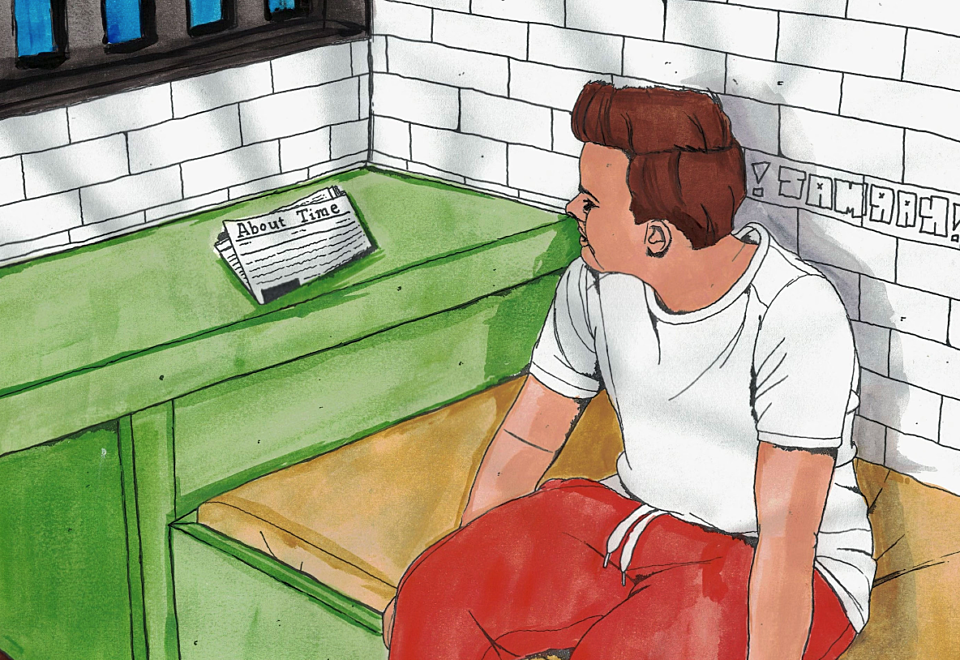
Joseph Friedman is co-founder and publisher of About Time, Australia’s only newspaper for…
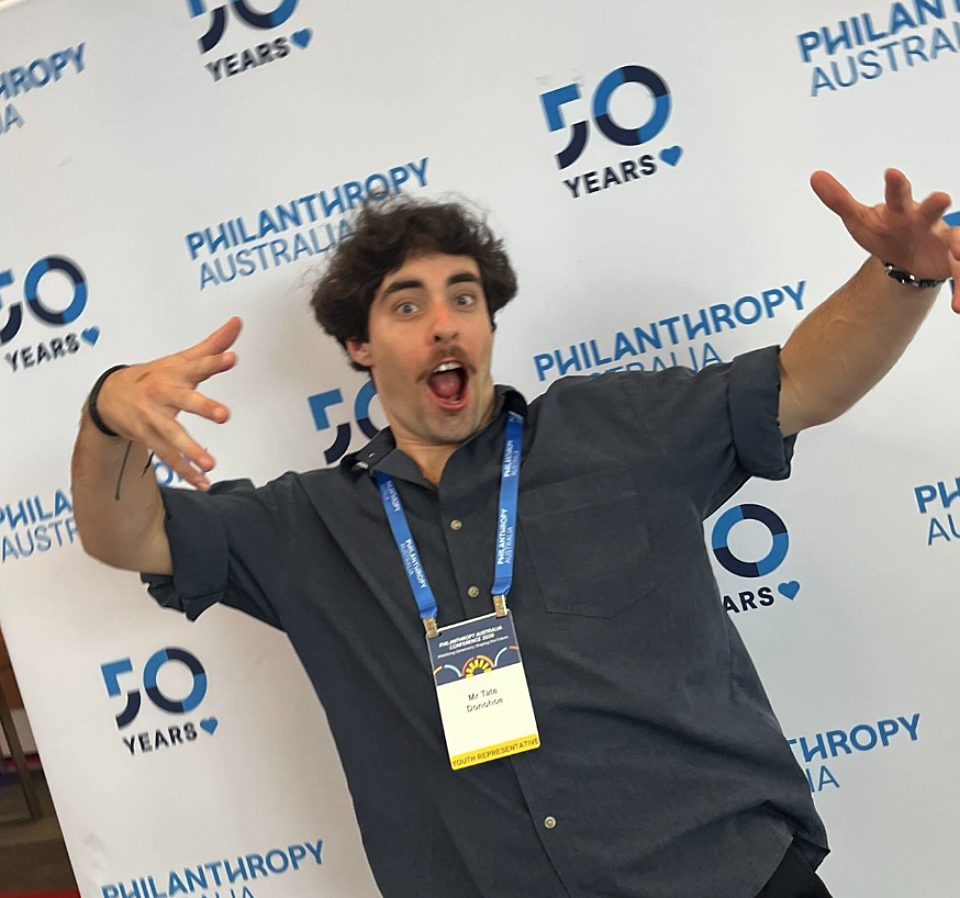
Posted on 30 Sep 2026
At 21 years old, Tate Donohoe is the founder of Ecodia, an AI-assisted software development company…
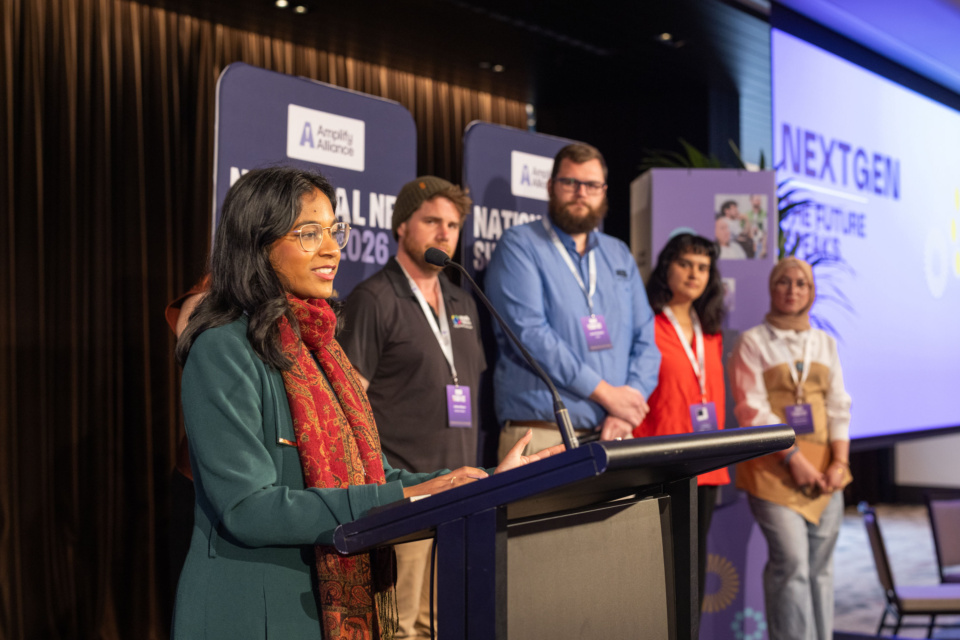
Posted on 02 Sep 2026
At last week’s Amplify Alliance National NFP Summit, Satara Uthayakumaran, 23, brought the voices…
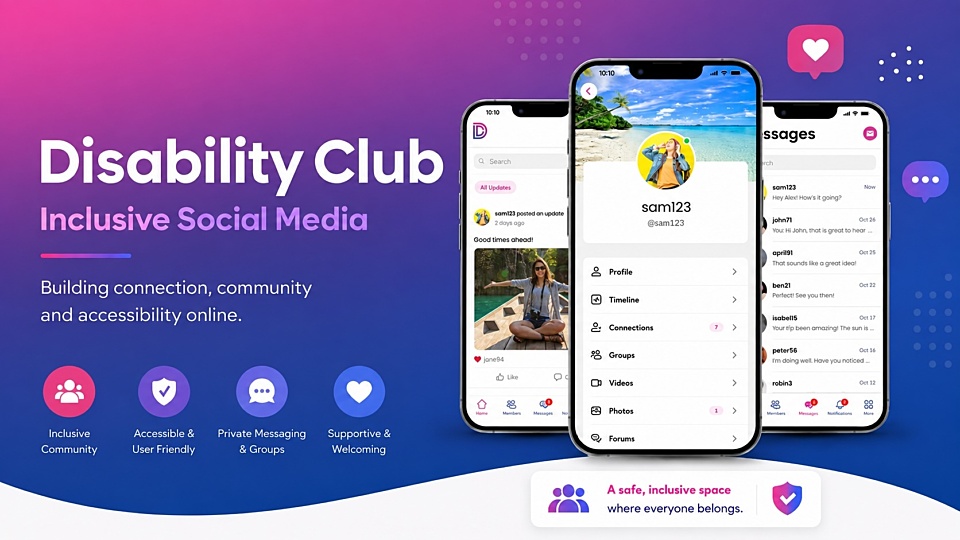
Posted on 26 Aug 2026
Nathan Johnston lives in Bega, NSW, and lives with cerebral palsy. He’s the creator of Disability…
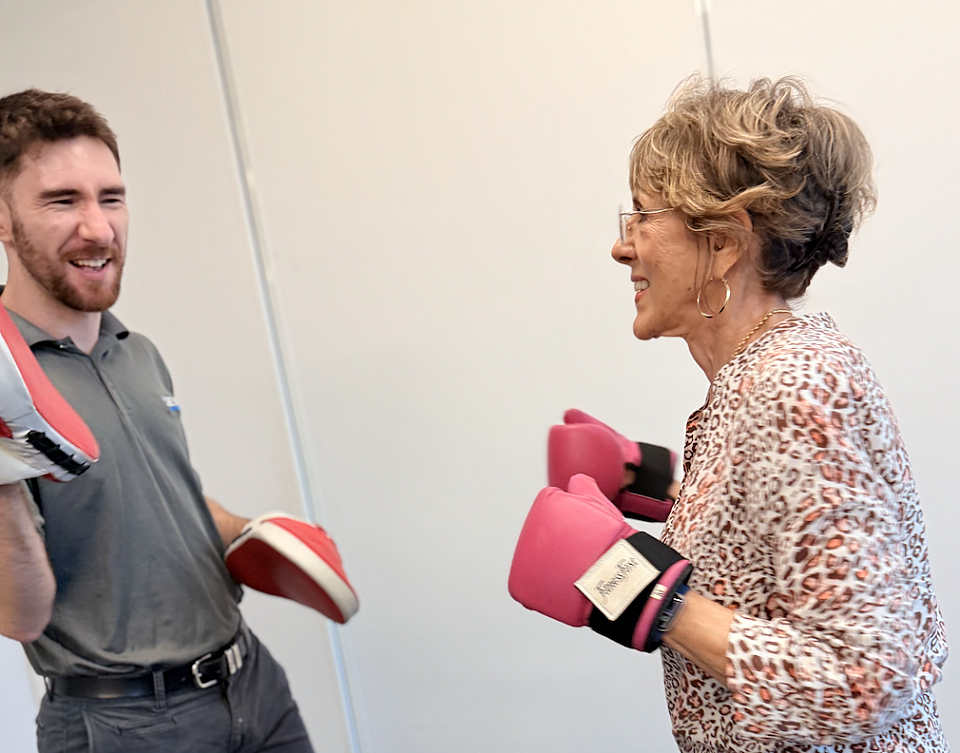
Posted on 19 Aug 2026
Coralie Wales is the founder of Strong Australia, an ACNC-registered health promotion charity that…
Posted on 08 Jul 2026
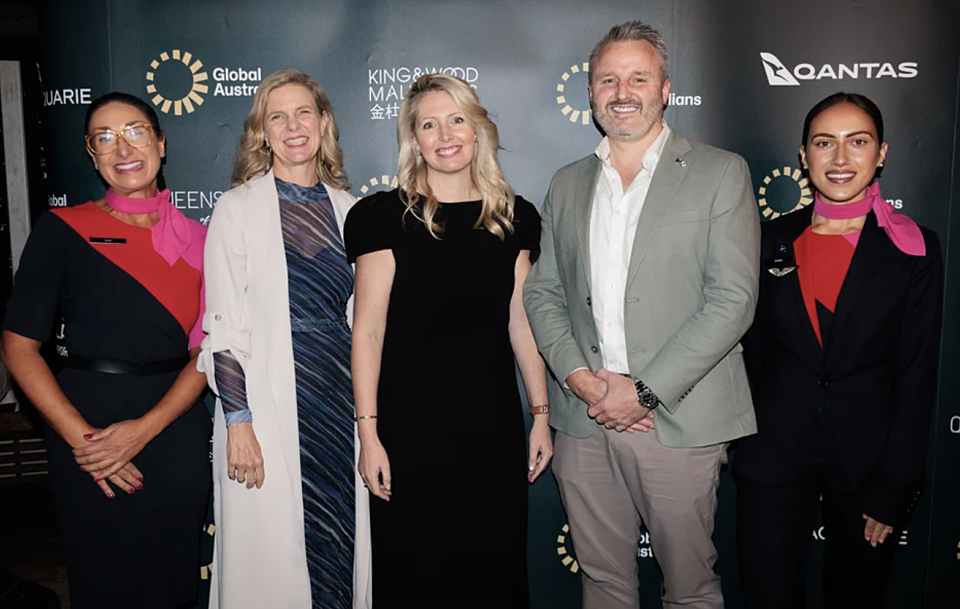
Kate McQuestin is CEO of Global Australians, a not-for-profit aimed at connecting Australians…
Posted on 30 Jun 2026
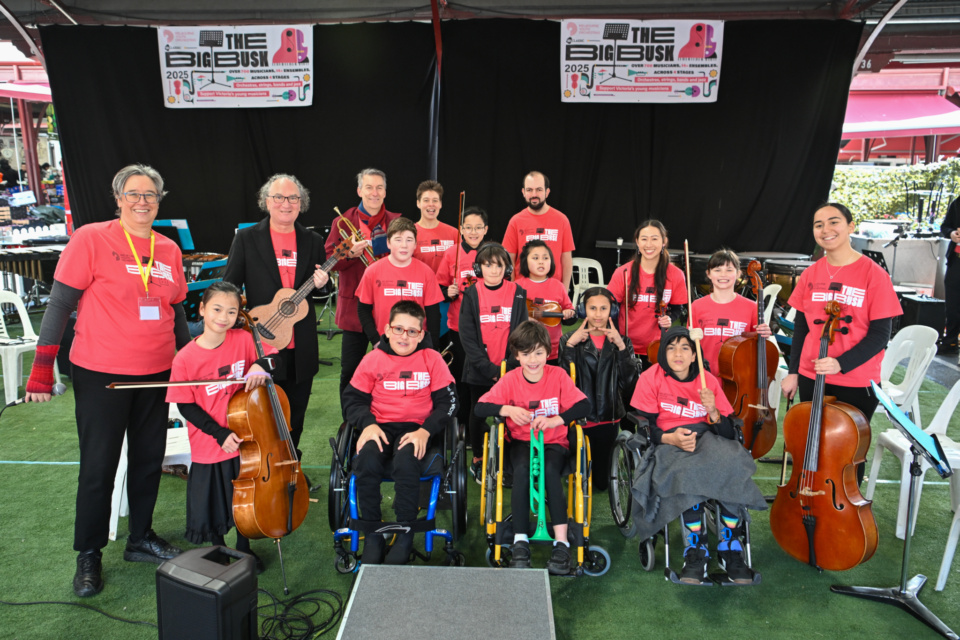
Anthea Skinner is a musicologist, a senior lecturer in disability creative performance at the…

Posted on 24 Jun 2026
Lizzie Mettam manages corporate partnerships for DV Safe Phone, an organisation that provides…
Posted on 17 Jun 2026
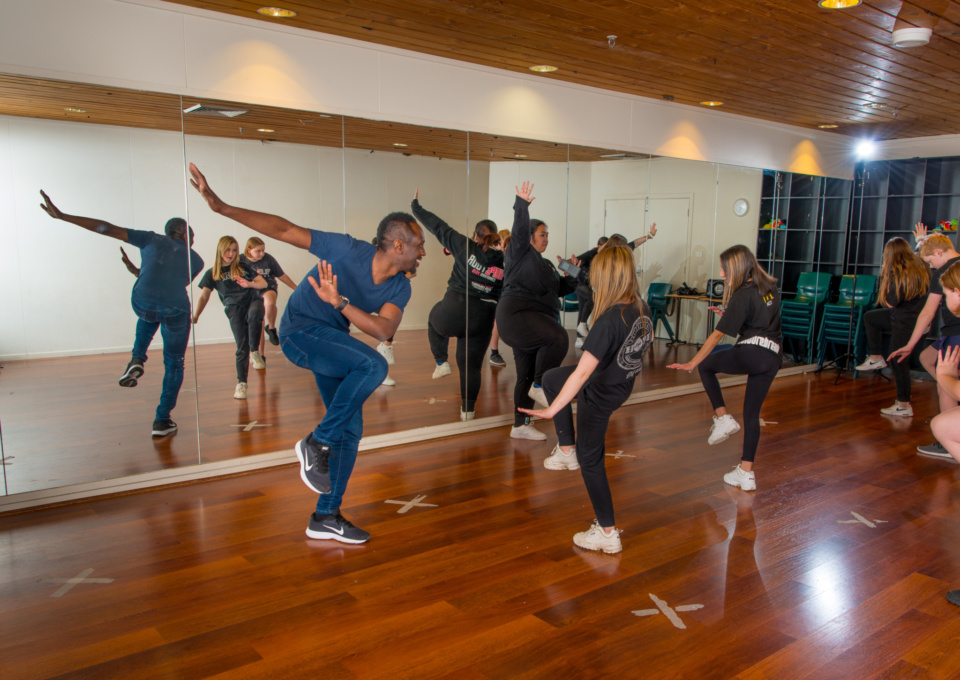
Francis Owusu is the founder of Kulture Break, a charity that helps young people build confidence,…
Posted on 10 Jun 2026
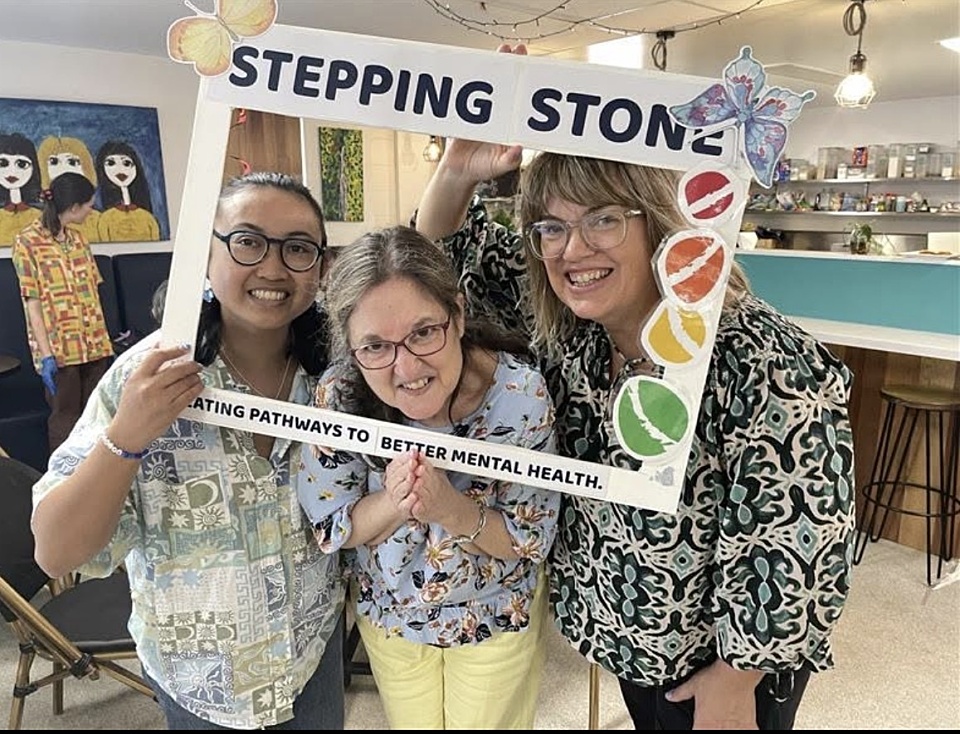
Melanie Sennett is the chief executive officer of Stepping Stone Clubhouse, a Brisbane charity that…
Posted on 03 Jun 2026
Kristy Petrie is a paediatric physiotherapist and proud Gooreng Gooreng woman who sits on the…