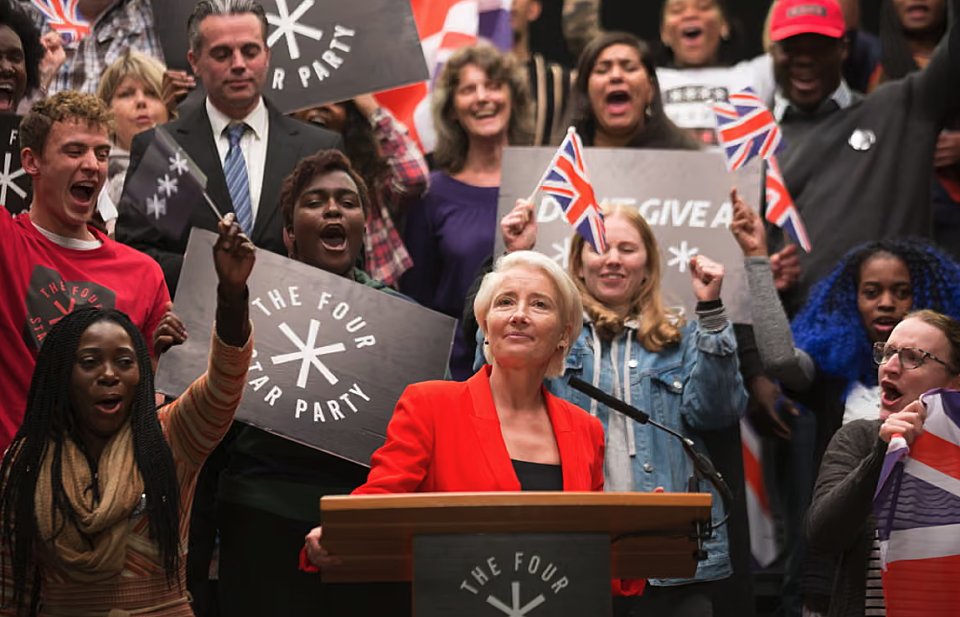
Pauline Hanson and the frightening lesson of ‘Years and Years’
Posted on 07 Oct 2026
Our Community's founder and leader, Denis Moriarty, writes that when he watched an over-the-top…
Posted on 28 Oct 2025
By Sharon Callister, CEO, Mission Australia; Cara Varian, CEO, New South Wales Council of Social Service; and Yolanda Saiz, CEO, St Vincent de Paul Society NSW

Workers in the not-for-profit sector lift up communities, care for those in crisis and do work that supports people and families in their time of need. We want to make sure our workers are safe and supported, and that if they get hurt, they’re cared for. That’s why workers’ compensation exists, and it’s a vital protection.
However, organisations like ours, delivering essential services in communities across NSW, are experiencing exorbitant increases in workers’ compensation insurance premiums.
The for-purpose sector supports a workers’ compensation scheme where employees injured on the job have a fair, reliable and quality safety net to aid their recovery and return to work. Equally important is the need for a sustainable sector supported by a scheme that has evolved to deal appropriately with mental health injuries. But what we currently have is a system that falls short – for both employees and employers.

We’ve seen this coming and have been warning about what’s at stake. This issue has been growing over the past few years, and unless a solution is found urgently, it threatens the very sustainability of our community services. To date, large community service organisations like Mission Australia and St Vincent de Paul Society NSW have been able to absorb the growing insurance burden, but we’re reaching the limits of our resources. Many smaller community service organisations, including many members of the New South Wales Council of Social Service (NCOSS), now face an existential problem.
Charities are at the frontline of rising demand. Every day, our sector provides many thousands of services to people experiencing homelessness, disadvantage, domestic and family violence, mental ill health, gambling harm, housing insecurity, unemployment, disability and many other challenges.
The workers delivering these services are the backbone of our sector and the connectors, carers, mentors, protectors and guardians of communities. Their wellbeing is essential, and the system should provide appropriate protections to make sure they’re safeguarded and properly supported when workplace injury occurs.
Every dollar not-for-profit organisations are paying in additional insurance premiums is a dollar less we have to spend on the services our communities rely on.
It’s becoming increasingly apparent it isn’t just our sector feeling the pinch, with recent media reports suggesting governments across Australia face huge increases in insurance premiums that have not been budgeted for.
“Their [NFP workers’] wellbeing is essential, and the system should provide appropriate protections to make sure they’re safeguarded and properly supported when workplace injury occurs.”
The system is broken. The NSW Parliament must prioritise solving this issue before we start to lose the community services and programs that are the lifeline for so many people experiencing disadvantage across the state. The Parliament’s inquiry into the Minns Government’s workers’ compensation amendment legislation sought submissions in July, but we’re yet to see any report or response from the Parliamentary Committee.
We’re not asking to be exempt from responsibility. Charities take the safety of staff and volunteers seriously and we support the principles behind workers’ compensation. But the system needs to recognise not-for-profits operate differently, and that our social impact should be factored into how premiums are set.
Our sector is ready to partner with the NSW government on finding the solutions. We’ll do our part by continuing to invest in our people and their wellbeing.
Our meetings with the NSW Treasurer Daniel Mookhey and Shadow Treasurer Damien Tudehope in October were opportunities to raise these concerns directly and extend our offer to work collaboratively with them, across the Parliament, to find a workable solution that achieves the twin goals of worker protection and financial sustainability. A solution must be found.
Posted on 07 Oct 2026
Our Community's founder and leader, Denis Moriarty, writes that when he watched an over-the-top…

Posted on 30 Sep 2026
There's been a lot of talk about AI this week, and some of it has been frightening. So, is AI good…

Posted on 30 Sep 2026
After the biggest AFL game of the year, one player proudly wore the flag of his birth country and…

Posted on 23 Sep 2026
In his new book Our Place, policy expert Matt Lloyd-Cope argues that housing must be at the heart…

Posted on 23 Sep 2026
There are solutions to counter the rise of One Nation but they might not be residing in the mess…

Posted on 03 Sep 2026
Denis Moriarty has an issue with insurance companies varying premiums because of what they perceive…
Posted on 02 Sep 2026
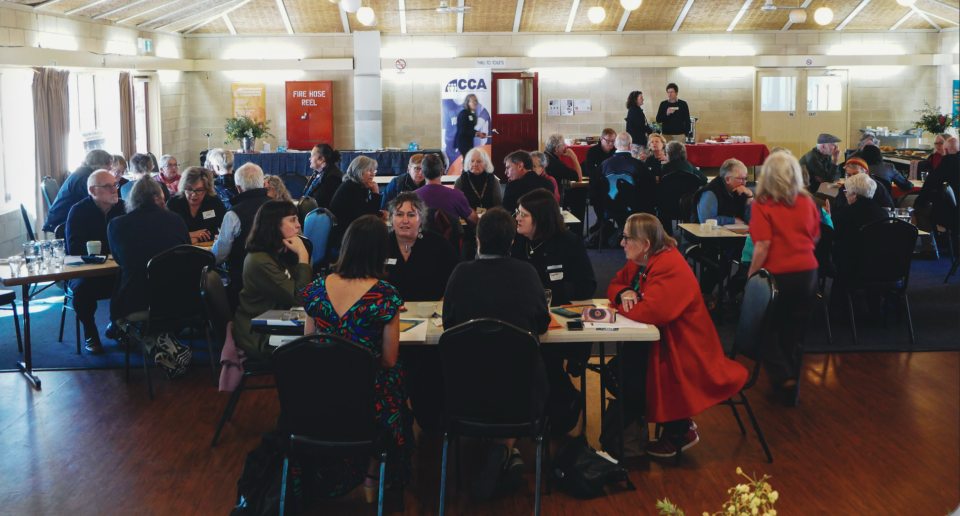
Yesterday, at a meeting just outside Castlemaine in Victoria, 70 people came together to hear…
Posted on 26 Aug 2026
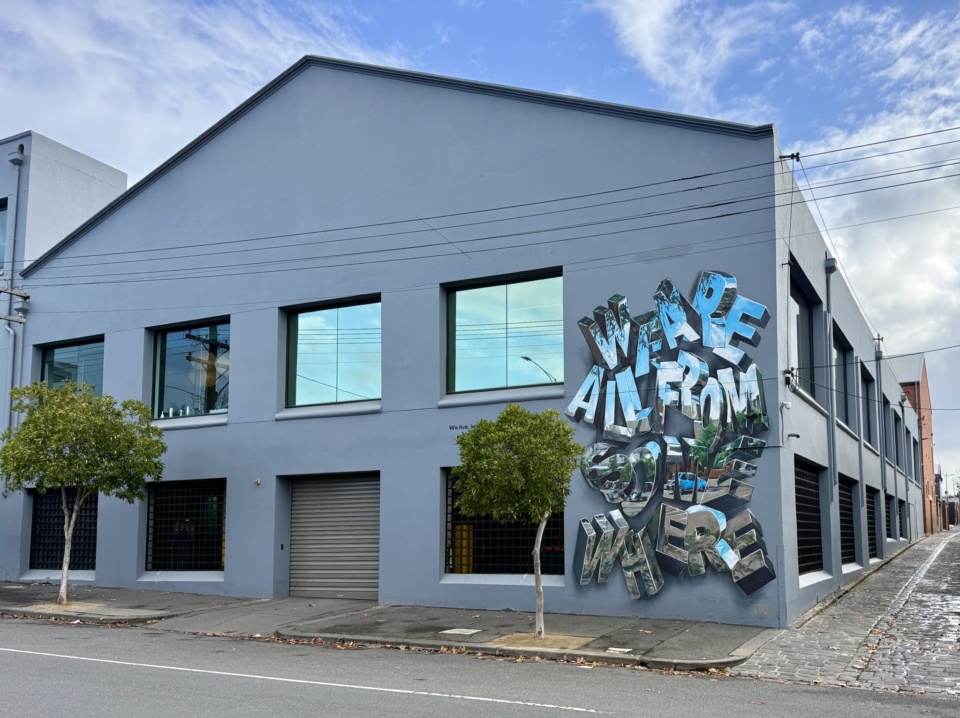
Our Community's founder and leader, Denis Moriarty, says he commissioned a new piece of street art…

Posted on 19 Aug 2026
Government funding is at the centre of Australia's charity and not-for-profit sector – our number…

Posted on 12 Aug 2026
Our Community's founder and leader, Denis Moriarty, says fostering a child was his worst nightmare,…

Posted on 05 Aug 2026
The charity and not-for-profit sector is vital to our economy and the wellbeing of communities…
Posted on 05 Aug 2026
As the Global Impact Summit kicks off in Sydney today, Equitable Philanthropy’s Catherine Brooks…