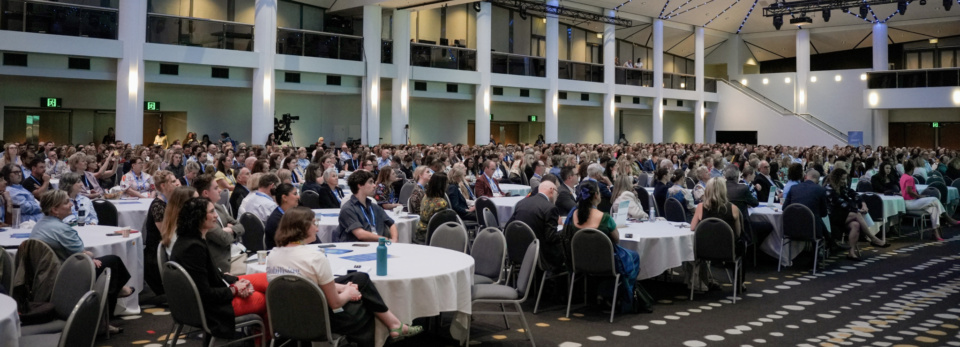
Why winning philanthropic support is complicated
Posted on 17 Sep 2026
Experts in Australian philanthropy say there are stark differences between philanthropic money and…
Posted on 05 Aug 2025
By Nick Place, journalist, Institute of Community Directors Australia

Plans for Australia’s first Treaty with First Nations peoples are for “all Victorians”, organisers have told a briefing of potential allies.
“So many non-Aboriginal people and non-Aboriginal organisations have been on this ride with us and so it’s not a punchline, it’s from the heart, when we say it’s a Treaty for all Victorians,” said First Peoples’ Assembly of Victoria representative Peter Hood, a Kurnai man from Gippsland.
“It’s getting close and it’s getting exciting now,” he said. “I didn’t think I was going to see this in my lifetime. It was a ‘believe it when I see it’ type of thing, and now here I am, with a front row seat.”
The purpose of the briefing was to provide information and updates on the Treaty process for organisations keen to partner with the First Peoples’ Assembly. More than 90 participants joined.

The First Peoples’ Assembly told organisations that to become allies, they would be asked to sign a pledge saying they supported the Treaty, and then to commit to educational, advocacy and collaborative activities and actions, with the aim of building public momentum to bring to reality signed, operational Treaty legislation.
Negotiations with the Victorian government continue, but the First Peoples’ Assembly’s intention remains to finish drafting the Statewide Treaty Bill this year, with the aim of having it pass through Parliament in time for a new version of the Assembly, acting officially under the Treaty, to be elected and operational by July 2026, or soon after.
“We need you to let the decision-makers know that you support Treaty,” those attending the briefing were told.
Peter Hood said the world was watching, and other Australian states were eager to see success in Victoria paving the way for more treaties. He said First Peoples’ Assembly members had consulted widely with Indigenous peoples in New Zealand, Europe and Canada in preparing the Treaty’s content and process.
“It’s about Blak fellas being at the table talking about Blakfella stuff. Having a governing body for Aboriginal affairs.”
If passed, the Treaty would allow elected Indigenous representatives to have a say in the future of initiatives such as educational materials in Victorian schools, the creation of a First Peoples Institute to build leadership among Indigenous youth, and discussion of “cultural water flows”.
“Water is a lifeline for everybody, and we need to share that cultural knowledge of what water does and has done,” Hood said.
The Treaty work goes back to conversations that started in 1979, and Hood said the Assembly appreciated the current Victorian government’s willingness to listen and to act upon ideas that have been talked about for decades.
While the fine detail of the future Assembly’s powers has not yet been locked down, he said the basic premise was clear.

“It’s about Blak fellas being at the table talking about Blakfella stuff,” he said. “Having a governing body for Aboriginal affairs.”
Hood said that in the past, a few Indigenous people who worked for government departments were under intense pressure to act as go-betweens on First Nations matters, between Aboriginal communities and the government. The Treaty aims to create an official elected Assembly that handles such matters, removing pressure on a handful of bureaucrats and staffers.
Hood emphasised that accountability was a major part of the Treaty, with transparency being built into every level of the framework. “We want to be accountable,” he said. “We know the whole country is watching us, and transparency is essential so people can see what we are going to do and how we are going to do it. Nothing will be under the table.”
Hood said potential allies needed to carry an important message to those who are concerned about the Treaty becoming a reality.
“The Treaty is nothing to fear,” he said. “What is yours today will be yours tomorrow.”
A second online briefing, for individual potential allies, is scheduled for this Thursday, August 14, from 6 pm.
Posted on 17 Sep 2026
Experts in Australian philanthropy say there are stark differences between philanthropic money and…
Posted on 17 Sep 2026
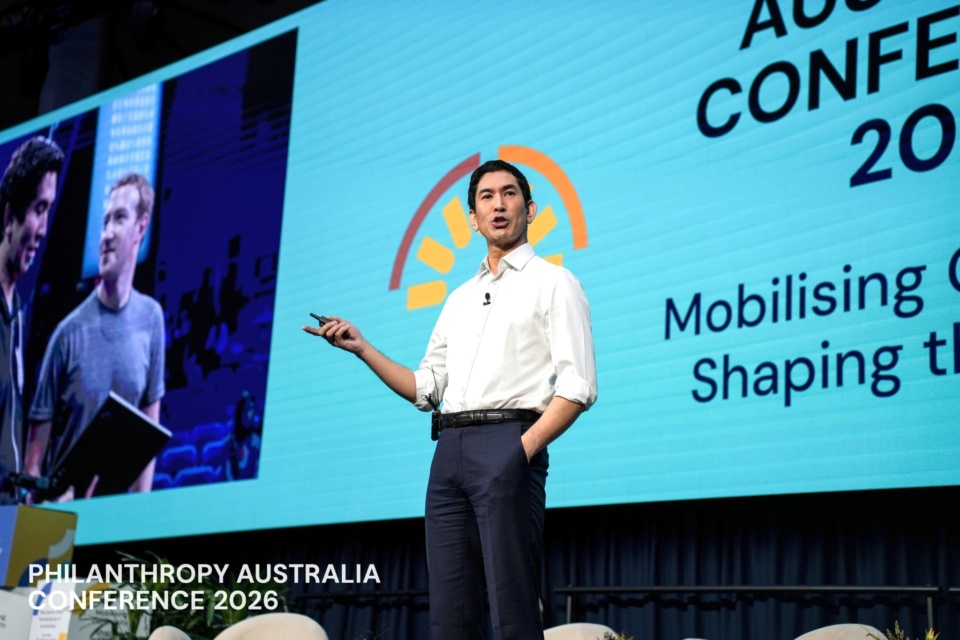
Australia’s biggest gathering of philanthropists, which drew more than 1200 delegates to Brisbane…

Posted on 17 Sep 2026
One of Australia’s foremost fundraising observers says Australian not-for-profits must get the…
Posted on 17 Sep 2026
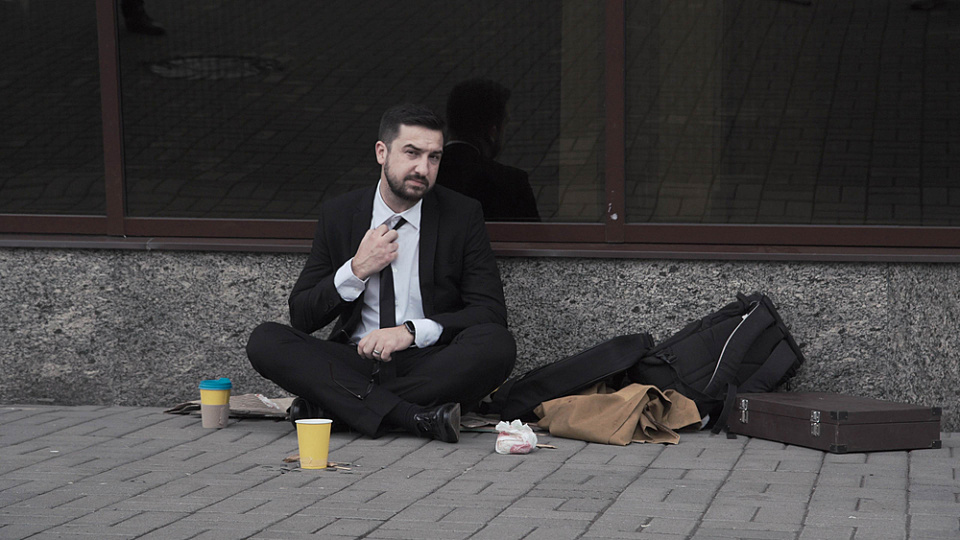
My father often googles my name, and as a result, years ago, I received a surprising gift in the…
Posted on 17 Sep 2026
Charities reported $14.8 billion in donations and bequests last financial year, the second-highest…
Posted on 17 Sep 2026
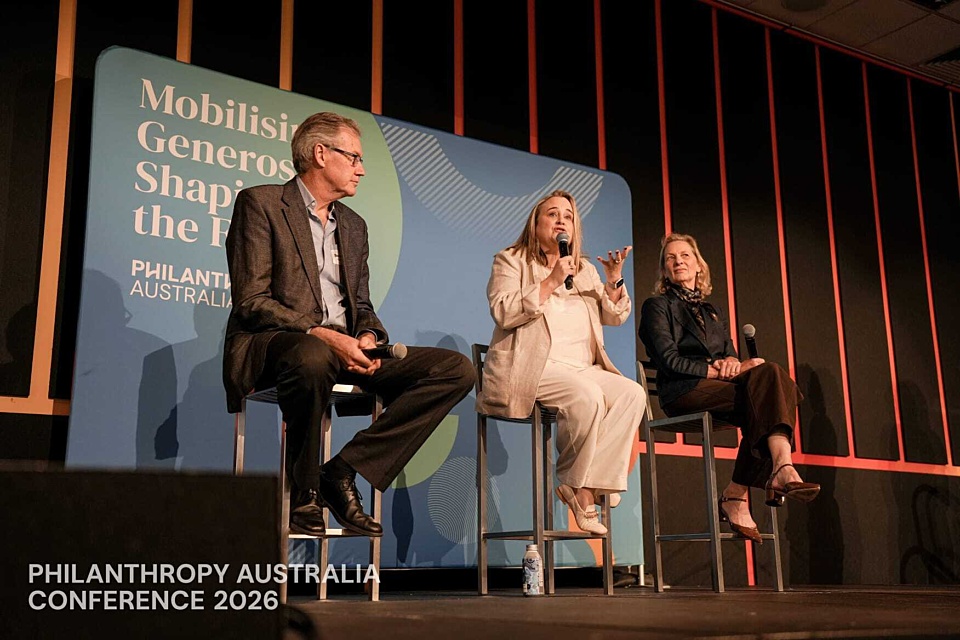
As direct giving dries up, charities face growing dependence on big donors and negotiating the…
Posted on 17 Sep 2026
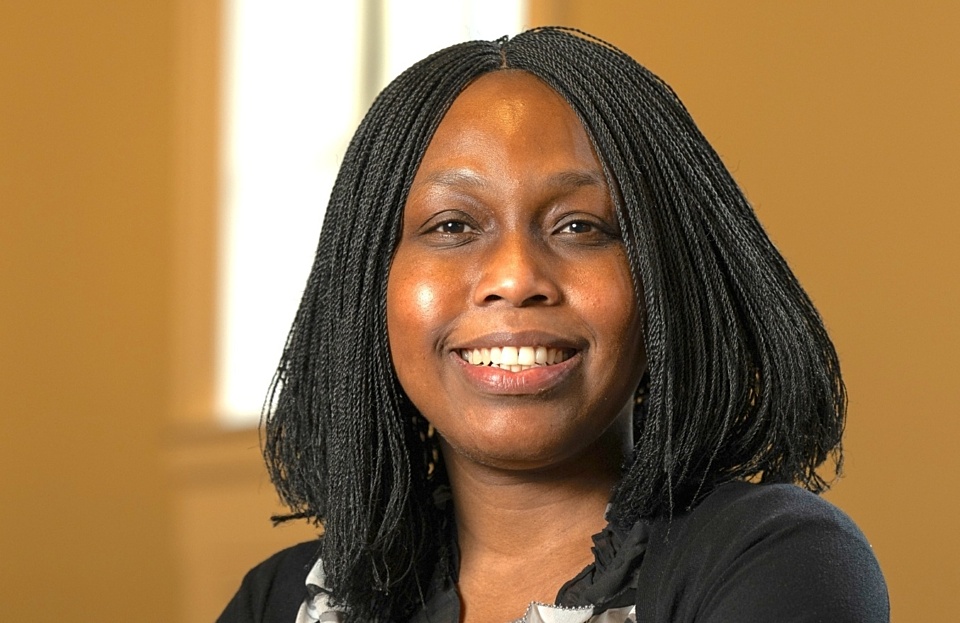
Where Evelyn Mugisha grew up in rural Uganda, the subjects and careers considered suitable for…
Posted on 16 Sep 2026
I met a man named John this week. I was at his house to pick up a guitar he was repairing.
Posted on 16 Sep 2026
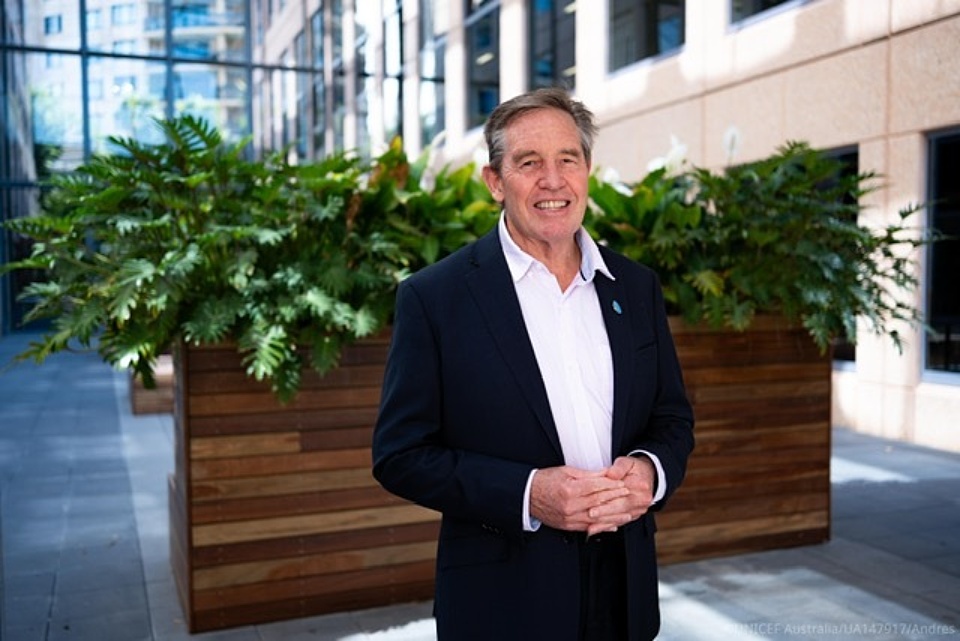
In the face of challenging conditions in the giving sector, UNICEF Australia chief executive Tony…
Posted on 16 Sep 2026
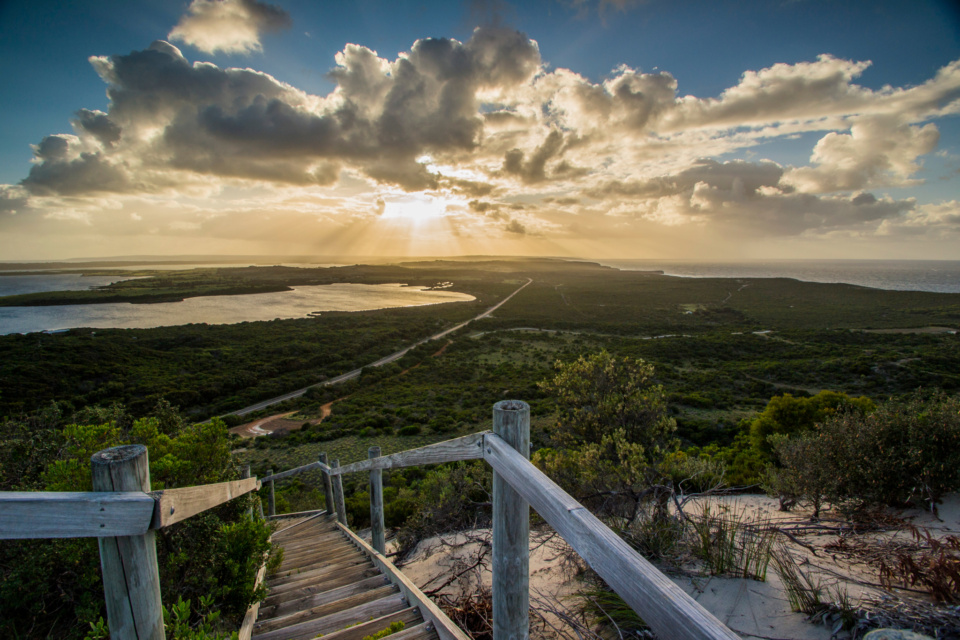
Tourism is a large source of income for Kangaroo Island, 210 km south-west of Adelaide, but the…

Posted on 16 Sep 2026
While there is no shortage of studies examining not-for-profits from every angle, a new research…
Posted on 16 Sep 2026
A new partnership between Paul Ramsay Foundation (PRF) and Atlassian Foundation aims to attract…