
Pauline Hanson and the frightening lesson of ‘Years and Years’
Posted on 07 Oct 2026
Our Community's founder and leader, Denis Moriarty, writes that when he watched an over-the-top…
Posted on 01 Apr 2025
By Greg Thom, journalist, Institute of Community Directors Australia
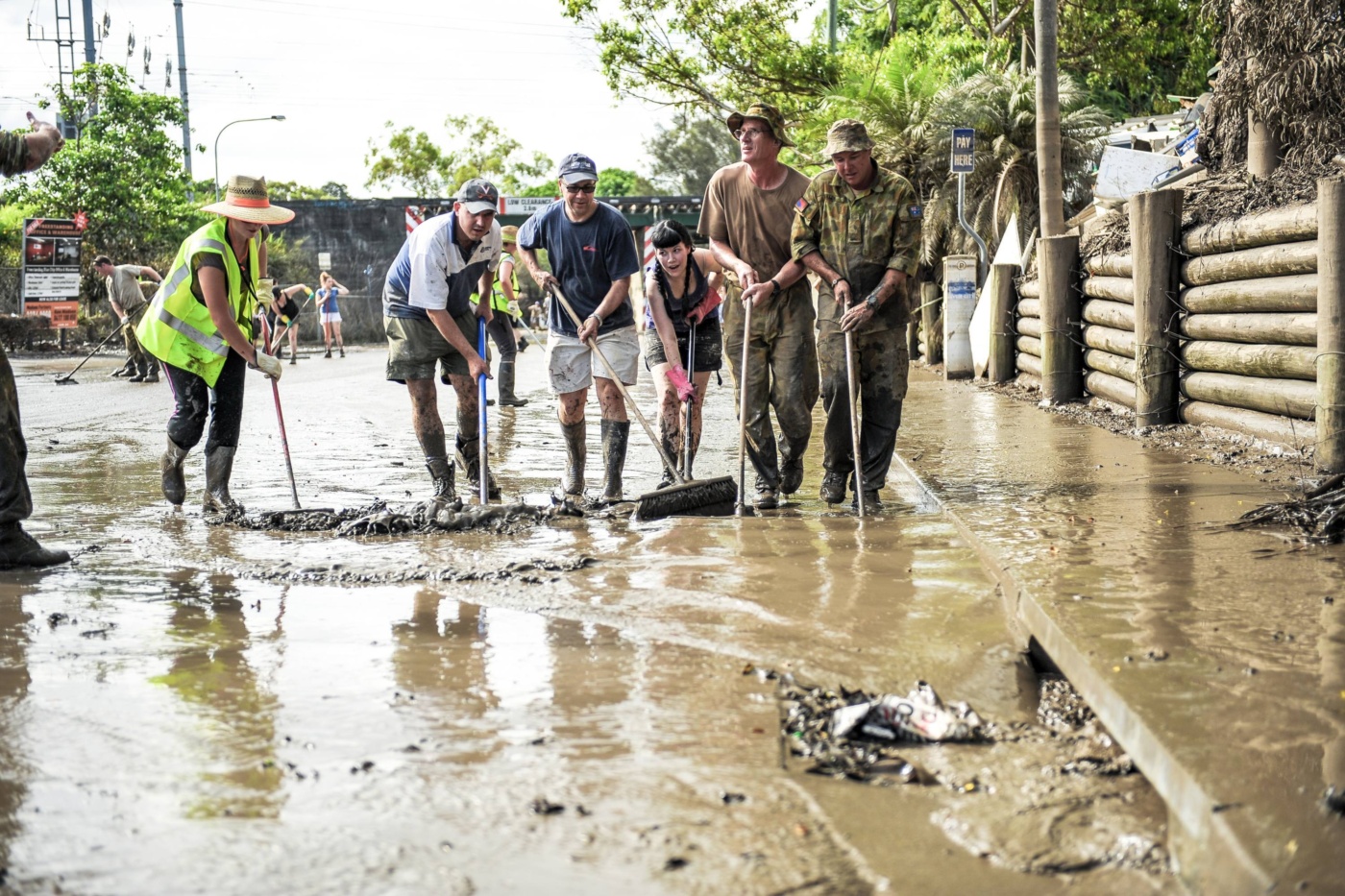
A new report has confirmed the vital role played by local community groups in responding to natural disasters.
However, the research revealed a cultural problem in disaster management agencies that devalued community action and viewed it only as a risk.
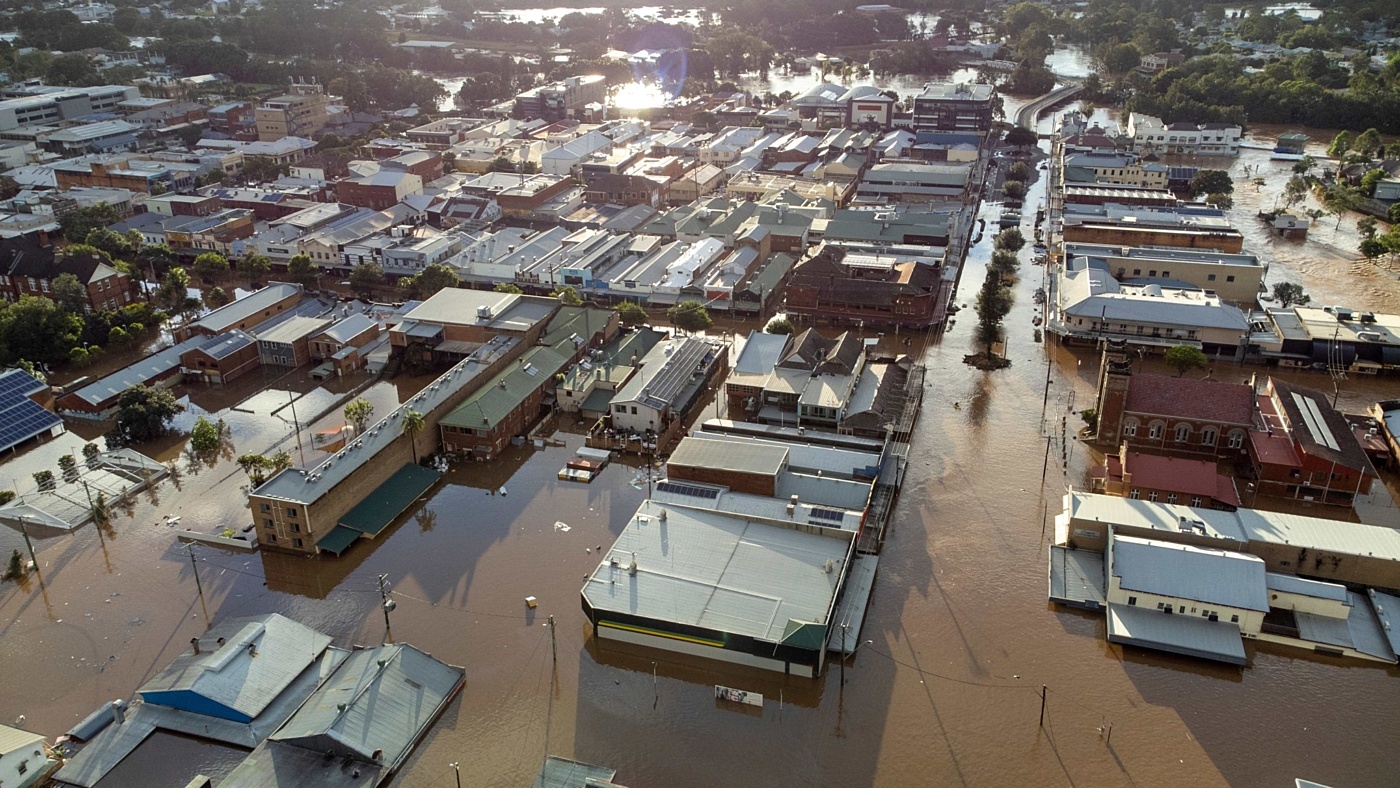
The study by the University of Sydney's University Centre for Rural Health in Lismore examined how disaster agencies interacted with local community-led groups during the devastating Northern Rivers floods in 2022.
Understanding Connections between Disaster Management Agencies and Informal and Emergent Community Groups in the Northern Rivers included interviews with disaster management personnel and analysed their connections to informal community organisers.
It found effective collaboration between grassroots organisations and disaster management agencies was a crucial element of emergency response but needed to be improved.
Researchers found that despite initial disconnection, strong networks between disaster management agencies and informal community groups emerged in the aftermath of the Northern Rivers floods, but that cultural barriers within agencies continue to hinder deeper collaboration.
The study comes in the wake of ex-Tropical Cyclone Alfred, which pounded communities along the NSW and Queensland coast, and identified four key themes:
The report found that encouragingly, participants in the research reported positive steps towards stronger engagement in the wake of the floods, including better use of community halls and local groups in disaster planning.
“Most of the study participants were well connected to informal and emergent community groups and proud of the collaborative work they had undertaken with key community organisers in the two years since the disaster to develop new structures and systems to facilitate two-way communication between the two sectors,” the report found.
“These include working with community halls and progress associations, strengthening processes for community-run evacuation centres, and establishing a new subcommittee to include community groups in the formal Local Emergency Management Committee (LEMC) structure.”
However, the report found lasting change required cultural shifts within agencies, resourcing for long-term engagement, and formal mechanisms to support two-way communication.
“Participants [in the study] reflected on the differences between their personal understanding of community and the prevailing culture within the wider disaster management sector,” according to the report.
“They reported that disaster management agencies were not used to working collaboratively with communities and often did not understand or value the contribution of communities before, during and after disasters.
“They noted that working with community entailed real legal, operational and reputational risks for agencies, and because of this community tended to be viewed through a risk lens as a potential liability and an undesirable partner.”
“Without these changes, the risk of missed opportunities for collaboration and more severe disaster impacts remains high.”
The study found that individual relationships of trust built over time were perceived to be the key factor that allowed disaster management personnel to reframe and manage the perceived risks of engaging with community.
“Some of our participants had the opportunity to witness the vital role community-led response played in the context of a catastrophic disaster, and from that were able and willing to build relationships with community organisers and engage in collaborative problem-solving. In these instances, relationships of trust were central.”
The study called for greater recognition of community capacity, dedicated roles for engagement during non-crisis periods, and agency-wide training to improve understanding of grassroots disaster response.
“Without these changes, the risk of missed opportunities for collaboration and more severe disaster impacts remains high.”
The research was led by Dr Jo Longman and Emma Pittaway from the University Centre for Rural Health and funded by the Sydney Environment Institute’s Collaborative Grant scheme.
The study was conducted between February and August 2024 and built on previous research carried out between August 2022 and February 2024, which identified the extensive and essential role played by community-led organising in the Northern Rivers after the disaster.
The report coincides with the decision of the federal government to allocate $14 million to expand the Strengthening Telecommunications Against Natural Disasters (STAND) program.
The cash injection will enable the National Broadband Network to expand the number of community wi-fi Sky Muster satellite connections installed in more than 1000 rural and country fire service depots and evacuation centres by a further 500 sites nationwide.
The Albanese government said it had committed more than $340 million to improve mobile coverage and the resilience of communications networks against natural disasters.
If re-elected, the government has promised to introduce legislation designed to ensure expanded mobile phone coverage across the entire continent, providing vital communication access during during emergencies and natural disasters that disrupt power and land-based networks.
Communications Minister Michelle Rowland said resilient communications and broadcasting networks were vital for keeping communities safe, informed, and connected during emergencies.
“It can be the difference between life and death,” she said.
“Hundreds of thousands of people, homes and businesses in southern Queensland and northern NSW were left without power in the wake of ex-Tropical Cyclone Alfred.
“Sky Muster satellite internet services can operate off a portable generator even when local ground-based communications networks are down – keeping communities connected when they need it most.”
Posted on 07 Oct 2026
Our Community's founder and leader, Denis Moriarty, writes that when he watched an over-the-top…

Posted on 07 Oct 2026
A major public campaign launched this morning is calling on the federal government to restore…
Posted on 07 Oct 2026
The Australian Literacy & Numeracy Foundation (ALNF) has announced a partnership with mining…
Posted on 07 Oct 2026
A conference in Darwin will this morning hear detailed, strategic plans for how Australia could…

Posted on 07 Oct 2026
Joseph Friedman is co-founder and publisher of About Time, Australia’s only newspaper for…

Posted on 30 Sep 2026
There's been a lot of talk about AI this week, and some of it has been frightening. So, is AI good…

Posted on 30 Sep 2026
After the biggest AFL game of the year, one player proudly wore the flag of his birth country and…

Posted on 30 Sep 2026
At 21 years old, Tate Donohoe is the founder of Ecodia, an AI-assisted software development company…

Posted on 30 Sep 2026
Not-for-profit leaders have been warned to be wary of approaches from potential “funding partners”…
Posted on 30 Sep 2026
More than 200 fully funded Centre for Social Impact (CSI) scholarships will help equip for-purpose…

Posted on 30 Sep 2026
Personal stories are among the most powerful tools a charity can have to raise funds and awareness,…

Posted on 23 Sep 2026
In his new book Our Place, policy expert Matt Lloyd-Cope argues that housing must be at the heart…