Save Izzy: campaign calls on government to restore funding for vital services directory
Posted on 07 Oct 2026
A major public campaign launched this morning is calling on the federal government to restore…
Posted on 14 Oct 2024
By Matthew Schulz, journalist, Institute of Community Directors Australia
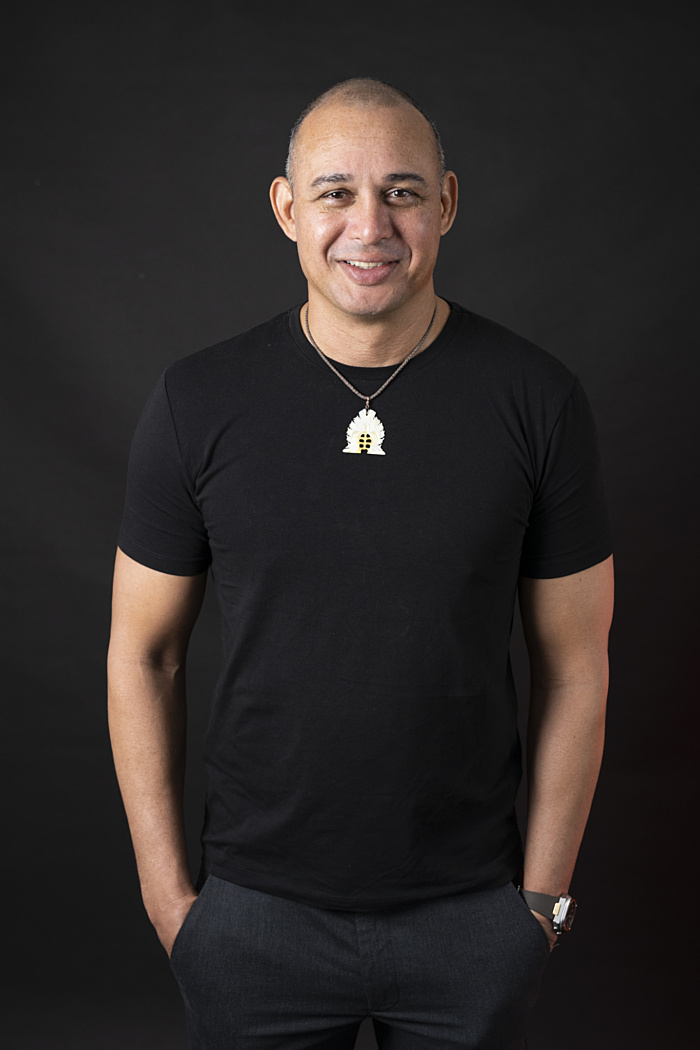
On the anniversary of the failed campaign to enshrine an Indigenous Voice to Parliament, an architect of the effort says it is time for supporters to dust off their “yes” T-shirts, banners and stickers to continue the push for a better deal for First Nations people.
Thomas Mayo, a signatory to the Uluru Statement from the Heart and a strident advocate for the proposed constitutional change, told the Community Advocate he believed the time had come to again push for progress, after nearly 60% of Australians voted down the proposed Voice to Parliament in October 2023.
Mayo has been campaigning for the rights of Indigenous peoples for more than 20 years, including supporting the Uluru Statement’s push for “voice, treaty and truth” since 2017.
He carried the original Uluru Statement canvas around the country and was a leading spokesperson for the Yes campaign in the 2023 Voice referendum.
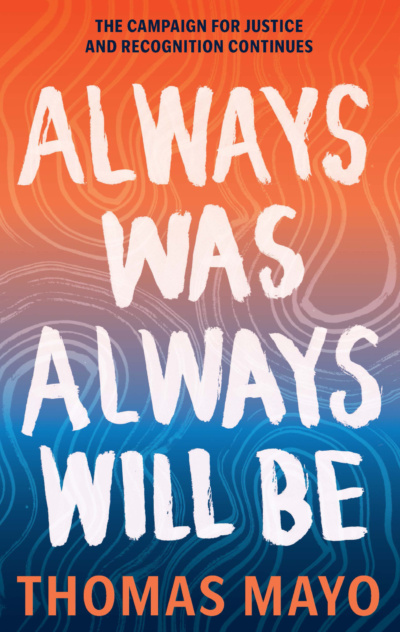
In an interview to promote his new book, Always Was, Always Will Be, Mayo revealed the personal toll of the battle, what went wrong for First Nations allies, and his suggestions for building on the achievements of the Yes coalition.
Mayo is determined to continue the campaign for justice and recognition for Indigenous people in Australia, saying the resistance to change is nothing new.
“We're always told ‘no’ before we’ve achieved important steps forward,” he said.
“We've put our arms around our Indigenous allies and built our movement until we’ve achieved those changes and it's the same in this case. That's what gives me great hope.”
“We're always told ‘no’ before we’ve achieved important steps forward."
That hope drew from a reservoir of goodwill from younger generations, he said.
“Over 60% of Generation Z voted ‘yes’. Our children are continuing to learn from the great Indigenous authors, and illustrators, and film makers. Teachers and elders are going into schools and leading acknowledgements of country. We're headed in the right direction.
“We created a very solid movement [with] 40% of people certain that they want change.”
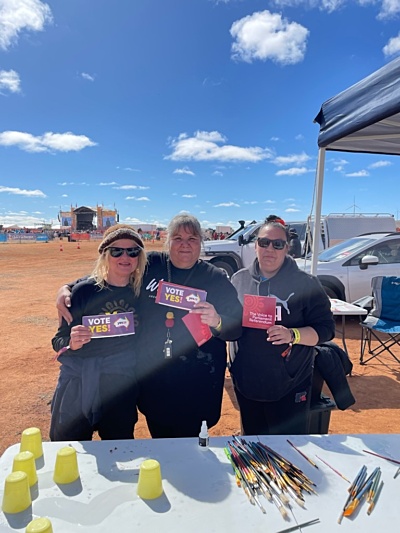
He said he believed “our young people will do what we tried to do last year”.
While another referendum is not on the horizon, “if we continue to build on that 40% and support our young people to learn in a very different way than people of my generation … we're going to set them in good stead to take that next step.”
Previous steps had excruciatingly slowly led to equal wages, the right to vote, land rights and native title, and a Voice “will happen”, he said.
“We were on the right side of history.”
“Get that wind back into your sails, is what I want to say. I believe that we succeeded in some ways last year, and if we persevere, we're going to achieve that change.”
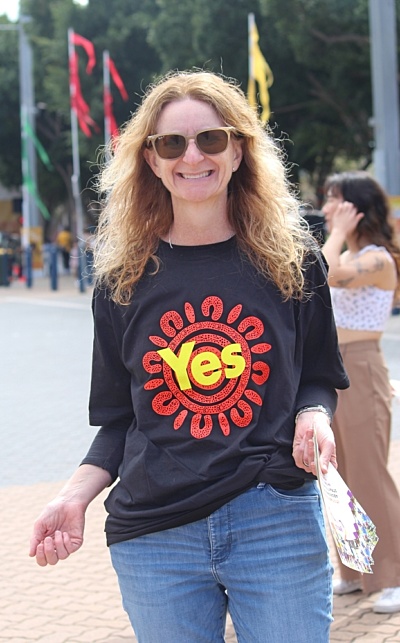
He suggested supporters should mark the anniversary by pulling their Yes T-shirts out of the drawer and freshening them up with personal slogans such as “I love fishing … and I voted Yes”, “I tell bad Dad jokes … and I voted Yes”, or “Always was, always will be …Yes”.
“The people who voted ‘no’, many of them didn't vote ‘no’ with malice in their hearts. They voted ‘no’ because they're busy and because … someone like Peter Dutton … basically misinformed them and confused them.
“So wear those shirts, continue to fly the flag, and that creates conversations. And when you have the conversations, resist polarisation, have patience, listen to people, understand where their misconceptions are coming from, and then you'll know what evidence to give them to help them. You might even give them a copy of the book.”
Mayo praised the sector allies who had stuck with the cause.
“I appreciate all of the not-for-profits that are continuing to work with us as members for Allies of Uluru.
“Get that wind back into your sails, is what I want to say. I believe that we succeeded in some ways last year, and if we persevere, we're going to achieve that change.”
Posted on 07 Oct 2026
A major public campaign launched this morning is calling on the federal government to restore…
Posted on 07 Oct 2026
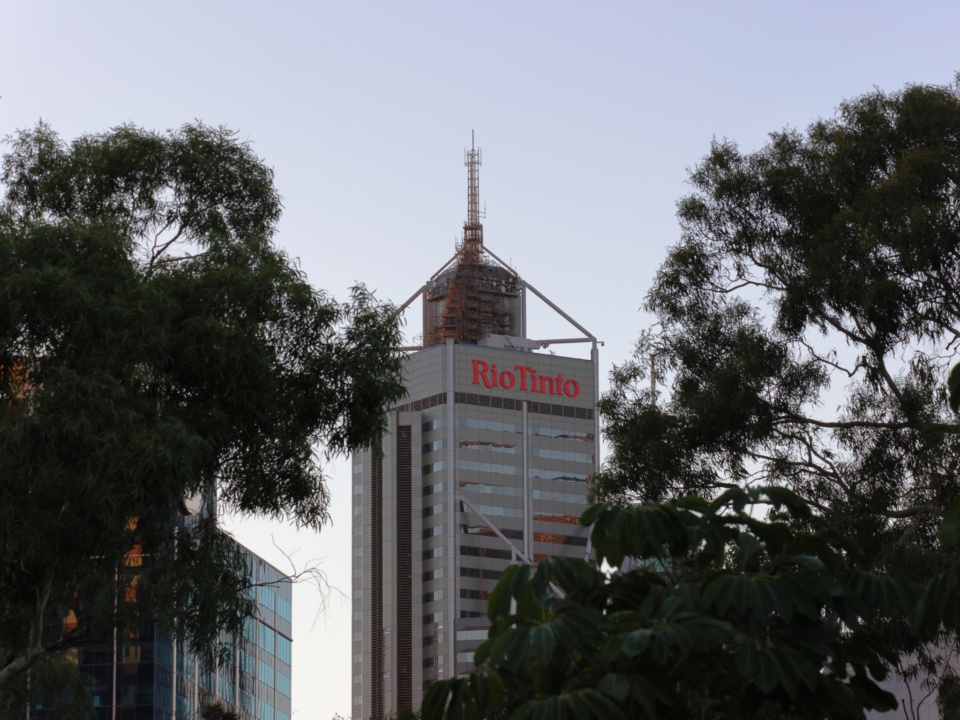
The Australian Literacy & Numeracy Foundation (ALNF) has announced a partnership with mining…
Posted on 07 Oct 2026
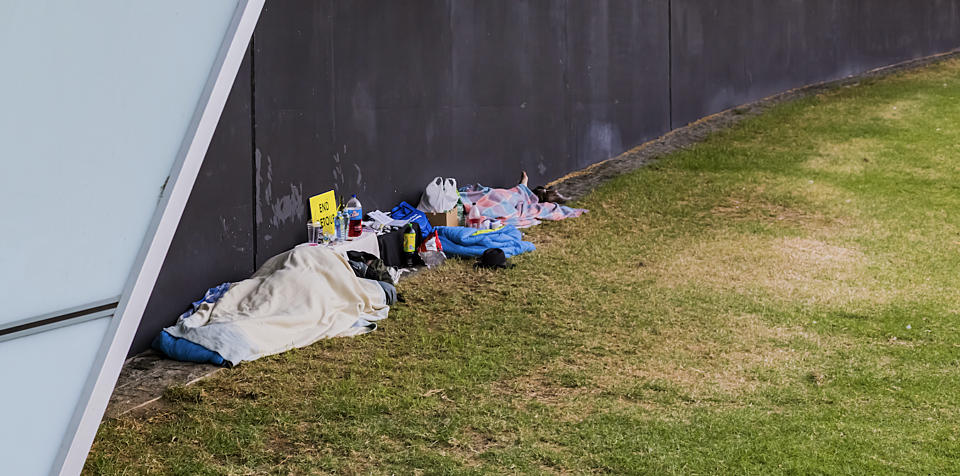
A conference in Darwin will this morning hear detailed, strategic plans for how Australia could…

Posted on 30 Sep 2026
Not-for-profit leaders have been warned to be wary of approaches from potential “funding partners”…
Posted on 30 Sep 2026
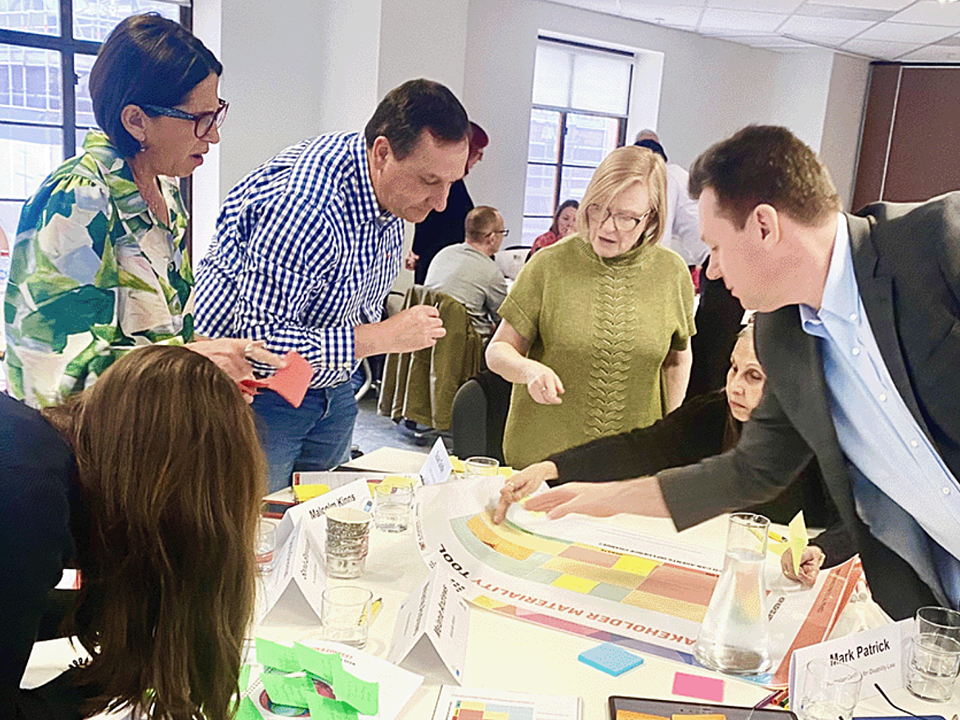
More than 200 fully funded Centre for Social Impact (CSI) scholarships will help equip for-purpose…

Posted on 30 Sep 2026
Personal stories are among the most powerful tools a charity can have to raise funds and awareness,…
Posted on 23 Sep 2026
A just-released major global survey of charities has found that demand for charity assistance has…
Posted on 23 Sep 2026
Fresh from welcoming delegates to last week’s Philanthropy Australia conference in Brisbane,…

Posted on 23 Sep 2026
A national strategy to develop Australia's regional cities is needed to break the housing…

Posted on 23 Sep 2026
Eight years after a report to Treasury first suggested the charities regulator should be more…
Posted on 17 Sep 2026
Australia’s biggest gathering of philanthropists, which drew more than 1200 delegates to Brisbane…
Posted on 16 Sep 2026
A new partnership between Paul Ramsay Foundation (PRF) and Atlassian Foundation aims to attract…