25 years after Tampa, the politics of fear are still setting the terms
Posted on 14 Oct 2026
In the ongoing political debates about migration levels, Asylum Seeker Resource Centre founder Kon…
Posted on 30 Sep 2026
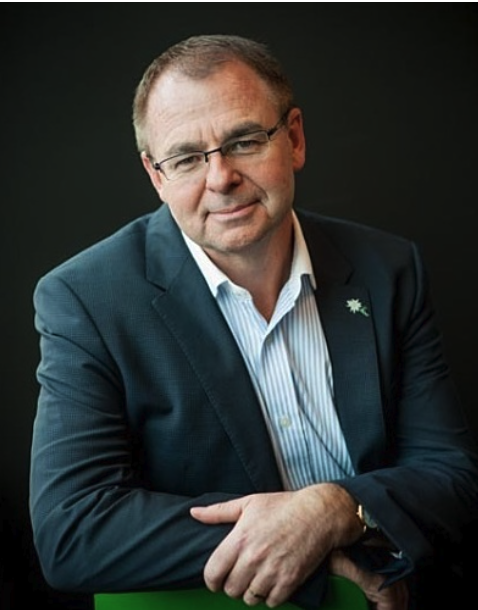
By David Crosbie, CEO, Community Council for Australia
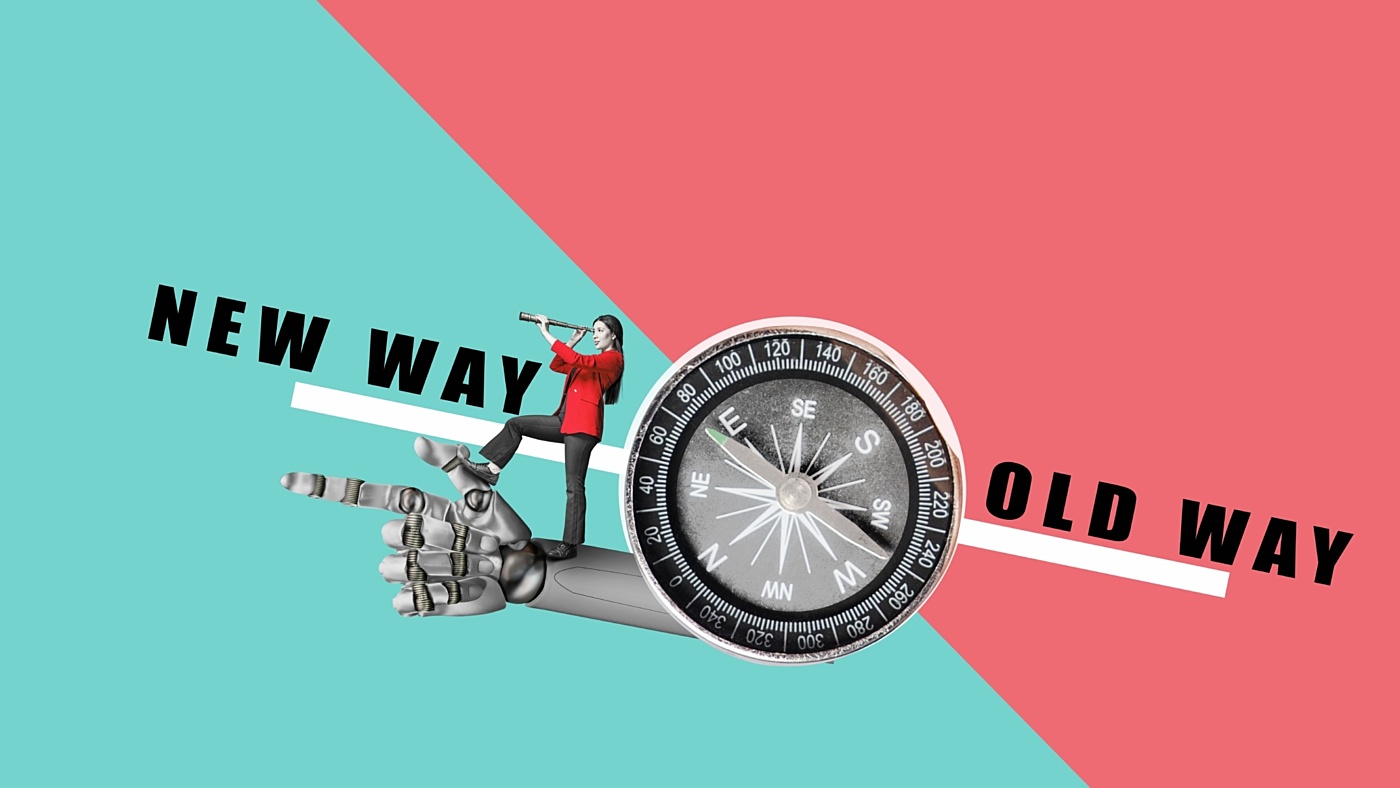
There's been a lot of talk about AI this week, and some of it has been frightening. So, is AI good or bad? It depends. For charities, it depends above all on our purpose and our values.
Like it or not, AI is already in use in most of our organisations. Occasionally it came in by design. More often it slipped in quietly, the day someone asked a chatbot to draft a grant application or reply to a difficult email. We're past debating whether to use AI, when to start, or whether we're comfortable with it. The real questions are how we'll use it, and which values we'll bring with us when we do.
So far, the answer across our sector to how we’ll use it has mostly been for efficiency. The Institute of Community Directors Australia’s 43 examples of NFPs and charities using AI is a good snapshot. Organisations are saving time, streamlining work, expanding online services and making information easier to find. Some have built a bigger, better front door for clients and supporters. Others have made it easier for staff to find internal ways through their workflow.
Read those examples closely and a pattern emerges. Almost every successful use of AI starts with well-organised, searchable information.
That's the first hard truth about AI: garbage in, garbage out. If your data is scattered, out of date or inconsistent, AI won't fix it. It will spread the garbage faster and sound completely confident while doing it. For many charities, AI's first lesson hasn't been about technology at all. It’s been about getting data in order.
Sorting your data also means deciding who gets to see what. Nowhere does this matter more than with client records and sensitive staff and volunteer information. No one wants an AI agent that reads a colleague's medical certificate and hands it to anyone who asks. Our clients trust us with some of the most private details of their lives. Once that trust is broken, no efficiency gain will win it back.
Get the data right and keep it safe, and you arrive at the question that really matters: does AI serve our mission?
This is where we part ways with business. Companies often adopt AI to increase revenue or cut costs. Charities and NFPs may benefit from doing both, but neither is the point. For us, AI is only worth having if it helps us fulfil our purpose.
Picture a Landcare volunteer who joined the organisation to plant trees and ended up buried in paperwork. At first, AI might simply offer relief: it means less admin and more time with dirt under the fingernails. It may take some effort to set up, but over time it pays off. The bigger benefits come later. With the right information, AI could help Landcare to work out which trees to plant, where and when, so every planting does more for the local environment. That isn't just saving time. It's advancing the mission.
“I’m no expert on AI. But the good news, as I see it, is that the most important steps depend more on good leadership than on technical knowledge.”
Getting that kind of benefit takes a different kind of data. Good record keeping is not enough. We need impact data, a clear picture of what has worked and what hasn't. Too often, our sector lacks good systems for capturing our impact. In that sense, AI holds up a mirror. It pushes us to be much clearer about what fulfilling our mission actually looks like.
And we don't have long to work it out. If there's one thing we can say with confidence, it's that in five years the way we store, share and use information will look completely different. Today's systems will be tomorrow's legacy. AI will do far more than speed up information retrieval, just as computers ended up doing far more than replace the typing pool. The organisations that thrive will be the ones that start preparing now.
I'm no expert on AI. But the good news, as I see it, is that the most important steps depend more on good leadership than on technical knowledge:
We can choose to ignore AI, but it isn't going away. None of this is simple. AI will be disruptive on many levels. It will test our shared values. Its costs may outweigh its benefits. It may create problems in our communities that we haven't yet imagined.
The many challenges of AI reinforce the importance of actively questioning how we go about using it. Does AI help us do better, drive more change and provide more benefit for the people and causes we serve? Can we adopt it without compromising our core values? Can we use it to build stronger, more flourishing communities?
However we see the benefits, the costs, the threats and the limitations, the important test of AI in our sector is ultimately a test of purpose.
David Crosbie has been CEO of the Community Council for Australia for the past decade and has spent more than a quarter of a century leading significant not-for-profit organisations, including the Mental Health Council of Australia, the Alcohol and Other Drugs Council of Australia, and Odyssey House Victoria.
Posted on 14 Oct 2026
In the ongoing political debates about migration levels, Asylum Seeker Resource Centre founder Kon…

Posted on 14 Oct 2026
Over the weekend, federal Liberal leader Angus Taylor told the Conservative Political Action…
Posted on 07 Oct 2026
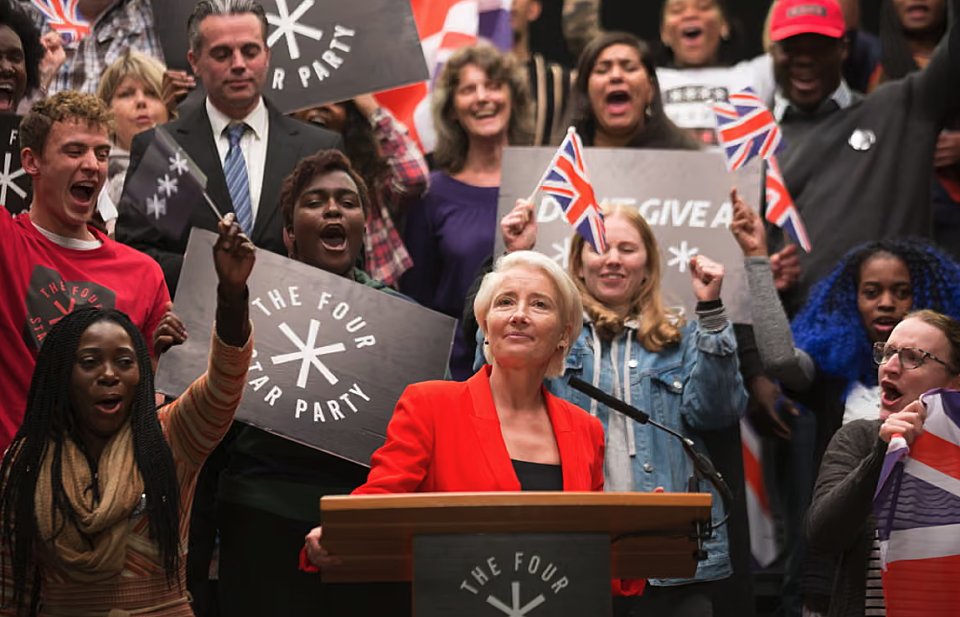
Our Community's founder and leader, Denis Moriarty, writes that when he watched an over-the-top…

Posted on 30 Sep 2026
After the biggest AFL game of the year, one player proudly wore the flag of his birth country and…

Posted on 23 Sep 2026
In his new book Our Place, policy expert Matt Lloyd-Cope argues that housing must be at the heart…

Posted on 23 Sep 2026
There are solutions to counter the rise of One Nation but they might not be residing in the mess…

Posted on 03 Sep 2026
Denis Moriarty has an issue with insurance companies varying premiums because of what they perceive…
Posted on 02 Sep 2026
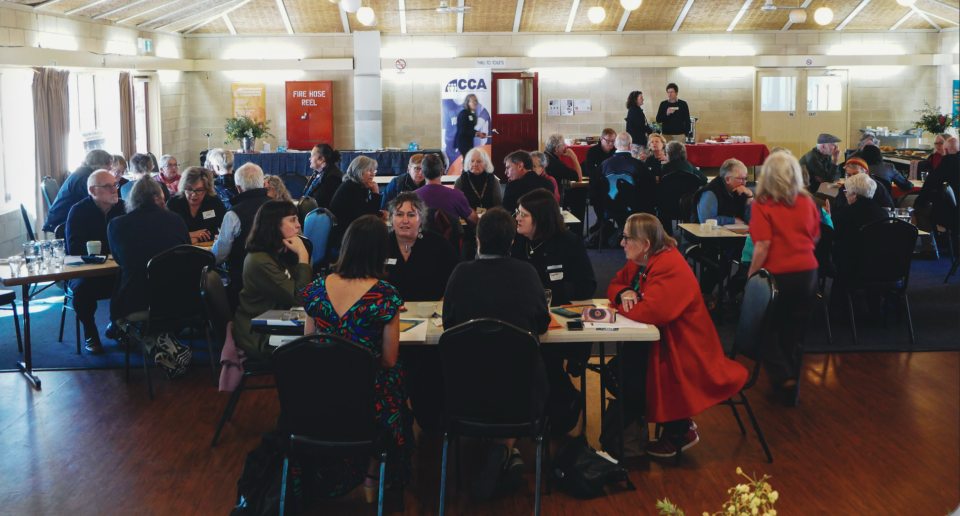
Yesterday, at a meeting just outside Castlemaine in Victoria, 70 people came together to hear…

Posted on 26 Aug 2026
Our Community's founder and leader, Denis Moriarty, says he commissioned a new piece of street art…

Posted on 19 Aug 2026
Government funding is at the centre of Australia's charity and not-for-profit sector – our number…

Posted on 12 Aug 2026
Our Community's founder and leader, Denis Moriarty, says fostering a child was his worst nightmare,…

Posted on 05 Aug 2026
The charity and not-for-profit sector is vital to our economy and the wellbeing of communities…