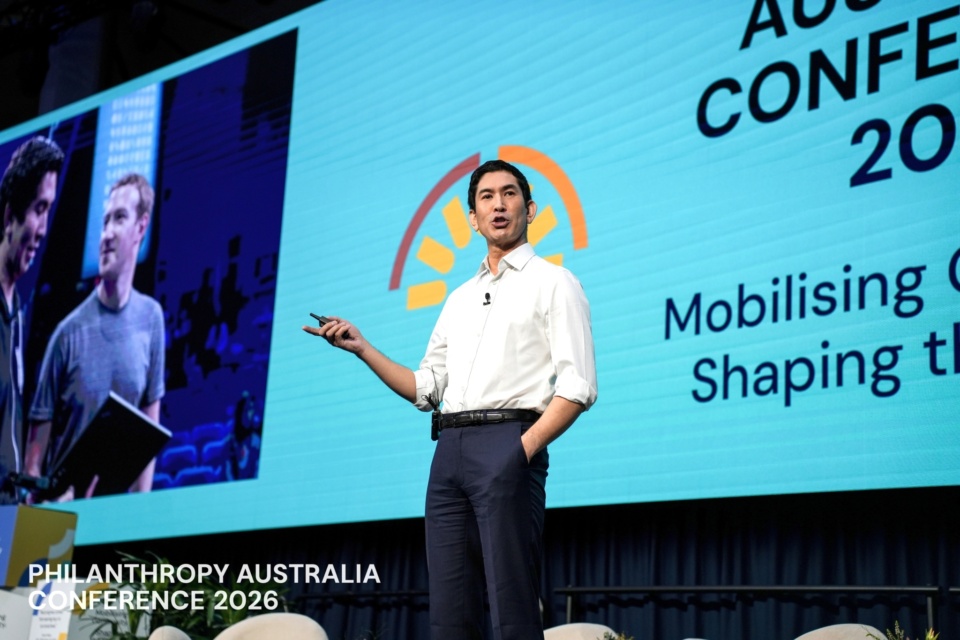
Philanthropists ask: Can we forge a better future?
Posted on 17 Sep 2026
Australia’s biggest gathering of philanthropists, which drew more than 1200 delegates to Brisbane…
Posted on 21 Oct 2025
By Matthew Schulz, journalist, Community Directors

Funders and the not-for-profits (NFPs) they work with should treat artificial intelligence (AI) as a tool to support human judgement, not replace it, says the director of data, AI and analytics at Our Community, Dr Paola Oliva-Altamirano.
Speaking at the recent Grants Impact Forum in Melbourne, Oliva-Altamirano called on the sector to keep people at the centre of any use of AI.
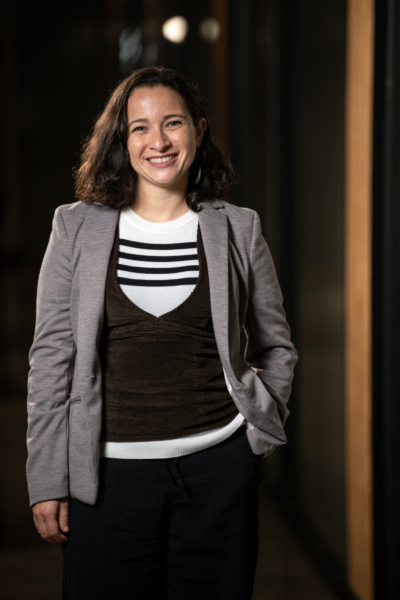
Oliva-Altamirano told the room full of grantmakers from around the country that while they must embrace the possibilities of AI, they should be wary of the ethical risks, particularly the potential for AI to reinforce bias through predictive or automated decisions.
“You’re the subject matter expert, not the AI,” she said. “Treat it like a peer reviewer, not a supervisor. It’s there to challenge your thinking, not to replace your judgment.”
Any use of AI should be transparently communicated to those affected, including grant recipients, she said. Where possible, it should incorporate human insights, particularly from people with lived experience of the social interventions targeted by the grant programs.
“Keep people in the loop. AI should support – not replace – community voice and local knowledge,” she said. “Explain your process, be transparent, and check the tool’s output with your peers.”
“The tools should respect the people behind the data, not reduce them to a data point. And they should support humans to do better work – not automate compassion out of the process.”
If those basic principles are adopted, AI has the potential to transform how grant applications are written, reviewed and evaluated, Oliva-Altamirano said.
“If AI is writing the applications and AI is assessing them, then our current forms and processes might become obsolete,” she said. “This could be our chance to design something better – more dynamic, more human-focused, and less about ticking boxes.”
She noted AI is already helping some applicants, particularly those whose first language is not English.
“Using AI as an editor is helping them compete more confidently in the grant space,” she said. “But if it’s not used well, it can backfire. Applications can come across as flat or generic.”
She added that well-resourced organisations currently benefit most from AI.
“That’s why free training, resources and clear guidance are essential,” she said. “We don’t want the sector to widen the gap.”

Grantmakers wanting to employ AI should start by focusing on practical, ethical uses of AI that improve their day-to-day work, Oliva-Altamirano said.
“Start by using AI to refine your work, not replace yourself.
“Try it as a thinking partner to summarise a report, draft a grant response, or make sense of messy feedback – but you still need to work on the foundations yourself.”
She warned against relying too heavily on general-purpose chatbots and other tools that claim to do “everything”, saying that these will often fail to meet expectations.
“People assume these tools are smarter than they really are,” she said. “And that leads to disappointment and missed opportunities.”
Instead, she advised starting AI use with low-risk, simple tasks.
“Using AI in your daily work is more of a mental shift than a technical one,” she said. “We all stick to tools we know – it’s human. Start small – ask AI to tidy up your emails or rewrite that paragraph you’ve been stuck on. That’s how you learn to give it the right context.”
Oliva-Altamirano ended by urging grantmakers to adopt AI with clear goals in mind.
“Responsible AI in grantmaking means using tools that solve actual problems – not just chasing shiny tech,” she said. “The tools should respect the people behind the data, not reduce them to a data point. And they should support humans to do better work – not automate compassion out of the process.”
Posted on 17 Sep 2026
Australia’s biggest gathering of philanthropists, which drew more than 1200 delegates to Brisbane…
Posted on 17 Sep 2026
Experts in Australian philanthropy say there are stark differences between philanthropic money and…

Posted on 17 Sep 2026
One of Australia’s foremost fundraising observers says Australian not-for-profits must get the…
Posted on 17 Sep 2026
As direct giving dries up, charities face growing dependence on big donors and negotiating the…

Posted on 17 Sep 2026
Charities reported $14.8 billion in donations and bequests last financial year, the second-highest…

Posted on 17 Sep 2026
My father often googles my name, and as a result, years ago, I received a surprising gift in the…
Posted on 17 Sep 2026
Where Evelyn Mugisha grew up in rural Uganda, the subjects and careers considered suitable for…
Posted on 09 Sep 2026
A global gathering of philanthropists in Brisbane this week is aiming to tackle society’s biggest…
Posted on 09 Sep 2026
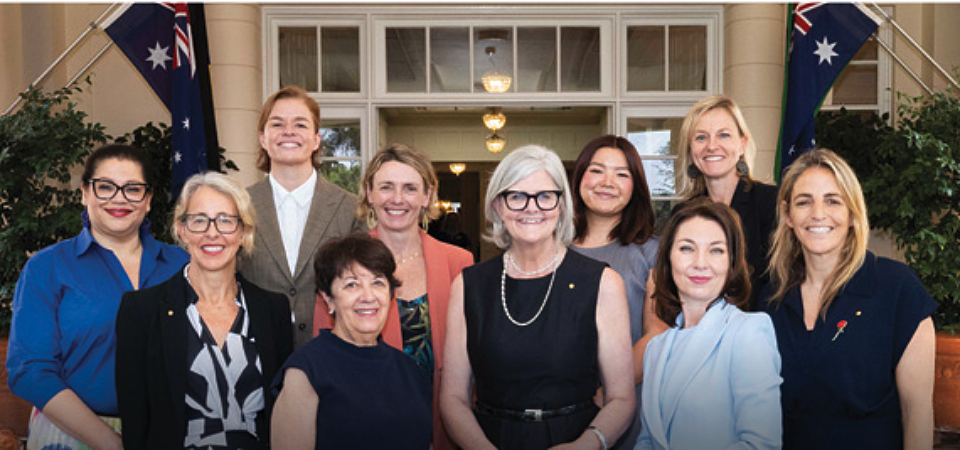
Media attention about women's philanthropy has more than doubled in three years, according to new…
Posted on 26 Aug 2026
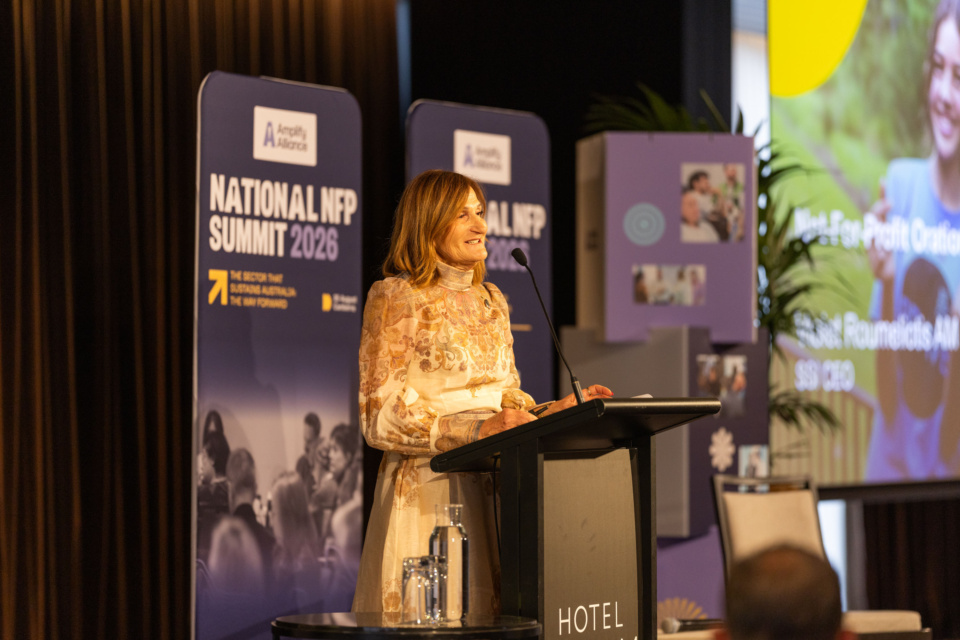
Sector leader Violet Roumeliotis has called on funders to stop treating not-for-profit…
Posted on 13 Aug 2026
As a teenager, I attended summer camp for seven years, first spending two weeks at a time camping…

Posted on 13 Aug 2026
Not-for-profits are full of people with great ideas, but that doesn’t mean they are set up for…