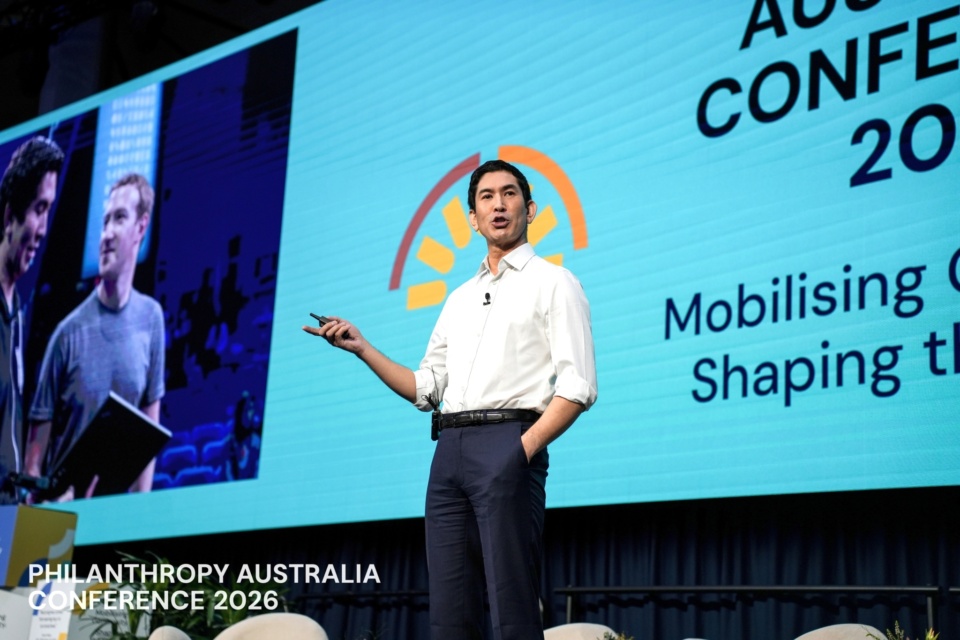
Philanthropists ask: Can we forge a better future?
Posted on 17 Sep 2026
Australia’s biggest gathering of philanthropists, which drew more than 1200 delegates to Brisbane…
Posted on 13 Aug 2025
By Matt Finnis, CEO, Cranlana Centre for Ethical Leadership

In an increasingly diverse and polarised world, directors of not-for-profits need to take care to position their organisations to manage conflicting values within their workplaces and communities.
What we have seen in recent times is that trying to manage tensions due to pluralism and polarisation without first strengthening the “moral muscles” required is like trying to run a marathon without training.
And while these challenges are arising in all corners of society, the temperature is often higher in organisations where people are drawn in by a strong sense of shared purpose.
Many community groups have come a long way in being far more inclusive than they used to be, and are seeking to address historical and systemic challenges involving the marginalisation of minority groups.
Further, we actively encourage our staff to be authentic and bring their “whole selves” to work in an attempt to be contemporary, inclusive organisations.
But for board members, it is important to realise that with these legitimate and worthy intentions come some unique challenges by virtue of the diverse range of values held by our people.
Sometimes one employee’s deeply held values or one group of employees’ values will conflict with another’s values, or with those of the organisation.
The challenge for leaders is to create a supportive environment where people feel safe in their identity, in their values, their beliefs, but also respect the differing beliefs of others, and indeed the right of the organisation to have its own set of values.
This is what it means to be a confidently plural organisation. To recognise that “difference and values” conflicts are not crises or issues to be solved but an inherent part of a healthy workplace.
"The challenge for leaders is to create a supportive environment where people feel safe in their identity, in their values, their beliefs, but also respect the differing beliefs of others, and indeed the right of the organisation to have its own set of values."
If the first time that you turn your mind to the skills and techniques required to address these dilemmas is when you’ve got a live issue, you’re starting on the back foot. And you’re potentially trying to deal with the substance of the matter at the same time as putting out fires in the mainstream or ‘social’ media.
The media focus will inevitably pour more fuel on tensions and seek to create further division. But while it might be desirable to resolve an issue in a 24-hour news cycle, this isn’t realistic, particularly when the solution will often involve learning to live with tension rather than resolve it.
Because you can’t please everyone all the time, how your organisation holds discussions and makes decisions when an “inclusion dilemma” arises can be just as important as the outcomes. People with different views need to feel heard and respected, to understand the organisation has a process, and to feel part of it.
In order to be confident that their organisation will be able to find a way through, leaders need to be well practised.
By lowering the stakes and discussing issues when they’re not “live”, boards and executive teams can practise the process of navigating an inclusion dilemma without the added pressure of a critical audience. We can also learn from dilemmas that others are facing.
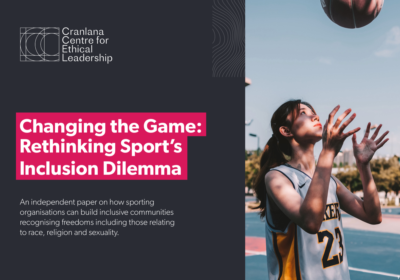
To learn more about Cranlana’s work on the inclusion dilemma in sporting and club organisations, read the report and roadmap commissioned by Essendon Football Club, Changing the Game: Rethinking sport’s inclusion dilemma.
None of us want to be in a situation where we’re trying to navigate a crisis, but there’s always a lot that we can learn from the experiences of others.
Bringing those experiences into our boardroom, making time to think about how we would try and resolve those challenges, has got to make you more prepared for when they inevitably arise in your own organisation.
By exercising our “moral muscles” we give ourselves an infinitely better chance of making it to the finish line in good shape, and bringing our community with us on the journey.
Matt Finnis is the CEO at the Cranlana Centre for Ethical Leadership. Cranlana supports leaders, organisations and systems in developing ethical leadership capability and applied ethics learning.
Cranlana is offering ICDA members an exclusive discount of up to $325 on its ethical decision-making course, “Choices that matter”, commencing Tuesday, August 19. This three-week program comprises four modules and two webinars. Use the code ICDA10. Find out more and enrol here.
Posted on 17 Sep 2026
Australia’s biggest gathering of philanthropists, which drew more than 1200 delegates to Brisbane…
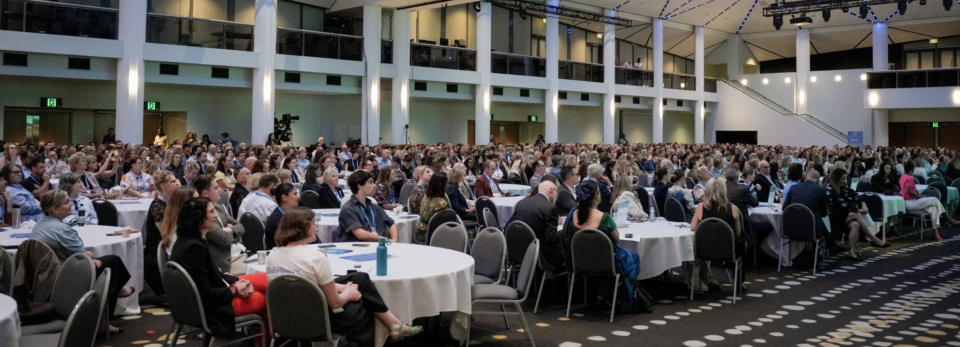
Posted on 17 Sep 2026
Experts in Australian philanthropy say there are stark differences between philanthropic money and…

Posted on 17 Sep 2026
One of Australia’s foremost fundraising observers says Australian not-for-profits must get the…
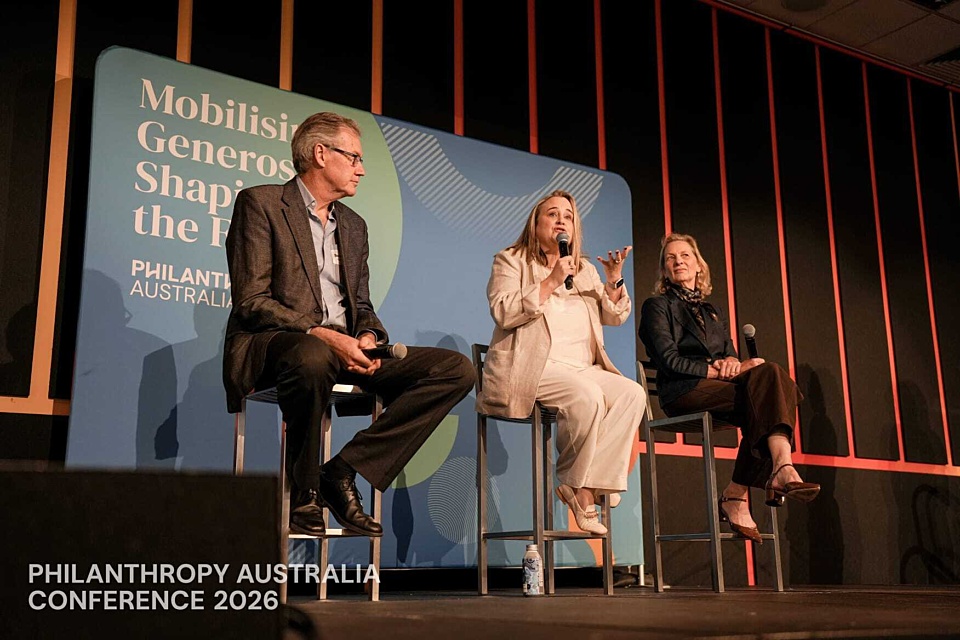
Posted on 17 Sep 2026
As direct giving dries up, charities face growing dependence on big donors and negotiating the…

Posted on 17 Sep 2026
Charities reported $14.8 billion in donations and bequests last financial year, the second-highest…

Posted on 17 Sep 2026
My father often googles my name, and as a result, years ago, I received a surprising gift in the…
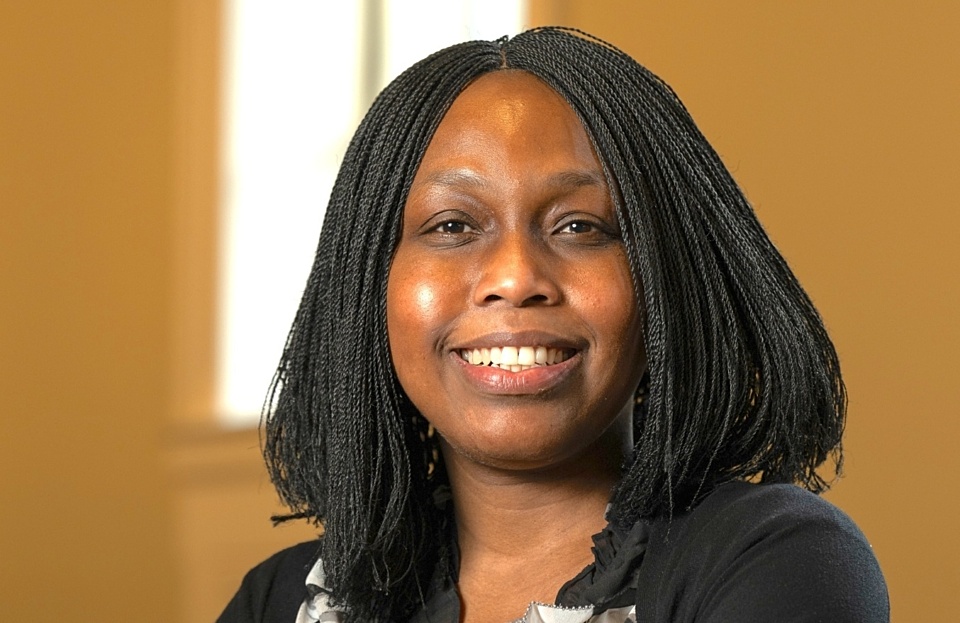
Posted on 17 Sep 2026
Where Evelyn Mugisha grew up in rural Uganda, the subjects and careers considered suitable for…
Posted on 09 Sep 2026
A global gathering of philanthropists in Brisbane this week is aiming to tackle society’s biggest…
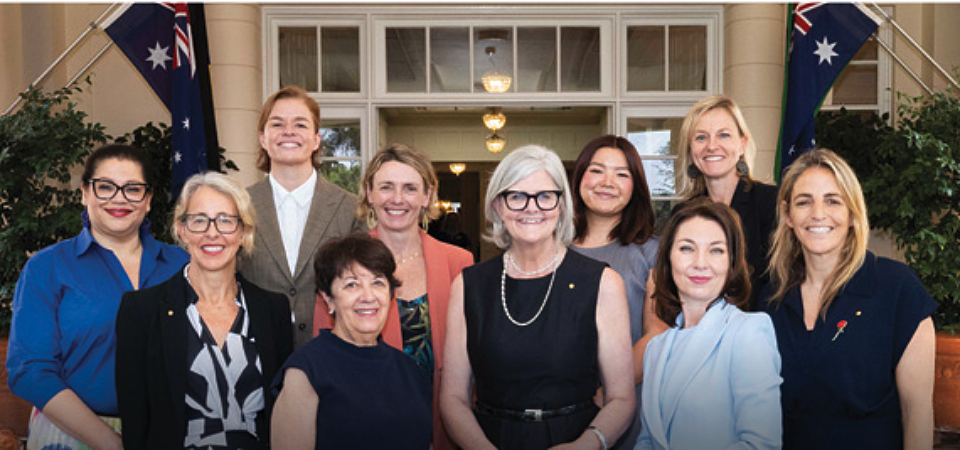
Posted on 09 Sep 2026
Media attention about women's philanthropy has more than doubled in three years, according to new…
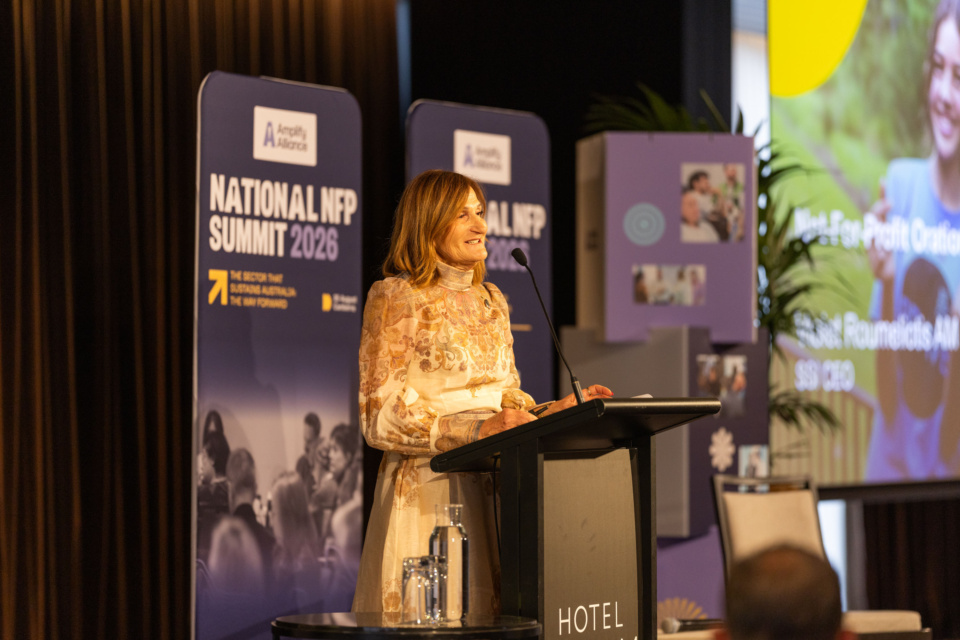
Posted on 26 Aug 2026
Sector leader Violet Roumeliotis has called on funders to stop treating not-for-profit…

Posted on 13 Aug 2026
As a teenager, I attended summer camp for seven years, first spending two weeks at a time camping…

Posted on 13 Aug 2026
Not-for-profits are full of people with great ideas, but that doesn’t mean they are set up for…