
Philanthropists ask: Can we forge a better future?
Posted on 17 Sep 2026
Australia’s biggest gathering of philanthropists, which drew more than 1200 delegates to Brisbane…
Posted on 12 Mar 2026
By Matthew Schulz, journalist, Institute of Community Directors Australia

Australian charities are finding it increasingly difficult to recruit new donors, with rising costs, declining response rates and falling retention the sector’s most pressing fundraising challenges.

The findings come from new analysis by The Benchmarking Project, which examined transactional fundraising data from more than 55 charities across Australia and New Zealand and combined it with interviews with sector leaders conducted in 2025.
Dr Peter Coleman from The Benchmarking Project presented the insights for the first time during a presentation titled “Inside the Minds of Fundraisers” at the Fundraising Institute Australia (FIA) national conference in Melbourne in February.
Coleman said his conversations with fundraisers across the sector had revealed a strikingly consistent set of concerns.
“I ended up speaking with more than 55 charity members. And something became clear very quickly: almost everyone, regardless of their size or sector, was facing very similar challenges.
“It got to the point where I could almost lip-sync what was coming next – not that I actually did, but I was tempted.”

Across the sector, acquisition has emerged as the dominant fundraising concern.
“I don’t think many fundraisers will be surprised to learn that acquisition is the number one concern across the sector,” Coleman said.
Benchmarking Project data showed single-gift donor recruitment declining by about five per cent per year, which represented a 27 per cent drop over the past five years.
At the same time, the cost of recruiting donors is increasing, putting pressure on the return on investment from acquisition campaigns.
Coleman said the decline of traditional recruitment channels was a major factor.
“Traditional methods like direct mail are declining [but] digital’s not yet at the stage where it’s replacing that declining income.”
He said direct mail recruitment numbers had steadily fallen over the past decade, and generational change was one likely explanation.
“People just aren’t responding to direct mail in the way they used to.”
While digital acquisition grew rapidly during the Covid-19 peak, that had plateaued, he said.
While cautious about attributing donation trends to specific causes, he suggested multiple factors were at play, including cost-of-living pressures, increasing competition between charities and broader economic conditions.
“I ended up speaking with more than 55 charity members. And something became clear very quickly: almost everyone, regardless of their size or sector, was facing very similar challenges."
Coleman said the recruitment issue was being compounded by declining retention rates, as past donors were lost.
Coleman said many charities described the situation as a “leaky bathtub”.
“What’s happening is you’re losing more donors down the plughole than are coming in,” he said.
Coleman said one warning sign was the decline in the “single giving second-gift rate”.

This metric measures how many first-time donors make another donation within a year. A strong second-gift rate indicates that acquisition campaigns are attracting supporters who are likely to remain engaged, helping to build longer-term donor relationships.
But this indicator has been steadily falling.
“The single giving second-gift rate has been trending downward over the past 10 years. That has a flow-on effect for lifetime value.”
Retention challenges are also affecting other types of appeals, such as emergency appeals.
Charities reported grappling with demographic pressures, too.
“Many members also flagged concerns about their aging donor database and their ability to recruit younger donors.”
“Younger people are facing harder economic conditions, housing costs and things like that,” he said.

Despite these pressures, total fundraising income has not yet declined, and instead, the data shows a shift in the structure of giving.
“What you’ve got is fewer donors giving more,” Coleman said.
Those donors represent higher-income earners able to afford significant gifts.
He said some charities had responded by investing more heavily in higher-value fundraising streams.
He said “mid-value giving” was a “huge” trend for fundraisers, while others were putting additional effort into attracting “high-value giving” and gifts in wills, which have the best potential return on investment.
“When it does work, the return on investment is incredible,” Coleman said.
But developing a strong gifts in wills programs depends on long-term donor development, which again gets back to the issue of acquisition, and the need to maximise the value of existing supporters.
“So they’re thinking, ‘How do we engage more effectively with the donors we already have?’”
The Benchmarking Project was founded in 2021 to analyse transactional fundraising data and help charities understand sector trends.
Participating organisations provide up to 10 years of donation data, allowing analysts to track patterns in recruitment, retention and donor value across the sector.
More than 55 charities currently contribute data to the benchmarking system, creating a dataset covering hundreds of millions of dollars in annual fundraising income.
Coleman said the analysis used in his presentation was unusually current.
Much national research on philanthropy relies on Australian Taxation Office donation data, which can be at least a few years old by the time it is published.
By contrast, the Benchmarking Project’s dataset includes figures from 2025.
The qualitative insights came from interviews with charity members about their fundraising priorities and concerns.
Coleman said the resulting analysis was not originally intended as a formal study.
“This actually happened by accident,” he said.
“I interviewed about 55 members and suddenly I had this incredibly thorough understanding of what everyone was worried about.”
The result is a rare snapshot of how fundraisers themselves see the sector evolving – and the challenges they are now trying to solve.
For many charities, Coleman said, the path forward will involve two priorities: navigating the immediate acquisition squeeze and building stronger lifetime value from existing supporters.
Leading organisations such as The Smith Family and WWF Australia are already experimenting with new approaches to both challenges, he said.
Posted on 17 Sep 2026
Australia’s biggest gathering of philanthropists, which drew more than 1200 delegates to Brisbane…
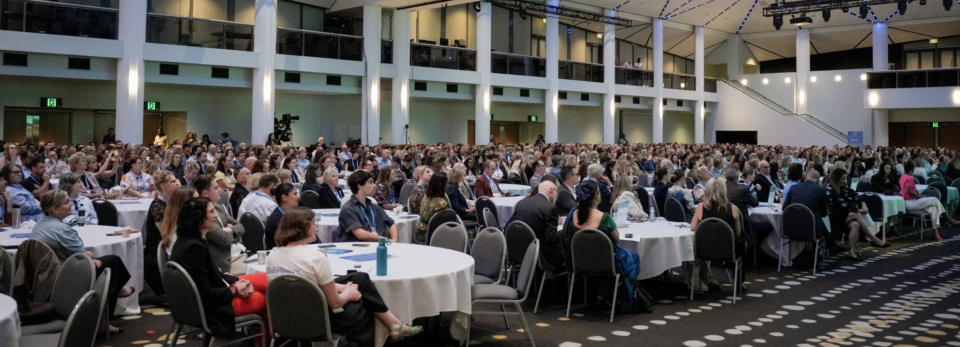
Posted on 17 Sep 2026
Experts in Australian philanthropy say there are stark differences between philanthropic money and…

Posted on 17 Sep 2026
One of Australia’s foremost fundraising observers says Australian not-for-profits must get the…
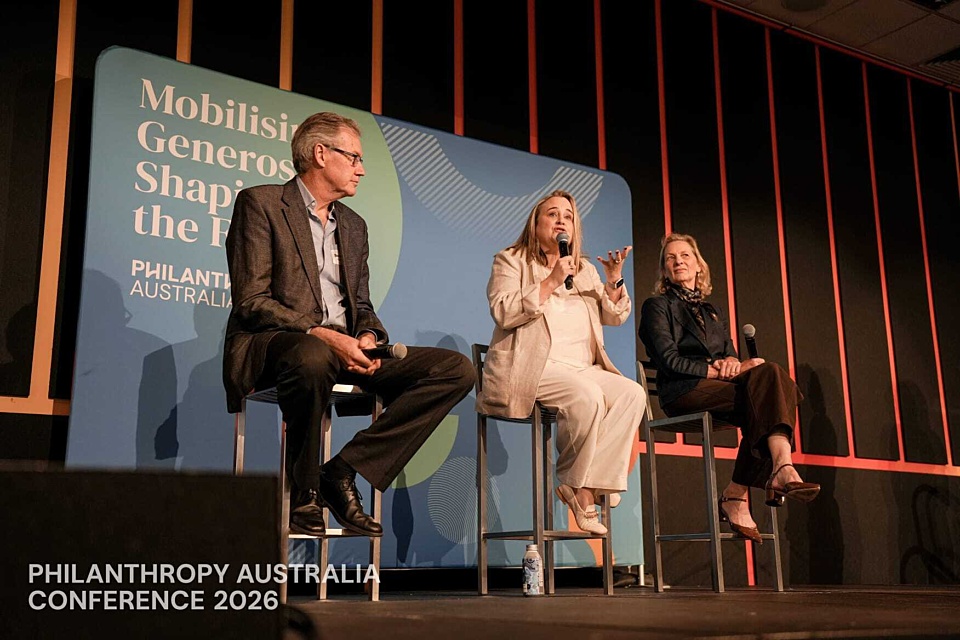
Posted on 17 Sep 2026
As direct giving dries up, charities face growing dependence on big donors and negotiating the…

Posted on 17 Sep 2026
Charities reported $14.8 billion in donations and bequests last financial year, the second-highest…

Posted on 17 Sep 2026
My father often googles my name, and as a result, years ago, I received a surprising gift in the…

Posted on 17 Sep 2026
Where Evelyn Mugisha grew up in rural Uganda, the subjects and careers considered suitable for…
Posted on 09 Sep 2026
A global gathering of philanthropists in Brisbane this week is aiming to tackle society’s biggest…
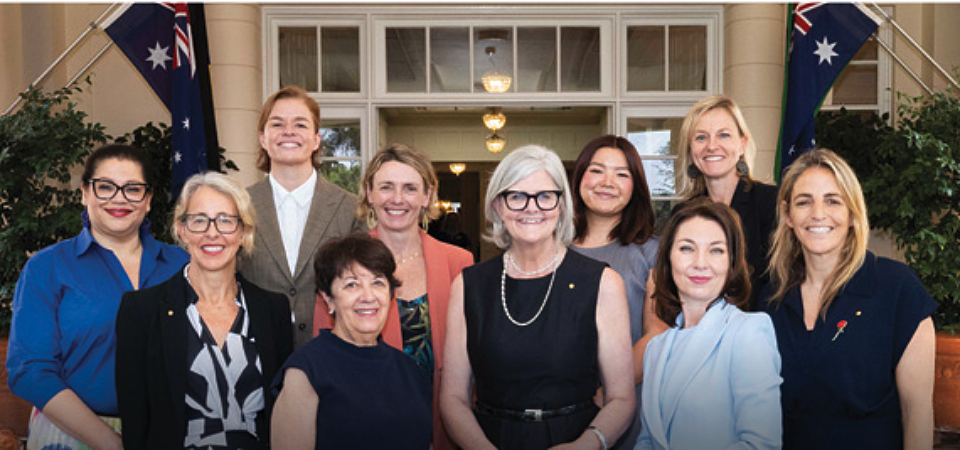
Posted on 09 Sep 2026
Media attention about women's philanthropy has more than doubled in three years, according to new…
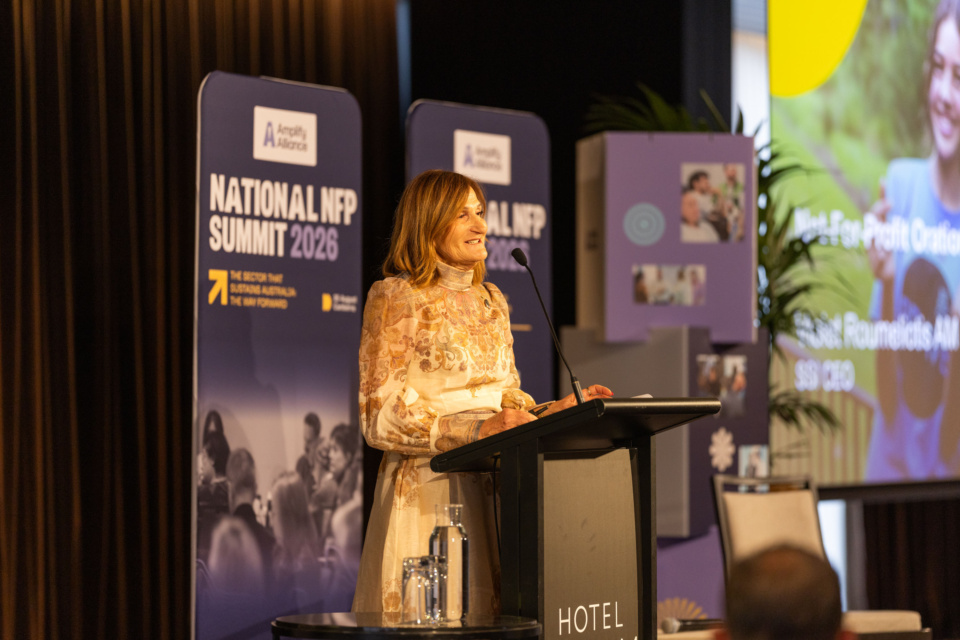
Posted on 26 Aug 2026
Sector leader Violet Roumeliotis has called on funders to stop treating not-for-profit…

Posted on 13 Aug 2026
As a teenager, I attended summer camp for seven years, first spending two weeks at a time camping…

Posted on 13 Aug 2026
Not-for-profits are full of people with great ideas, but that doesn’t mean they are set up for…