
Philanthropists ask: Can we forge a better future?
Posted on 17 Sep 2026
Australia’s biggest gathering of philanthropists, which drew more than 1200 delegates to Brisbane…
Posted on 12 Mar 2026
By Matthew Schulz, journalist, Institute of Community Directors Australia
Sector advocates are ramping up a campaign to give tens of thousands more charities favoured tax status for donations, arguing the reform is essential if the federal government is to meet its ambitious target to double philanthropy in four years.
Deductible gift recipient (DGR) status allows donors to claim charitable gifts against their tax returns, which makes donating more appealing and results in a valuable income boost for charities. The latest figures show that 4.2 million individual taxpayers claim about $9 billion worth of tax deductible donations each year.
Yet less than half of the country’s more than 60,000 charities are eligible for DGR status. Advocates say billions more could flow to the sector if the government acted on much-needed DGR reforms, which would increase charities eligible for DGR status from just 25,000 to as many as 40,000.
The “Unlock DGR” campaign, led by Justice Connect with support from the Minderoo Foundation, argues that the reform is the only way the government is going to reach its target of “doubling philanthropy by 2030”.
At least five major reports, including the government’s own Productivity Commission review into philanthropy and the Not-for-profit Sector Development Blueprint – both released in 2024 – have cited DGR reform, including extending eligibility to many more charities, as a top priority.

So far, significant DGR reforms have been limited to consolidating DGR categories, introducing a new DGR category for community foundations and charities, and lowering the minimum DGR-eligible donation to $2.
Late last month, Charities Minister Andrew Leigh announced that giving funds would be forced to distribute six per cent of their net assets each year, and added another 34 groups to the “community charities” DGR category.
In response to questions from Community Directors Intelligence, Leigh insisted the government was working on further reforms.
“Since coming to government, we’ve been working methodically to reform Australia’s DGR system and support our charities,” Leigh said.
Listing the federal government’s achievements, Leigh said it had streamlined the DGR system by returning four key categories to the ATO, given the Charities Commissioner greater discretion to comment on compliance, and expanded the Australian Charities and Not-for-profits Commission (ACNC) advisory board to be more representative of the sector.
“We have worked through these reforms with careful consideration, and we will continue to be guided by the recommendations of the Productivity Commission’s Future Foundations for Giving and the sector-led Not-for-Profit Sector Development Blueprint as we work to double giving in Australia.”

“There's a lot of frustration out there.”
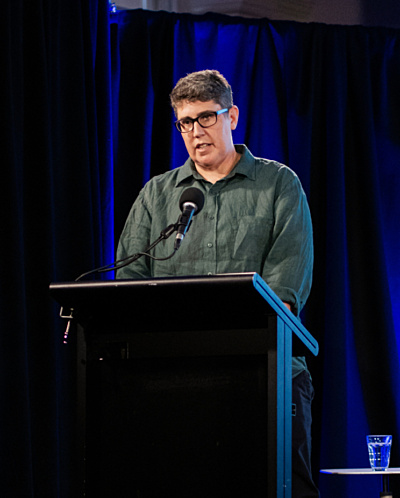
Despite these changes, Justice Connect’s Unlock DGR campaign lead, Clare Ozich, told a Melbourne audience late last month that the Productivity Commission study – ordered by the government – had found the DGR system was “not fit for purpose”.
“They found that the DGR system was … poorly designed, overly complex, and has no coherent policy rationale. And, that this creates inefficient, inconsistent, and unfair outcomes for charities, donors and the community. Basically, this system isn't working for anyone.”
As part of the campaign, Ozich has spoken to a wide array of charities, many of which have “tried and failed to get DGR”.
“There's a lot of frustration out there.”
She cited neighbourhood houses as an example, saying many were ineligible for DGR status.
“Around 400,000 people walk through the doors of one of the neighbourhood houses in Australia every week. Some of them have managed to receive DGR status, but most haven't.
“And the reason that most of them can't is the very diversity of the services and support they offer. They basically do too much. So here we have an organisation embedded in their community, responding to the needs of their community, but they can't get DGR because they do too much. It makes no sense.”
Other organisations were locked out for their focus on resilience and preparation – instead of direct assistance – for disasters such as bushfires or covid-19. Other affected groups included First Nations groups promoting reconciliation, groups focused on reducing social polarisation, and groups involved in human rights advocacy.
She said most registered charities should be receiving DGR status, in line with multiple recommendations to the government.
“We've got a government that has committed to doubling philanthropy by 2030. That's not something that can happen unless they enact DGR reform. Now is the time for this reform to happen. All the pieces are coming together and what we need to do is apply a bit of pressure on the government to get them to act.”
“It is time for the government to back the charitable sector. We've been grappling with increased demand for their services in the face of cost-of-living crisis, rolling climate and natural disasters and funding constraints. Extending eligibility for DGR status to most charities would unlock much-needed financial support and ensure a much more resilient charitable sector.”
Ozich said Justice Connect was urging charities to write to their local MPs to outline why DGR reform was important.
“The reality is, if we don’t fix DGR, we’ll keep on funnelling the funds of tomorrow into yesterday’s categories.”
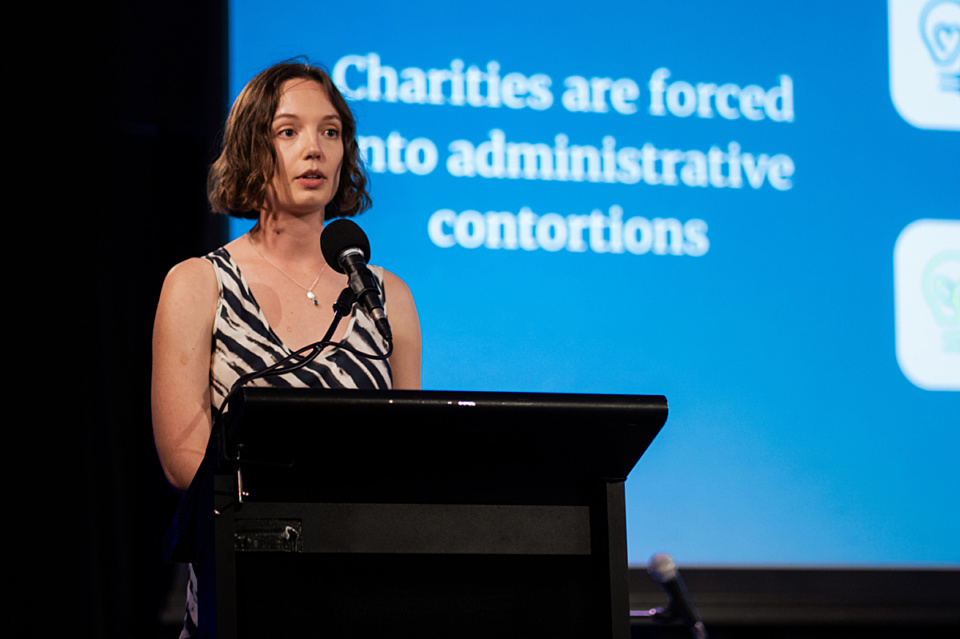
Ozich was speaking at the event Fixing Australian Philanthropy: Why DGR Reform Matters, hosted by the charity Effective Altruism Australia and the new policy publisher and think-tank Inflection Points at the Wheeler Centre in Melbourne.
She was joined on stage by Effective Altruism CEO Grace Adams and the Minderoo Foundation’s head of sector development, Ryan Ginard.
Adams cited the example of the International Campaign to Abolish Nuclear Weapons (ICAN), which was awarded a Nobel Peace Prize in 2017 for its work, but only won DGR status after a campaign seven years later.
“Similar organisations that are focused on preventing existential risks through both local and international advocacy either have to go through these long, expensive and bespoke listing processes that require political lobbying, or they just have no viable path to DGR status at all.
“Meanwhile, other organisations that have far less systemic impact receive tax-deductible status almost automatically because they happen to fit into these legacy categories. This doesn't reflect public values.”
Adams said the sector was not expecting a “free for all”.
“We're just asking for a system that lets our generosity meet the problems that we believe matter most for our country and for the world at large.”
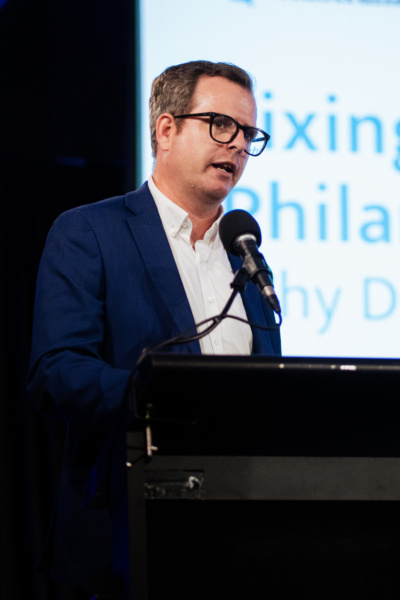
Ginard said that DGR reform was “the number one reform” for both the Productivity Commission’s inquiry into philanthropy and the Not-for-profit Sector Development Blueprint, and he described the “once-in-a-generation reform” as an essential “baseline” for charities.
With the prospect of nearly $5.4 trillion in intergenerational wealth transfer changing hands as a result of Baby Boomer inheritances being handed down to younger generations, charities wanted to be well placed to benefit, Ginard said, but it needed the right systems in place to allow people who wanted to leave funds from their estate to support the organisations that had supported them.
“We’re not ready to accept these billions of dollars that are going to flow in.”
He said early changes, such as the new DGR category for community foundations, had been like “flicking a switch”, bringing in about 80 new foundations. But more needed to be done.
“The reality is, if we don’t fix DGR, we’ll keep on funnelling the funds of tomorrow into yesterday’s categories.”
The presentation and panel discussion have been released as a podcast.
The push for DGR reforms comes just weeks after related criticism – also led by Justice Connect – that the much-vaunted “harmonisation” of state and territory fundraising laws announced three years ago by the federal government had failed to match the promises.
The organisation said that since the Commonwealth announced that national fundraising principles would be adopted in all states and territories, not one jurisdiction has yet managed to take all the required steps to deliver genuine harmonisation.
Listen to the Inflections Points extended podcast on this issue | Read Ryan Ginard’s commentary on philanthropic reforms
Posted on 17 Sep 2026
Australia’s biggest gathering of philanthropists, which drew more than 1200 delegates to Brisbane…
Posted on 17 Sep 2026
Experts in Australian philanthropy say there are stark differences between philanthropic money and…

Posted on 17 Sep 2026
One of Australia’s foremost fundraising observers says Australian not-for-profits must get the…
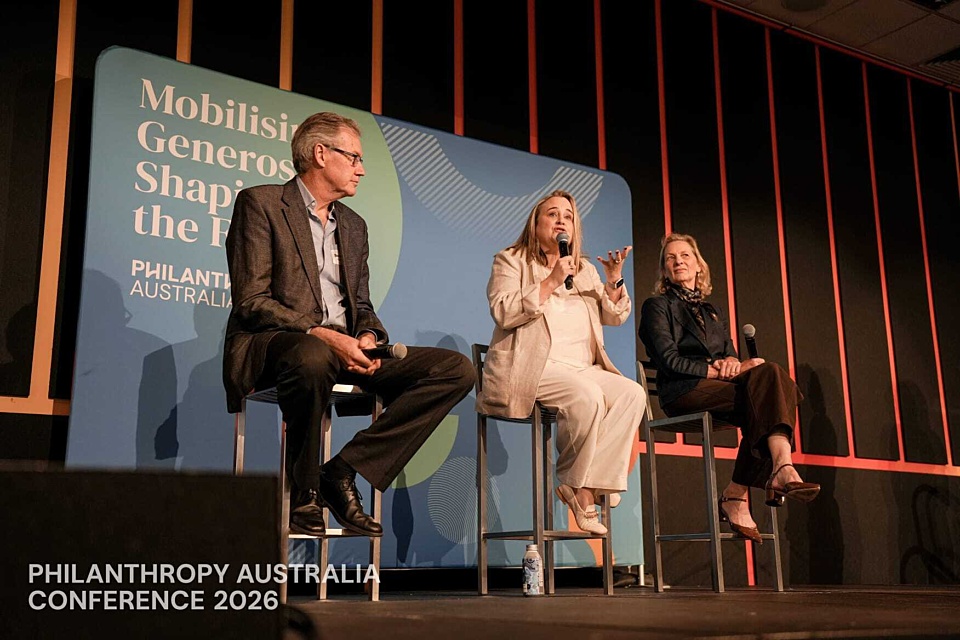
Posted on 17 Sep 2026
As direct giving dries up, charities face growing dependence on big donors and negotiating the…

Posted on 17 Sep 2026
Charities reported $14.8 billion in donations and bequests last financial year, the second-highest…

Posted on 17 Sep 2026
My father often googles my name, and as a result, years ago, I received a surprising gift in the…

Posted on 17 Sep 2026
Where Evelyn Mugisha grew up in rural Uganda, the subjects and careers considered suitable for…
Posted on 09 Sep 2026
A global gathering of philanthropists in Brisbane this week is aiming to tackle society’s biggest…
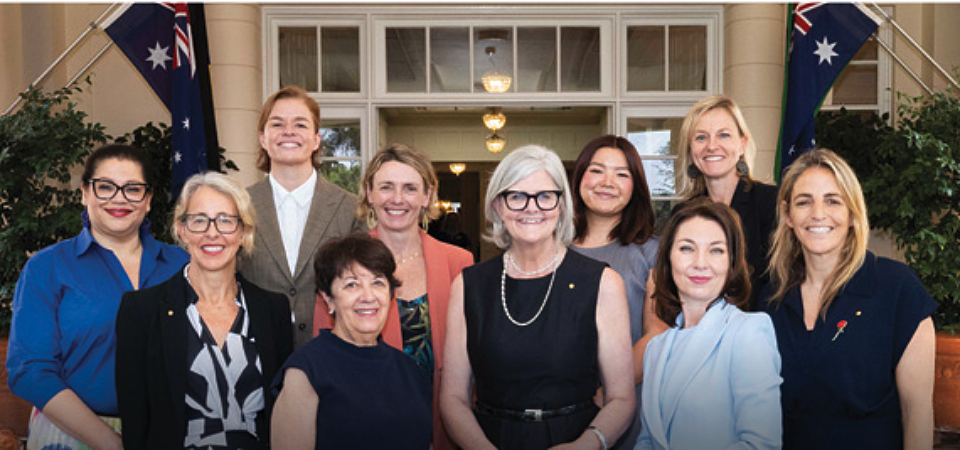
Posted on 09 Sep 2026
Media attention about women's philanthropy has more than doubled in three years, according to new…
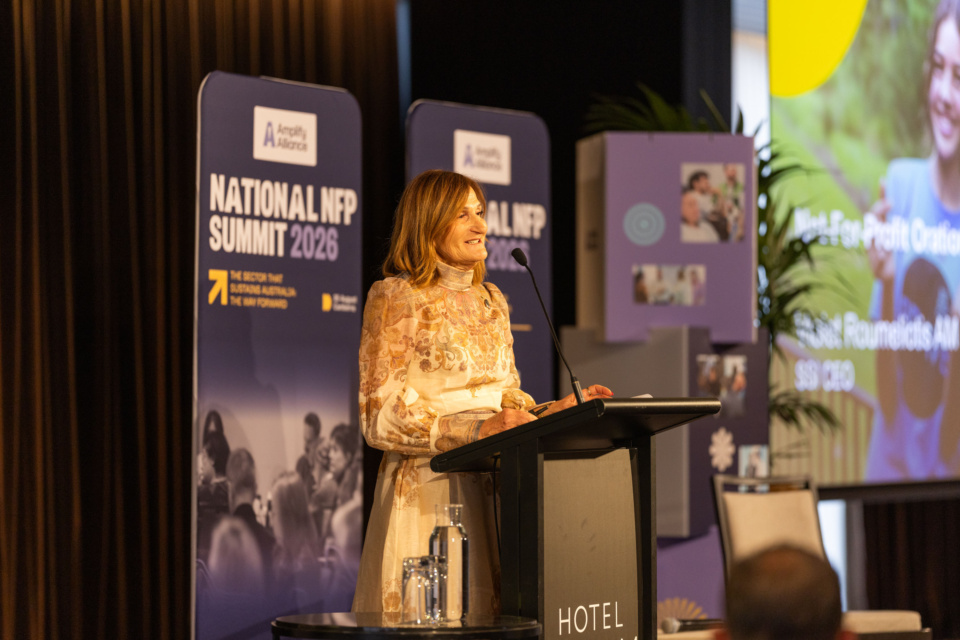
Posted on 26 Aug 2026
Sector leader Violet Roumeliotis has called on funders to stop treating not-for-profit…

Posted on 13 Aug 2026
As a teenager, I attended summer camp for seven years, first spending two weeks at a time camping…

Posted on 13 Aug 2026
Not-for-profits are full of people with great ideas, but that doesn’t mean they are set up for…