
Philanthropists ask: Can we forge a better future?
Posted on 17 Sep 2026
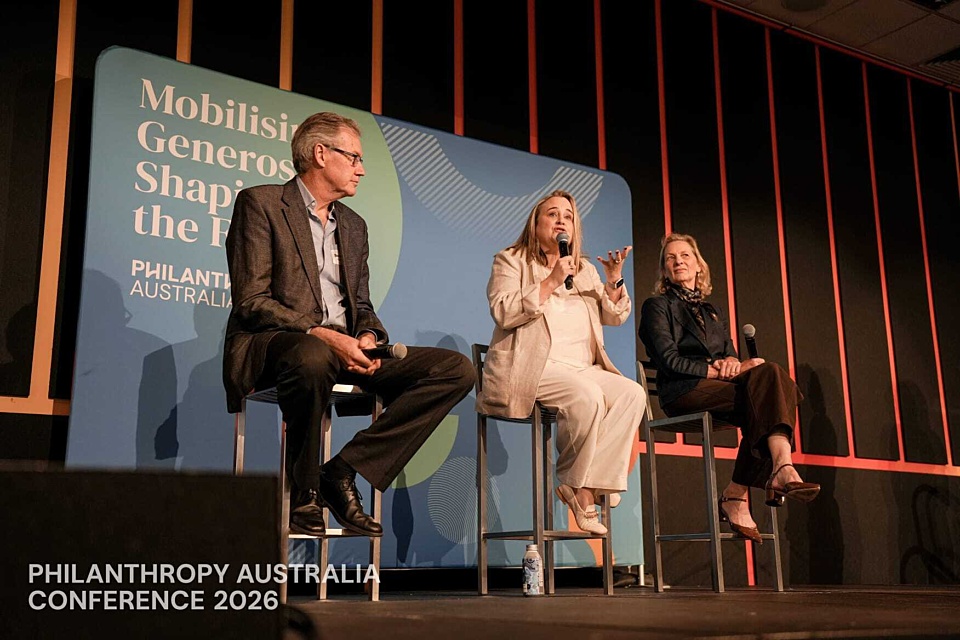
Australia’s biggest gathering of philanthropists, which drew more than 1200 delegates to Brisbane…
Posted on 12 Mar 2026
By Matthew Schulz, journalist, Institute of Community Directors Australia

Australia’s not-for-profits win nearly half the grants they apply for, but time and resourcing constraints remain stubborn barriers to getting applications lodged, a new study has found.
The survey of users of the Funding Centre, an Our Community enterprise, found that win rates had increased by 11 percentage points in the past year.
The study of 93 users found they won funding from 46 per cent of their applications, up from 35 per cent the year before. Organisations submitted an average of 13 applications in one year.
About 41 per cent of organisations that participated in the survey had annual income between $250,000 and $1 million. The largest slice described themselves as community development organisations, accounting for nearly 19 per cent of those surveyed.
While the study did not spell out the reasons for the success spike, a landmark 2018 study, Grants in Australia, found that experience, disciplined processes and organisational capacity were strong predictors of grant success.
"Completing every application you start and building relationships with funders are practical steps boards can take."

That large-scale study found that the most successful applicants (success rates above 80 per cent) had more than five years’ experience in the sector, submitted every application they started, and were more likely to build relationships with funders.
Despite the apparent improvement, grantseekers involved in the latest survey nominated time (30 per cent) as their biggest constraint, followed by finding the right grant (25 per cent) and being under-resourced (eight per cent).
Funding Centre spokesperson Grace Dennis said the most successful organisations, in her experience, were those that were strategic with what they applied for and when.
“Research shows that experience, focus and follow-through matter. Completing every application you start and building relationships with funders are practical steps boards can take,” she said.
Dennis said the survey also showed the use of artificial intelligence by grantwriters was still developing, despite its potential to help with time pressures, with 90 per cent of users yet to try the Funding Centre’s built-in AI tool Drafter.
“AI tools are beginning to play a role in supporting grant writing, but most organisations are still experimenting and working out how to use them responsibly and effectively,” she said.
Posted on 17 Sep 2026
Australia’s biggest gathering of philanthropists, which drew more than 1200 delegates to Brisbane…

Posted on 17 Sep 2026
Experts in Australian philanthropy say there are stark differences between philanthropic money and…

Posted on 17 Sep 2026
One of Australia’s foremost fundraising observers says Australian not-for-profits must get the…
Posted on 17 Sep 2026
As direct giving dries up, charities face growing dependence on big donors and negotiating the…

Posted on 17 Sep 2026
Charities reported $14.8 billion in donations and bequests last financial year, the second-highest…

Posted on 17 Sep 2026
My father often googles my name, and as a result, years ago, I received a surprising gift in the…

Posted on 17 Sep 2026
Where Evelyn Mugisha grew up in rural Uganda, the subjects and careers considered suitable for…
Posted on 09 Sep 2026
A global gathering of philanthropists in Brisbane this week is aiming to tackle society’s biggest…

Posted on 09 Sep 2026
Media attention about women's philanthropy has more than doubled in three years, according to new…
Posted on 26 Aug 2026
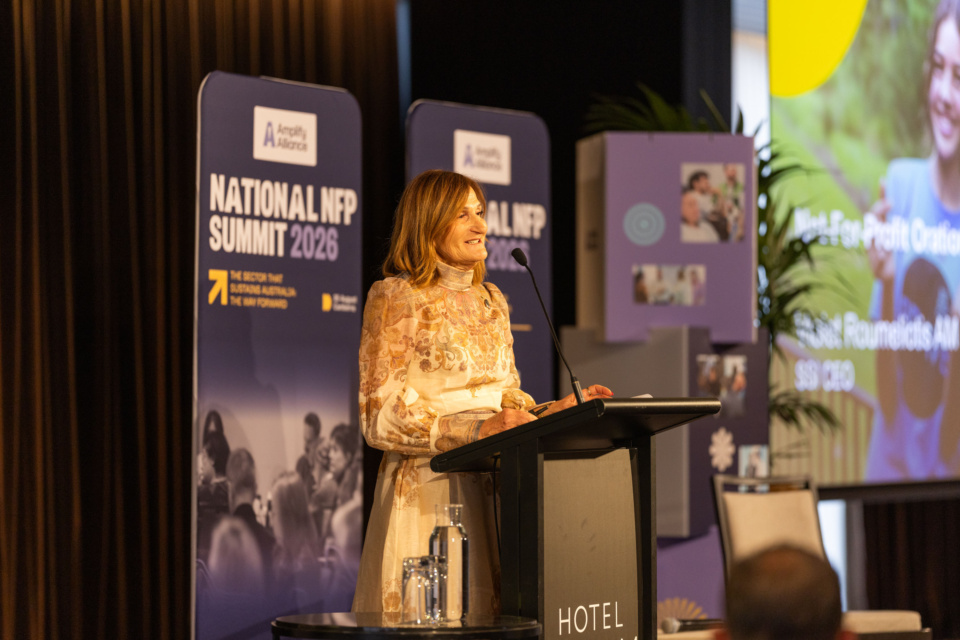
Sector leader Violet Roumeliotis has called on funders to stop treating not-for-profit…

Posted on 13 Aug 2026
As a teenager, I attended summer camp for seven years, first spending two weeks at a time camping…

Posted on 13 Aug 2026
Not-for-profits are full of people with great ideas, but that doesn’t mean they are set up for…