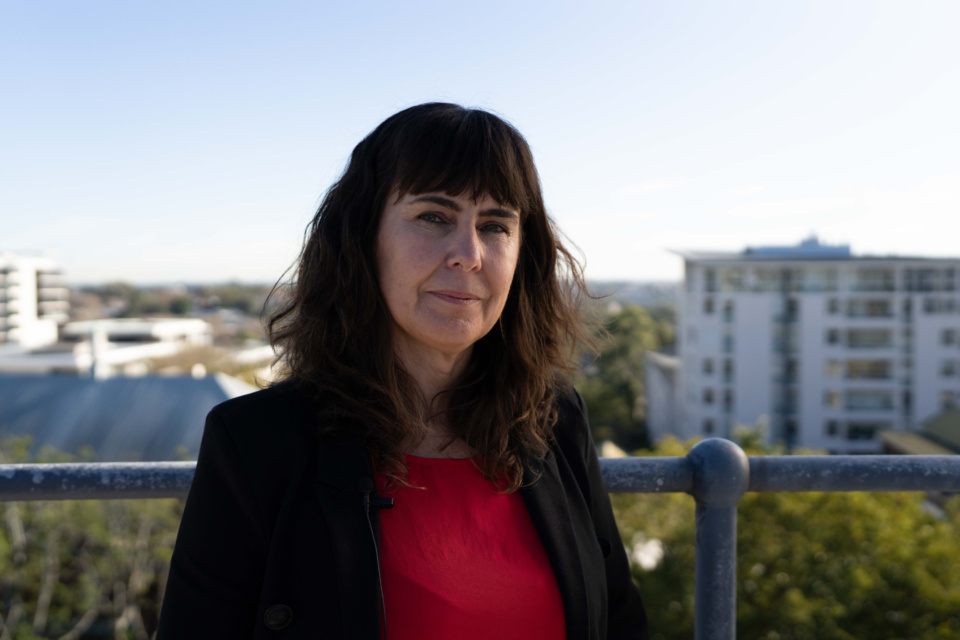
Meet the woman who stumbled into a community housing job and found her home
Posted on 28 Oct 2026
Almost 25 years after taking a receptionist's job to get her foot in the door of the not-for-profit…
Posted on 18 Nov 2026
By Nick Place, journalist, Community Directors

Dr Linda Swan has worked in acute care, as a general practitioner, as a pharmaceutical research executive and in the corporate world, but her current role, as chief executive officer of Go Gentle Australia, advocating for the acceptance of Voluntary Assisted Dying (VAD), is her favourite job ever. She told us about it.
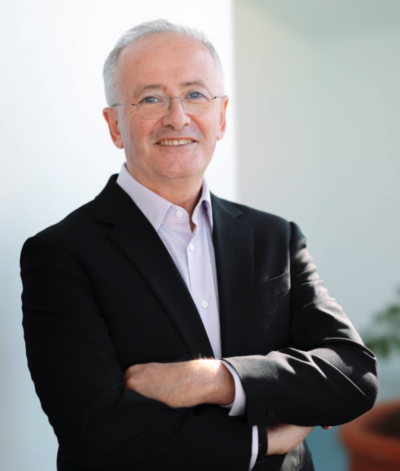
It was a bit of serendipity. I had got to a point where I was ready to end my career, to be honest. I went away with my hubby on a holiday and we spent a lot of time navel gazing and decided that we’d both had long careers in the corporate world and we weren't enjoying that as much anymore – one of those “What am I doing with my life?” type of conversations. We both decided that we would stop, but I still wanted to do something meaningful and contribute in a way. You learn a lot over your lifetime, you accumulate a lot of knowledge, and I just thought there might be some way I could help. I happened to find out that Go Gentle was looking for a CEO, and I didn’t want a CEO job, but I met with Andrew Denton (Go Gentle founder and former TV personality) and said I’d love to help, this is my background, and I’ve got some more time on my hands. Anyway, Andrew, at his charming best, somehow convinced me to do the CEO role.
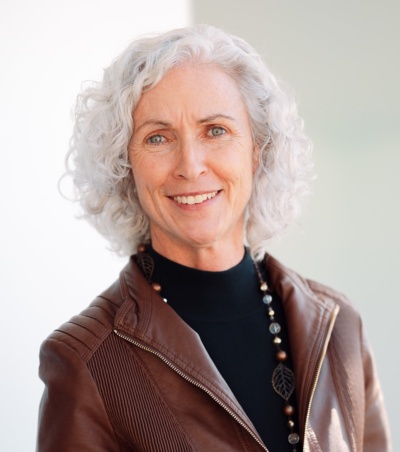
It did cause a little bit of family drama for a while! He was going, hang on, I thought we were taking holidays and travelling the world. But I get a great deal of satisfaction from my work. I find it incredibly meaningful and uplifting to be working for something that is so clearly purpose driven. I’ve worked in big corporate jobs, and big companies often try and create a sense of purpose because they know that’s motivating for staff, but when you’re in a big business, it’s hard to be clear on what the single purpose is. With our little not-for-profit, as with many small charities, it’s much easier to be clear – this is what we’re about, this is what we’re trying to achieve. And then for me and my team, you can see tangible differences. You do things, and you know, two months later, something’s changed! That clear purpose and sense of what you do making a difference is what I think is the big success story of working in this sector.
I think I never had any difficulty with voluntary assisted dying being at odds with the Hippocratic Oath. There are different camps on this, but I think the Hippocratic Oath is about saying “Do no harm”, and what we are doing with voluntary assisted dying is helping to relieve suffering. To be eligible, you have to be nearing the end of your life, have a terminal illness for which there’s no satisfactory treatment available, and the person is suffering. So, they’re dying, there’s nothing that can be done to treat their illness or condition, they’re suffering, and they’re asking for help, saying, “I don’t want to die like this. I would like some help.”
Now to me, as a clinician, if you’ve got someone in front of you like that, and you go, sorry, I can’t help you, I think that’s causing harm. I think that’s against the Hippocratic Oath. I think you have an obligation to listen to that person and do whatever you can to relieve their suffering.
Until we had voluntary assisted dying laws, doctors were really hamstrung about what they could do, so that was the whole point of these laws, to give doctors an option to offer a person. If they’re in that situation, to say, if this is right for you and if you are committed to this path – because it’s not easy to become eligible, to go through the process to be found eligible – then there is an option for you. It’s incredibly liberating and empowering for people to hear that news when what they have been told by many people is that their death will be prolonged and difficult. Imagine living with that. You’re sick, you’re feeling miserable, and someone’s telling you, all you’re going to get is sicker and miserable, and there’s no hope of cure.
Doctors fall into three camps. There are those who are largely religiously or faith-based, diametrically opposed to the concept, and they have their own faith and they think this is against God’s will and so they struggle with the concept completely, and that is absolutely completely understandable and that’s their choice. Nobody, or the law, asks these people to deliver this service if that is the way they feel.
There is a middle ground where [there are] a number of doctors who are supportive of assisted dying, but they don’t want to do it themselves. A lot of GPs have looked after someone for 20 or 30 years, they’re like a really good friend, and it’s hard for them to imagine that they would feel comfortable helping that person end their life. However, they are very grateful that someone else can help that person. They don’t want to do it themselves, but they’re very glad that there are other people available to help.
Then there are health practitioners who are actively involved and who say, “I want to be there for my patient. I want to help them myself. I've been their carer for the last 20 or 30 years and this is going to be hard, but this is what they want and need and I’m ready to stand by them.” What we often hear from these health practitioners is that this is actually the most rewarding work they’ve ever done.
“I never had any difficulty with voluntary assisted dying being at odds with the Hippocratic Oath.”
A lot of these patients have had an illness for a long time. This isn’t about suddenly you get sick one day, you’re eligible for voluntary assisted dying and the next day you go through the process.
It’s deliberately designed to ensure that you have to make a clear, unambiguous request and that has to be made repeatedly throughout the process. So, it’s very clear that this is what you want and it’s not just a whim, and in all cases it also has to be done in front of a witness at some stage and documented. The process is designed not to be fast, to ensure there’s no debate about whether this was done on a whim because someone just felt a bit depressed one day.
Assisted dying isn’t for everybody. It’s currently about two per cent to three per cent of deaths. Maybe over time and with greater awareness, it might get to be five per cent of deaths, but we’re still talking about 95 per cent of the time people can die well – either because their death is pretty rapid through the disease and they don’t need a lot of intervention at the end, or there is excellent palliative care in place that helps them plan and manage their death.
But if you’re in that five per cent, and you really are facing a terrible death and you are suffering, then to be able to offer these people some help and an option is incredibly rewarding. I’ve never done work that’s so rewarding. It’s the best job I've ever had.
The Northern Territory has yet to implement the law, so they’re designing their services now, but we have laws in every jurisdiction.
Getting the laws passed is just the first step in the process because you can have laws, but if you don’t have health practitioners trained and ready to deliver the service, and the supporting services to ensure there are the pharmacy supplies, the nursing and the care navigators, and all the administration and oversight … there’s an enormous amount of background support that’s required to deliver this service in order to make sure that it’s safe and it’s following the law, but also to make sure that this care is delivered in a compassionate way towards people who are dying at the end of life.
We now have work to do to protect the laws, because governments put up bills that eat away at the rights of people – like one in New South Wales that said nursing home providers don’t have to provide VAD, yet the Aged Care Act and the Commission on Safety and Quality in Health Care has been very clear that if you’re in your own home, you are allowed to access VAD, and if you live in an aged care home, that is your home. We did research and found out, unfortunately, many aged care practitioners were not meeting their obligations. There is still stigma attached to it, or people are obstructing people’s access to VAD for faith-based reasons or perhaps because they think it’s complicated.
We’ve transitioned from fighting to get the laws, to fighting to try and retain the great laws where we have them, while also looking for ways we can improve them.
Go Gentle Australia's website is here.
Posted on 28 Oct 2026
Almost 25 years after taking a receptionist's job to get her foot in the door of the not-for-profit…
Posted on 14 Oct 2026
Carers Victoria is holding an event this afternoon (October 14) during National Carers Week to…
Posted on 07 Oct 2026
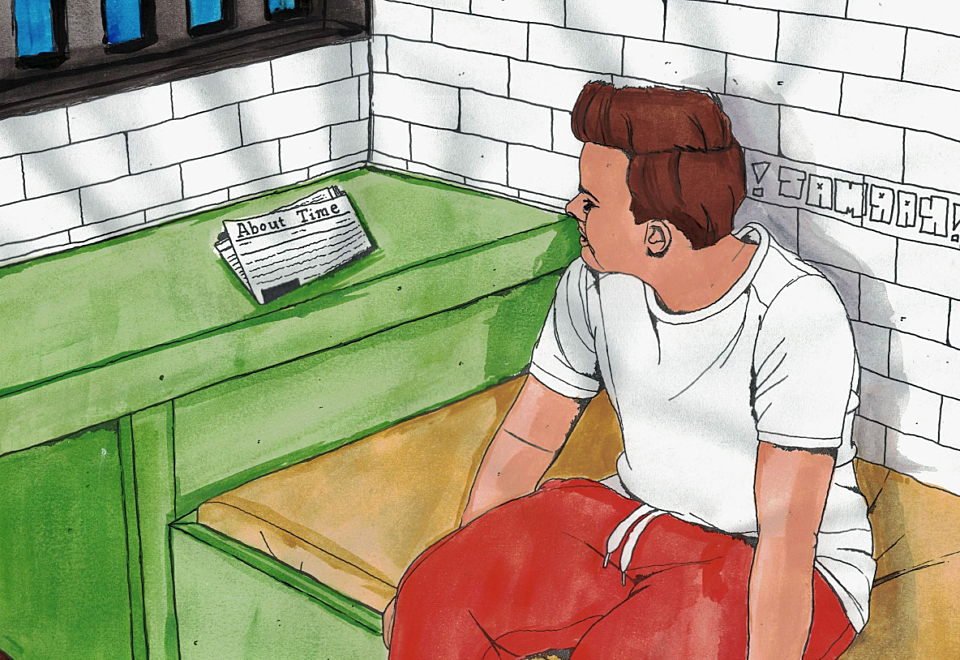
Joseph Friedman is co-founder and publisher of About Time, Australia’s only newspaper for…
Posted on 30 Sep 2026
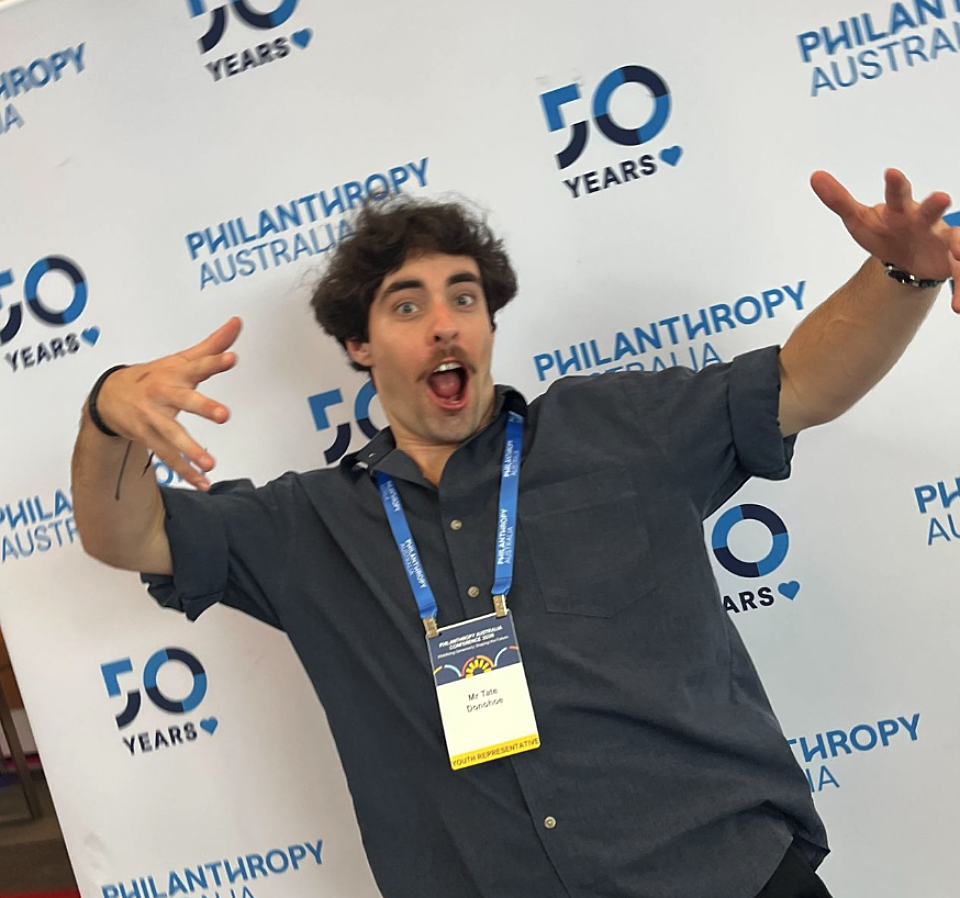
At 21 years old, Tate Donohoe is the founder of Ecodia, an AI-assisted software development company…
Posted on 02 Sep 2026
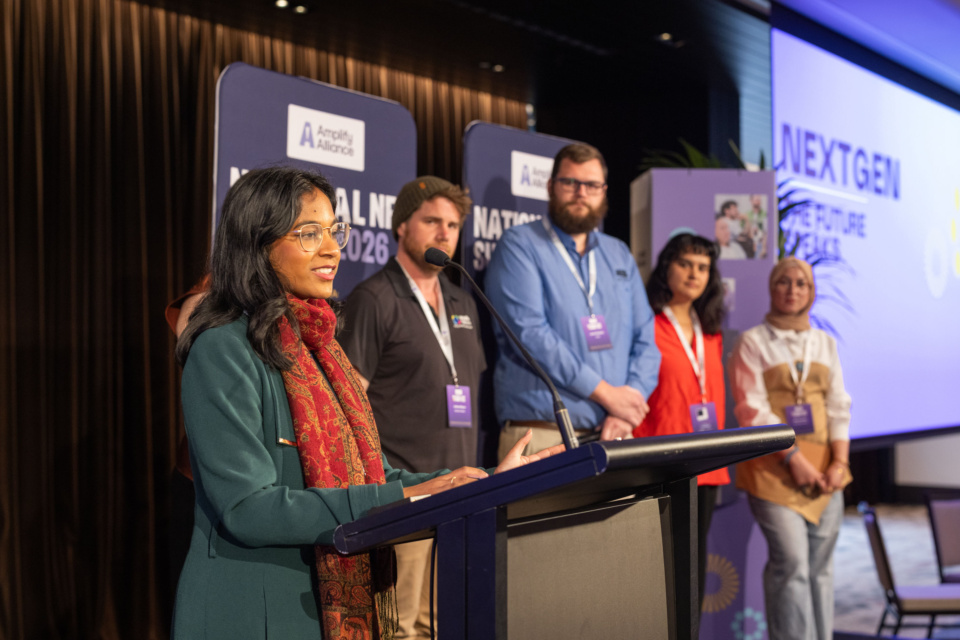
At last week’s Amplify Alliance National NFP Summit, Satara Uthayakumaran, 23, brought the voices…
Posted on 26 Aug 2026
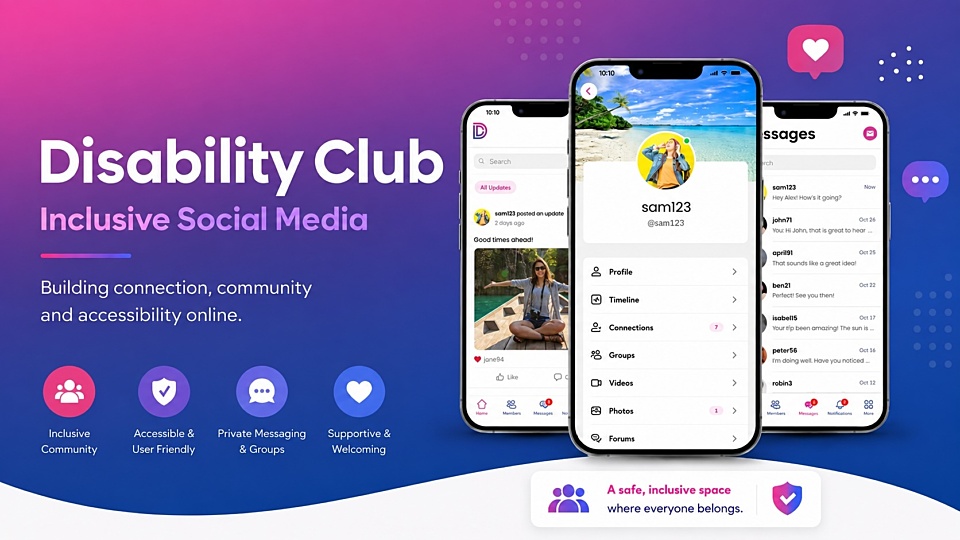
Nathan Johnston lives in Bega, NSW, and lives with cerebral palsy. He’s the creator of Disability…
Posted on 19 Aug 2026
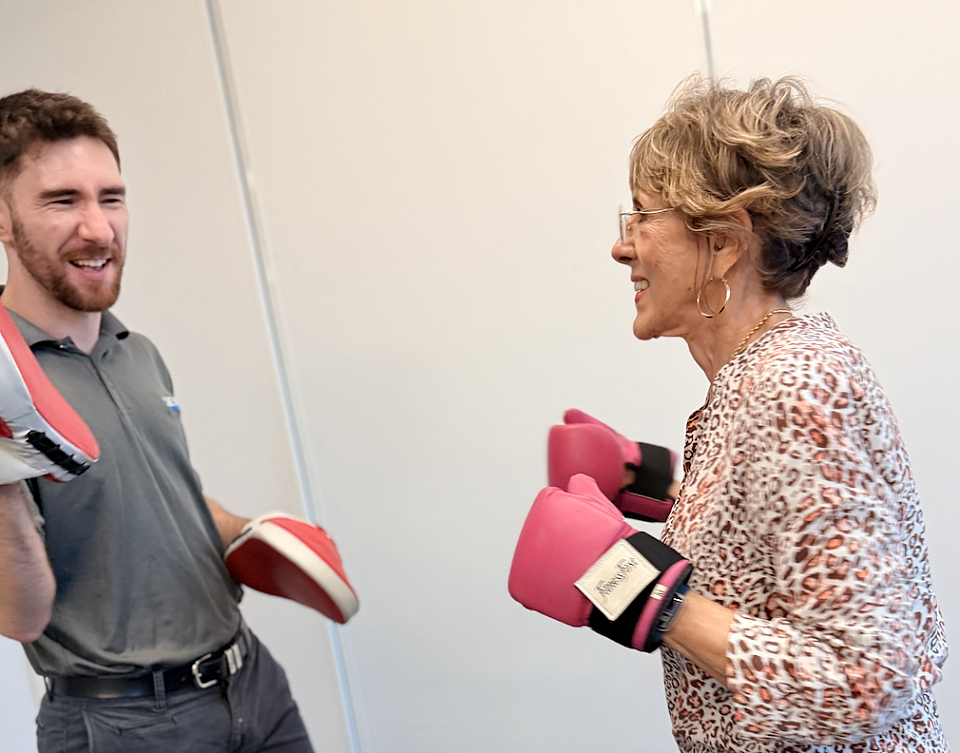
Coralie Wales is the founder of Strong Australia, an ACNC-registered health promotion charity that…
Posted on 08 Jul 2026
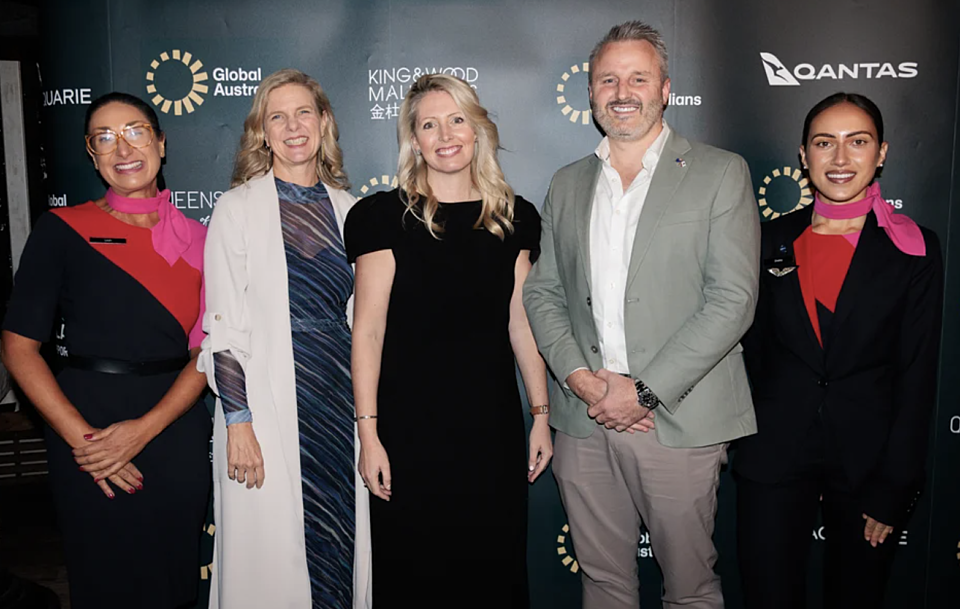
Kate McQuestin is CEO of Global Australians, a not-for-profit aimed at connecting Australians…
Posted on 30 Jun 2026
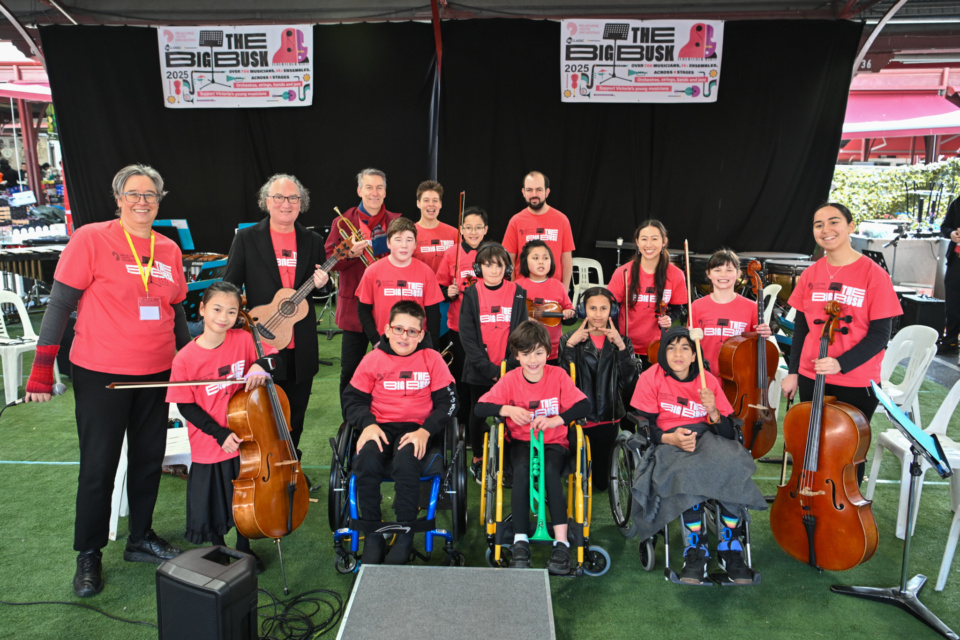
Anthea Skinner is a musicologist, a senior lecturer in disability creative performance at the…

Posted on 24 Jun 2026
Lizzie Mettam manages corporate partnerships for DV Safe Phone, an organisation that provides…
Posted on 17 Jun 2026
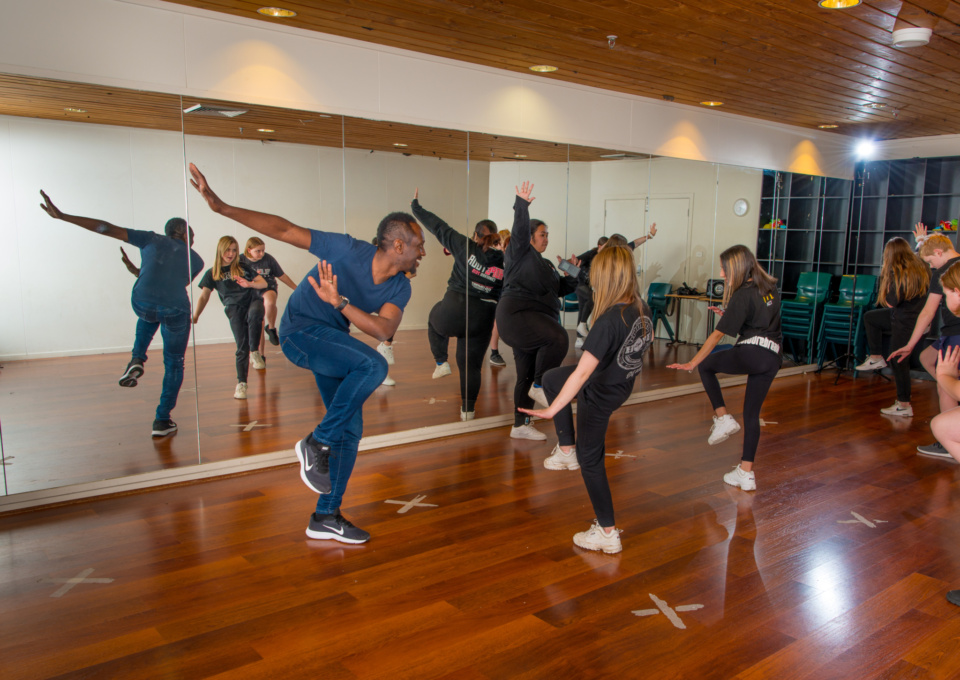
Francis Owusu is the founder of Kulture Break, a charity that helps young people build confidence,…
Posted on 10 Jun 2026
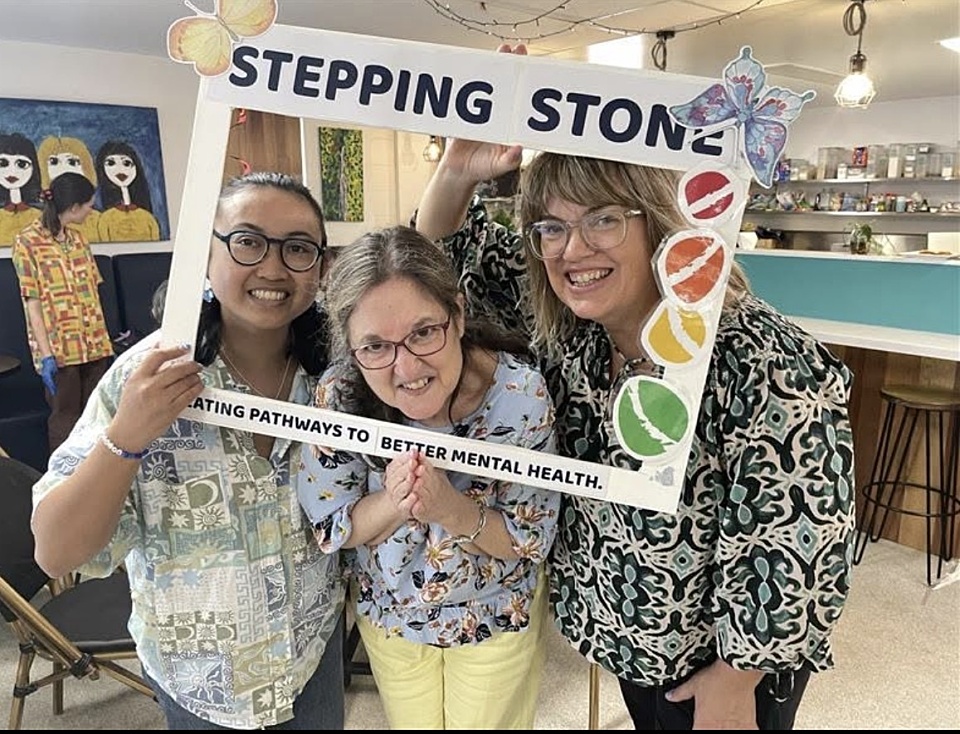
Melanie Sennett is the chief executive officer of Stepping Stone Clubhouse, a Brisbane charity that…