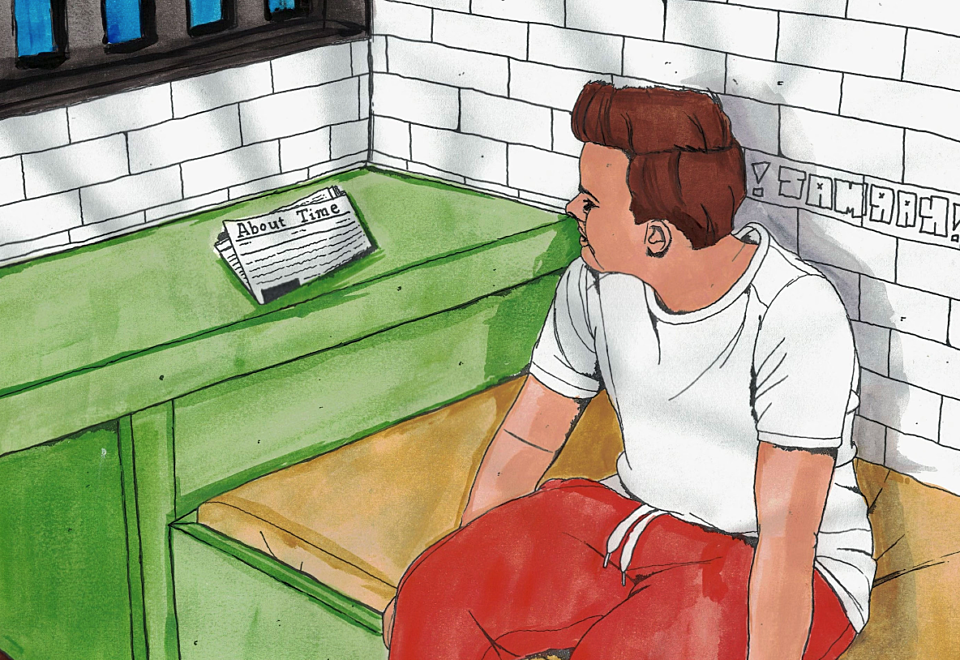
From passion project to a national prison newspaper, speaking to and for those doing time
Posted on 07 Oct 2026
Joseph Friedman is co-founder and publisher of About Time, Australia’s only newspaper for…
Posted on 14 Oct 2026
By Nick Place, journalist, Community Directors
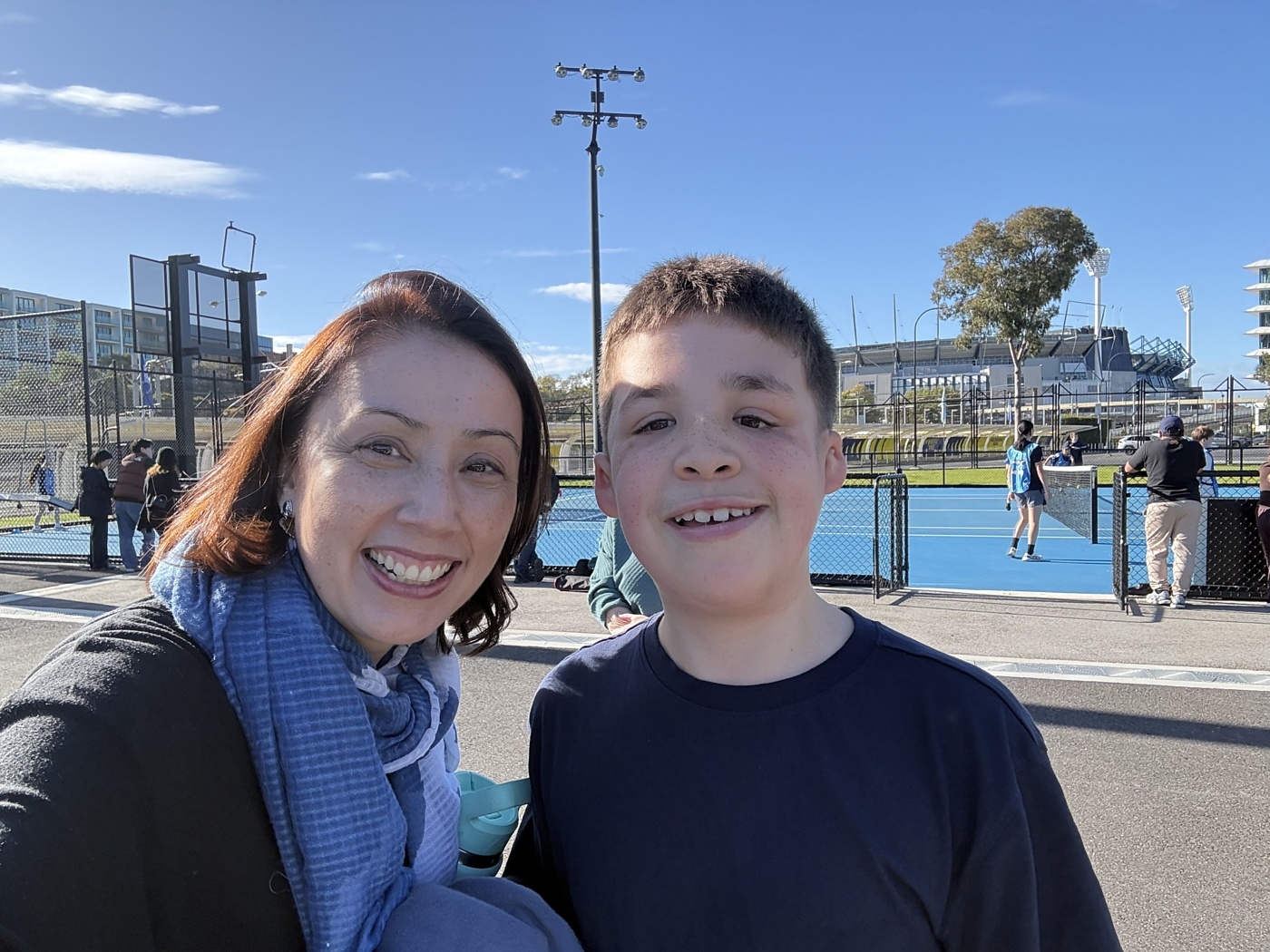
Carers Victoria is holding an event this afternoon (October 14) during National Carers Week to celebrate and acknowledge carers in all their incarnations. One of the speakers will be Carol Webb, a Carers Victoria board member and carer to her son Davie, who was born with hearing loss and a rare genetic condition called Treacher Collins Syndrome. We chatted to Carol about her life as a carer.
Caring for Davie led me to the world. And I’ll be honest, I didn’t see myself as a carer because you just see yourself as a parent or you just go, oh, I’ve got a job to do now. I’ve got to take him to the medical appointments and look after him. But I never saw myself as a carer until maybe when he was seven, and I heard about the concept. I would say a lot of carers don’t even identify as carers until someone goes, you know, you’ve got lots of caring responsibilities, you’re a carer. Or maybe it clicks when they see the workplace policy where you’ve got carers leave, right? Then you go, oh, oh yeah, I’m a carer, I can tap into that.
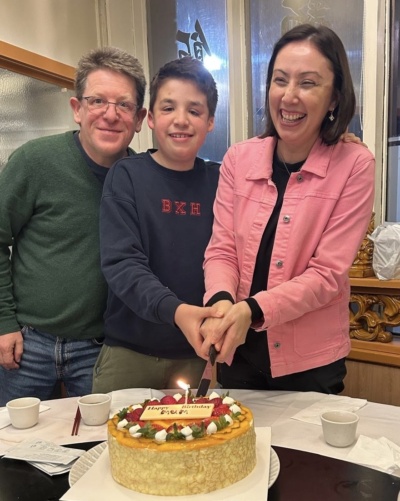
I didn’t really see myself as a carer until I acknowledged the sheer amount of paperwork and time it takes to navigate health and disability systems – and English is my first language. Imagine you’re from a CALD [culturally and linguistically diverse] background and you’re having to fill all these forms in and speak with all these medical specialists who have another language.
Yes, I work part-time in an HR team.
He’s 13, so he still will have a lot of operations ahead of him for his condition, and therapies like occupational therapists, and he’s previously had speech therapists. It’s ongoing but each stage is different, because he’s heading towards his teenage years and I can see him becoming a little independent person. It’s like, oh okay, you’ve got to change how you address the type of care and how you speak with him. You know, I wonder if other carers find that they have to adjust when the person they care for grows and is older.
Initially I entered the world of health and was on the Better Health consumer advisory committee, under Safer Health Victoria, just to help make things better for us consumers when we’re using the health system. Then I volunteered for the board of Deaf Children Australia, because Davie’s deaf as well, and then from there, when I realised I am a carer, I joined the Carers Victoria board five years ago. I just wondered whether I could help advocate or help with the direction of these small buckets of funds – where can we allocate it to be more impactful?
It’s trying to provide enough services to all the carers out there, especially across regional areas. I’d love to have government funding where we had a big bucket of money and we could reach everyone, but we have to be very strategic and careful about the funds and how can we have services and events that best reach the carers. It’s good. It makes you mindful. We don’t just have an endless supply of money. I think it’s hard for carers in general with the economy right now, just to drive to all their appointments and the cost of petrol and transport. I feel for them.
“I would say a lot of carers don’t even identify as carers until someone goes, you know, you’ve got lots of caring responsibilities, you’re a carer.”
Yes, and then there are all different types of carers. There are carers from CALD backgrounds or young carers. I wish we had more money to reach out to more young carers. You know, there’s a teenager who’s helping her mum attend all her cancer treatments while she’s trying to complete school, and you think, oh gosh, that must be hard.
Spot on. And I do think carers don’t really ask for much. They don’t go, hey, I’m a carer, help me out. They’re just so stoic. They get on with it. They go to those appointments, they help provide the support, they advocate, they do so much. That’s why I laugh when I say I don’t ever get to finish a cup of tea because you have to quickly do the next thing, right?
Yes. He also helps Davie with his appointments, but he never saw himself as a carer. He said, well, I’m a dad. I’m just looking after my son. But he looks after all the NDIS paperwork and you need a degree in that. We’ve only got one kid. I can’t imagine families that juggle the needs of more children. It’s just a lot, and carers need a bit of respite. They just need acknowledgement – somebody to say hey, you’re doing a good job juggling all these things.
Yes, we really want to say, hey, we see you, we acknowledge all the work that you do, and just take a moment for yourselves if you can. It’s easy to say, but gosh, if you can finish that cup of tea, I’ll be happy. I really want you to know that the community does value you, and so do the people you care for.
Posted on 07 Oct 2026
Joseph Friedman is co-founder and publisher of About Time, Australia’s only newspaper for…

Posted on 30 Sep 2026
At 21 years old, Tate Donohoe is the founder of Ecodia, an AI-assisted software development company…
Posted on 02 Sep 2026
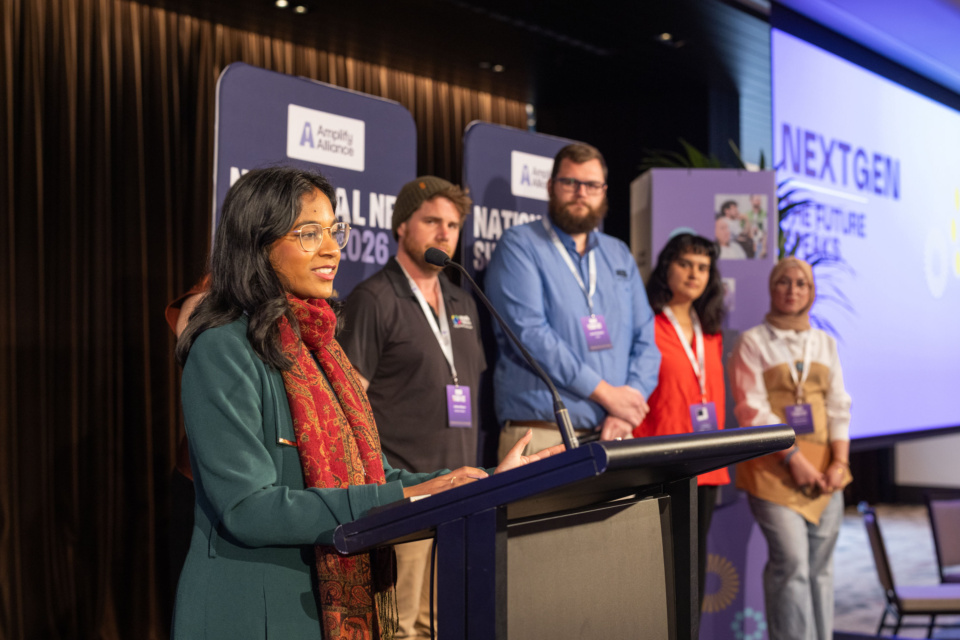
At last week’s Amplify Alliance National NFP Summit, Satara Uthayakumaran, 23, brought the voices…
Posted on 26 Aug 2026
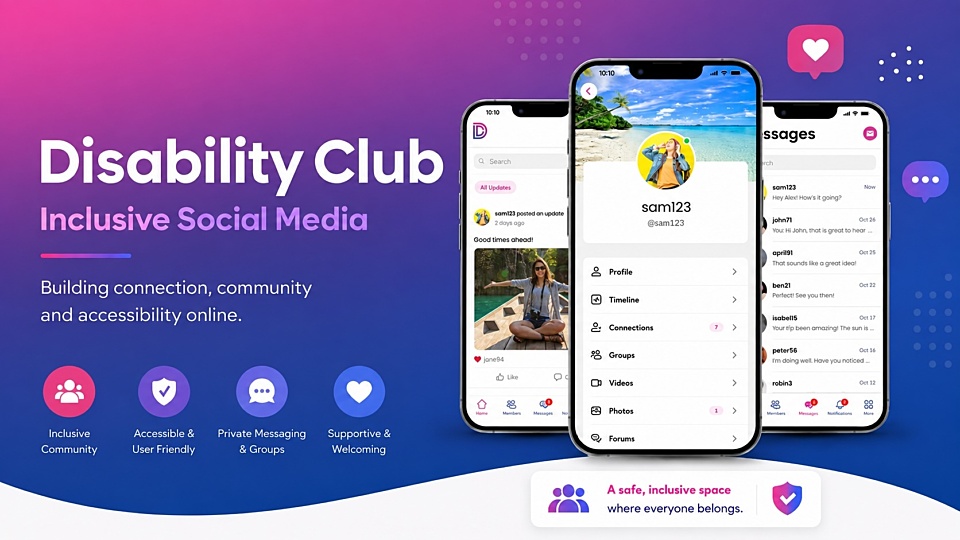
Nathan Johnston lives in Bega, NSW, and lives with cerebral palsy. He’s the creator of Disability…
Posted on 19 Aug 2026
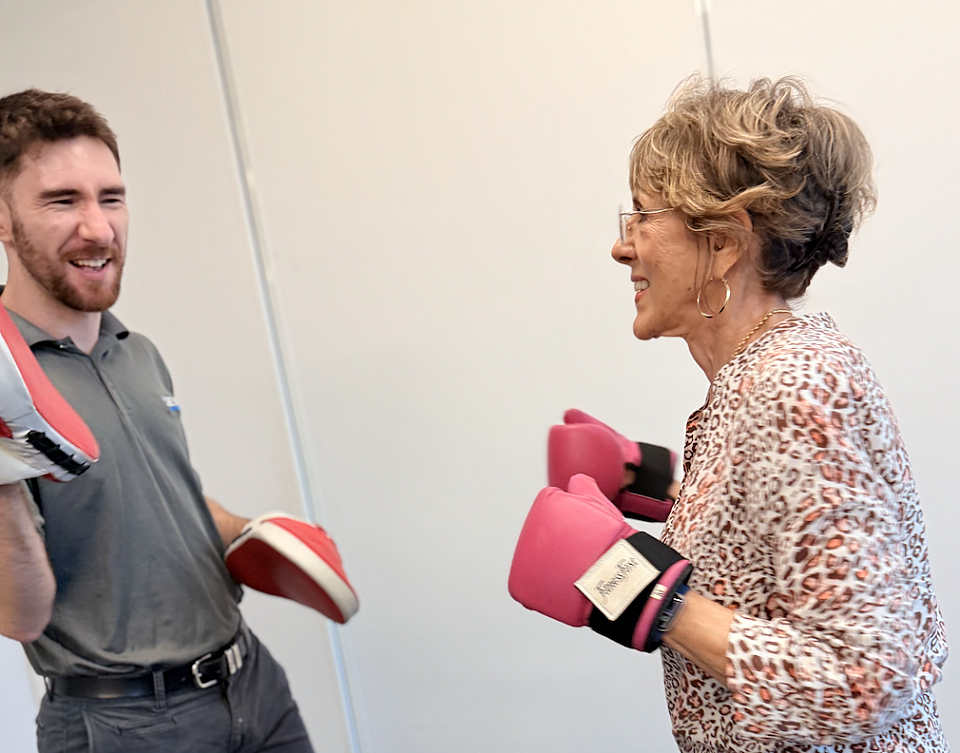
Coralie Wales is the founder of Strong Australia, an ACNC-registered health promotion charity that…
Posted on 08 Jul 2026
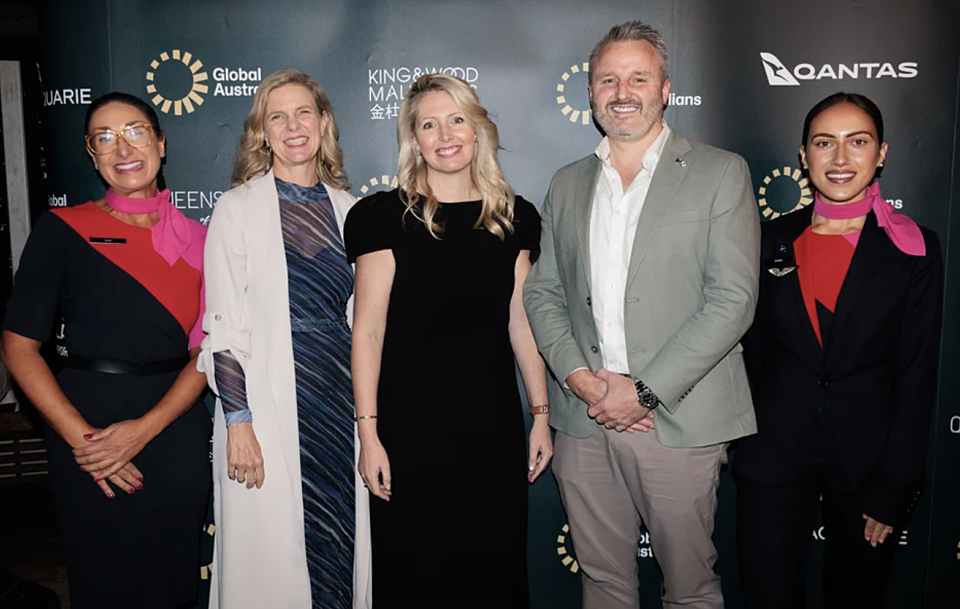
Kate McQuestin is CEO of Global Australians, a not-for-profit aimed at connecting Australians…
Posted on 30 Jun 2026
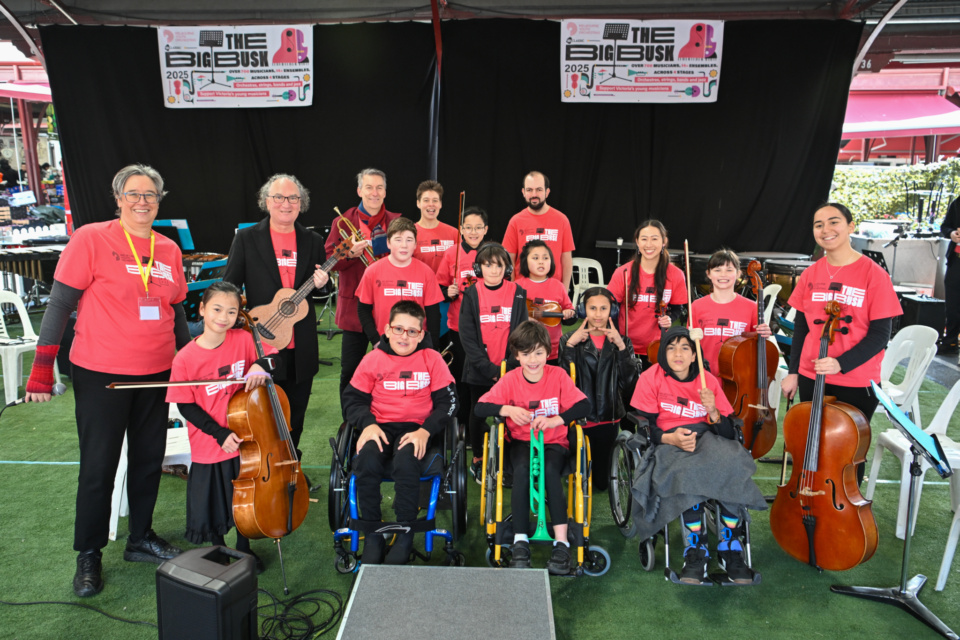
Anthea Skinner is a musicologist, a senior lecturer in disability creative performance at the…

Posted on 24 Jun 2026
Lizzie Mettam manages corporate partnerships for DV Safe Phone, an organisation that provides…
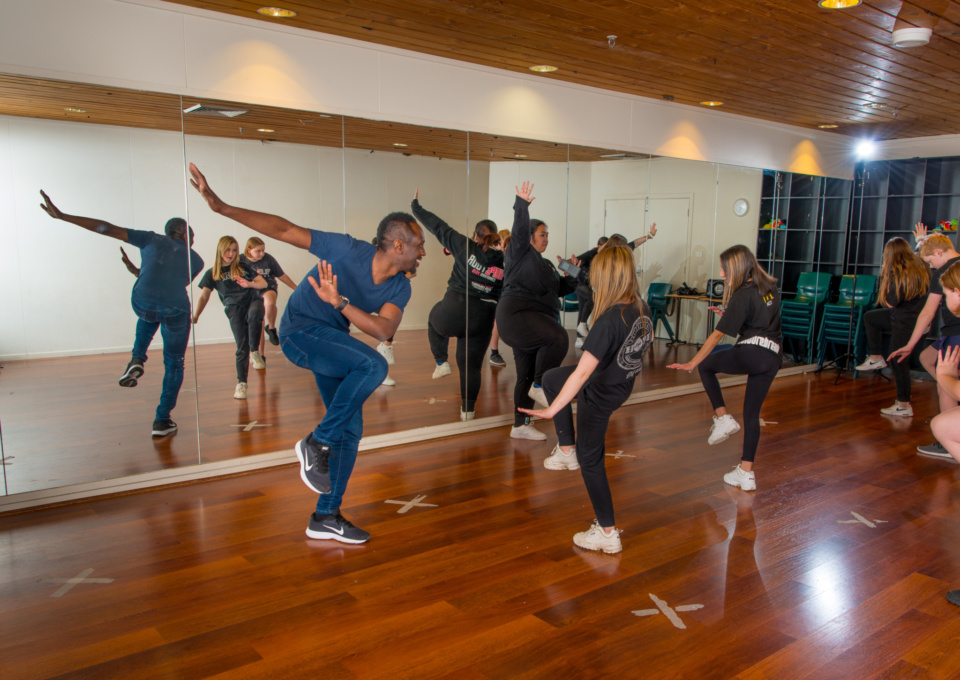
Posted on 17 Jun 2026
Francis Owusu is the founder of Kulture Break, a charity that helps young people build confidence,…
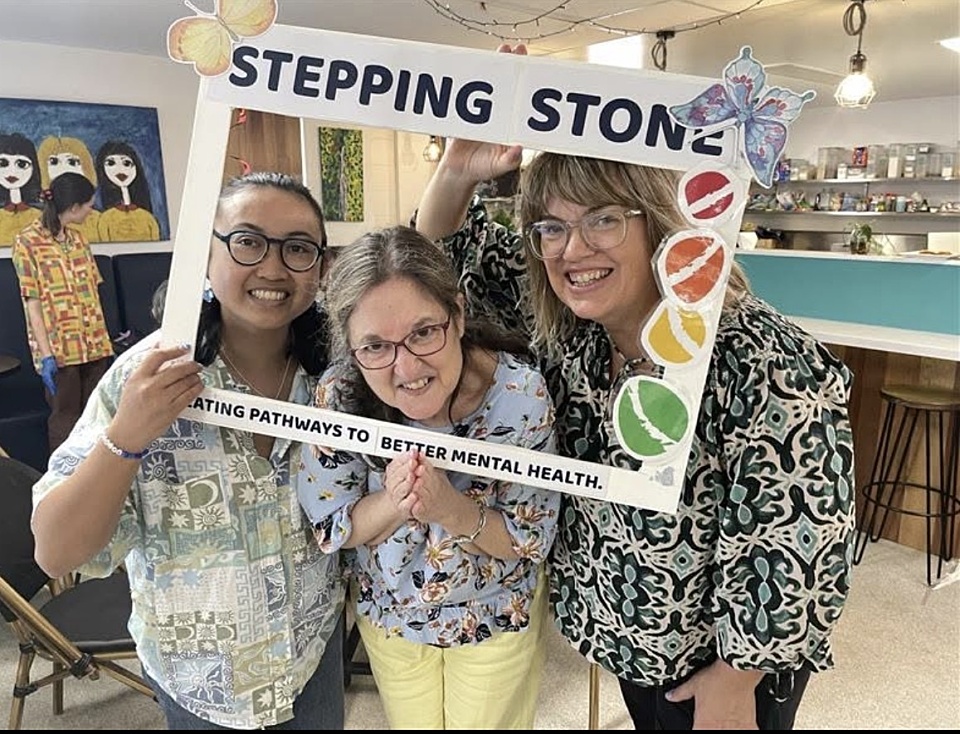
Posted on 10 Jun 2026
Melanie Sennett is the chief executive officer of Stepping Stone Clubhouse, a Brisbane charity that…
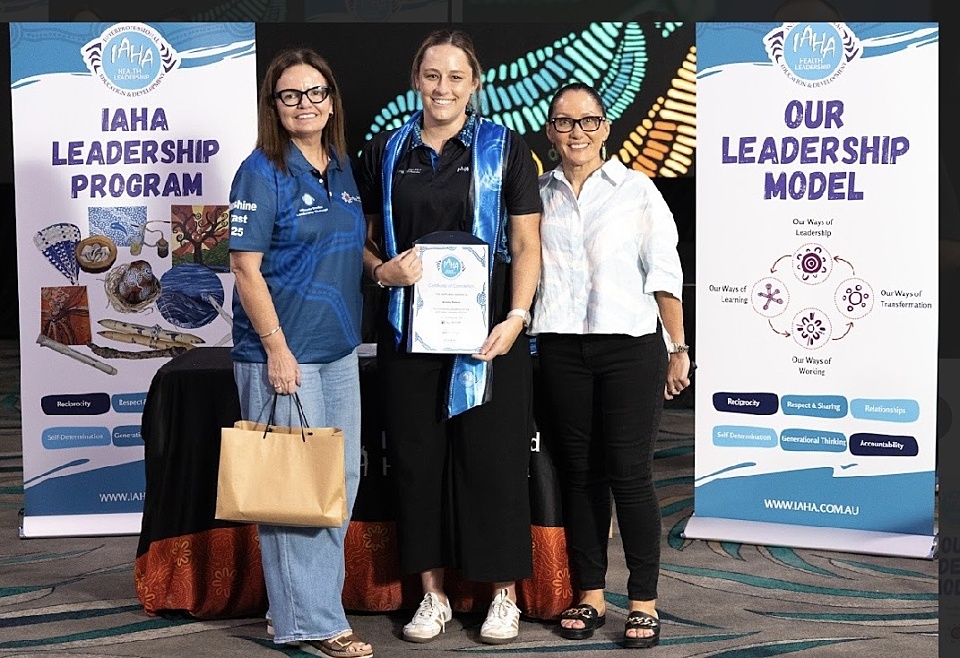
Posted on 03 Jun 2026
Kristy Petrie is a paediatric physiotherapist and proud Gooreng Gooreng woman who sits on the…

Posted on 27 May 2026
Maria Owen is the CEO of ImpactLab, a New Zealand social enterprise that analyses data for…