Why Carol Webb took a while to even realise she was a carer
Posted on 14 Oct 2026
Carers Victoria is holding an event this afternoon (October 14) during National Carers Week to…
Posted on 07 Oct 2026
By Nick Place, journalist, Community Directors
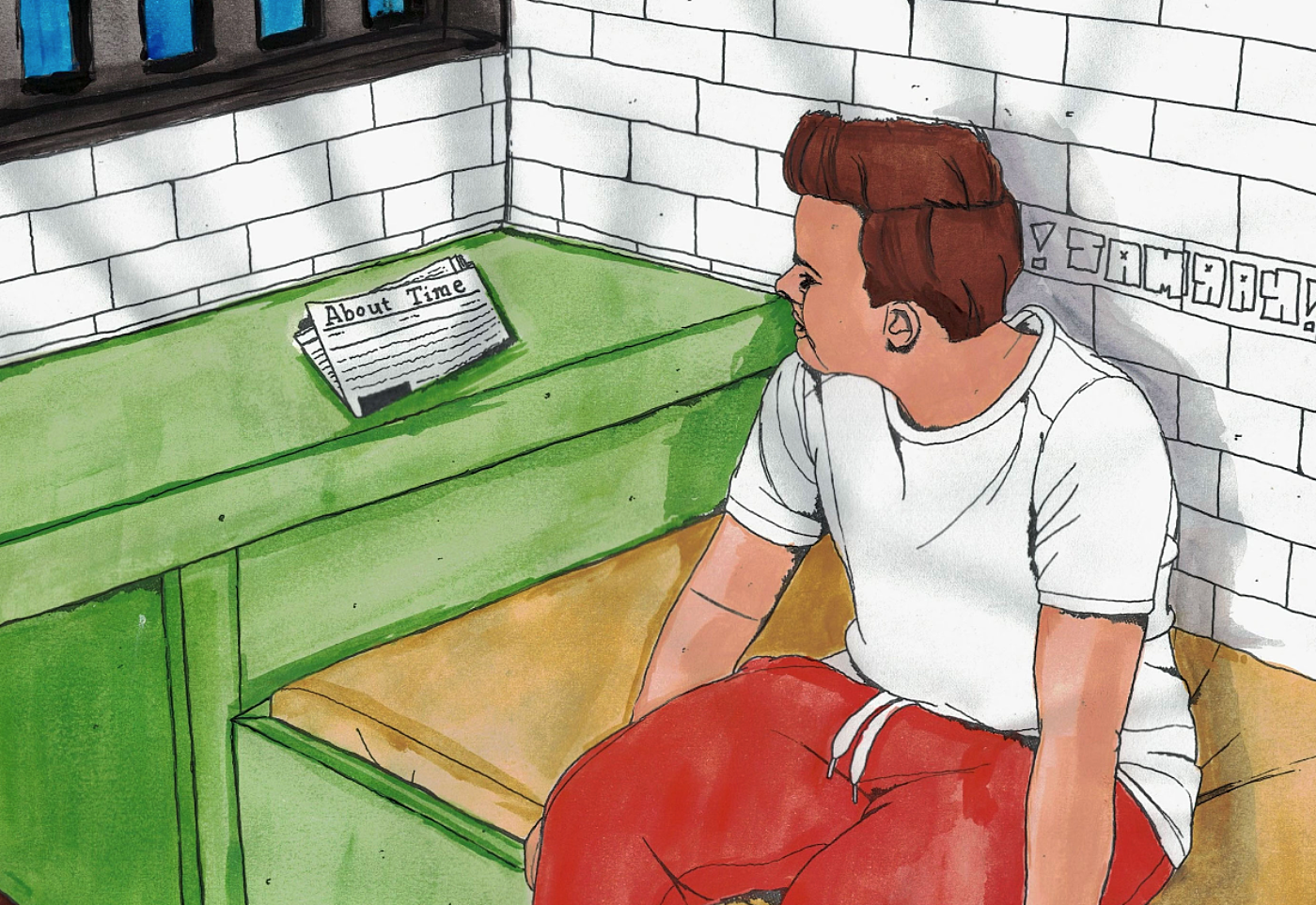
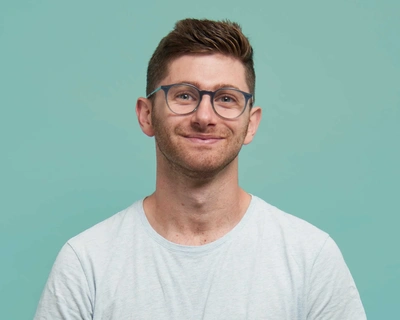
Joseph Friedman is co-founder and publisher of About Time, Australia’s only newspaper for prisoners, their families, ex-inmates and others interested in the corrections system. We spoke to Joseph about the paper’s evolution.
I co-founded it with Rosie Heselev. The first edition launched in July 2024, but we started putting things together behind the scenes as far back as 2021. I was working at Allens, a big law firm, and had done quite a lot of freelance journalism on the side. I had also done a lot of work through my law degree in criminal justice, including working in America for a while on the Innocence Project, helping people we believed were wrongly convicted of murder. I also worked for NAAJA [the North Australian Aboriginal Justice Agency] in Darwin for a while.
I heard about a prison newspaper in the UK and explored more about the world of prison journalism, as well as criminal justice journalism in the US, and so I thought, wow, this seems really cool. We don't have this in Australia. Could this be a thing? And it kind of started from there.
Yeah, there were so many different entities to convince. First of all, I was trying to find out, is this a gap? And is this a gap that people want to fill? I managed to get in touch with someone who runs focus groups with people in prison or who were formerly in prison, and we asked them about it, as well as asking some Facebook groups of former incarcerated people and their families. The consensus was definitely, ‘Oh, this would have been great when I was inside, but I doubt Corrections would let it through.’
Corrections are perceived somewhat negatively by people inside in Australia. It obviously differs between each state and territory, but they kind of have carte blanche authority to decide what goes in and out. So we formed a board, we raised money, we created like a mock-up sample first edition, we put a lot of things in practice. But then, the last thing, that we were always unsure about, was whether Corrections would say yes. In the end, we went state by state, starting with Victoria where we had a couple of connections. I think once people agreed to a meeting, they saw us, thought we’re legit and they realised we’ll do all the work and we’ll give people inside something that’s gonna be good for them and should help, they were like, alright, maybe it’s worth a try.
It’s a mix of things. We’ve got a few government grants. We’ve got some big grants from private foundations [such as the Judith Neilson Foundation], and we also have advertising revenue from personal injury law firms and criminal law firms who want to promote their services to people in prison who might be potential clients. Funding is probably two-thirds and advertising is just under one-third. There’s a little bit of subscription revenue as well.
There was one guy who made an ad that was like, ‘We can’t break you out of prison, but we can do everything else.’ And one of the Corrections departments said, ‘Oh, we can’t promote jailbreak and so we can’t publish it’. We said, ‘It’s clearly a joke’, and then they let it in. We do tell the advertisers what they can’t say and make sure they’re legit. We make sure they’re not taking advantage of the people inside.
Really important. We have a health section and often it’s mental health tips and tools from psychologists or formerly incarcerated people. So yeah, the ads need to be the kind of content that doesn’t make things worse.
The letters. We get letters every day, probably like between two and four letters a day from people in prison. A lot of those they want to be published in the paper, writing about their life and their experiences, advice and regrets and so on, as well as art and poetry. But also, a lot of letters have feedback for us, talking about the impact that the paper has had on their time inside. It’s almost exclusively positive and I feel like there aren’t that many jobs where you can have such frequent and immediate positive feedback.
“A lot of letters have feedback for us, talking about the impact that the paper has had on their time inside. It’s almost exclusively positive.”
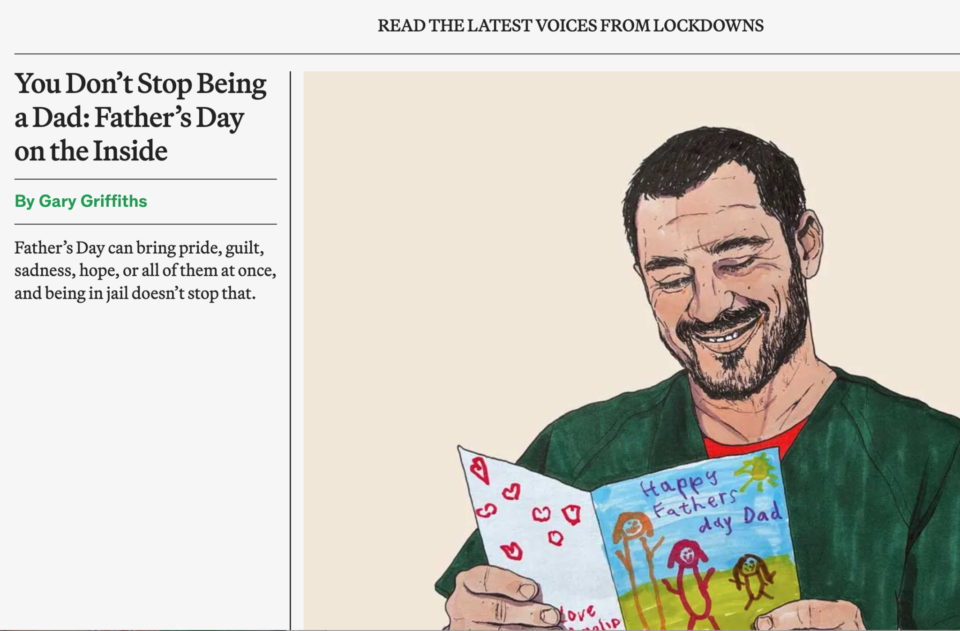
We print about 13,000 copies and then we have about another 13,000 digital copies for New South Wales, because they [prisoners] all have tablets. It’s something like one paper per every four people in every prison on average. That’s all free of charge, and then we have an audience outside prison – you know, online, newsletter, social media, a few thousand followers across the different types of platforms.
I think it’s like about 47,000 now, which has gone up quite a lot recently, because I think maybe 40 per cent of the Australian prison population is on remand because governments have made it so difficult to get bail now. [Editor’s note: Australian Bureau of Statistics figures say 42 per cent of prisoners in Australia are on remand. The prison population consisted of 27,051 sentenced prisoners and 19,850 unsentenced (remand) prisoners as of June 30, 2025.]
That means a huge proportion of people in prison haven’t even been convicted of a crime and they’re waiting and waiting and waiting for their trial. It’s a really sad reality of the Australian prison population. Obviously, if they’re convicted, they’re in for a lot longer, but if they’re not, they can still end up being in prison for one to two years because there’s a huge backlog of criminal trials.
I guess that’s the most immediate secondary audience: families and friends and formerly incarcerated people. But then, we do a lot of kind of investigative reporting on the prison system and the justice system more broadly. We have really high-quality journalists and we pay everyone from outside prison for their writing, and so there are people in the sector who are interested in that world. It would be great if we could bring [the newspaper] to more of a mainstream audience, just to convince people that it’s important to know about what happens in prison and who these people are beyond the crime reported in the media. I think that would help a lot.
I guess there is a line, but as long as our reporting is fact-based, based on real people's experiences, and we can verify that, and it’s not just hardcore opinion writing, then I think Corrections probably feel that not publishing it would look quite poor. We do sometimes have online-only content, which we publish weekly, versus the monthly paper, and so anything that doesn’t go into the prisons doesn’t have to be vetted, but we also like reach out to Corrections for comments on any stories about them. They are happy to publish content that might be perceived as negative, so long as it is very much fact- and primary-source-based.
It is. We recently got accepted to publish in the Northern Territory. It was the last jurisdiction to say yes, but now we’re in Darwin and Alice. The paper has a dedicated section called ‘Mob’, where we write about First Nations information, and of course often it’s negative information. We do write about deaths in custody. We try not to overdo it because it’s really depressing, but we definitely write about the issues affecting First Nations people and uniquely affecting them. But then, a couple of months ago, we had a special First Nations issue and we tried to highlight positive First Nations stories, because you don’t often see too much of that. It’s a necessary kind of thing to cover, for sure.
Yeah, maybe it’s because they’ve seen the good feedback about it, or they’ve realised it gives people inside something to do, which is really important.
It started as a passion project but now it’s turned into a full-time job in a medium-sized charity with a team of employees, contractors and volunteers, and an office. That’s been very lucky because I never thought it would be that. I started out doing lots of putting content together, and now I feel more like a fundraiser and the manager of a team and logistics and board reporting and all that kind of stuff, so it’s interesting how your role changes, but it’s definitely a lot of fun.
A lot depends on funding. If we can get more, we can distribute the paper to more facilities, like immigration detention facilities and forensic mental health hospitals, and we can do some different or adapted publications for youth justice. We’d also love to buy or receive donated books to build small libraries in prison wings, and we’d love to run live events with storytelling. We also want to do more audio and video stuff, so yeah, there are a lot of things beyond expanding the paper
To read About Time, donate or subscribe, click here.
Posted on 14 Oct 2026
Carers Victoria is holding an event this afternoon (October 14) during National Carers Week to…

Posted on 30 Sep 2026
At 21 years old, Tate Donohoe is the founder of Ecodia, an AI-assisted software development company…
Posted on 02 Sep 2026
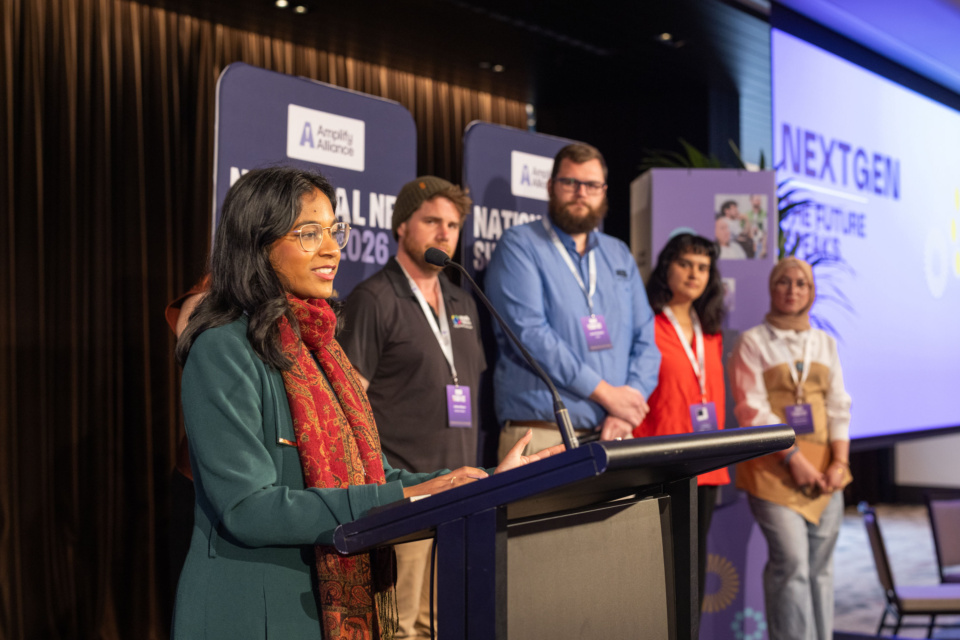
At last week’s Amplify Alliance National NFP Summit, Satara Uthayakumaran, 23, brought the voices…
Posted on 26 Aug 2026
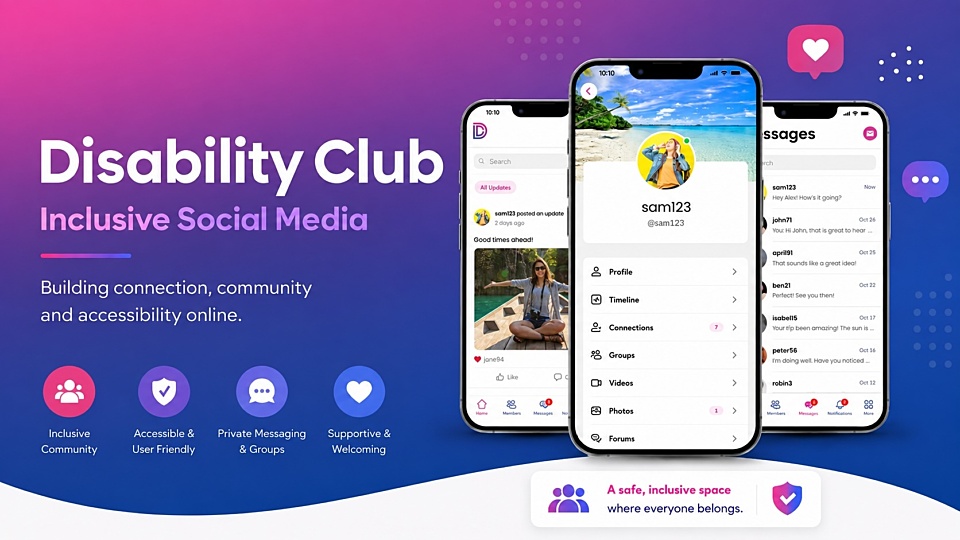
Nathan Johnston lives in Bega, NSW, and lives with cerebral palsy. He’s the creator of Disability…
Posted on 19 Aug 2026
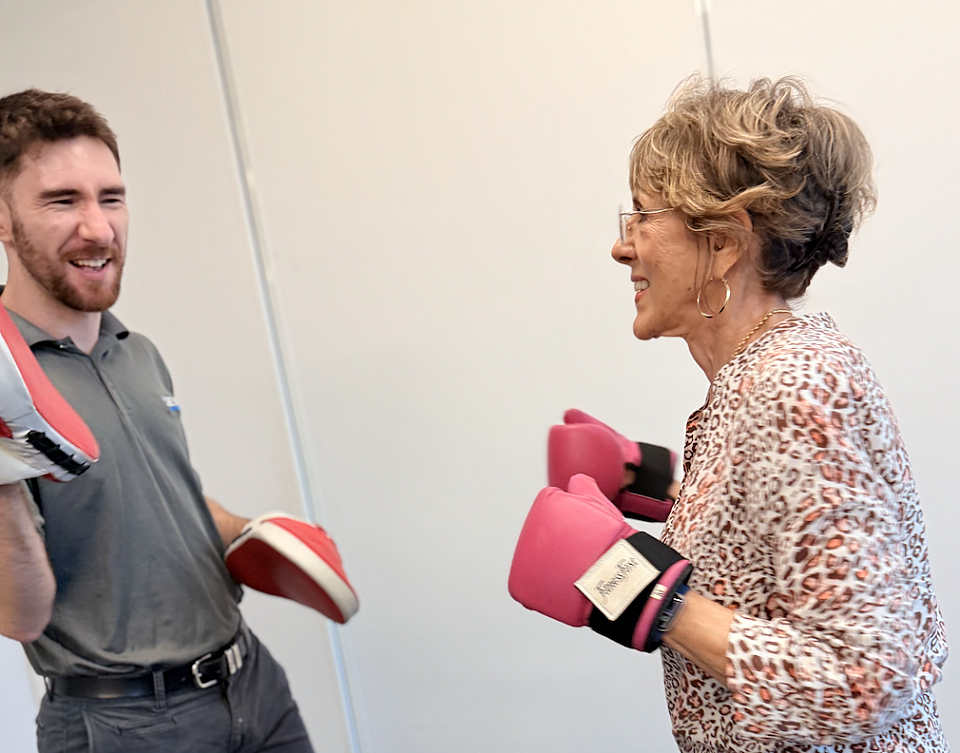
Coralie Wales is the founder of Strong Australia, an ACNC-registered health promotion charity that…
Posted on 08 Jul 2026
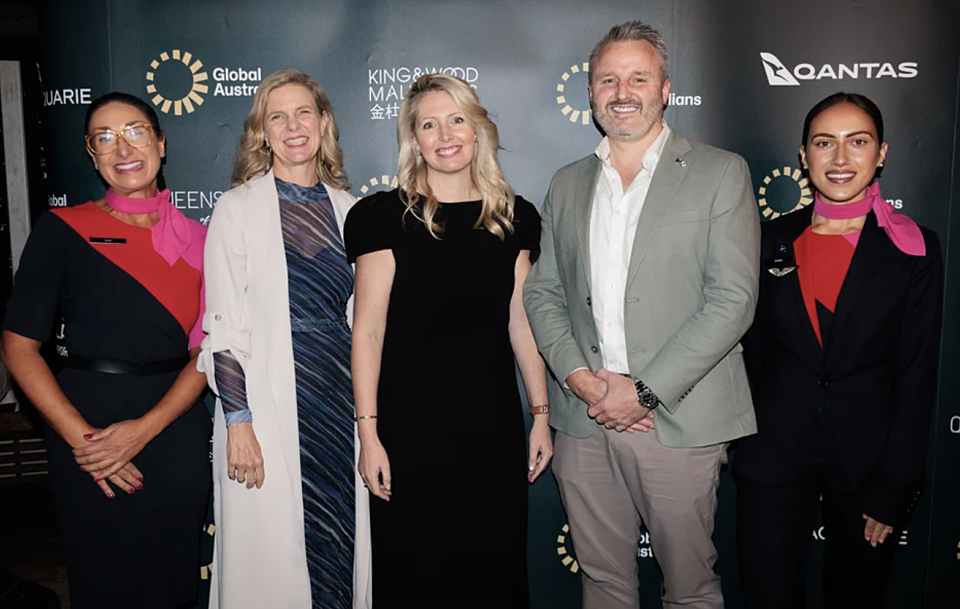
Kate McQuestin is CEO of Global Australians, a not-for-profit aimed at connecting Australians…
Posted on 30 Jun 2026
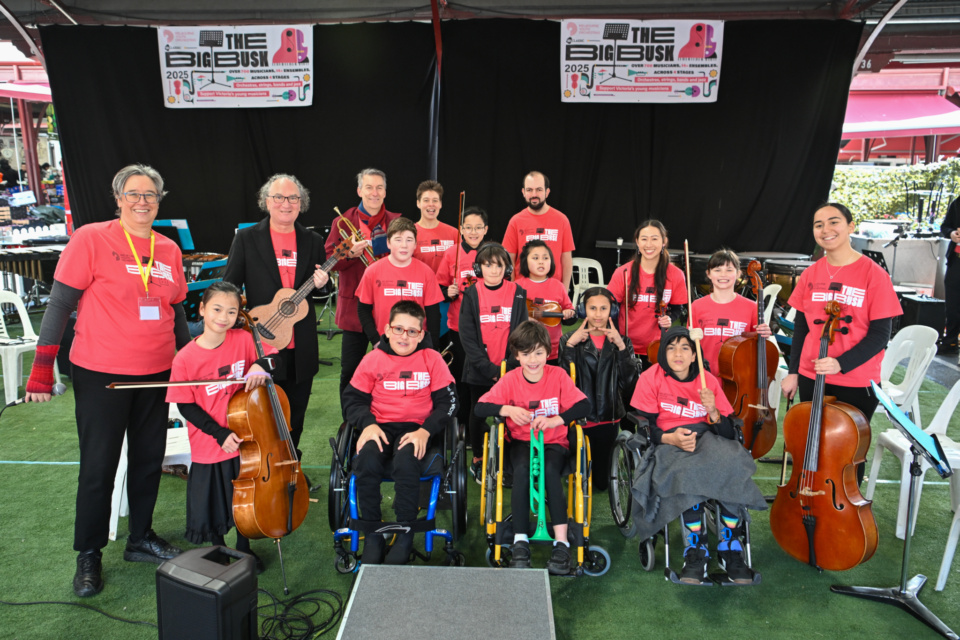
Anthea Skinner is a musicologist, a senior lecturer in disability creative performance at the…

Posted on 24 Jun 2026
Lizzie Mettam manages corporate partnerships for DV Safe Phone, an organisation that provides…
Posted on 17 Jun 2026
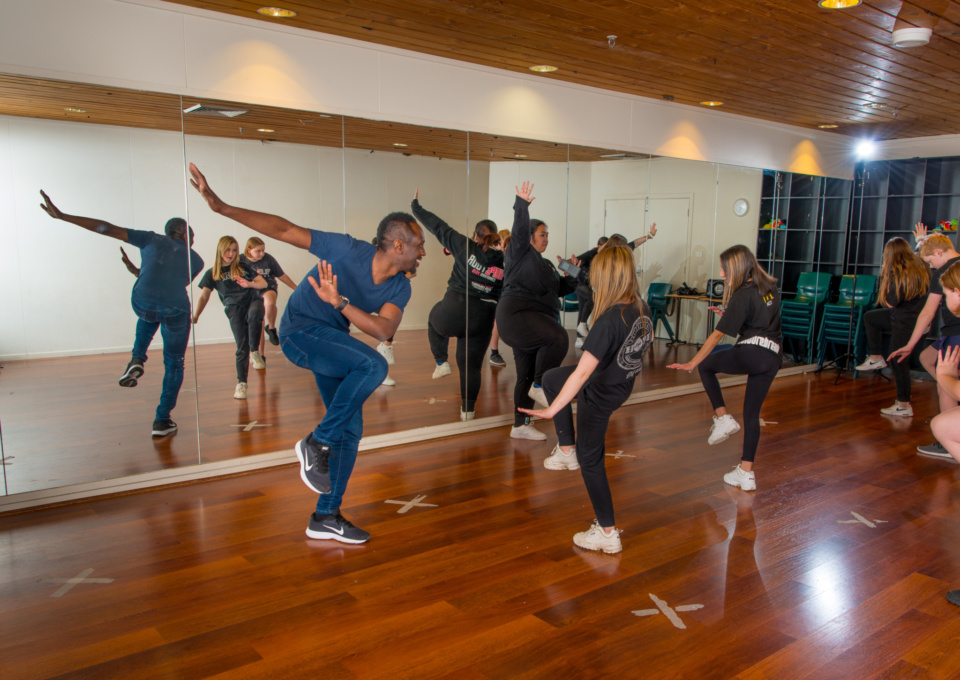
Francis Owusu is the founder of Kulture Break, a charity that helps young people build confidence,…
Posted on 10 Jun 2026
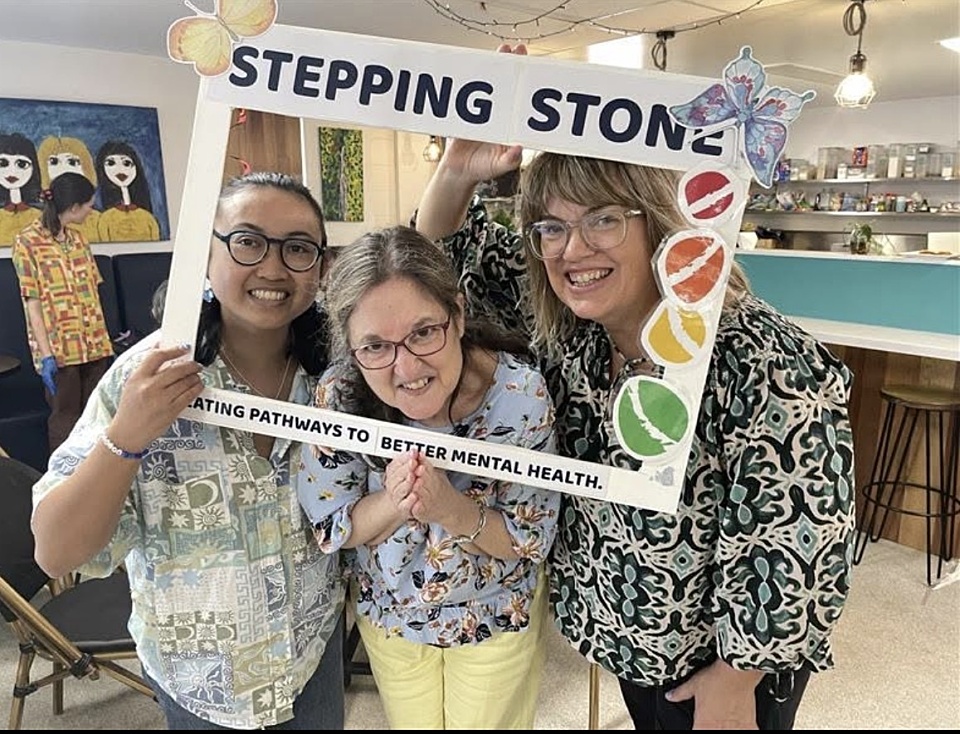
Melanie Sennett is the chief executive officer of Stepping Stone Clubhouse, a Brisbane charity that…
Posted on 03 Jun 2026
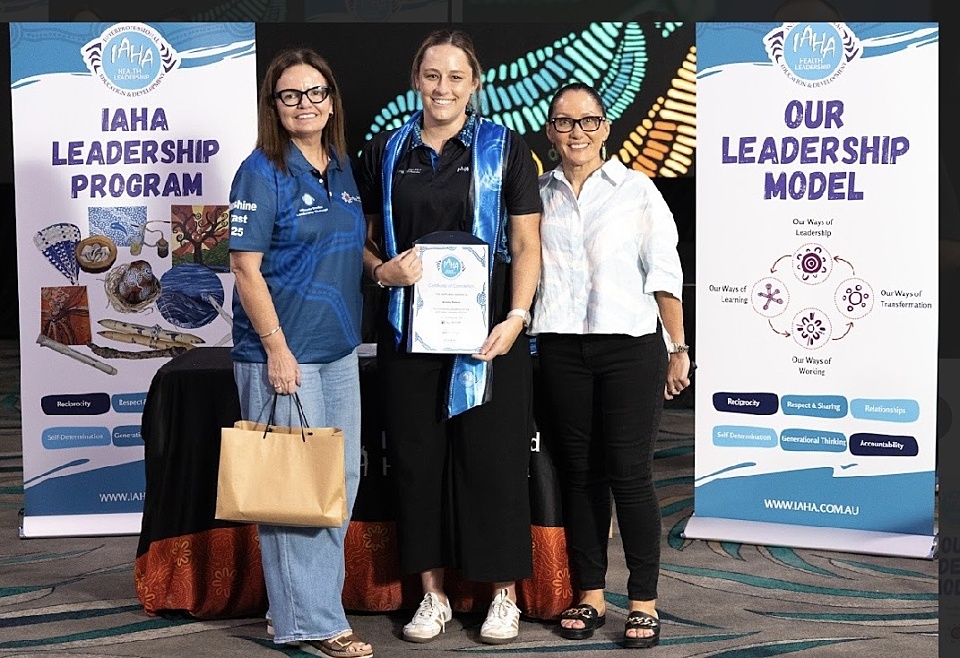
Kristy Petrie is a paediatric physiotherapist and proud Gooreng Gooreng woman who sits on the…

Posted on 27 May 2026
Maria Owen is the CEO of ImpactLab, a New Zealand social enterprise that analyses data for…