Why Carol Webb took a while to even realise she was a carer
Posted on 14 Oct 2026
Carers Victoria is holding an event this afternoon (October 14) during National Carers Week to…
Posted on 02 Sep 2026
By Nick Place, journalist, Community Directors
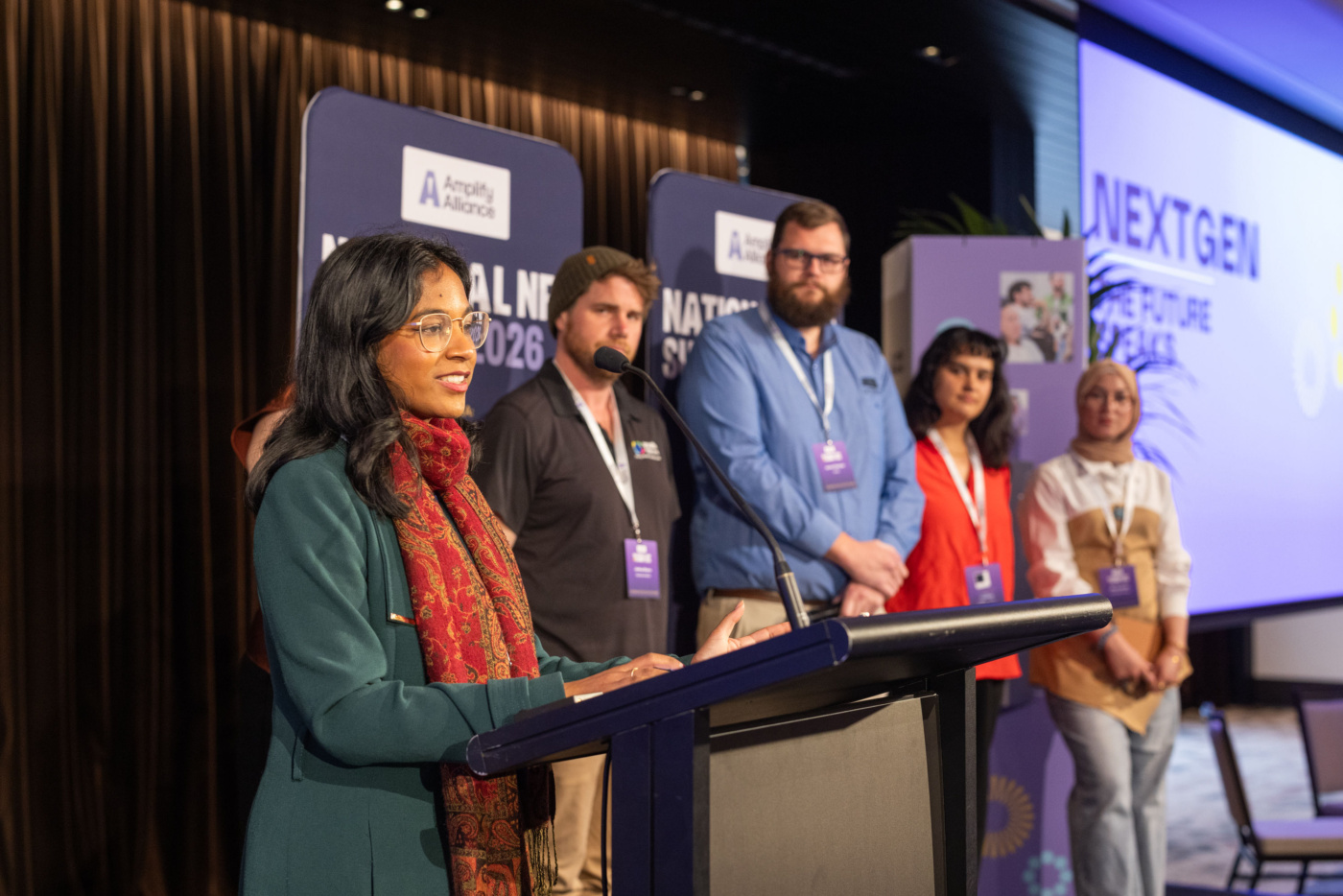
At last week’s Amplify Alliance National NFP Summit, Satara Uthayakumaran, 23, brought the voices and ideas of the next generation to the stage. The former Australian Youth Representative to the United Nations led the Next Generation Leadership Assembly as part of the summit. We spoke to Satara about her work.
I’m in my final year of uni (arts-law at Australian National University). I took a year off last year to be the Australian Youth Representative to the UN, so that’s informed a lot of why I do this kind of work and do facilitation and stuff with young people. They are the crux of what I like doing, and it’s something I am quite passionate about.
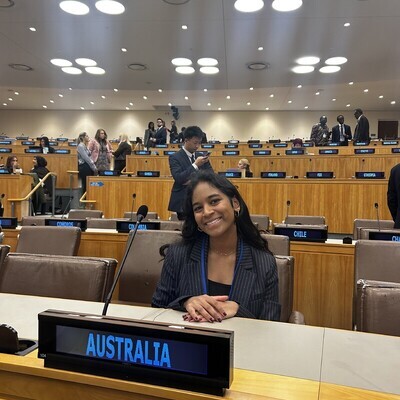
Super useful. To break down what it means to be the youth rep, you spend the first six months travelling around the entire country talking to thousands of young Australians from all states and territories. Some of the places I went to were the Tiwi Islands, Christmas Island, Central Australia – really beautiful parts of the country – but then also into spaces where we don’t hear from young voices. I went into a lot of youth detention centres and talked to young kids behind bars, and that was really useful in terms of understanding what young Australia actually looks like. It’s very diverse, it’s very different, and there’s not one group of people that we can kind of define them as. I found that very helpful in terms of getting to know how to talk, how to understand, how to deeply listen to what young people want and need. The second part of the year was to go over to the UN and represent young Australians at the UN General Assembly, and then COP30 in Brazil as well.
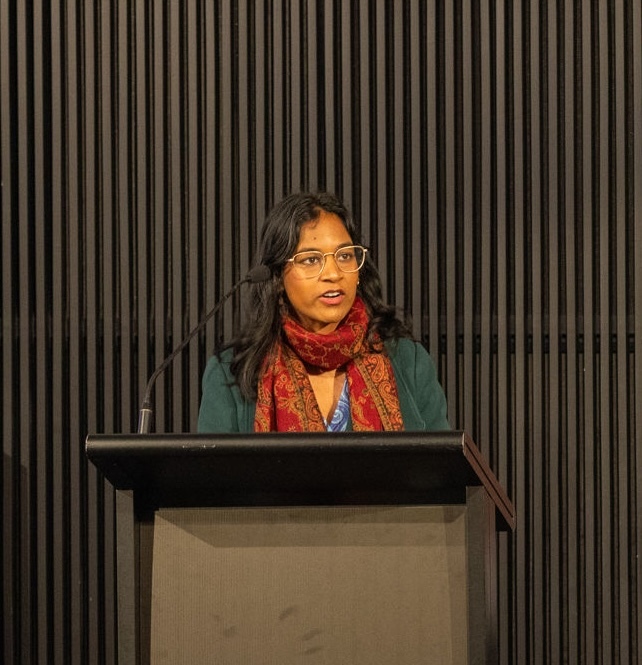
We were talking a lot about the issues that we’d identified in the sector and the real problems with what we’re seeing in society. I think what was really encouraging was that we had half an hour to come up with policy ideas to make things better. Half an hour – and we did it. I think that was the hopeful element. It was the fact that these young leaders were so switched on. They know their communities so well, better than most people. And as a result, it doesn’t take very long for them to know what actually works in grassroots communities.
The hope we wanted to end on was that we can fix things, but you (established not-for-profit leaders) need us and you need our expertise and you need the connections that we make, because ultimately we’re the ones living it and we’re the ones having to deal with it. So, I think, trust us and you’ll have good policy.
The fact that a young person who might have spent their whole life in a place where they’ve felt nothing but despair and that nothing’s working out for them is able to have a voice and make a difference. I think that gives me hope for the future.
Also, this assembly at the Amplify summit was that beautiful moment of sitting down, having a conversation, and seeing things from another person’s point of view without yelling or being adversarial. We had Senator David Shoebridge come in, and a lot of the young leaders’ questions to him were asking why Parliament is so adversarial, politicians always at each other’s throats and beholden to the 24-7 news cycle. We asked, why is that the case? He couldn't really answer it. He just said: because that’s the design of it. That’s how it’s made to be. We were, like, surely this generation is the one that changes that? We can be the ones that bring back decency and conversation between two people who have maybe very different views.
They all applied to do this and so we had people from different sectors. We had people from the disability sector, from housing, from employment services, someone who runs a kind of refugee migrant settlement cafe. There were very different backgrounds, but I think everyone came together on the key issue that to be a good leader in this space, you’ve got to be someone that understands the community, that listens to community and actually wants to do what people are asking you to and be beholden to those who you serve.
“You can have all the new degrees in the world, but if you don’t understand what makes a person tick or what they need, the company or the community organisation is going to fail.”
It’s a valid question, but I would push back to say I don’t necessarily think that being young means that you’re not qualified to have that kind of make-good change. I think a lot of young people may not possess the professional education because they’re too young, they’ve not had that chance, but they possess a lived experience, they understand their communities. You can have all the new degrees in the world, but if you don’t understand what makes a person tick or what they need, the company or the community organisation is going to fail. I think it’s actually really vital to have the experience of those young leaders in that space.
Things like mentorship and education are really important. We talk a lot about youth tokenism because it is easy to put a young person who’s not that interested and not qualified into a position, then leave them there and say, “Oh, they didn’t do anything.” If you had trained them, if you mentored them, if you gave them the skills and help that they needed, they could have gone really far.
Having worked with the young leaders, I really want them to be able to go back into their sectors, organisations, communities and feel more empowered to lead and to take away what they’ve learned from the other young leaders. I made it very clear to them that I’m not a leadership coach; they were here to learn from each other and each other’s experiences, and that’s the best asset you’re going to ever get.
Again, it’s funny, we talk a lot about collaboration and what it means to come together, but because the non-for-profit sector is so divided because of things like competition around grants or funding, it is really rare for people to have that space where they can just come together and be open and honest without any consequences.
I wanted them to take contact details for people who they can call if they need a hand or need advice.
I think the second thing was for that [Amplify summit] room to understand the importance of having a young leader in their particular workplace. It was asked whether organisations have government meetings and whether you ever take a young leader who brings a different perspective. A few hands went up, but there were people who didn't. The point is that you can’t have a tokenistic young person at the meeting and say, all right, we’ve ticked a box. It’s not about taking a photo, it’s about embedding them in that structural governance design from the start.
Letting them talk, letting them bring that perspective, because I think it’s a very fresh perspective. Sometimes in areas where people have been working for years, doing great work, it can take a fresh pair of eyes. I think the importance of having young eyes in the room is that they really see those things.
I’m kind of still figuring that out, but I think I really want to work with communities and particularly young people. Last year when I was doing my work, I really loved just going to places where young people had never felt heard before and being able to elevate those voices in that space. One moment that showed me the importance of doing work like this to make young people feel empowered was while I was collecting thousands of letters to the Prime Minister from kids around Australia. I was in Ashley Youth Detention Centre in Tasmania and collected letters from some kids there. I spent the whole day and they were writing them. A week later, I got a call from the Ashley Centre youth worker saying the kids had stuck up their letters all around the centre because they were so proud of what they’d written and for the first time they’d been given that platform to have a voice. They took it with full force. For me, that’s why this matters and that’s the kind of stuff that I want to keep doing.
Posted on 14 Oct 2026
Carers Victoria is holding an event this afternoon (October 14) during National Carers Week to…
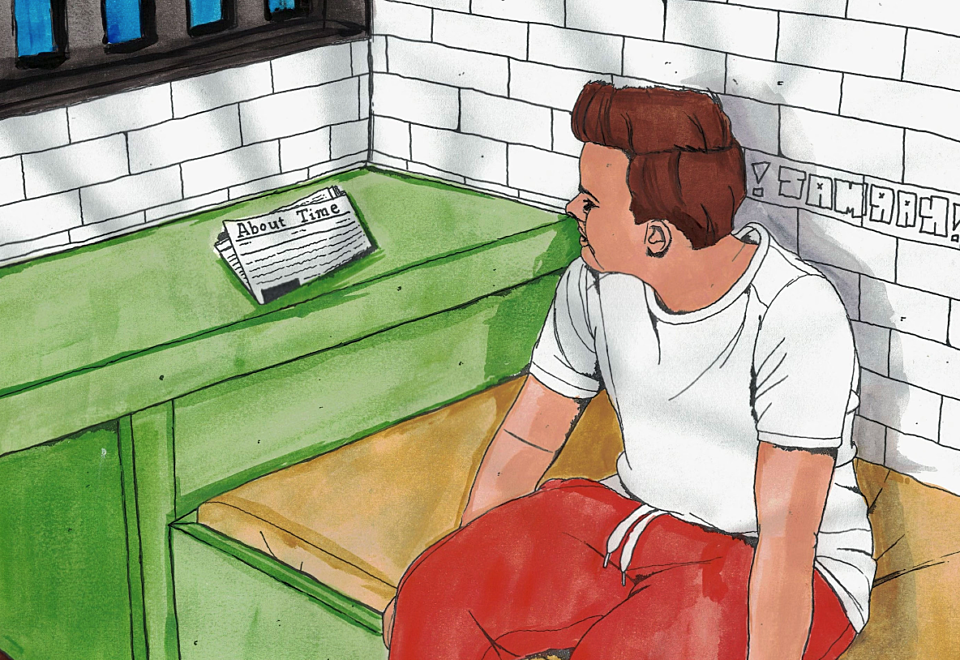
Posted on 07 Oct 2026
Joseph Friedman is co-founder and publisher of About Time, Australia’s only newspaper for…
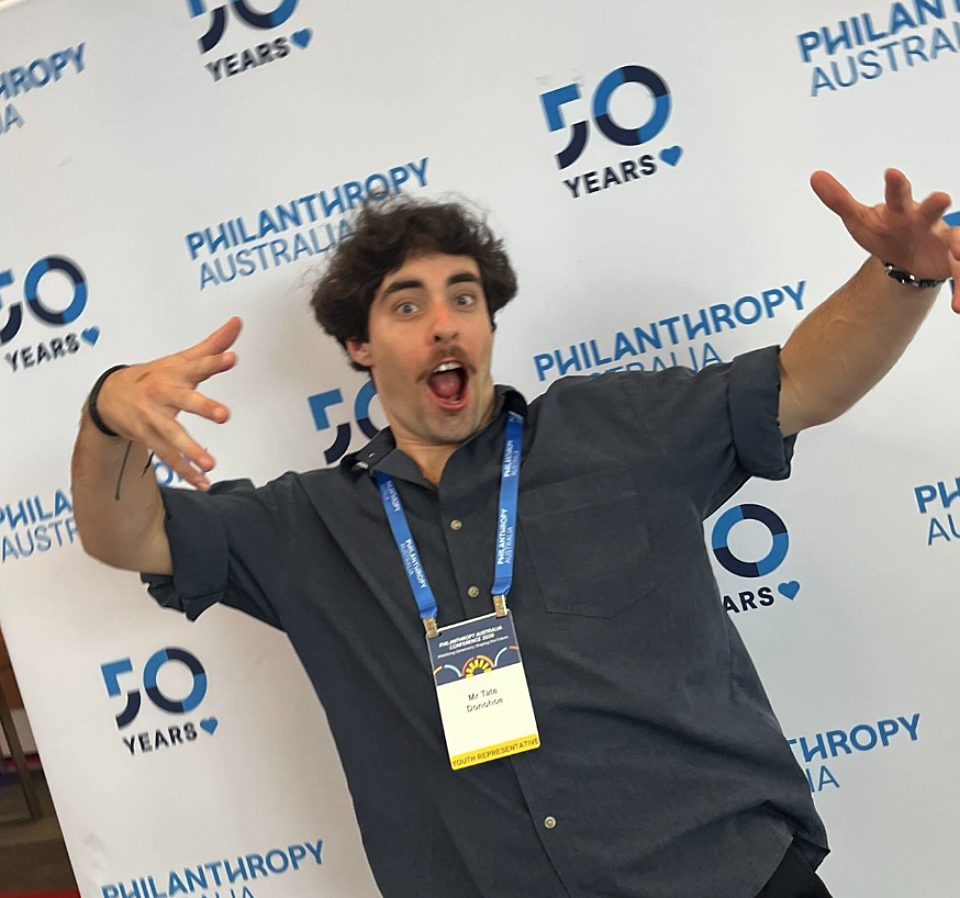
Posted on 30 Sep 2026
At 21 years old, Tate Donohoe is the founder of Ecodia, an AI-assisted software development company…
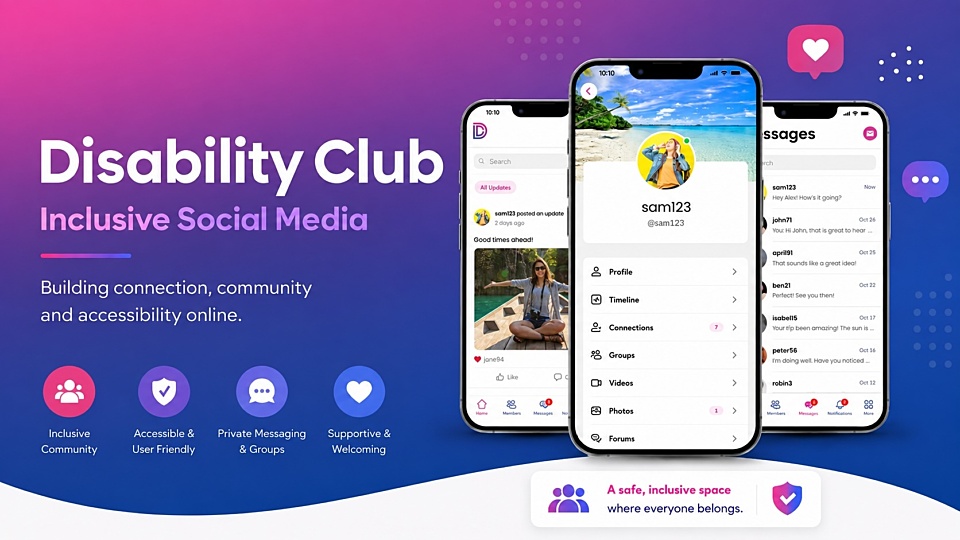
Posted on 26 Aug 2026
Nathan Johnston lives in Bega, NSW, and lives with cerebral palsy. He’s the creator of Disability…
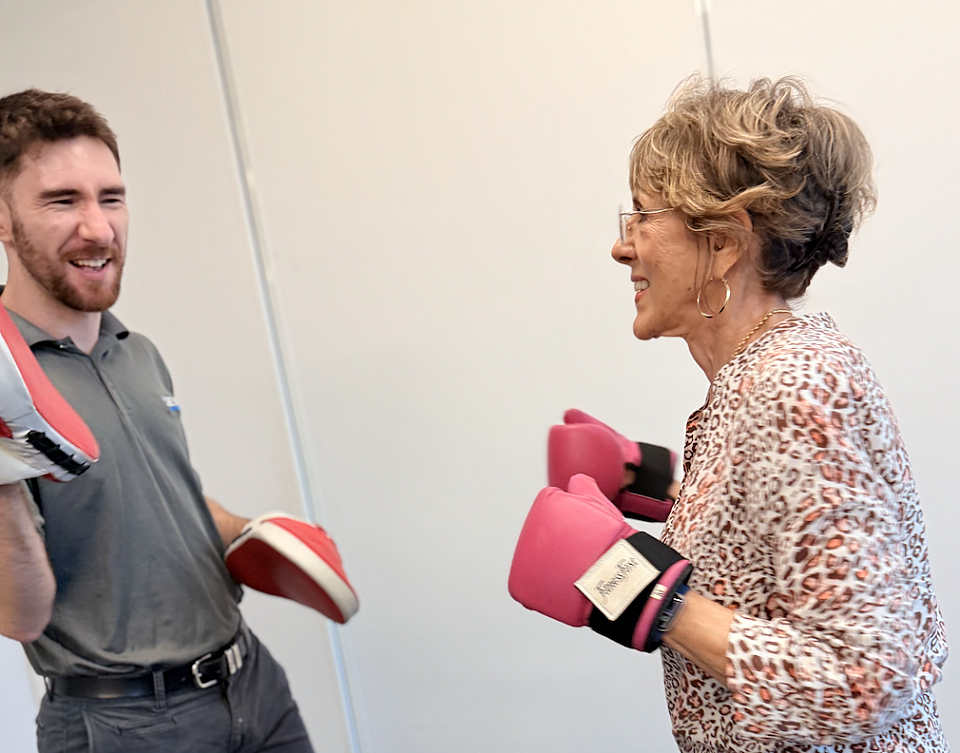
Posted on 19 Aug 2026
Coralie Wales is the founder of Strong Australia, an ACNC-registered health promotion charity that…
Posted on 08 Jul 2026
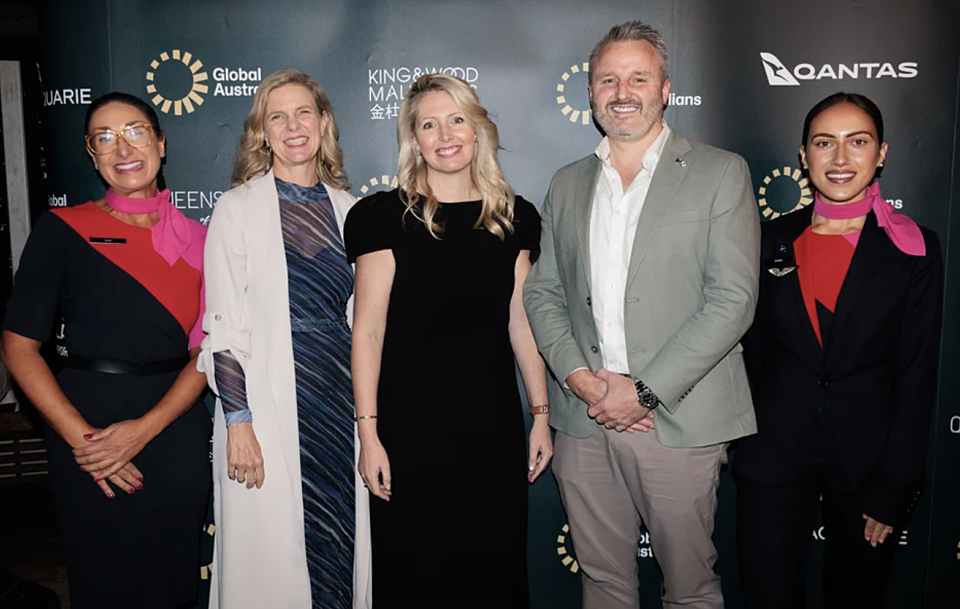
Kate McQuestin is CEO of Global Australians, a not-for-profit aimed at connecting Australians…
Posted on 30 Jun 2026
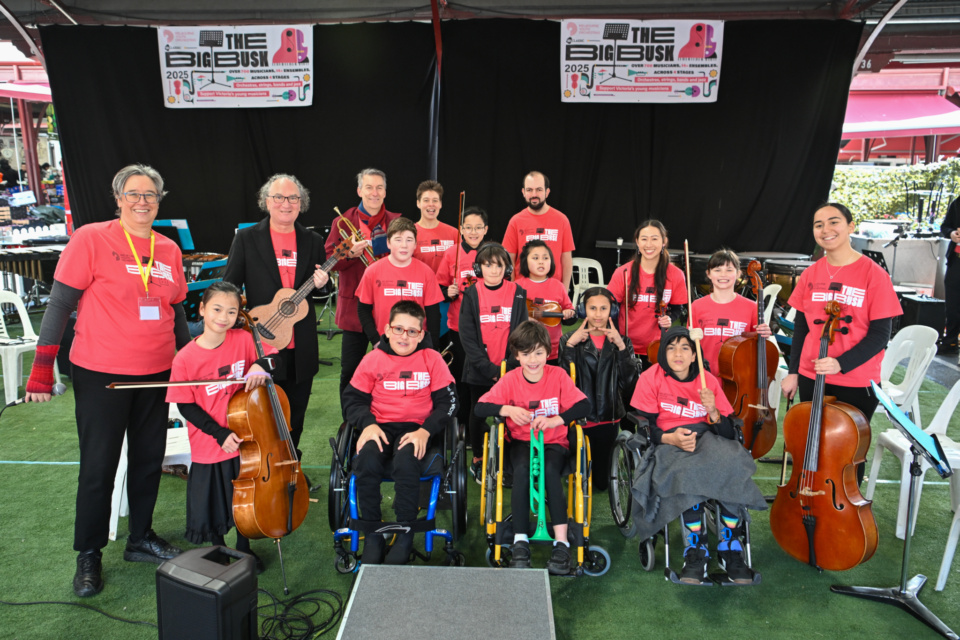
Anthea Skinner is a musicologist, a senior lecturer in disability creative performance at the…

Posted on 24 Jun 2026
Lizzie Mettam manages corporate partnerships for DV Safe Phone, an organisation that provides…
Posted on 17 Jun 2026
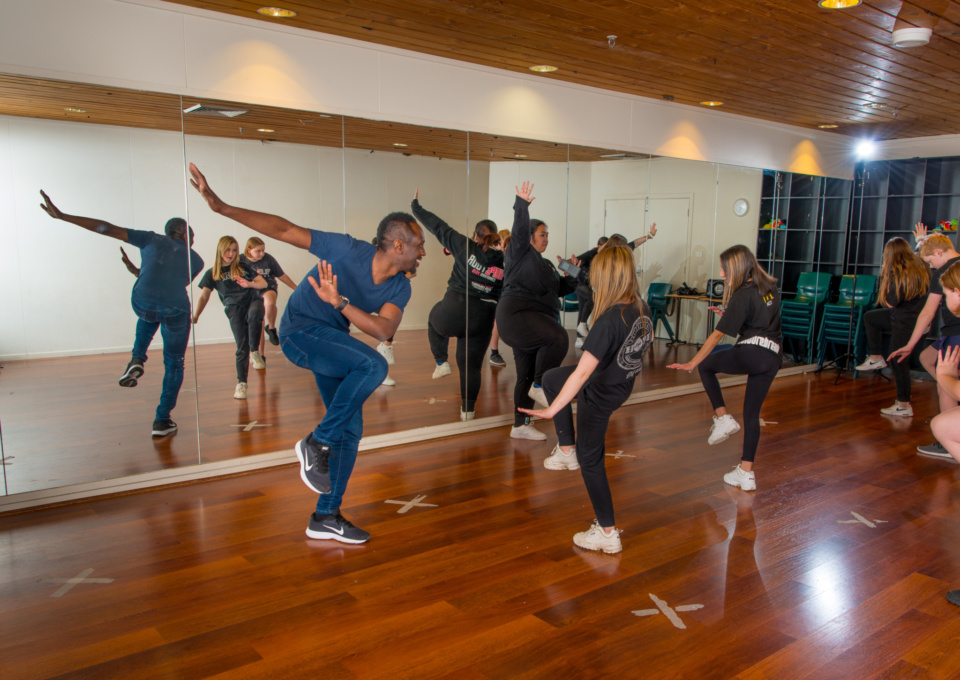
Francis Owusu is the founder of Kulture Break, a charity that helps young people build confidence,…
Posted on 10 Jun 2026
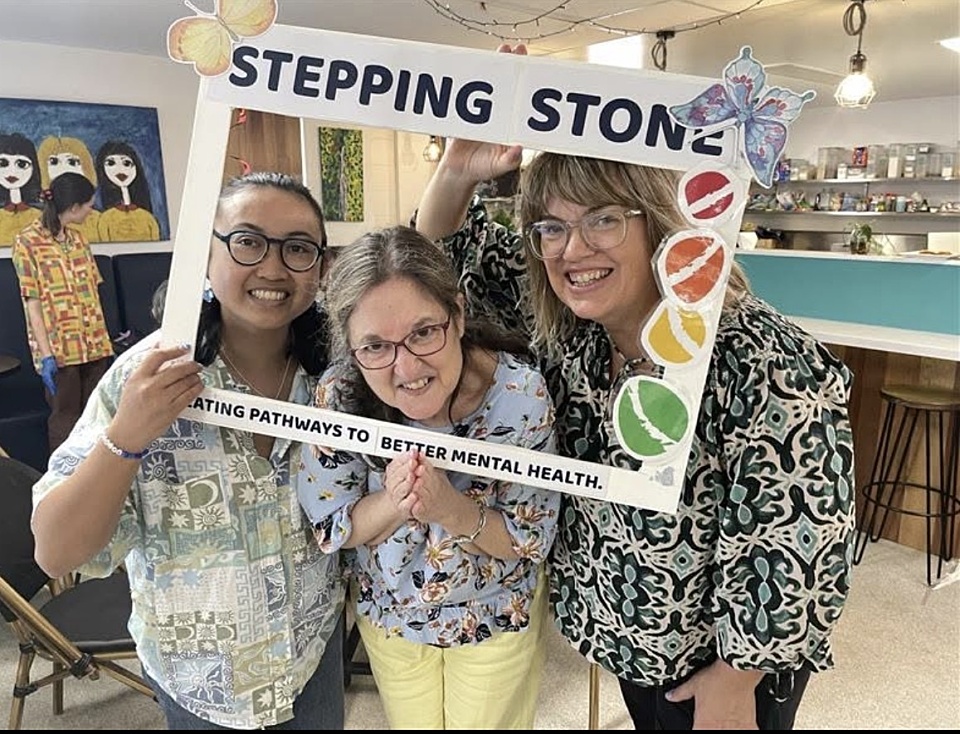
Melanie Sennett is the chief executive officer of Stepping Stone Clubhouse, a Brisbane charity that…
Posted on 03 Jun 2026
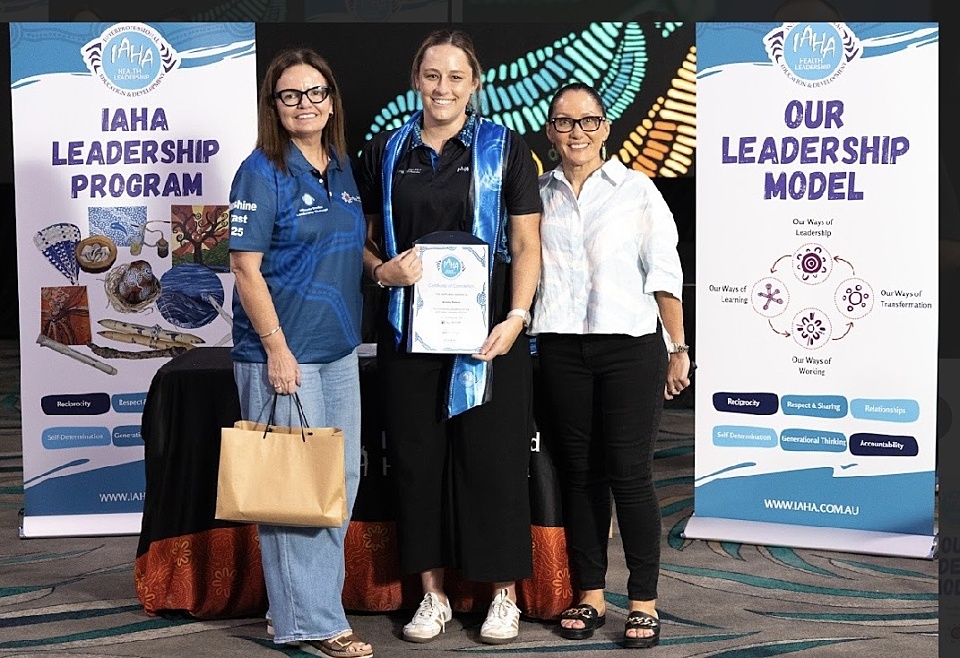
Kristy Petrie is a paediatric physiotherapist and proud Gooreng Gooreng woman who sits on the…

Posted on 27 May 2026
Maria Owen is the CEO of ImpactLab, a New Zealand social enterprise that analyses data for…