Why Carol Webb took a while to even realise she was a carer
Posted on 14 Oct 2026
Carers Victoria is holding an event this afternoon (October 14) during National Carers Week to…
Posted on 19 Aug 2026
By Nick Place, journalist, Community Directors
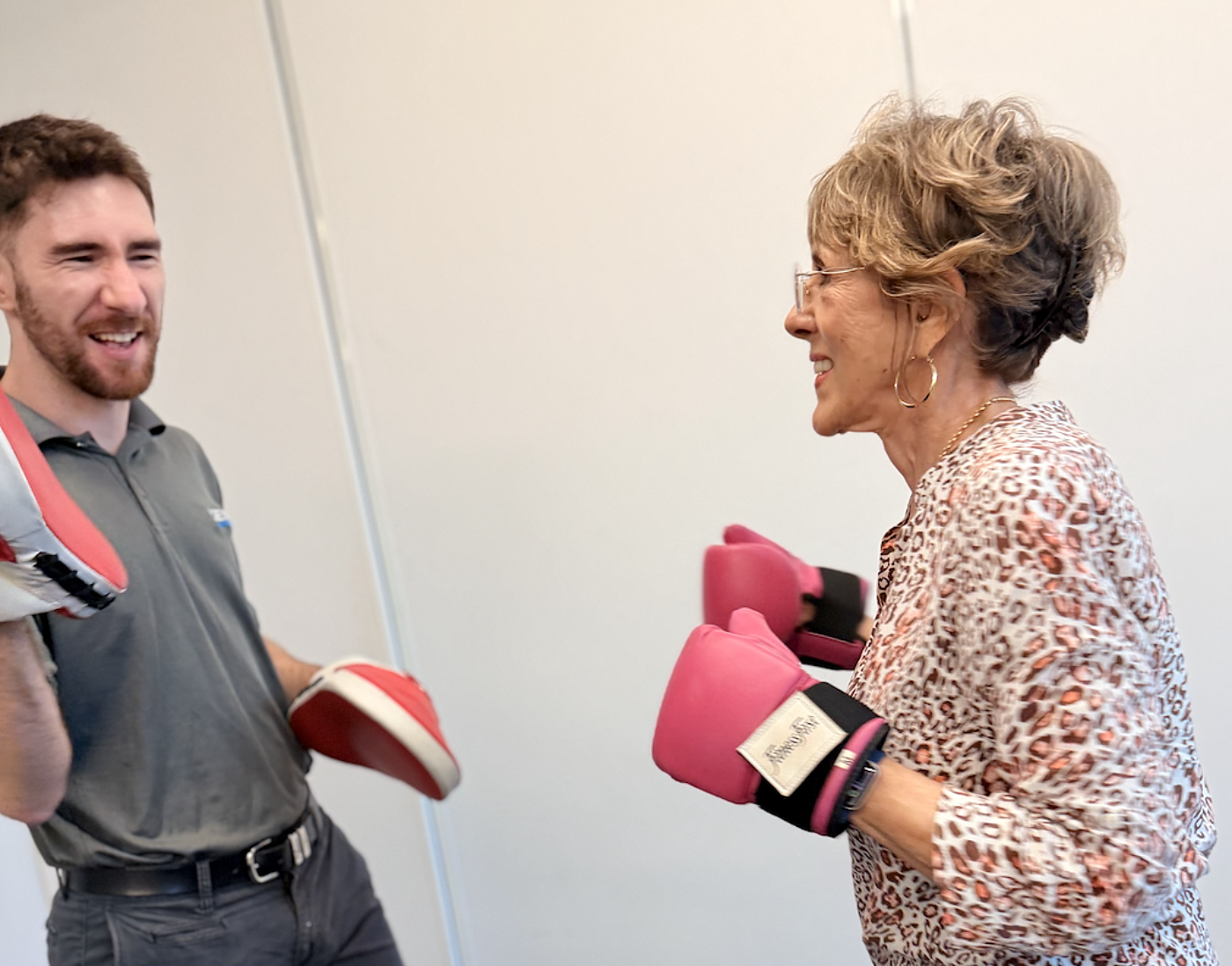
Coralie Wales is the founder of Strong Australia, an ACNC-registered health promotion charity that aims to educate and inspire Australians about the need to build strength, especially as they age. We caught up with Coralie to find out why she’s doing the heavy lifting to raise awareness.
Well, I’m going to be quite personal because it is all very personal; your muscles are a very personal thing, aren’t they? Without your body, you can’t do much. I had a series of surgeries starting probably 20, 30 years ago where I was prone to injury, so I needed very careful rehab to get back on top of things. I made a commitment that I needed really safe ways of getting strong, and now I have my own way of doing that.
Some of the research that I’ve read says that you start losing strength pretty early, like 30 or 40, unless you’re actively putting progressive resistance to your muscles. I remember when I was 40, I was so busy just managing my kids and managing my work and putting food on the table and all that stuff and I didn’t do any strength training. By the time I was 50, I had to have a hip replaced. I was active and was a mad dancer in those days, but I have a bit of an arthritic sort of body, and so in 2017, I just got deadly serious and started very deliberately strengthening, and now I’m quite strong.
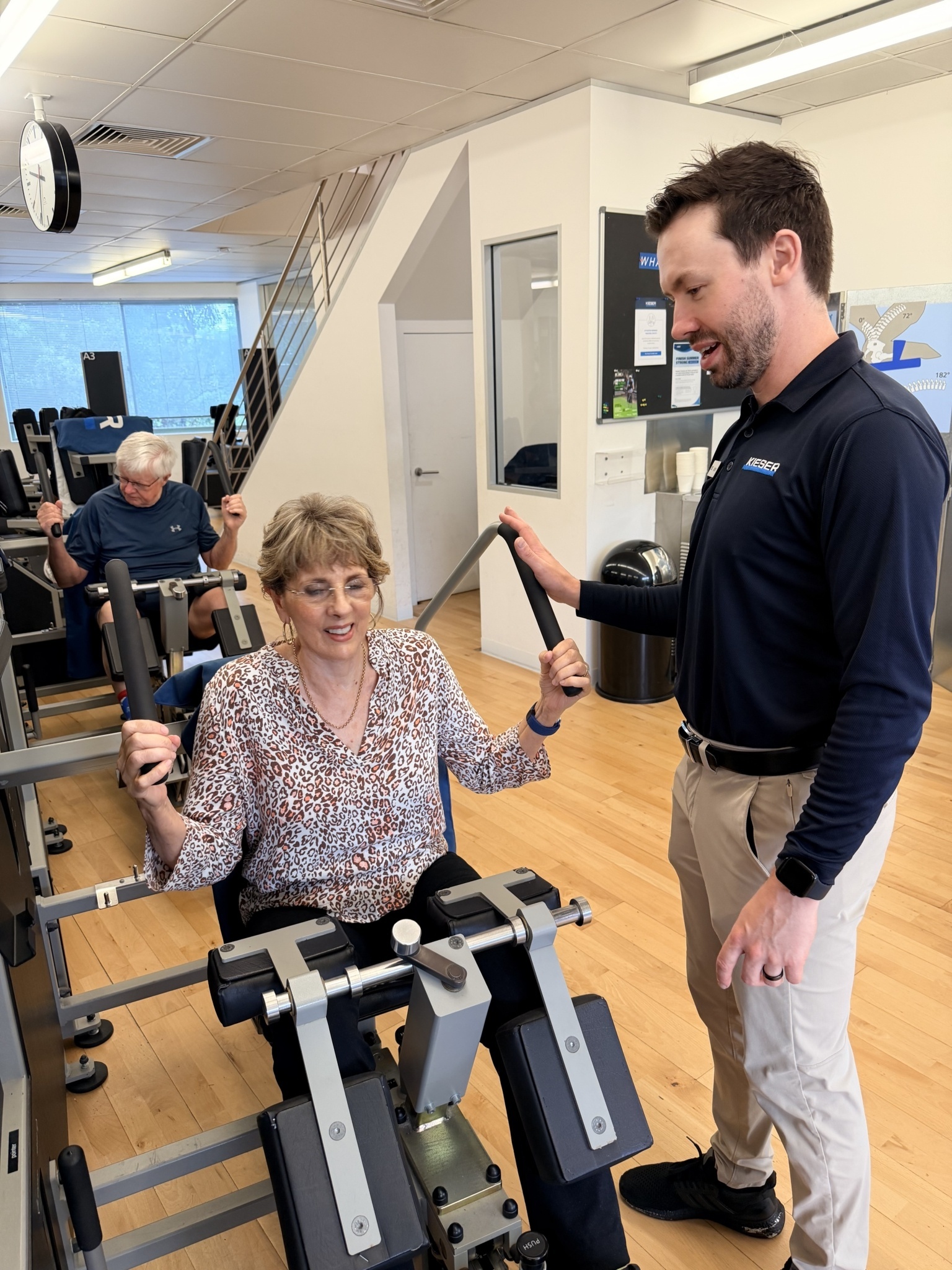
I set it up to prevent sarcopenia, which is muscle loss where muscle deteriorates and withers. I believe that it's got to be a big public message.
The more I looked into it, the more I realised how important it was. I started going deeper and looked at the numbers, and the published research didn’t tell me how much we actually spend on frailty. So I did a bit of calculating myself based on the research – this is not official research; this is my calculation – and I came to a figure of $10 billion a year for people over 65. That’s how much I believe it is costing the public purse.
The official research was based on 40,000 frail people, and the spending on those frail people was calculated as $131 million a year more than that for non-frail people. It’s a big amount of money.
I also looked at the frameworks, the policies and the strategies for preventive health. The need to work on strength is kind of mentioned, but it’s not pushed and it’s not detailed. We don't say: you need to stay strong if you don’t want to get frail. We don’t say that in public health, and yet that’s the fact.
Yes, my mother was an artist and an independent woman but for 10 years she had been getting weaker and weaker, and I was her main support. I tried to offer her some pathways to get strong, but she believed that when you get old, you just give up.
It was very frustrating because she was a strong woman in her mind and in her will but she was also convinced that if she did anything physical she would hurt herself, which was a misbelief. Her end was very bad, going from a strong, very high achieving woman to somebody who had lost their dignity in a nursing home and was depressed when she died. I couldn’t reconcile who she was at the end with who I loved.
“People think that you can’t reverse this stuff, but in fact, you can reverse frailty.”
Seeing what happened to her and the blackness that it brought with it, in my own mind, it’s almost like a black monster that’s just lurking in the background for everybody if they don’t stay strong. When I talk about this with friends and colleagues and my networks, people will say to me, Oh yeah, I’m worried about my mum. She’s in her 80s and she’s really getting weaker and weaker. I think there's a vast number of us who are watching our elders just get frail.
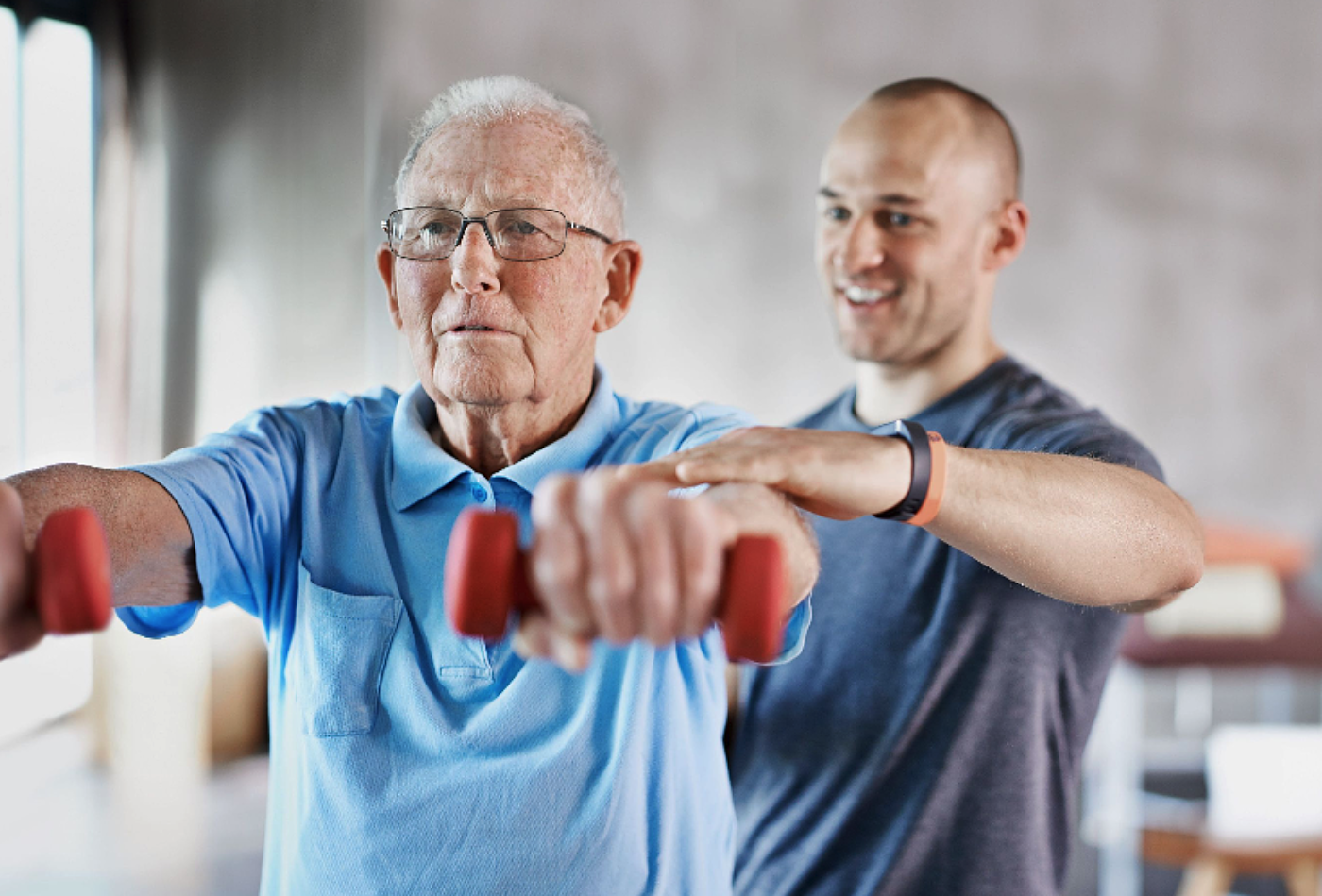
That’s the other part of it, is that people think you can’t reverse this stuff, but in fact, you can reverse frailty. An 80-year-old can start strength training and in their first year, the amount of muscle that they build is phenomenal. It’s not an age-related thing. You can do it at any age. I think only 28 per cent of Australia’s total population are doing progressive muscle resistance training at the recommended level, which is twice a week. And the question in my mind is why.
How do we find pathways to attract people into it? I think that there is a case for public messaging to talk about this. We did it with smoking. We did it with “slip, slop, slap”. Frailty is just as significant. People say, I don't want to go to a nursing home. Well, I'm sorry. Unless you're strong, probably you're going to get there.
[Laughing] No, it was more aimed at raising awareness through media and conversations, an opportunity to talk about what we’re not talking about in the public domain.
If we were to get it right in Australia and instead of 28 per cent working on their strength, make it 88 per cent of people doing the recommended level of strength training, what would the world look like? We wouldn’t have all of this problem with aged care facilities because we wouldn’t need them as much. I know that it sounds outrageous. How could we possibly challenge this idea that we are all going to end up in aged care facilities? The only reason we get there is because we can’t take ourselves to the toilet and we can’t feed ourselves anymore because we don’t have the muscle strength. It’s as basic as that.
Strong Australia offers free memberships just so that we can start building a coalition of people who want to be the community strength behind this push to have strength recognised and talked about. I mean, if people want to be paid members, that would be great too, but I'm not asking the people to put their hands in their pocket. I think the most important thing that we can do is get the word out that we are going to be talking about this ad nauseum. We want the government to join hands with the community and we want a coalition of the willing to say yes, we will put some time and some effort into a national campaign for busting the myths about frailty. I mean, it’s got to start somewhere. I’m a great believer in that idea that from small things, big things grow.
Posted on 14 Oct 2026
Carers Victoria is holding an event this afternoon (October 14) during National Carers Week to…
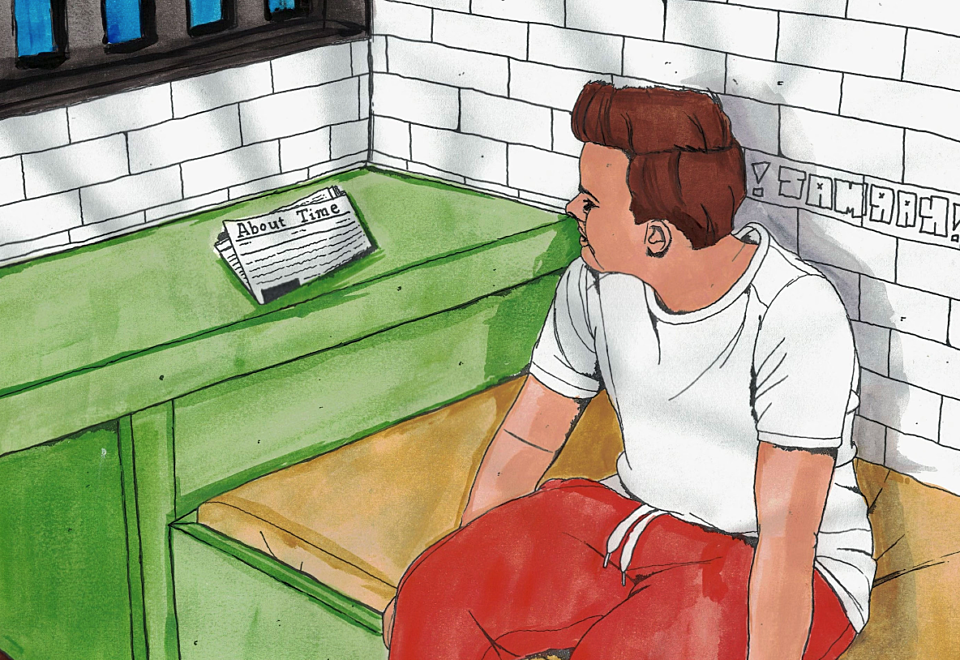
Posted on 07 Oct 2026
Joseph Friedman is co-founder and publisher of About Time, Australia’s only newspaper for…
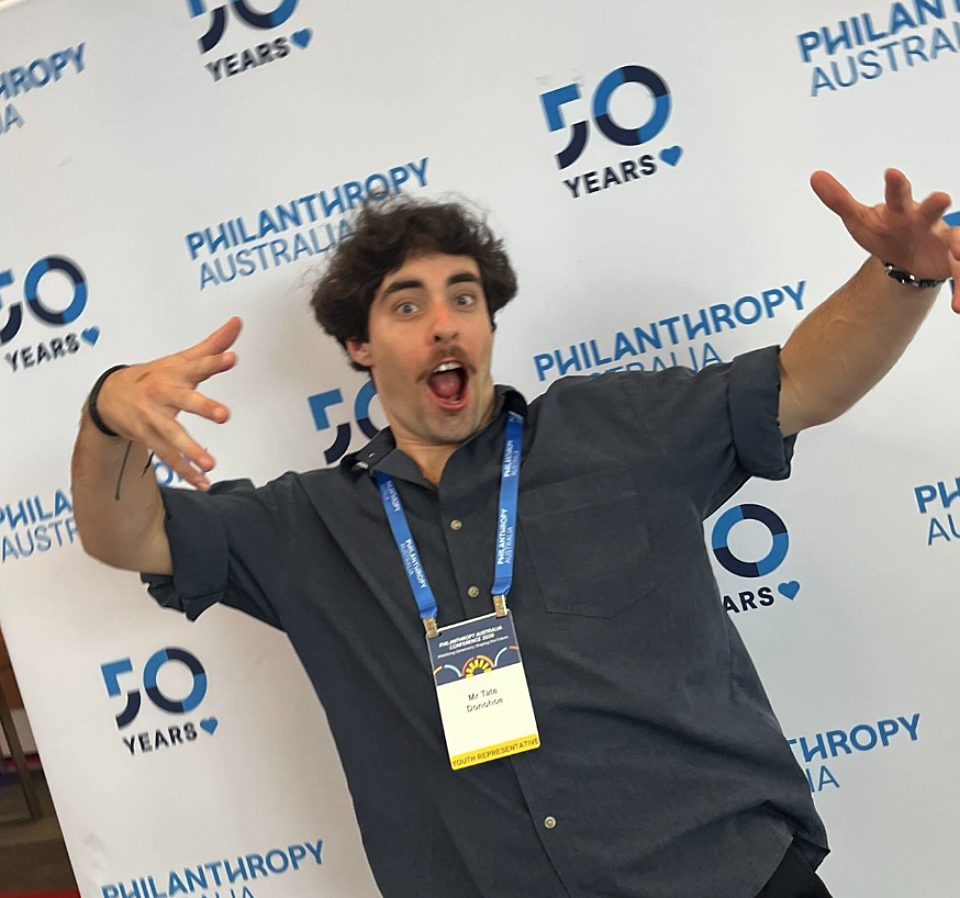
Posted on 30 Sep 2026
At 21 years old, Tate Donohoe is the founder of Ecodia, an AI-assisted software development company…
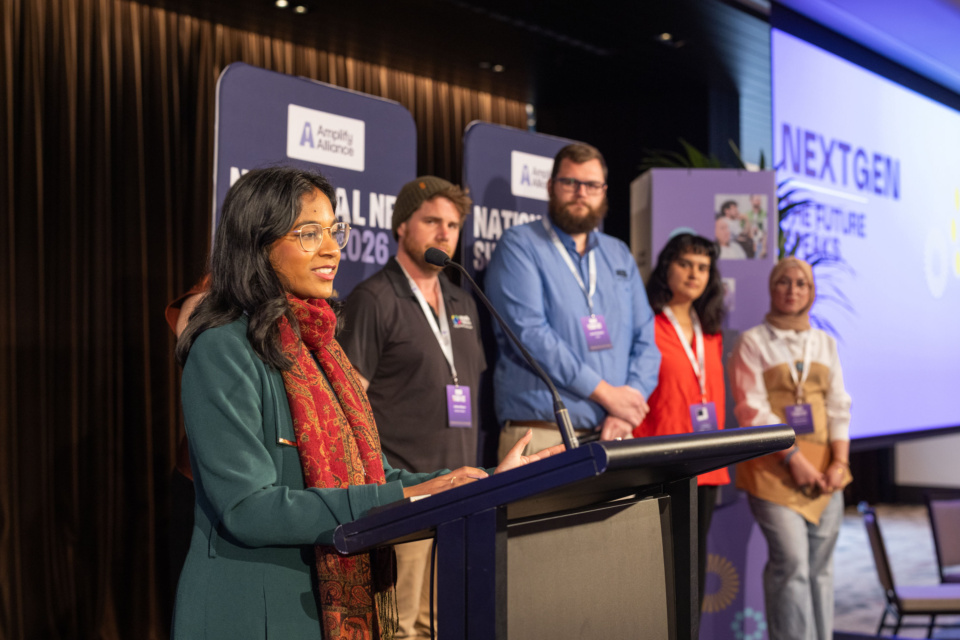
Posted on 02 Sep 2026
At last week’s Amplify Alliance National NFP Summit, Satara Uthayakumaran, 23, brought the voices…
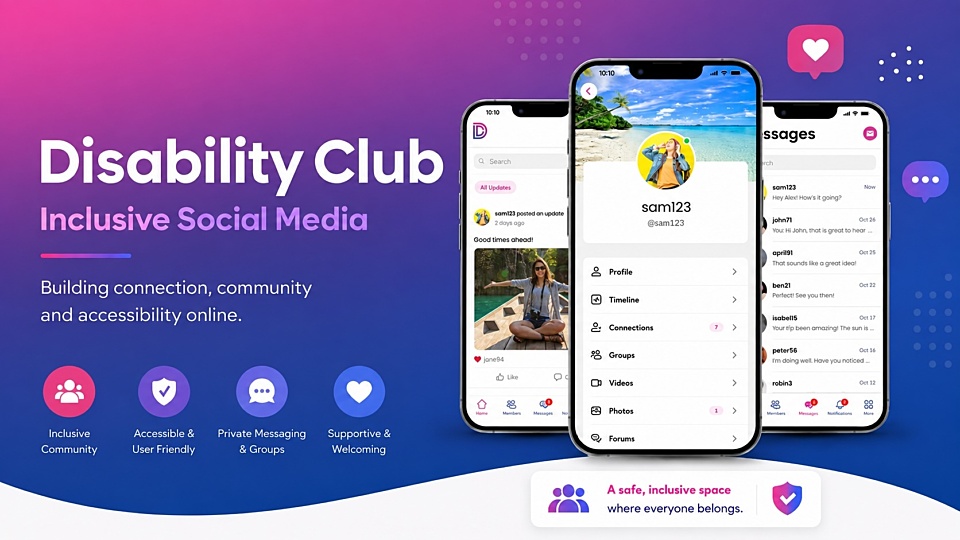
Posted on 26 Aug 2026
Nathan Johnston lives in Bega, NSW, and lives with cerebral palsy. He’s the creator of Disability…
Posted on 08 Jul 2026
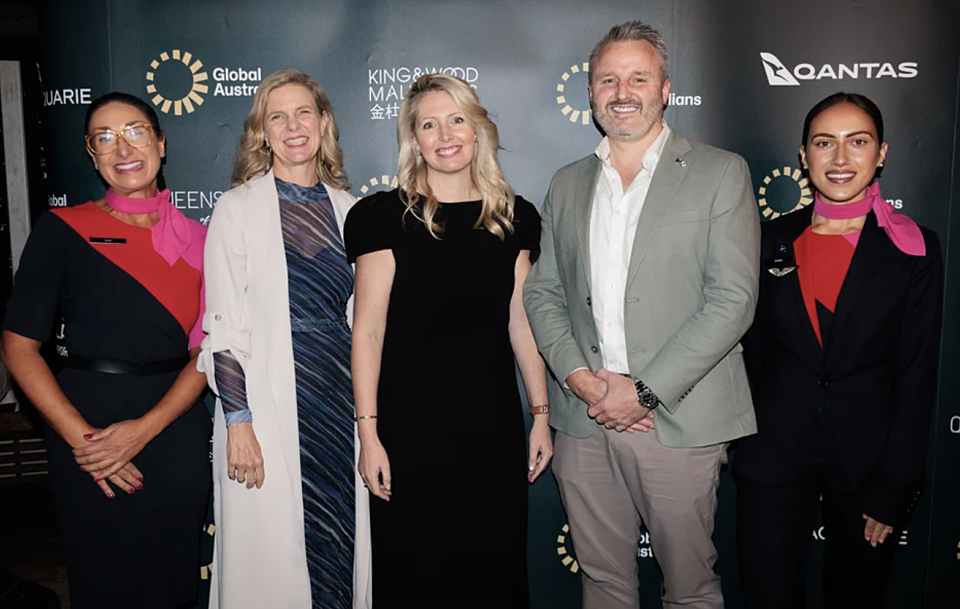
Kate McQuestin is CEO of Global Australians, a not-for-profit aimed at connecting Australians…
Posted on 30 Jun 2026
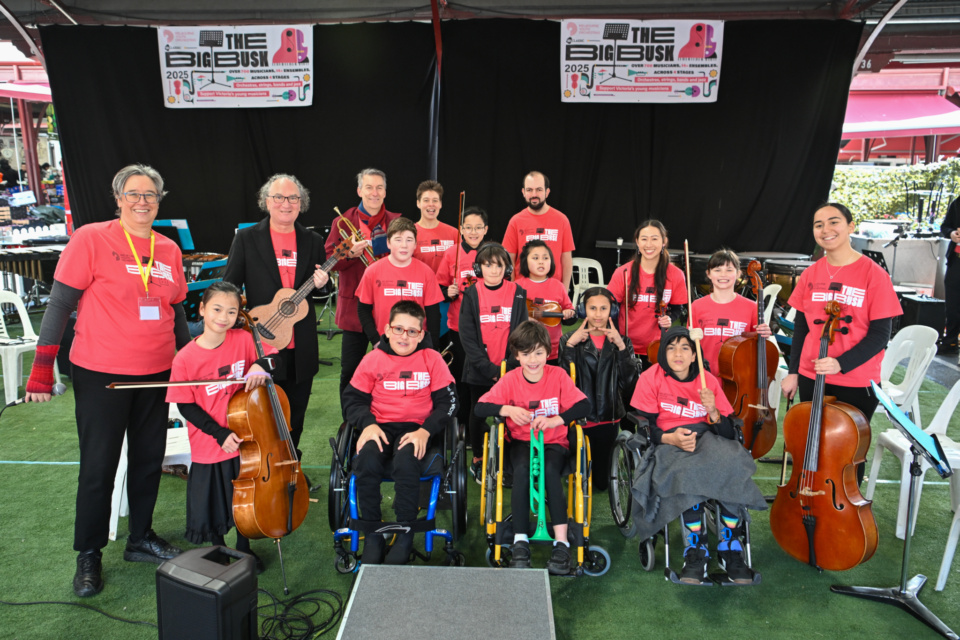
Anthea Skinner is a musicologist, a senior lecturer in disability creative performance at the…

Posted on 24 Jun 2026
Lizzie Mettam manages corporate partnerships for DV Safe Phone, an organisation that provides…
Posted on 17 Jun 2026
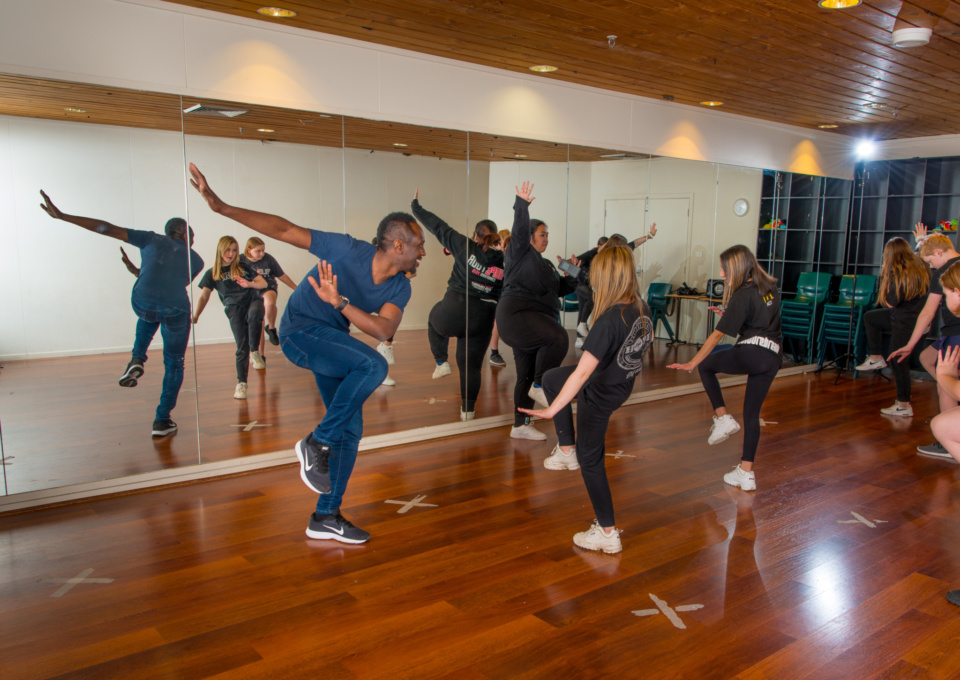
Francis Owusu is the founder of Kulture Break, a charity that helps young people build confidence,…
Posted on 10 Jun 2026
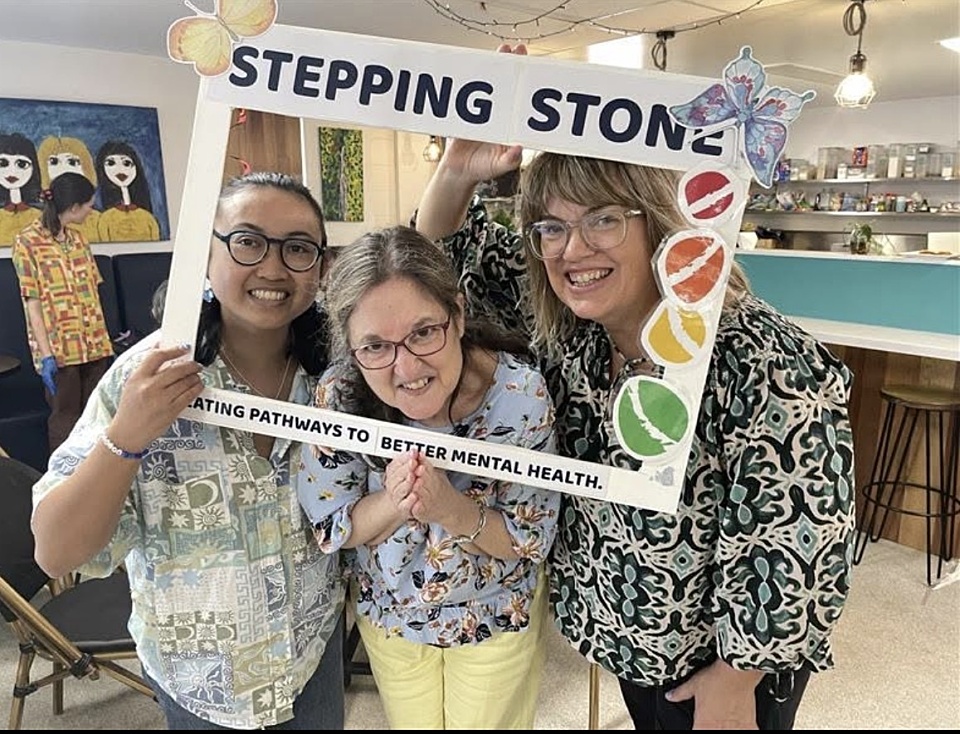
Melanie Sennett is the chief executive officer of Stepping Stone Clubhouse, a Brisbane charity that…
Posted on 03 Jun 2026
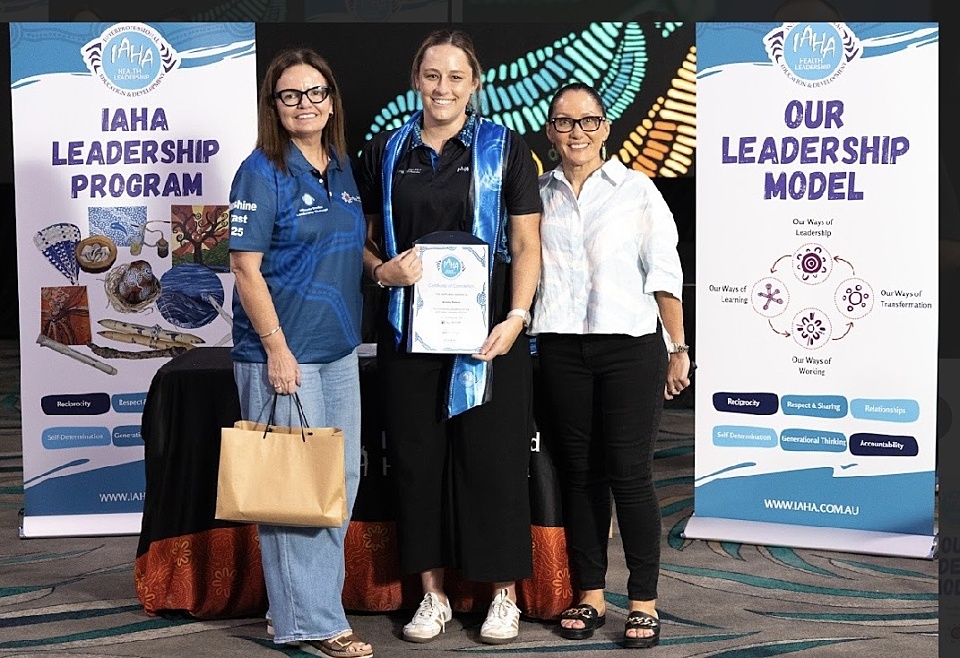
Kristy Petrie is a paediatric physiotherapist and proud Gooreng Gooreng woman who sits on the…
Posted on 27 May 2026
Maria Owen is the CEO of ImpactLab, a New Zealand social enterprise that analyses data for…