
Fence-sitting isn’t going to work if we want better owners corporations
Posted on 21 Oct 2026
The wider not-for-profit sector doesn't pay much attention to owners corporations, but maybe it…
Posted on 04 Nov 2024
By Greg Thom, journalist, Institute of Community Directors Australia

Contentious changes introduced by the Australian Taxation Office (ATO) requiring up to 155,000 not-for-profit organisations to submit self-review returns have cost taxpayers more than $5.4 million.
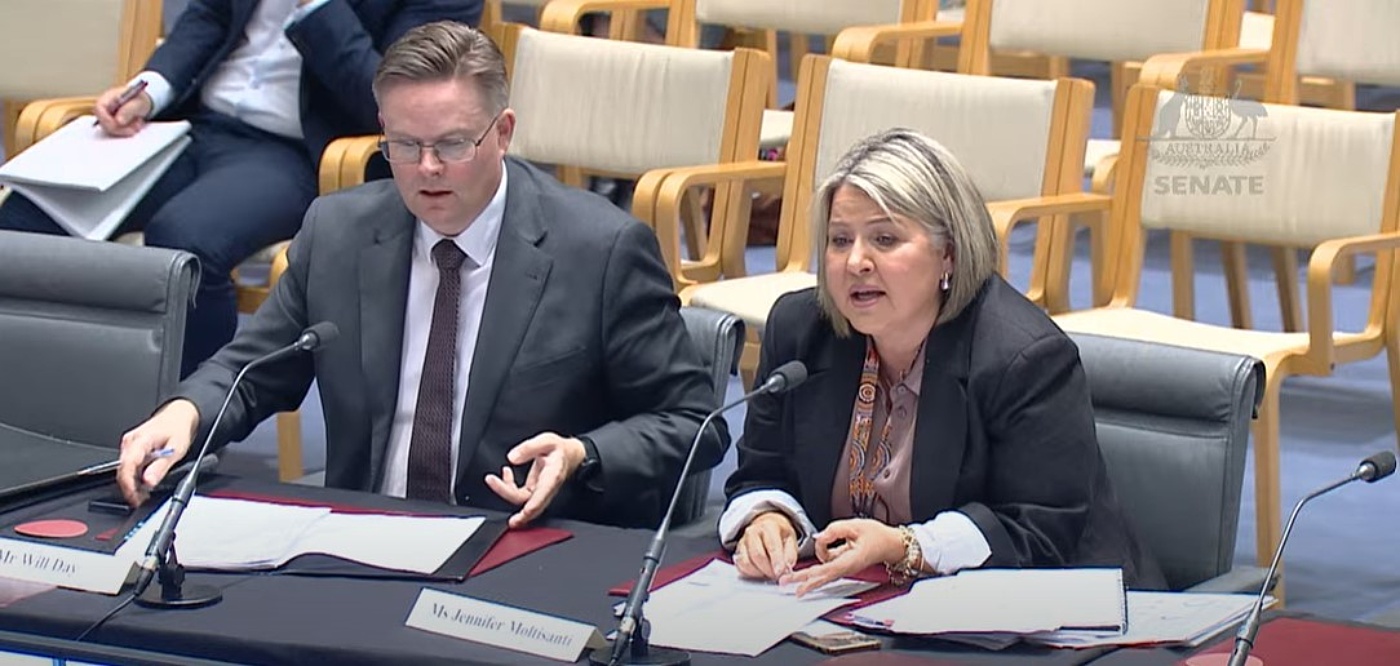
The cost estimate was supplied by the ATO in answer to questions asked by Shadow Charities Minister Senator Dean Smith during a recent public hearing of a Senate inquiry into the implementation of the new rules.
The Senate Economics References Committee heard that as of June 30, $3.9 million was spent on operating costs, including direct mail, and advertising campaigns. Another $1.5 million was allocated to capital spending for IT solutions, including the digital NFP self-review return and the associated self-help phone service.
The news comes as the committee's report into the implementation of the NFP tax changes called on the federal government to consider transferring responsibility for the new self-review process from the ATO to the Australian Charities and Not-for-profits and Commission (ACNC).
The report also recommended:
As part of that final recommendation, the Committee said the ATO should extend the hours of its telephone helpline to better suit volunteers, tax office staff should bring laptops to town hall meetings to address registration issues in "real time," and information packs for NFP treasurers on the ATO website should be updated.
The Senate committee, with Senator Dean Smith as the deputy chair, concluded that the changes to the self-review process have “caused undue stress and confusion among small NFP organisations.”
It noted a “significant discrepancy” between the overwhelmingly positive view of the roll-out presented by the ATO and the negative experiences of many stakeholders in the NFP sector.
The report found much of the confusion around the new self-review requirements could have been prevented through greater consultation and clearer advice.
“The committee commends the ATO for holding advisory sessions with affected stakeholders. However, it is not enough to listen – concerns must also be acted on.”

“It seems everyone looking at this issue except the ATO can clearly see there is a better way to achieve the policy outcome government wants.”
Community Council for Australia CEO David Crosbie welcomed the report's findings, having made a formal submission to the inquiry and participated in the inquiry's public hearing.
“It seems everyone looking at this issue except the ATO can clearly see there is a better way to achieve the policy outcome government wants,” he said.
“Setting a threshold for annual returns makes sense, as does having the ACNC as the responsible agency. Anything else is just going to create a whole lot of work and concern for thousands of small NFPs, while providing no real benefit to government or the community.”
The release of the report follows a fiery public hearing in the Senate in which NFP representatives ranging from Landcare Victoria to the Queensland Law Society, Agricultural Shows Australia and the Australian Multicultural Action Network lined up to disparage the self-review changes.
They outlined complaints including the lack of communication from the ATO, the complexity of the self-review process, the additional impost and stress for small volunteer-run organisations, and the increased costs to NFPs forced to seek expert legal advice, all of which are detailed in the Senate report.
Charities are exempt from the new ATO guidelines introduced in July, which require NFPs with an Australian Business Number (ABN) to lodge an annual self-review return or risk losing their income tax exemption.
The change has sparked a flood of applications from NFPs to be registered as charities with the Australian Charities and Not-for-profits Commission.
The ACNC has hired 20 new staff (co-funded by the ATO) to deal with the extra workload.
In answer to a separate question asked during the public hearing, the regulator confirmed that an additional five existing staff in its registration team had been diverted from other duties to handle the influx of registrations applications.
“The ACNC had planned to extend our broader Charity Register integrity work. Five staff have been pivoted from this work to assist with the increase in registration applications.”
The Senate report said there appeared to be widespread support in the NFP sector for the intent of the proposed changes, which is to increase accountability and transparency.
“However, the committee believes that the new requirements are no longer consistent with the original intent of the policy and are disproportionate to the risk posed by the vast majority of these organisations. Many of the affected groups are small organisations with little annual turnover and no obvious examples of tax avoidance.
“For small groups like these, the cost of compliance with the new returns is greater than the community benefit gained from the information provided.”
However, the report found that larger organisations with annual turnover in the millions of dollars should be accountable for their revenue, and that financial thresholds should be introduced determining which groups should be required to submit a self-review return.
The report blasted the federal government and Treasury for not acting on the sector’s concerns in relation to the ATO changes, despite Charities Minister Andrew Leigh being briefed on the situation in March.
It also criticised the tardiness of the government’s response to an August Senate order, moved by Senator Smith, for it to produce a trove of documents relating to the tax assessment changes.
Despite indicating the material being sourced from the ATO and ACNC would be provided by mid-October, the documents were only tabled in the Senate on November 1 – the same day as the Senate report was tabled. The material was therefore too late to be considered by the committee.
In "additional comments" to the committee's report, Labor committee members, led by Senator Jess Walsh, defended the self-assessment return as an improvement on the former system, where NFPs self-assessed without oversight.
They also advised caution before any decision to hand the process over to the ACNC.
“Government Senators note that any consideration given to changing NFP reporting would need to weigh administrative simplicity for NFPs, the burden to NFPs and agencies of creating another variation in a process now underway and ensuring oversight and transparency in the system,” they said.
ATO urged to redesign NFP self-review changes
Sector vents frustration at ATO tax changes in Senate hearing
Posted on 21 Oct 2026
The wider not-for-profit sector doesn't pay much attention to owners corporations, but maybe it…

Posted on 21 Oct 2026
Backed by tangible successes and government support, community foundations are gaining momentum as…
Posted on 21 Oct 2026
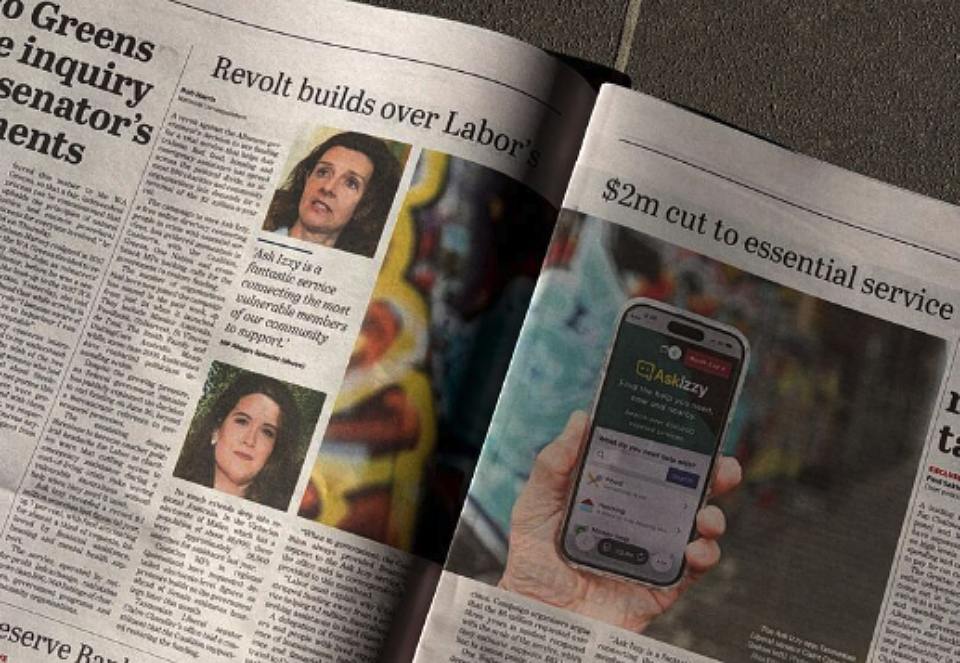
A national campaign to restore federal funding for Ask Izzy has attracted such strong grassroots…
Posted on 21 Oct 2026
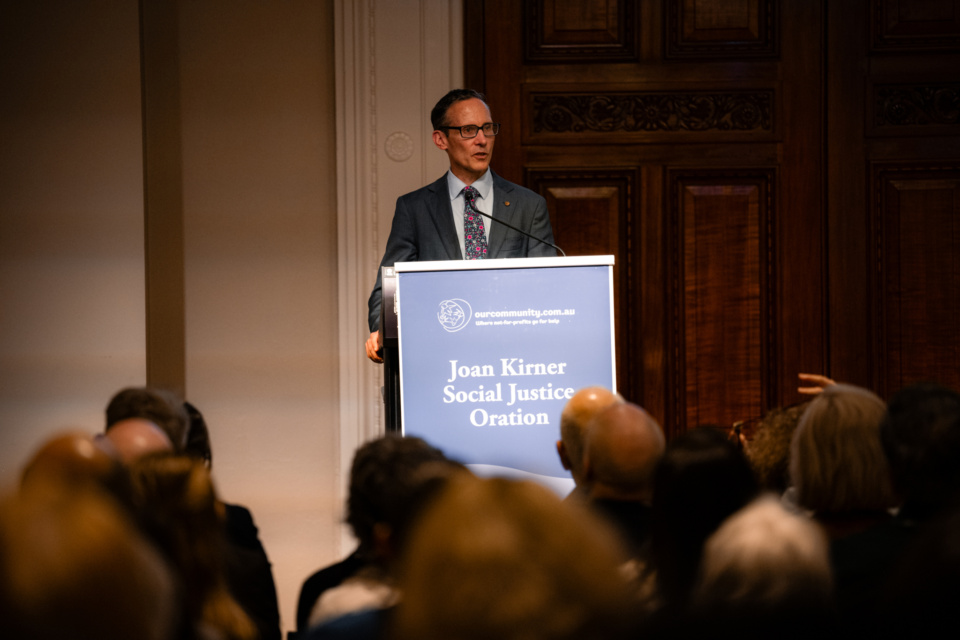
In the wake of an act of violence against federal independent MP Helen Haines, Charities Minister…

Posted on 21 Oct 2026
If your charity takes a stance that happens to align with a political party’s stance in a public…

Posted on 15 Oct 2026
Good cybersecurity must be the foundation of not-for-profits’ efforts to adopt artificial…

Posted on 15 Oct 2026
A few years ago, I sat on a small community board that was still held together by email threads and…

Posted on 15 Oct 2026
“Build a better mousetrap, and the world will beat a path to your door”, the old saw goes.…

Posted on 15 Oct 2026
The nation's digital inclusion advocate is pushing for more equity in the rollout of AI in light of…

Posted on 15 Oct 2026
Not-for-profit leaders should be conducting regular “fire drills” that replicate AI-powered…

Posted on 15 Oct 2026
Boards that leave cybersecurity to the one director with IT expertise are leaving their…

Posted on 15 Oct 2026
Community Directors has a warehouse-style office filled with artworks, and if I glance up towards…