
Philanthropists ask: Can we forge a better future?
Posted on 17 Sep 2026
Australia’s biggest gathering of philanthropists, which drew more than 1200 delegates to Brisbane…
Posted on 18 Sep 2025
By Matthew Schulz, journalist, Institute of Community Directors Australia

An expert from Australia’s National AI Centre (NAIC) believes that purpose can be a “superpower” for not-for-profits wanting to make the most of artificial intelligence.
The NAIC is the federal agency in the Department of Industry, Science and Resources charged with encouraging the safe and responsible use of artificial intelligence. It provides free training, advice and tools.
According to the agency’s national benchmark study published last month, organisations that had used AI for more than four years reported improved customer experience (60%), enhanced employee engagement (56%) and productivity gains (47%).
NAIC’s scale and impact leader, Brett Szmajda, told Community Directors Intelligence at the Infoxchange Technology for Social Justice conference earlier this year that not-for-profits were well placed to collaborate with like-minded organisations to take advantage of AI.
He said groups were more likely to share information, pool resources and work together on projects. Because of this, well-organised smaller organisations could match it with large corporations in the artificial intelligence arena.
“Purpose is your superpower,” Szmajda said.
“You can use that purpose, and that desire to help as many people as possible, to find technology solutions that enable that.
“Can you be working across your sector to share data, to generate good news stories, that then can be used to get greater funding to get greater impact out of your work to help greater numbers of people?”
“Purpose is your superpower."
Brett Szmajda discusses ways that NFPs can make the most of the AI revolution.
Szmajda said good examples of AI use in the sector included the Justice Connect AI assistant, which allows help seekers to articulate legal dilemmas in “natural language” and connects them to appropriate help.
And he praised the work of Kindship, the social enterprise that produced Barb”, an AI-powered app to guides users through the complex National Disability Insurance Scheme (NDIS), a project supported by an NAIC “AI sprint”.
“Both of these are really good examples of making sure that we're putting the human at the heart, making sure that we're really using the technology to leverage and enhance the opportunities available.”
Addressing conference delegates during a panel discussion about the role of tech in the sector, he acknowledged that many NFPs were already using AI without have done their due diligence, simply to get their work done.
He cited a recent Infoxchange study that showed that while 76 per cent of NFPs were “gobbling up and using … AI like crazy”, just 11 per cent had policies, procedures and governance systems to manage the new tech.
“From what we are seeing at the National AI Centre, there's a willingness, a hunger to adopt these things because of course all the not-for-profit, for-purpose and charity sector are operating on duct tape and string, and they're looking to do anything that they can do to be as efficient as possible, but their organisations don't have the ability, don't have the competency, competency to help them with the structures, the tools, the resources they need.
“The goal of the National AI Centre is to help organisations around Australia to uplift their AI competency and maturity across Australia,” he said.
The NAIC’s means of doing this include providing supporting tools, such as the voluntary AI standard.
The current standard lists 10 “guardrails” to provide protections in the areas of
It is understood the NAIC is in the process of simplifying the standard and is set to make further announcements soon, possibly during AI month, which starts in mid-October.
Szmajda said the organisation was developing toolkits and other guidance tied to specific tasks, such as procurement and working with third-party vendors.
He said while there were legitimate concerns among sector advocates such as ACOSS about the replacment of “entry-level jobs” with AI, “a greater capacity to help people with an army of digital workers [is] actually a huge opportunity”.
He stressed that AI was a tool, and that it needed to have “humans be at the centre of all these conversations”.
National Artificial Intelligence Centre’s AI standards, free courses, resources, and directory
The NAIC also hosts an AI impact tracker, free webinars and courses, a directory of AI users, self-assessment tools, and a benchmark for responsible AI adoption across Australia.
Posted on 17 Sep 2026
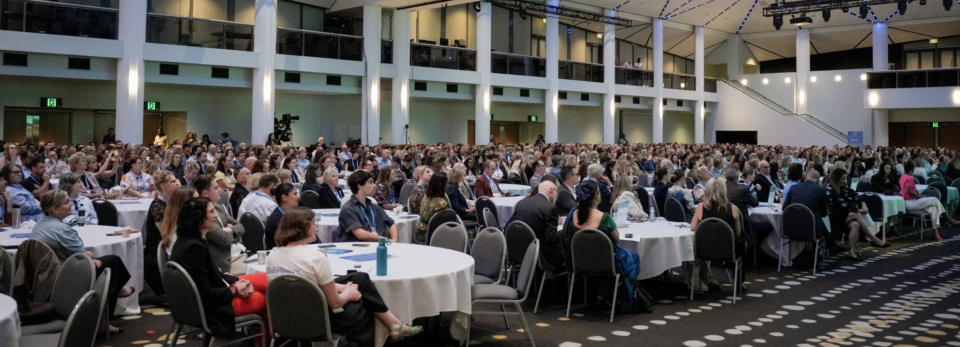
Australia’s biggest gathering of philanthropists, which drew more than 1200 delegates to Brisbane…
Posted on 17 Sep 2026
Experts in Australian philanthropy say there are stark differences between philanthropic money and…

Posted on 17 Sep 2026
One of Australia’s foremost fundraising observers says Australian not-for-profits must get the…
Posted on 17 Sep 2026
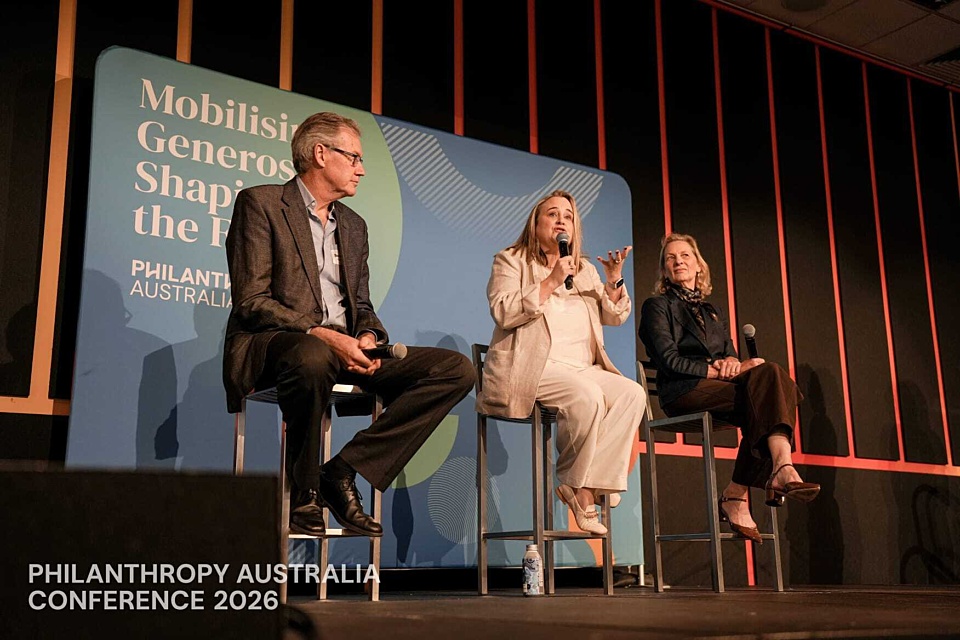
As direct giving dries up, charities face growing dependence on big donors and negotiating the…

Posted on 17 Sep 2026
Charities reported $14.8 billion in donations and bequests last financial year, the second-highest…

Posted on 17 Sep 2026
My father often googles my name, and as a result, years ago, I received a surprising gift in the…

Posted on 17 Sep 2026
Where Evelyn Mugisha grew up in rural Uganda, the subjects and careers considered suitable for…
Posted on 09 Sep 2026
A global gathering of philanthropists in Brisbane this week is aiming to tackle society’s biggest…
Posted on 09 Sep 2026
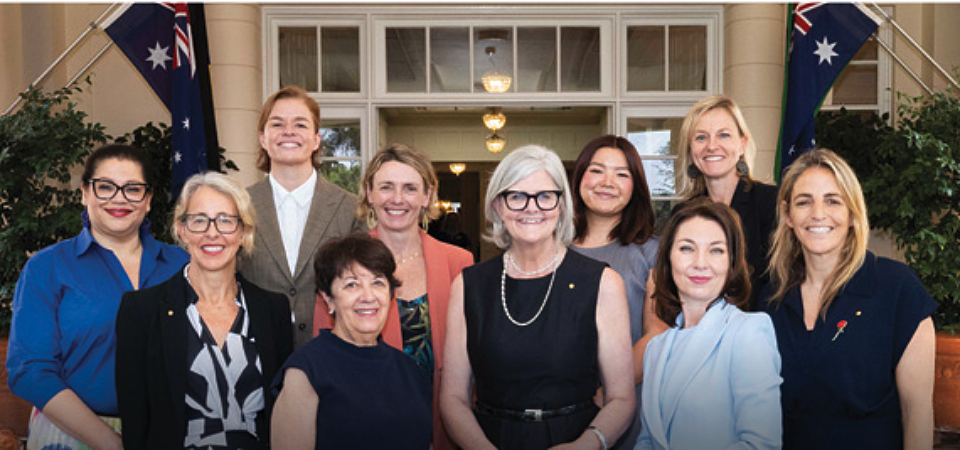
Media attention about women's philanthropy has more than doubled in three years, according to new…
Posted on 26 Aug 2026
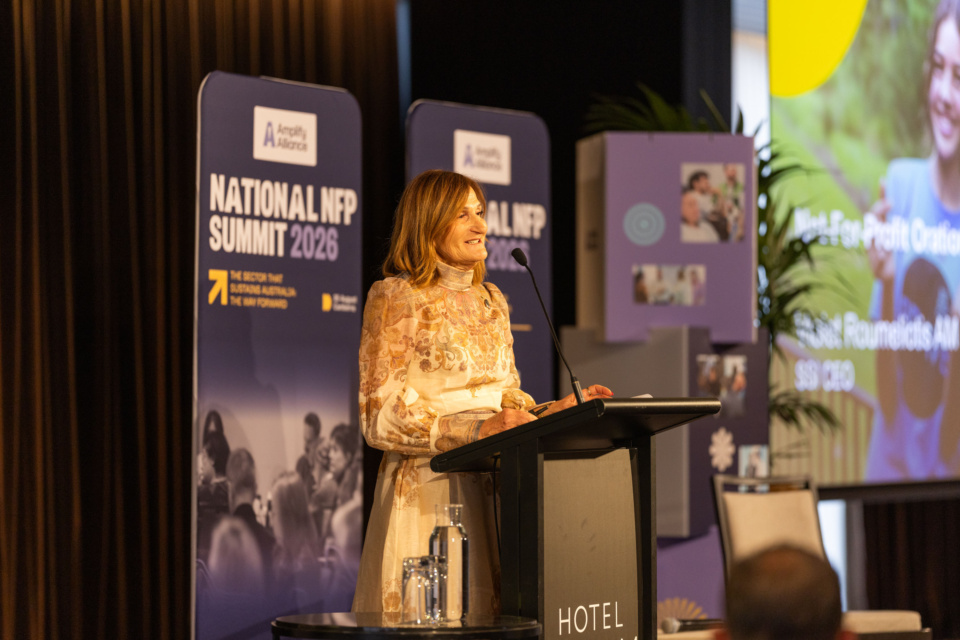
Sector leader Violet Roumeliotis has called on funders to stop treating not-for-profit…

Posted on 13 Aug 2026
As a teenager, I attended summer camp for seven years, first spending two weeks at a time camping…

Posted on 13 Aug 2026
Not-for-profits are full of people with great ideas, but that doesn’t mean they are set up for…