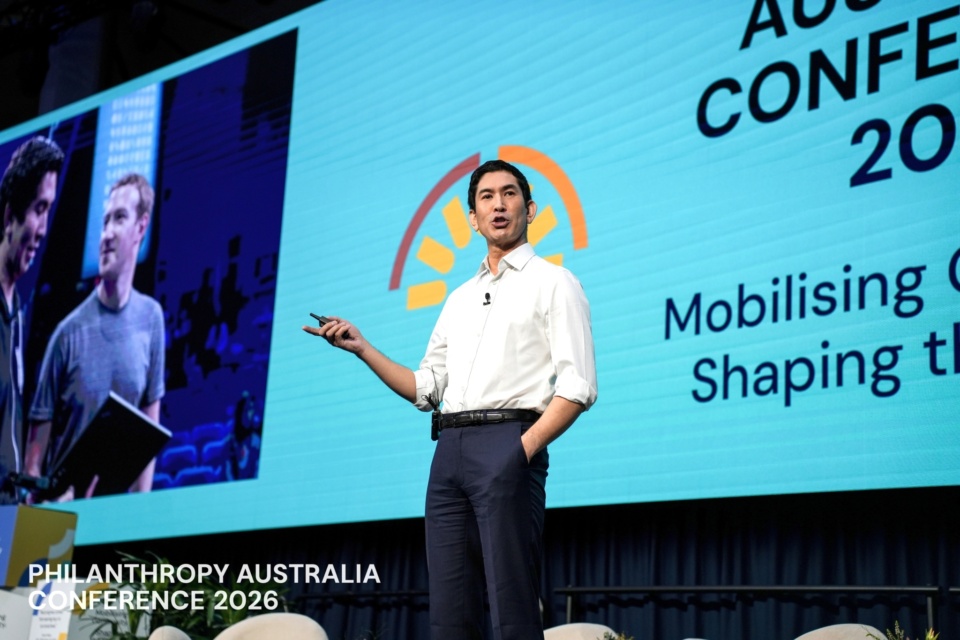
Philanthropists ask: Can we forge a better future?
Posted on 17 Sep 2026
Australia’s biggest gathering of philanthropists, which drew more than 1200 delegates to Brisbane…
Posted on 18 Sep 2025
By Matthew Schulz, journalist, Institute of Community Directors Australia

Australian charities risk being cut out of vital relationships with their beneficiaries and donors as artificial intelligence (AI) changes how people search for information online, digital expert Zoe Amar has warned.
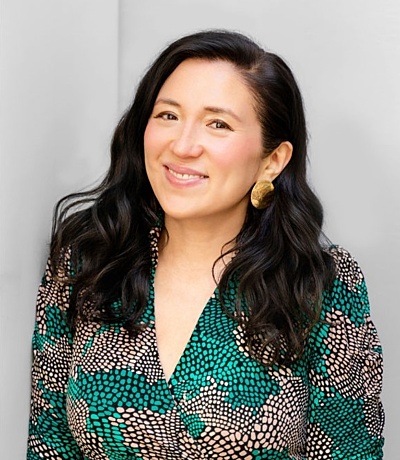
Amar, the founder of UK-based consultancy Zoe Amar Digital, says the sector must urgently adapt to the rise of “disintermediation”, in which AI tools and search summaries act as go-betweens for people seeking information.
The trend can effectively leave charities invisible to those searching for them online.
“Disintermediation is when AI changes how the people who charities support … receive advice and …[changes how they] seek it,” she said.
“For example, this could [involve] someone diagnosed with a mental health condition who relies on advice from an AI summary on Google, rather than clicking through to a charity website. It could also mean that person seeking advice directly from AI tools such as ChatGPT or Gemini about how to support their mental health.
“All of this means that, for many charities, less people are clicking through to their websites and getting the support they need at the right time. And it’s not just people who need support who are affected. This change means that it’s a lot harder to get people over to your website to donate.”
Amar said that recent studies suggested that just one in 10 people click on website links after reading an AI-generated summary, posing a direct threat to traffic, donations and trust.
“Charities’ decades of expertise risk being diluted or misrepresented by systems that might pull from unreliable sources. The fundamental threat is to trust in our sector.”

To respond, she says, NFPs must go back to basics. “Talk to the people you need to reach. You need to find out what people are asking for and how they’re asking it.
“Charities need to map the real queries their audiences use, not just what they assume people should be searching for. Solid user research is the answer.”
Amar recommends charities:
The risks, she warns, go beyond falling visitor numbers.
“When people get information from AI summaries instead of visiting your website directly, you lose control over your messaging and miss out on valuable first-party data about your audience.
“Charities’ decades of expertise risk being diluted or misrepresented by systems that might pull from unreliable sources. The fundamental threat is to trust in our sector.”
She argues NFPs must diversify their online presence, integrate search engine optimisation (SEO) with social media strategies, and “build relationships that don’t depend on search algorithms”.
“This sounds daunting but it's about creativity, diversification and understanding your audience – all things that charities are good at,” Amar said.
Amar said disintermediation was a symptom of a structural shift in the digital economy, and charities and NFPs needed to adapt.
“We've seen a lot of changes to the digital ecosystem over the last few years, but this is the most disruptive one yet. The ecosystem has fundamentally shifted, and strategies that worked even two years ago may not be effective today.”
She said this meant charities should:
“The goal isn't to fight the technology, but to ensure your vital work remains accessible to those who need it most,” she said.
Community Directors Intelligence: The AI edition
UK Charity Digital Skills report | ‘AI essentials’ video resources
Community Directors artificial intelligence tools and resources
Infoxchange Asia-Pacific AI nonprofit learning community
National Artificial Intelligence Centre’s AI standards, free courses, resources, and directory
Posted on 17 Sep 2026
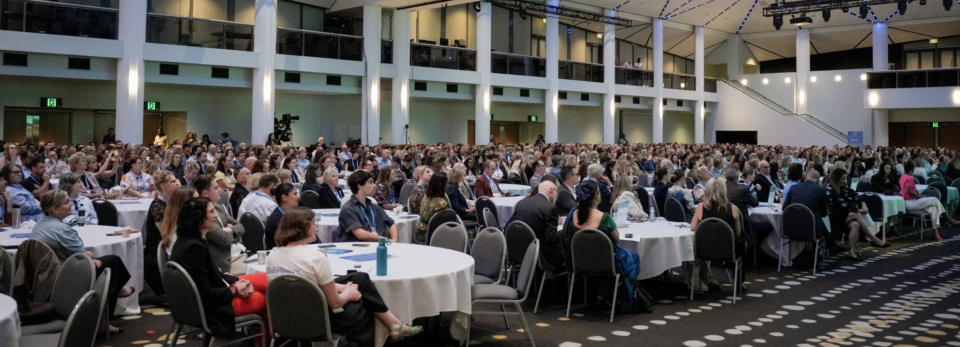
Australia’s biggest gathering of philanthropists, which drew more than 1200 delegates to Brisbane…
Posted on 17 Sep 2026
Experts in Australian philanthropy say there are stark differences between philanthropic money and…

Posted on 17 Sep 2026
One of Australia’s foremost fundraising observers says Australian not-for-profits must get the…
Posted on 17 Sep 2026
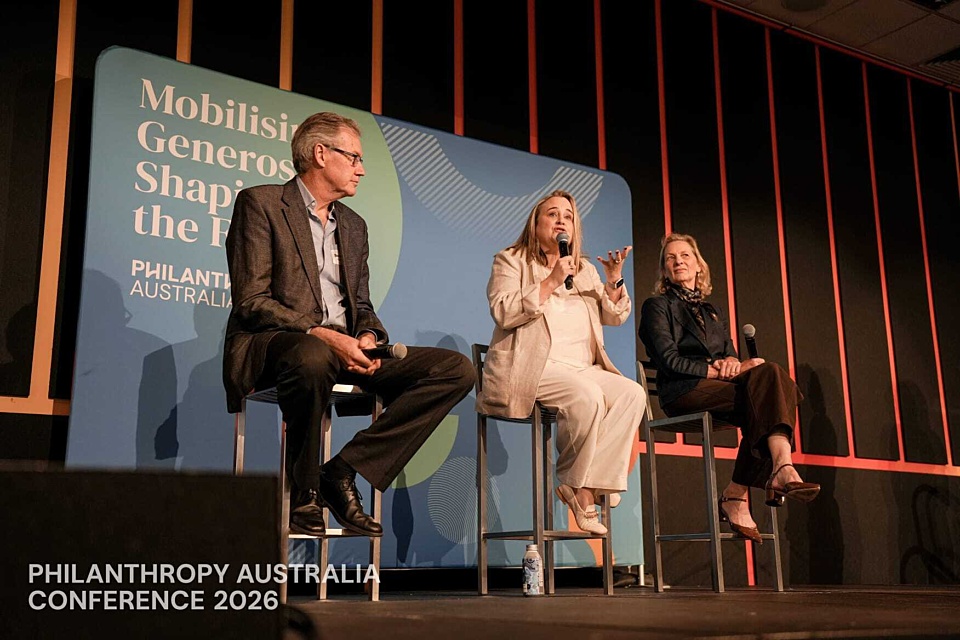
As direct giving dries up, charities face growing dependence on big donors and negotiating the…

Posted on 17 Sep 2026
Charities reported $14.8 billion in donations and bequests last financial year, the second-highest…

Posted on 17 Sep 2026
My father often googles my name, and as a result, years ago, I received a surprising gift in the…
Posted on 17 Sep 2026
Where Evelyn Mugisha grew up in rural Uganda, the subjects and careers considered suitable for…
Posted on 09 Sep 2026
A global gathering of philanthropists in Brisbane this week is aiming to tackle society’s biggest…
Posted on 09 Sep 2026
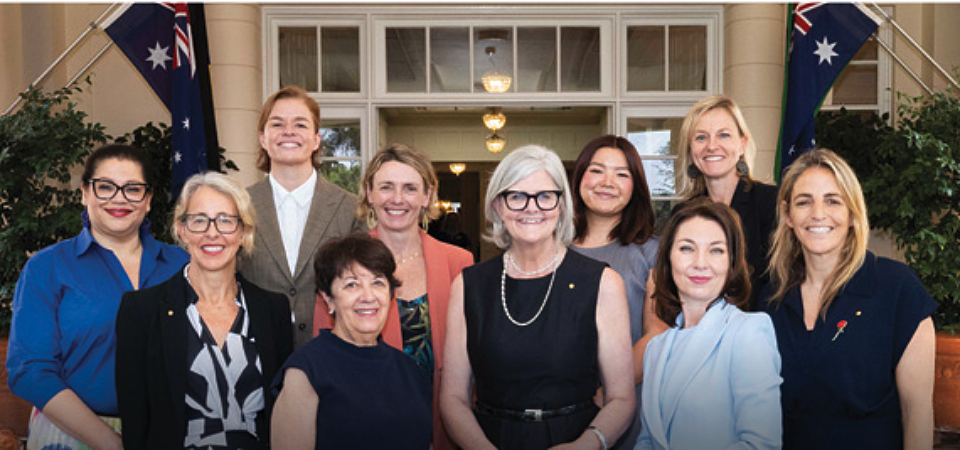
Media attention about women's philanthropy has more than doubled in three years, according to new…
Posted on 26 Aug 2026
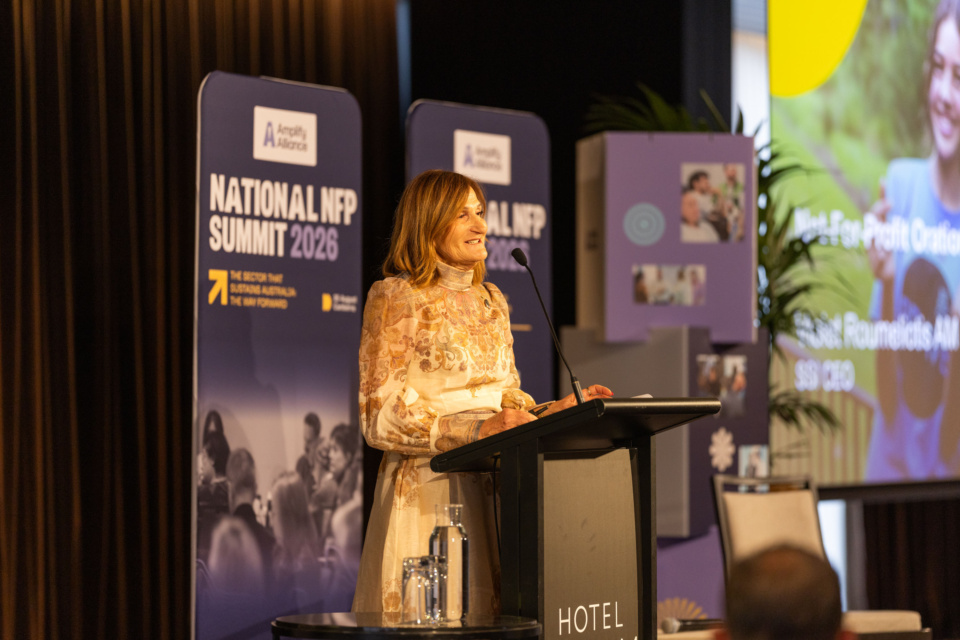
Sector leader Violet Roumeliotis has called on funders to stop treating not-for-profit…
Posted on 13 Aug 2026
As a teenager, I attended summer camp for seven years, first spending two weeks at a time camping…
Posted on 13 Aug 2026
Not-for-profits are full of people with great ideas, but that doesn’t mean they are set up for…