Why winning philanthropic support is complicated
Posted on 17 Sep 2026
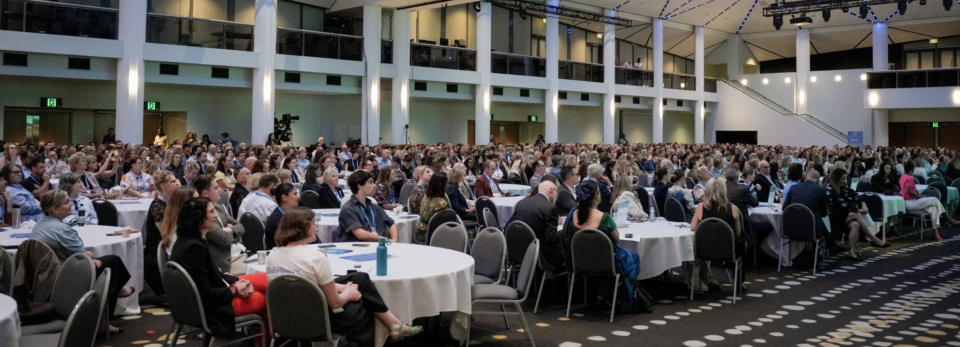
Experts in Australian philanthropy say there are stark differences between philanthropic money and…
Posted on 11 Nov 2025
By Richard Denniss
Progressive economic Richard Denniss believes the constant hunt by governments for the political “centre” risks dodging action on climate change, tax reform and a better welfare system in this exclusive extract from his new book, Dead Centre: How political pragmatism is killing us.
“A bad map is worse than no map at all for it engendered in the traveler a false confidence and might easily cause him to set aside these instincts which would otherwise guide him if he would but place himself in their care.” Cormac McCarthy — The Crossing
Like an old street directory, the left/right/ centre map of Australian politics is dated, disorienting and dangerously incomplete. Just as suburbs now sit where farms were just 30 years ago, the traditional map of Australian politics is more likely to cause confusion than clarity, especially for the 12.5 million people who have moved to Australia or turned 18 since John Howard beat Paul Keating in 1996. Our country, and the issues it faces, have changed radically since then, but the map those who analyse our politics most commonly use still harks back to a Hawke-Keating era that few voting Australians experienced and even fewer care about.
The belief that there are clear lines between left- and right-wing people and issues is built into the way most commentators describe Australia’s democracy. We talk about a pendulum swinging between left and right. We make one third of the votes cast disappear by converting them into an artificial two-party preferred vote. And the ABC insists on presenting just two sides of arguments even when there are three or four. Indeed, when it comes to climate science the ABC insists on presenting two sides when there is only one.
Of course, there are times when the idea of left and right provides a powerful, if limited, lens through which to understand Australian policy and political debates. But the idea that it is left wing to oppose public funding of nuclear power and right wing to provide free gas to foreign gas companies has no basis in philosophy, history, economics or anything else.
Unsurprisingly, the left/right/centre frame- work is at its most useful when examining issues that led to the formation of Australia’s political parties in the first place; worker rights, the taxation of capital and the provision of services to citizens all lend themselves to analysis along a left/right spectrum.
While the term “left wing” originally described those Republican members of the French National Assembly who sat on the left of the chamber, while supporters of the monarchy sat on the right, in Australia the term has generally been applied to parties supporting the rights of workers to strike for better pay, greater reliance on the collection of taxes on capital, and greater public expenditure on essential services. “Centrism” is the idea that neither left nor right ideologies are correct and that aiming for a middle road is the best option. But as this essay shows, there simply is no centrist option in many of the most critical debates in contemporary Australian politics. Likewise, this essay argues that the search for centrist compromise can be weaponised by those hoping to keep things just as they are.
Historically, the binary of the left/right spectrum played an important part in Australian politics. In 1891 the Labor Electoral League in New South Wales became the first Labor party elected to a parliament in the world.
In response, Menzies formed the Liberal Party out of grab-bag group of non-Labor parties containing adherents of protectionism, free trade and the prevailing Keynesian way of thinking. The Liberal Party really was a broad church back then.
"By obsessing over centrism and using an outdated map, we stifle discussion of many of the biggest questions our democracy needs to address, and we ignore a wide range of possible solutions."
As a result of that history there have been two sides in Australian parliaments for a long time. But Australia’s long tradition of having two major parties, defined largely in opposition to each other, does not mean there is an inherent logic behind which party happens to support an individual’s right to have an abortion, marry the adult of their choosing, or the right to have access to fresh air or clean water.1 The consequence of this is that if there is no clear division of con- temporary issues on the left/right spectrum then there simply is no meaningful centre.
Bad maps don’t just disorient, they define the territory in ways that conceal rather than reveal. They keep us looking down at old debates rather than looking up to observe what is really going on around us. By obsessing over centrism and using an outdated map, we stifle discussion of many of the biggest questions our democracy needs to address, and we ignore a wide range of possible solutions.
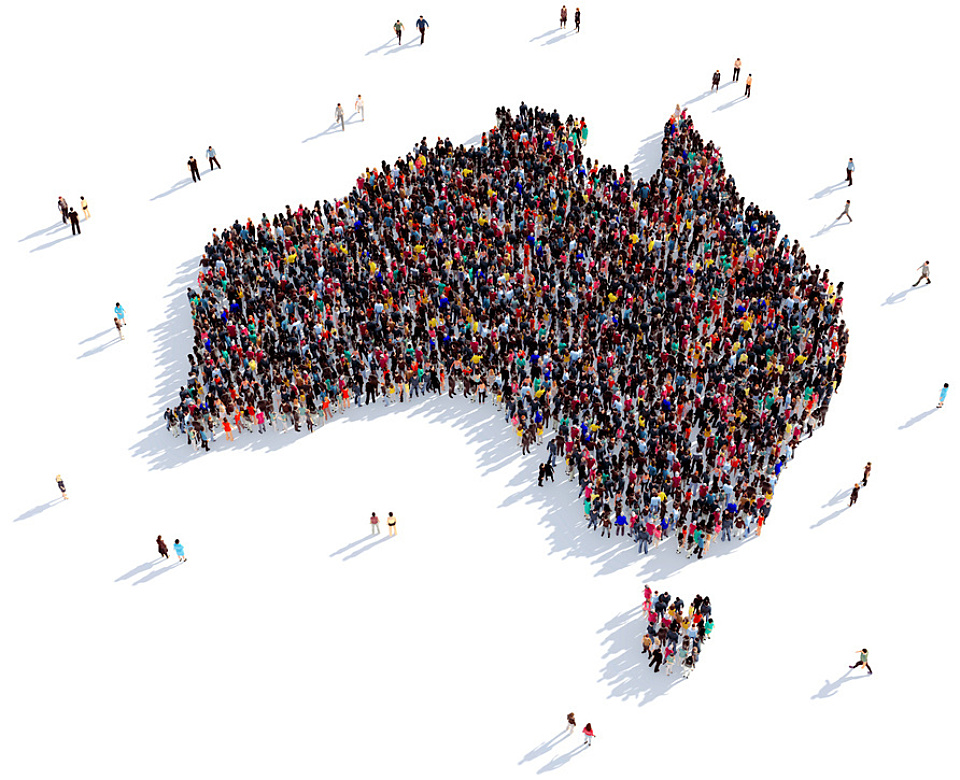
Australia is one of the richest countries in the world and, even after adjusting for inflation, our annual GDP has grown by 253 per cent since Bob Hawke was elected in 1983.
Yet we regularly hear that we still can’t afford to have the nice things we once took for granted.
In the 1930s, in the midst of the Depression, Australian govern- ments were building beautiful ocean baths that we swim in today, for free! But somehow the sen- sible centre has convinced us that the only way we can afford a nice pool today is for governments to go into a public–private consortium with an investment bank and a superannuation fund and, obviously, charge a fee to swim in it so that the super fund can generate 10 per cent returns for- ever more. Neoliberalism’s best trick was to make the residents of a rich country feel poor.
Why don’t we feel rich when the world price of our energy exports soar?
Why do we have to be one of the lowest tax countries in the developed world?
To ask such questions is to place yourself outside of the sensible centre of Australian public debate. But anyone with access to the internet can see that other sensible countries have made radically different decisions from our own, and as a result, other countries have radically different societies to ours, often with free childcare, no private school fees and no private health insurance.
Imagine if we didn’t give more than half the gas we export away for free and chose to provide free childcare and free healthcare as a solution to a “cost of living crisis”.
While other countries do exactly that, in Australia it is impolite, simplistic or even naïve to point out that Norway heavily taxes their fossil fuel industry and gives their kids free higher education while in Australia we subsidise our fossil fuel industry and charge our kids a fortune to go to university.
Some have argued that it is easy for Norway to tax their fossil fuel industry because there is bipartisan support for doing so!
Taken from Dr Denniss's essay Dead Centre: How political pragmatism is killing us, published by the Australia Institute Press.
Dr Denniss is the co-CEO of The Australia Institute, and has experience in academia, federal politics and think-tanks. He is a past economics lecturer at the University of Newcastle and is a former Associate Professor in the Crawford School of Public Policy at ANU. He has written several books including: Econobabble, Curing Affluenza and Dead Right: How Neoliberalism Ate Itself and What Comes Next?
Posted on 17 Sep 2026
Experts in Australian philanthropy say there are stark differences between philanthropic money and…

Posted on 17 Sep 2026
Australia’s biggest gathering of philanthropists, which drew more than 1200 delegates to Brisbane…

Posted on 17 Sep 2026
One of Australia’s foremost fundraising observers says Australian not-for-profits must get the…
Posted on 17 Sep 2026
My father often googles my name, and as a result, years ago, I received a surprising gift in the…

Posted on 17 Sep 2026
Charities reported $14.8 billion in donations and bequests last financial year, the second-highest…
Posted on 17 Sep 2026
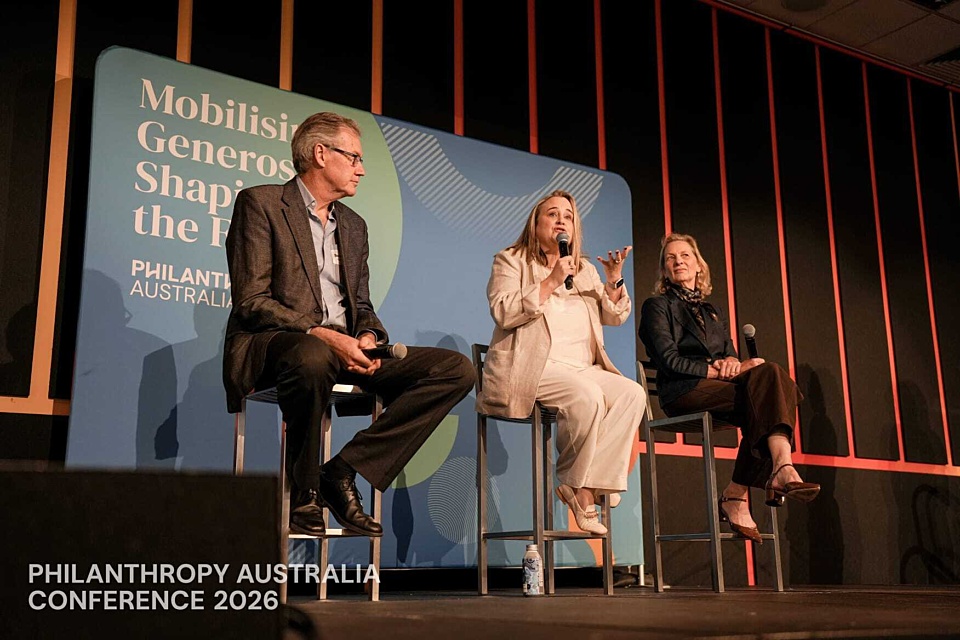
As direct giving dries up, charities face growing dependence on big donors and negotiating the…
Posted on 17 Sep 2026
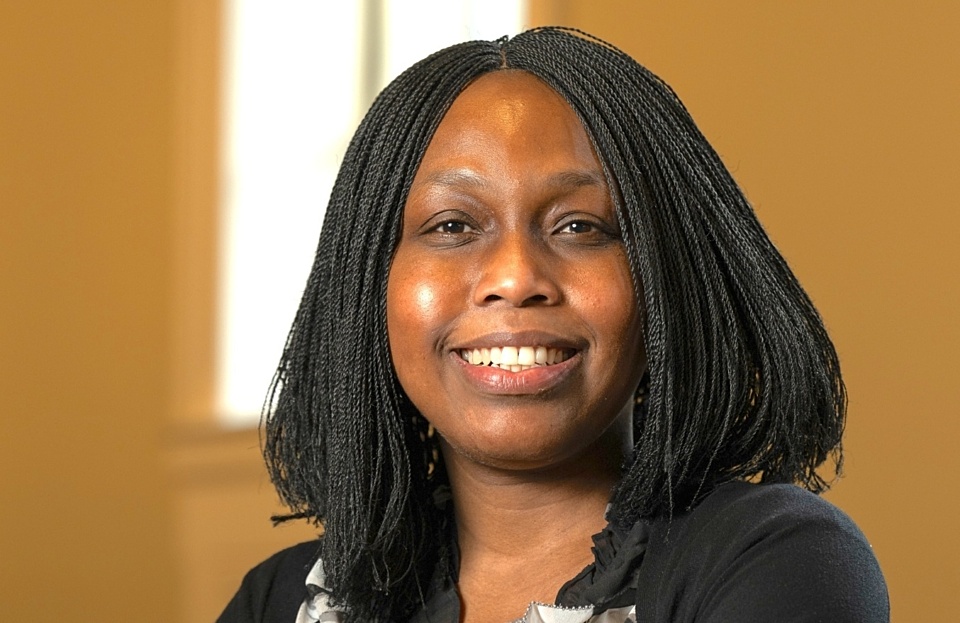
Where Evelyn Mugisha grew up in rural Uganda, the subjects and careers considered suitable for…
Posted on 09 Sep 2026
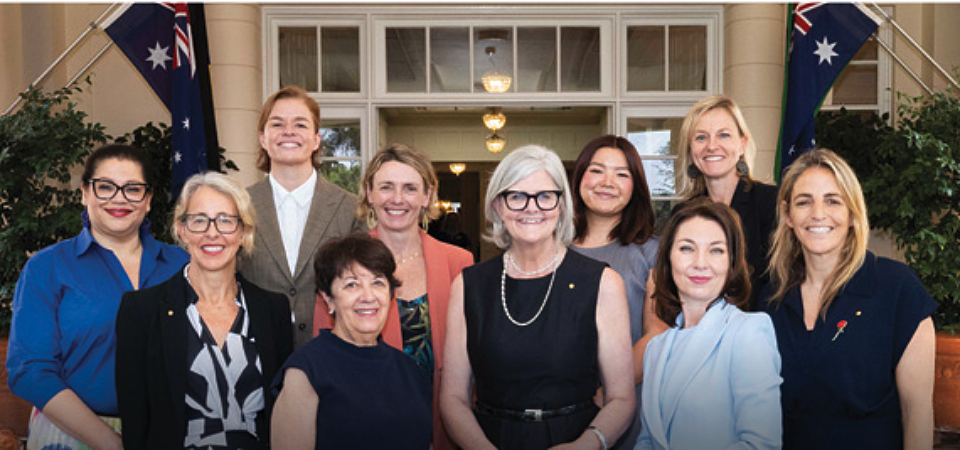
Media attention about women's philanthropy has more than doubled in three years, according to new…
Posted on 09 Sep 2026
A global gathering of philanthropists in Brisbane this week is aiming to tackle society’s biggest…
Posted on 26 Aug 2026
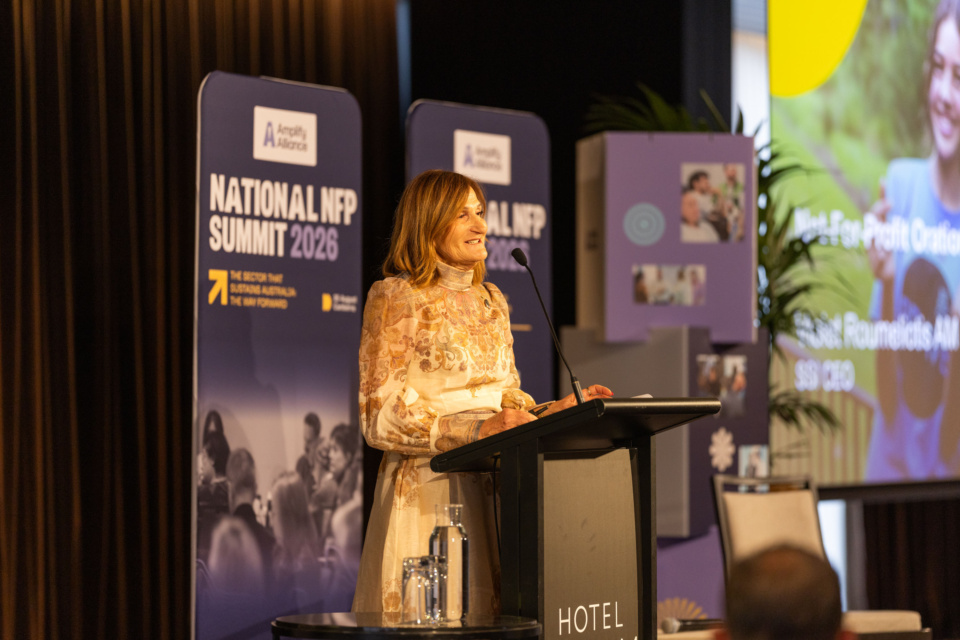
Sector leader Violet Roumeliotis has called on funders to stop treating not-for-profit…

Posted on 13 Aug 2026
Innovation isn't just a buzzword, and it isn't just about technology. It’s a necessary part of…

Posted on 13 Aug 2026
Most new purpose-driven projects falter in the early phase because there’s no one assigned to the…