
NFP tech experts urge orgs to scale up cybersafety
Posted on 15 Oct 2026
Good cybersecurity must be the foundation of not-for-profits’ efforts to adopt artificial…
Posted on 23 Apr 2025
By Greg Thom, journalist, Institute of Community Directors Australia

A harder edged Australia appears to have embraced the idea of locking up more of its citizens and is less generous when it comes to charitable giving and volunteering, according to a landmark new report assessing the nations values.
Australia We Want 2025 also draws back the curtain on an apparently meaner nation less willing to support poor countries around the world.
The comprehensive study led by the Community Council for Australia and funded by the AMP Foundation, measured Australia’s performance against an agreed set of core values the nation should aspire to.
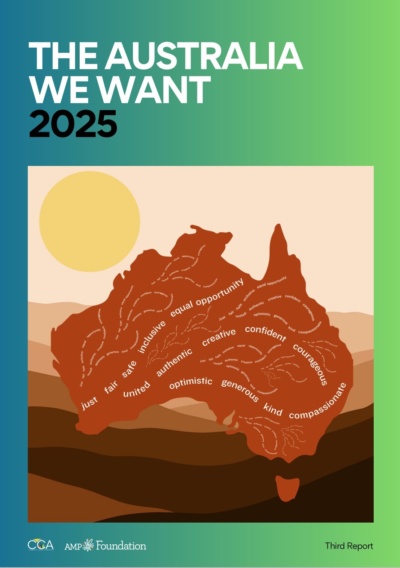
The four key indicators were agreed to in 2015 by a group of 60 charity and not-for-profit sector leaders who were asked to consider and discuss ways in which they might describe the core values of the “Australia we want.”
The latest report is the third in the series and follows earlier iterations published in 2016 and 2019.
Since the publication of the 2019 report, Australia has endured the Black Summer bushfires, the covid pandemic, the failed referendum on a First Nations Voice to Parliament, and the ongoing cost-of-living crisis.
While some measures, notably educational attainment and employment access, are tracking in the right direction, Australia’s overall performance was rated significantly lower than in the previous report.
The latest report found:
Australia's overall score on core values assessed fell from minus one in the 2019 report to minus three.
“The findings in this report matter. They shape the kinds of communities we live in,” the report found.
“What we do to change our performance as a country is up to us. The good thing about all these findings is that they reflect outcomes we can change, if we have the collective will to do so. Together, we can achieve the kind of Australia we want to live in.”
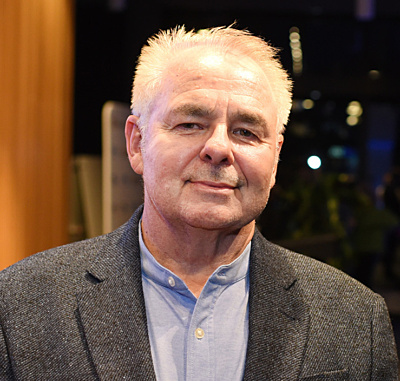
Community Council for Australia CEO David Crosbie said the study represented an ongoing journey to a stronger and more resilient Australia, but one that must be imagined, planned for, enacted and monitored.
“During this election campaign you could be forgiven for thinking Australia is nothing more than an economy, and Australians see themselves only as individual economic units,” he said.
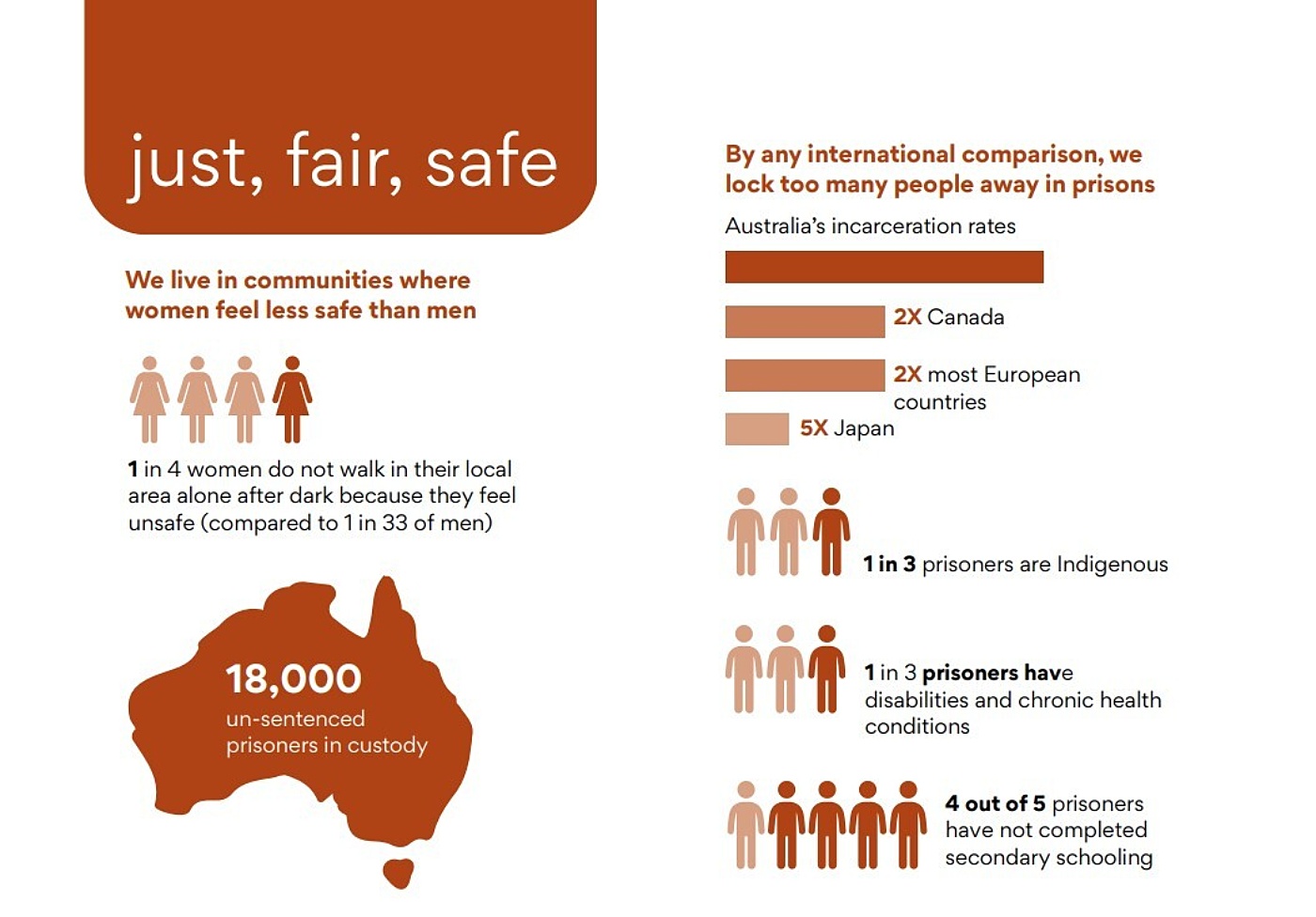
“We seem to have embraced the idea of locking up more and more of our citizens, we are less generous in giving and volunteering, and we allocate a lower proportion of our income to poorer countries than most OECD countries.”
Crosbie said the competition of policy ideas was almost entirely focused on economic proposals.
“The latest AusWeWant report reveals that charity leaders think Australia is partly an economy, but also that the contest of policy ideas should also be about building and sustaining communities that are just, fair, safe, and where our opportunity to fulfill our capacity is not defined by our postcode or bank-balance."
Crosbie said the report presented a mixed scorecard on Australia's performance against these values.
“We seem to have embraced the idea of locking up more and more of our citizens, we are less generous in giving and volunteering, and we allocate a lower proportion of our income to poorer countries than most OECD countries.”
Community Council for Australia chair Rev Tim Costello said that when CCA brought together a diverse group of leaders and thinkers at the National Portrait Gallery a decade ago, the group dared to imagine the Australia they wanted and to talk about the measures that mattered to them most.
“The ABC AM radio program reporting on the event described it as a “council of war - charities and not-for-profits seeking to claim their place in national policy making,” said Costello said.
“CCA want many more people to join us in our efforts to reshape our future and build our communities and our nation on a foundation of human values, the substance of our true wealth, the Australia we want.”
More information
Here’s the proof we’ve got to do more for the community sector
Posted on 15 Oct 2026
Good cybersecurity must be the foundation of not-for-profits’ efforts to adopt artificial…

Posted on 15 Oct 2026
A few years ago, I sat on a small community board that was still held together by email threads and…

Posted on 15 Oct 2026
“Build a better mousetrap, and the world will beat a path to your door”, the old saw goes.…

Posted on 15 Oct 2026
The nation's digital inclusion advocate is pushing for more equity in the rollout of AI in light of…

Posted on 15 Oct 2026
Not-for-profit leaders should be conducting regular “fire drills” that replicate AI-powered…

Posted on 15 Oct 2026
Boards that leave cybersecurity to the one director with IT expertise are leaving their…

Posted on 15 Oct 2026
Community Directors has a warehouse-style office filled with artworks, and if I glance up towards…
Posted on 15 Oct 2026
As the manager of a palliative care service, Stephanie Kirkman Meikle has learnt that the prospect…

Posted on 14 Oct 2026
In the ongoing political debates about migration levels, Asylum Seeker Resource Centre founder Kon…

Posted on 14 Oct 2026
Over the weekend, federal Liberal leader Angus Taylor told the Conservative Political Action…

Posted on 14 Oct 2026
The federal government’s special envoy for social housing and homelessness, Josh Burns MP, has…
Posted on 14 Oct 2026
Carers Victoria is holding an event this afternoon (October 14) during National Carers Week to…