
Billion-dollar community funding pool is making a difference
Posted on 21 Oct 2026
Backed by tangible successes and government support, community foundations are gaining momentum as…
Posted on 02 Sep 2026
By Nick Place, journalist, Community Directors

Charities and not-for-profits still relying on cheque donations have been urged to explore alternative donation strategies, as Australia’s deadline looms for the phasing out of cheques as a means of payment.
The Australian Charities and Not-for-Profits Commission (ACNC) and the Australian Payments Network are warning charities that they need to move away from cheques before that form of payment begins to shut down on June 30, 2028.
By September 30, 2029, no cheques of any kind will be accepted. At the time of writing, the consequences for giant novelty cheques were unknown.
Led by the government and industry, the move to send cheque payments the way of the Tasmanian tiger and the dodo comes because of a natural decline in their use. The Australian Payments Network (AusPayNet), the payment industry body, says most Australians have already embraced faster, more convenient and increasingly more secure digital payment methods.

Cheques now account for less than 0.1 per cent of all payments made in Australia, according to AusPayNet, with the value of cheque payments made in April this year down 25 per cent on the same time the previous year.
However, despite this decline, AusPayNet CEO Andy White said anecdotal evidence suggested some charities and NFPs still relied on cheque donations for income.
“With the manual effort and long processing times required, cheques look outdated in our modern payment system, in which real-time payments are the norm,” White said. “But we know many charities receive donations made by cheque and it is important they are ready for the time when cheques are no longer available.”
Fundraising Institute Australasia CEO Katherine Raskob said regular surveys of the institute’s members found most charities were still receiving a portion of their revenue from donors who write cheques. In fact, three years ago, 30 per cent of member charities said they were receiving up to 30 per cent of their total donations via cheques. Since then, FIA has run webinars to help members plan for the looming change.
In A Strategic Plan for Australia’s Payments System, published in 2023, the federal Treasury wrote, “Although cheques represent a narrow segment of our payments system today, they continue to be issued in relatively large numbers by some corporates and Government entities. They also continue to be used by certain cohorts of the population, particularly older Australians and those living in regional or rural areas or with limited digital proficiency or connectivity. Some types of businesses also rely more heavily on cheques (for example, charities and other not-for-profit organisations who take a large proportion of donations through cheques from their donors).”
“We know many charities receive donations made by cheque and it is important they are ready for the time when cheques are no longer available.”
In a submission to Treasury on the matter in 2024, the ACNC warned that some charities could find it difficult to implement online fundraising to help donors to move away from cheques because of a lack of technical know-how. The commission pointed to a 2023 Infoxchange survey of digital tech use by not-for-profit organisations that found 15 per cent of respondents rated their organisation’s technology environment as “challenged” and 37 per cent as “basic”.
Other considerations, the ACNC said, were the need to support those charities in dealing with the enhanced cybersecurity required to protect donor data as donations moved online, and the need to review state laws that emphasised cheques.

Raskob said that when New Zealand phased out cheques, in 2019, the Kiwi charity sector lost more than four per cent of its total revenue, although she is confident Australian charities will not suffer the same fate in 2028 thanks to the longer lead time, better preparations, and the fact that in 2026, Australia is further advanced in the use of mobile and other payment platforms that donors can trust.
AusPayNet’s Andy White said weaning any charity off cheques could only be a positive, regardless of the looming deadline.
“There are faster and more convenient payment options for donors available, and banks and financial institutions are on board to help them [charities] make the transition,” he said. “Experience suggests transitioning to a digital donations platform can actually improve donation flow as it becomes easier to arrange regular or periodic payment.”
AusPayNet is co-ordinating an industry program to help with the transition, he said, working with advocacy groups and peak business bodies representing cheque users to help them adopt alternative payment methods.
Even so, Raskob said the end of cheques remained an issue for charities.
“For charities that are under-resourced and have a lot on their plate, it’s an added burden to communicate and engage with donors around this issue,” she said. “A few weeks ago, we held our latest webinar – AusPayNet were guest speakers – where we polled the 200 or so attendees, and 38 per cent said they still hadn’t begun the process of communicating and engaging with their donors around this issue.
“For donors who are older, don’t trust digital payments systems and/or may not have easy access to the Internet or other online services, it can be like the last straw in trying to support their favourite charities, which is a shame. Hopefully by late 2029, we’ll have converted most of them – we remain optimistic!”
The switch away from cheques coincides with a consumer shift away from cash. The latest figures from the Reserve Bank show cash now makes up just 15 per cent of payments and about 19 per cent of in-person transactions. Nearly two-thirds of adults under 29 don’t use cash at all.
Many charities, including some of the oldest organisations in the country are moving to digital donations. On Anzac Day this this year, RSL fundraisers allowed donors to contribute via QR codes, EFTPOS machines, and the trusty tins of old.
RSL headquarters is now considering allowing payments to be made directly to volunteers’ phones via software called SoftPOS (software point of sale).
Cheques Transition website
Posted on 21 Oct 2026
Backed by tangible successes and government support, community foundations are gaining momentum as…
Posted on 21 Oct 2026
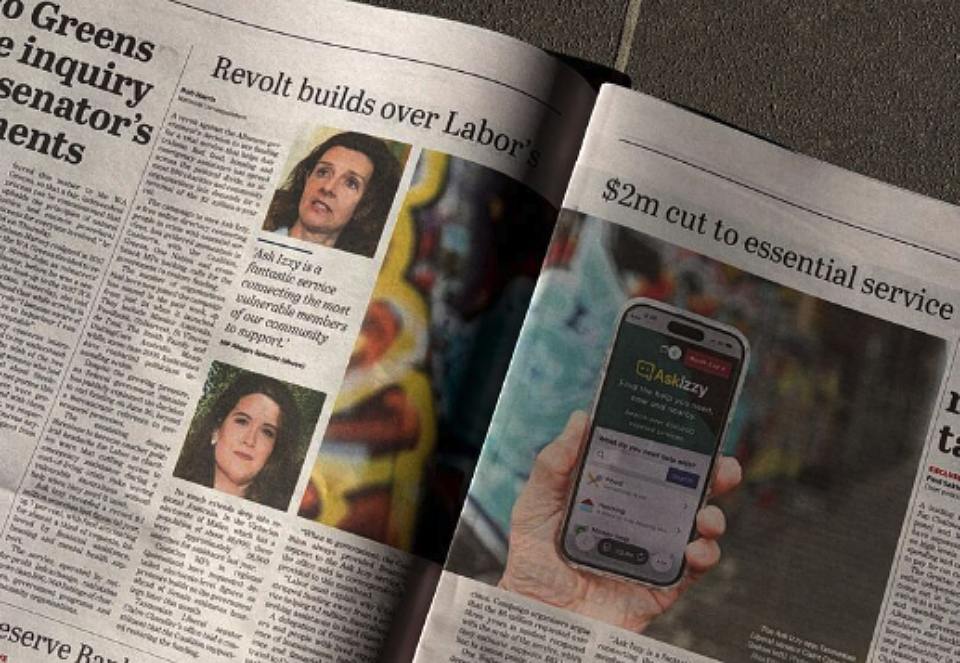
A national campaign to restore federal funding for Ask Izzy has attracted such strong grassroots…
Posted on 21 Oct 2026
In the wake of an act of violence against federal independent MP Helen Haines, Charities Minister…

Posted on 21 Oct 2026
If your charity takes a stance that happens to align with a political party’s stance in a public…

Posted on 14 Oct 2026
The federal government’s special envoy for social housing and homelessness, Josh Burns MP, has…

Posted on 14 Oct 2026
The Reserve Bank’s move to ban card payment surcharges has led to complications for charities and…

Posted on 14 Oct 2026
Violet Roumeliotis, the chief executive of Australia’s biggest migrant support organisation, will…

Posted on 07 Oct 2026
A major public campaign launched this morning is calling on the federal government to restore…

Posted on 07 Oct 2026
The Australian Literacy & Numeracy Foundation (ALNF) has announced a partnership with mining…

Posted on 07 Oct 2026
A conference in Darwin will this morning hear detailed, strategic plans for how Australia could…

Posted on 30 Sep 2026
Not-for-profit leaders have been warned to be wary of approaches from potential “funding partners”…

Posted on 30 Sep 2026
More than 200 fully funded Centre for Social Impact (CSI) scholarships will help equip for-purpose…