Billion-dollar community funding pool is making a difference
Posted on 21 Oct 2026
Backed by tangible successes and government support, community foundations are gaining momentum as…
Posted on 16 Sep 2026
By Nick Place, journalist, Community Directors
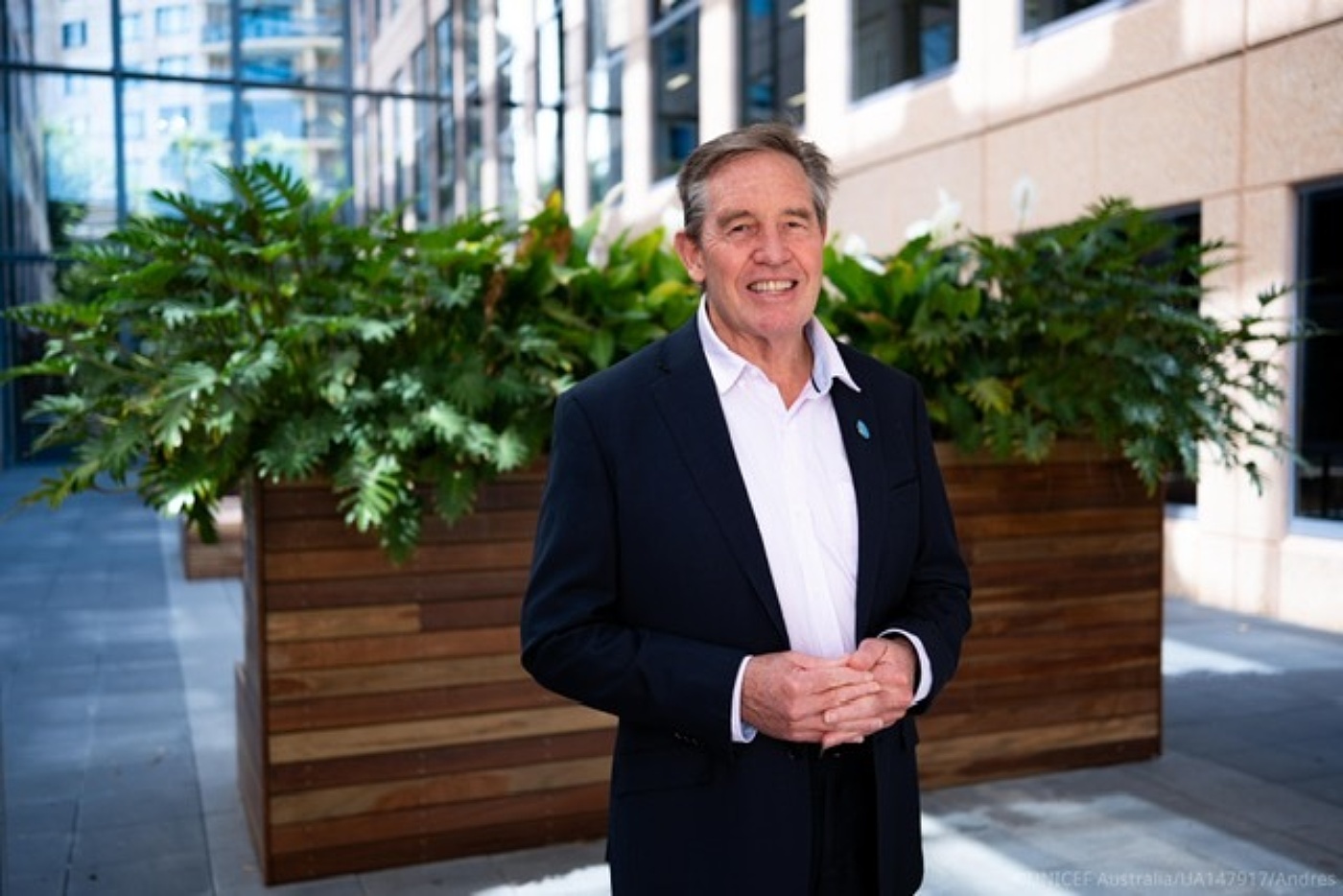
In the face of challenging conditions in the giving sector, UNICEF Australia chief executive Tony Stuart has urged not-for-profit (NFP) leaders to be adaptable in how they approach their work, how their organisations are structured and how they help others negotiate difficulties.
Delivering yesterday’s keynote address at the Third Sector Leadership Forum in Sydney, Stuart used swimming and fish metaphors to explain the need for NFPs to change their strategy, their delivery methods or even their boards in the face of changing sector conditions.
“We can’t control the tide, but we can control the way we swim,” he told the audience.
Stuart acknowledged the size of the challenge facing many NFPs, with donations down 22 per cent and expenses up an estimated 8 per cent. “Everyone has their own version of what the tide is like in each of your sectors,” he said.
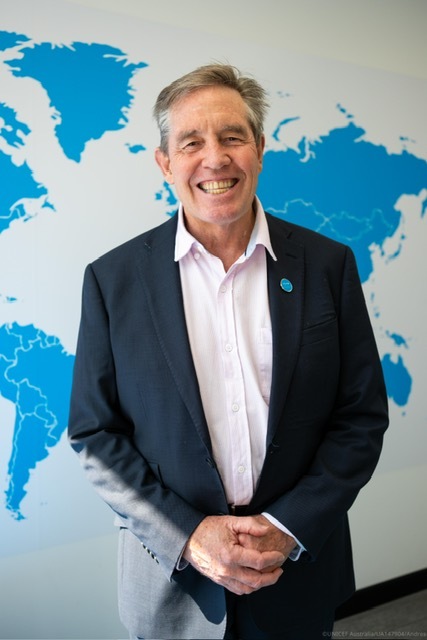
In UNICEF’s case, he said, the difficulty level was definitely rising. “There’s tighter funding everywhere. We know there are rising costs. There is greater demand for our work,” he said. “The US government is pulling back in certain areas, and the private sector will not participate in many areas. We have considerable workforce challenges.
“Those of us who are international know that this is not a great space right now. “The increase in conflict, on one hand, while climate and humanitarian disasters are coming together more and more, around the world, at a time where the traditional funders of humanitarian support are not there.”
Boards could navigate these issues, he said, by imagining themselves as fish.
“Fish have three things in common: a head, a tail, and a spine, connecting the head and the tail,” he said. “At UNICEF, we call the head of the fish our mission. Our charitable purpose, our programs align to it. What are we trying to have an impact to do?
“We call the spine of the fish our muscle – whether that’s our culture, whether that’s our finances, our governance, our IT. It’s certainly not a support function. It is the critical spine of our fish which gives us the strength.
“But what propels us is our tail, and we call that the money. “Unashamedly, the mission needs the muscle, and it needs the money to fuel the mission.
“We see the tail as our brand work, our revenue work, our growth work. It fuels our ambition. It fuels our charitable purpose. Like all fish, the tail makes the fish swim through the ocean.
“The importance is to get the balance right between the mission, the muscle, and the money.”
A former advisory board chair of the Australian Charities and Not-for-profits Commission (ACNC), Stuart said his observation of the sector was that there were too many “puffer fish” NFP boards. “Too many charities with a large amount of leadership, especially at a board level, on the mission and the spine – accountants, lawyers, risk adversities, whatever you like – and a small tail.”
This was why boards needed to be self-aware and unafraid to make changes to meet challenges, he said.
“I’m a great believer that you have to have balance,” he told the forum. “At UNICEF Australia, we do a periodic review of our balance. We’ve got the same stress as everybody else around demands, increased mission, less resources. So, we look at our rebalancing. We try to make sure we have that right alignment.
“Recently, we’ve made some choices about how we review ourselves internally, to remake ourselves in a more balanced way. Even on our board of nine people, three represent the mission – they understand children, they understand humanitarian. Three understand audits and risk technology, and three represent the brand, one from philanthropy, one from individual giving.”
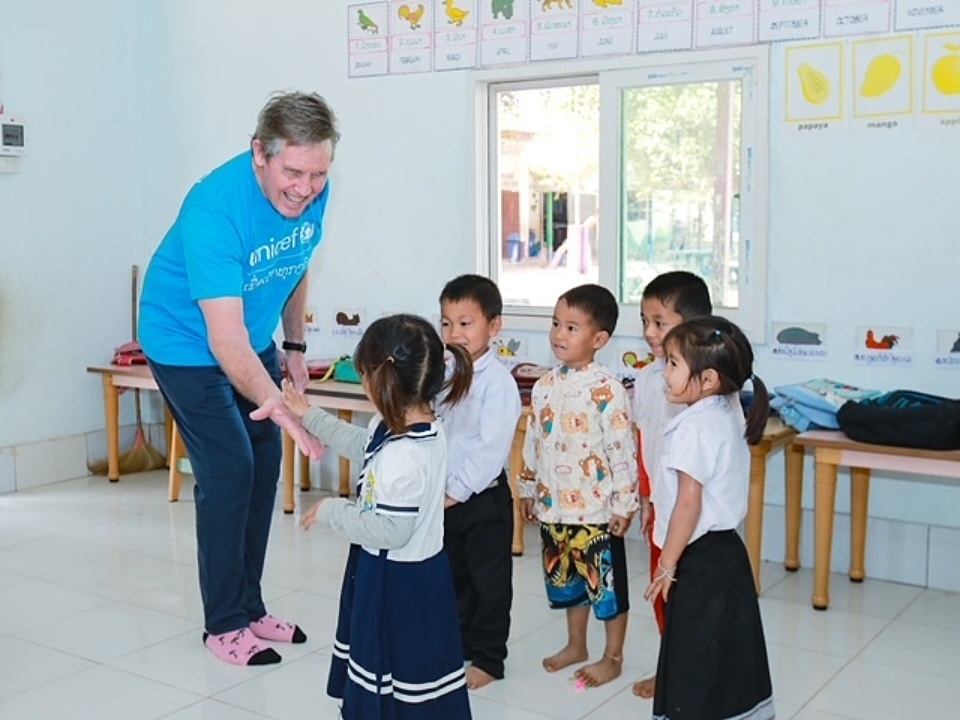
To achieve balance, asking questions was essential, Stuart said.
“Does everyone in the organisation understand our strategy? Does everyone understand how they contribute to the tail, the spine, and the head of the fish? Are we all focused? What are we doing together to make that big difference? Are our people and our capabilities aligned?
“Are we making it easier or harder to deliver the impact we want to achieve? These are the matters we can control.
“We can't control the conditions around us, but we can control how our organisations are set up for them.”
Stuart also touched on the need for NFP leaders to carve out dedicated time for themselves, saying he was committed to a non-negotiable weekly session of “Tony Time”, where he would visit a cafe alone, without his phone, to make time for reflection, journalling or other uninterrupted deep thinking.
In a world of endless meetings and demands, this was a radical concept, he admitted, but he said it was one of his fundamental leadership tools. A leader must ask themselves the hardest questions, he said.
“Where am I right now? What energy am I giving off? What’s working well that I need to accelerate? What’s not working that I need to change? What do I need to learn to develop and grow? Do I have the right balance myself?” he suggested.
“The important thing is to be deliberate about asking yourself these questions rather than just carrying on.
“We can’t control the tide, but we can control the way we swim.”
“I can tell you in the world of families and parents and children and staff and everything else, we have time for everyone except one person, ourselves, so think about reflective coffee. Coffee where you are having a little bit of time with yourself to reflect on what’s going well? What’s not going well? Where am I? Where do I need to focus my time? Where are my right priorities?”
Before leading UNICEF Australia, Stuart held senior leadership positions at NRMA Group and Sydney Airports Corporation, and early executive roles at British Airways, Citibank and Shell International. He has also served on numerous NFP and government advisory boards. This experience has highlighted to him how tough the business model is for most NFPs.
It has also prompted him to reflect on how important it is that NFP leaders provide strength, direction, confidence, energy and authenticity, to help those around them to swim better.
“Hope means an awful lot for so many around us, but that doesn't mean pretending things are fine, when they're not. People can see straight through that,” he said. “I think people have the most incredible ability to understand authentic leadership. What people need is adaptive leadership that helps them navigate in changing conditions.”
The Third Sector Leadership Forum continues tomorrow.
Posted on 21 Oct 2026
Backed by tangible successes and government support, community foundations are gaining momentum as…
Posted on 21 Oct 2026
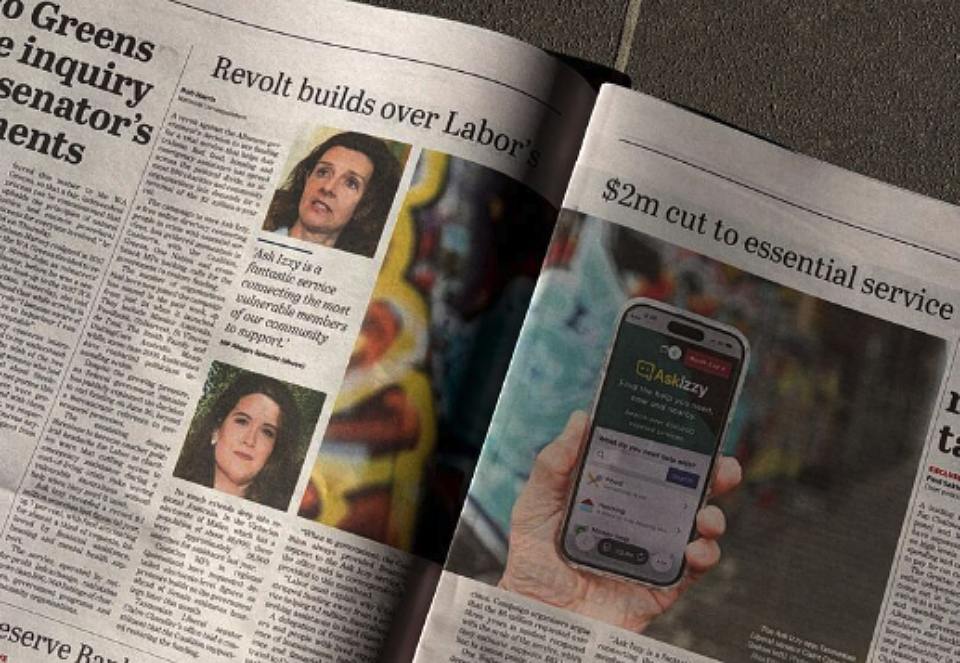
A national campaign to restore federal funding for Ask Izzy has attracted such strong grassroots…
Posted on 21 Oct 2026
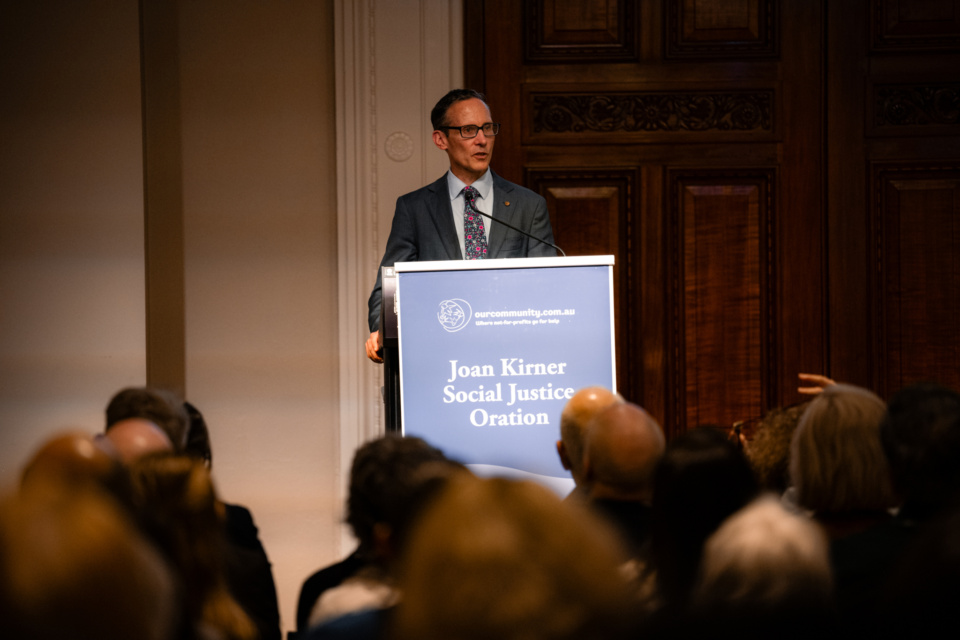
In the wake of an act of violence against federal independent MP Helen Haines, Charities Minister…

Posted on 21 Oct 2026
If your charity takes a stance that happens to align with a political party’s stance in a public…

Posted on 14 Oct 2026
The federal government’s special envoy for social housing and homelessness, Josh Burns MP, has…

Posted on 14 Oct 2026
The Reserve Bank’s move to ban card payment surcharges has led to complications for charities and…

Posted on 14 Oct 2026
Violet Roumeliotis, the chief executive of Australia’s biggest migrant support organisation, will…

Posted on 07 Oct 2026
A major public campaign launched this morning is calling on the federal government to restore…

Posted on 07 Oct 2026
The Australian Literacy & Numeracy Foundation (ALNF) has announced a partnership with mining…

Posted on 07 Oct 2026
A conference in Darwin will this morning hear detailed, strategic plans for how Australia could…

Posted on 30 Sep 2026
Not-for-profit leaders have been warned to be wary of approaches from potential “funding partners”…
Posted on 30 Sep 2026
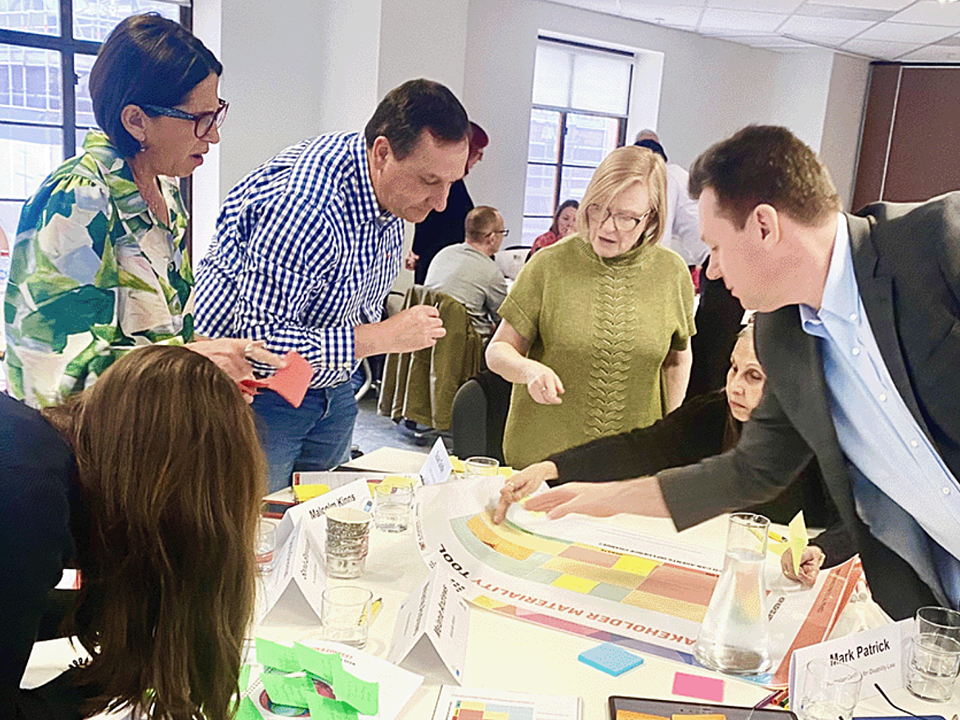
More than 200 fully funded Centre for Social Impact (CSI) scholarships will help equip for-purpose…