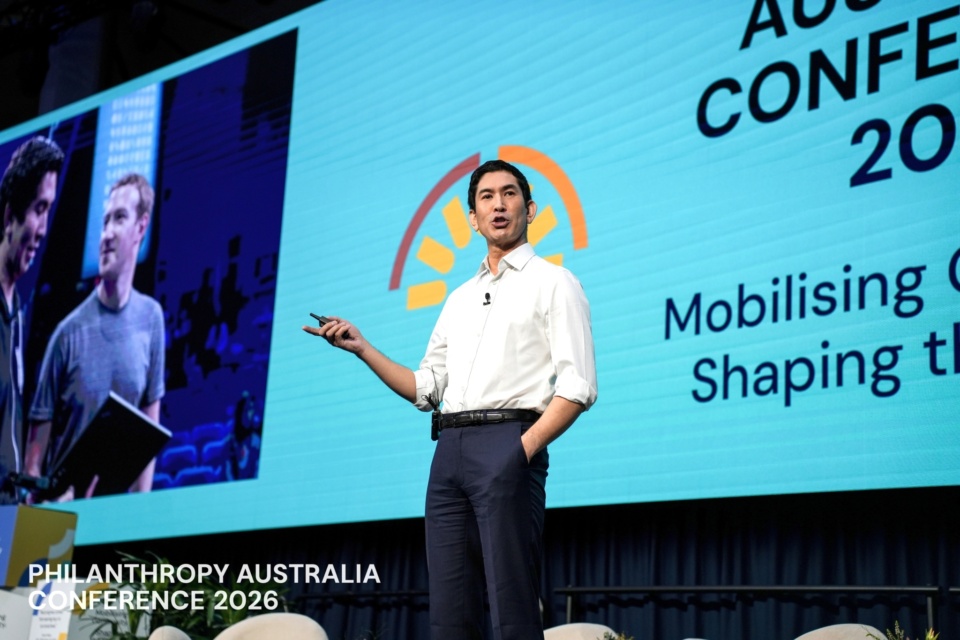
Philanthropists ask: Can we forge a better future?
Posted on 17 Sep 2026
Australia’s biggest gathering of philanthropists, which drew more than 1200 delegates to Brisbane…
Posted on 21 Oct 2025
By Matthew Schulz, journalist

An artificial intelligence tool to help not-for-profits and charities craft stronger grant applications has been developed by Community Directors sibling organisation, the Funding Centre.
The tool, named “Drafter”, has been created by a cross-disciplinary team of experts in data science, grantmaking and fundraising.
Developers were careful to consider and adopt the views of grantseekers to develop the product, ensuring the product was developed along ethical lines.
Launching this month, the system requires users to provide details of their organisation, their project and the target grant, then generates draft responses to funder questions that align with funder guidelines, adhering to word and character limits.
The Funding Centre expects Drafter will appeal to smaller organisations that lack dedicated fundraising staff and often struggle with complex grant applications. The system will also help more experienced applicants improve their applications.
The tool will be embedded in the Funding Centre platform, which already provides subscribers with access to a national grants database, best-practice fundraising guidelines, and other application tools.
"We want to help level the playing field for organisations lacking experience at winning grants."
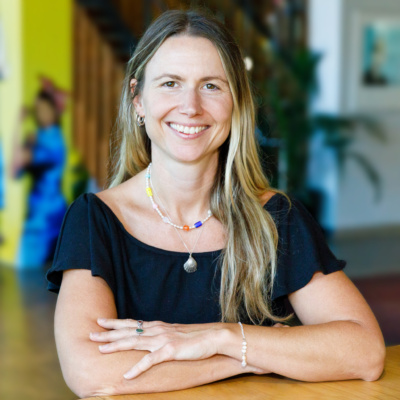
Funding Centre manager Stef Ball said Drafter used “best practice” approaches to grant applications to generate suggested answers based on funding criteria.
“Unlike general-purpose AI chatbots, Drafter is designed specifically for grantseeking, drawing only on the information supplied by applicants and best-practice grantwriting principles.”
Ball said funders would also benefit from the tool, because it would increase the clarity and quality of grant applications, reduce assessment times, and enable simpler decisions.
“Our aim is to help grant applicants write better quality applications, especially smaller organisations. We want to help level the playing field for organisations lacking experience at winning grants,” she said.
Users can review and edit answers, generate alternative responses with new context, and reuse organisational and project information in future applications.
Ball stressed that Drafter was not intended to replace the work of applicants but could support and strengthen their applications.
"Drafter is not about spitting out a polished application for applicants to copy and paste. It’s about building a strong draft that can and should be refined and customised to suit the organisation applying. No one knows the organisation or community as well as the people working in it."
One of the ways that Drafter improves applications is by prompting users to strengthen their applications with better evidence –statistics, reports or survey data – and by reminding them to better demonstrate community impact and alignment with funder priorities. The tool can also alert users if information provided is not relevant to the application.
Ball said Drafter helped safeguard the integrity of applications by using only data provided to the system.
“It only uses the information that you provide,” Ball said.
Data used by Drafter is securely stored in Australia, whereas most other AI platforms use data centres overseas.
“The hardest part for many applicants is knowing where to begin. Drafter creates that initial draft that organisations can refine and personalise, helping them put their best foot forward and hopefully win more funds for their organisations,” Ball said.
Recent studies by tech experts Infoxchange revealed that three-quarters of not-for-profits are now using artificial intelligence tools, up from 52 per cent the previous year.
Other tools being used in the sector include:
Posted on 17 Sep 2026
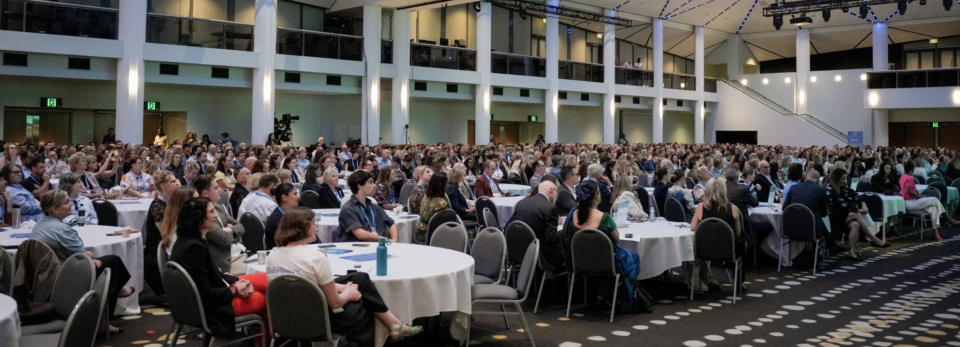
Australia’s biggest gathering of philanthropists, which drew more than 1200 delegates to Brisbane…
Posted on 17 Sep 2026
Experts in Australian philanthropy say there are stark differences between philanthropic money and…

Posted on 17 Sep 2026
One of Australia’s foremost fundraising observers says Australian not-for-profits must get the…
Posted on 17 Sep 2026
As direct giving dries up, charities face growing dependence on big donors and negotiating the…

Posted on 17 Sep 2026
Charities reported $14.8 billion in donations and bequests last financial year, the second-highest…

Posted on 17 Sep 2026
My father often googles my name, and as a result, years ago, I received a surprising gift in the…
Posted on 17 Sep 2026
Where Evelyn Mugisha grew up in rural Uganda, the subjects and careers considered suitable for…
Posted on 09 Sep 2026
A global gathering of philanthropists in Brisbane this week is aiming to tackle society’s biggest…
Posted on 09 Sep 2026
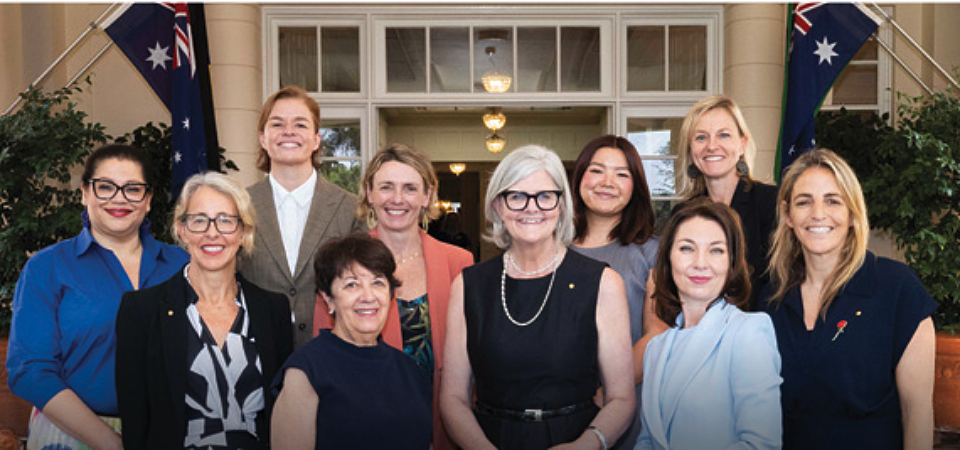
Media attention about women's philanthropy has more than doubled in three years, according to new…
Posted on 26 Aug 2026
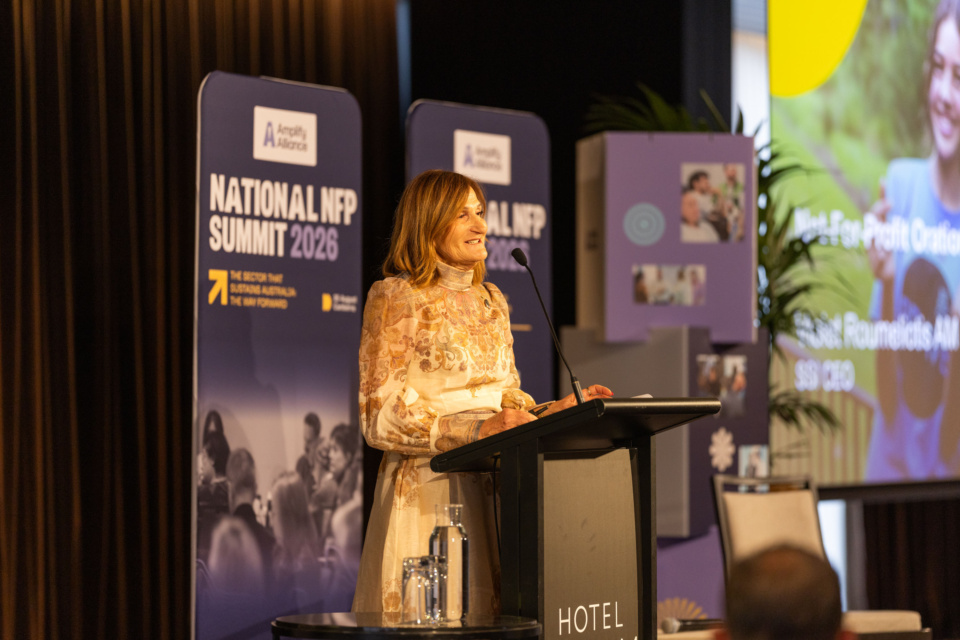
Sector leader Violet Roumeliotis has called on funders to stop treating not-for-profit…

Posted on 13 Aug 2026
As a teenager, I attended summer camp for seven years, first spending two weeks at a time camping…

Posted on 13 Aug 2026
Not-for-profits are full of people with great ideas, but that doesn’t mean they are set up for…