Billion-dollar community funding pool is making a difference
Posted on 21 Oct 2026
Backed by tangible successes and government support, community foundations are gaining momentum as…
Posted on 11 Nov 2025
By Nick Place, journalist, Community Directors
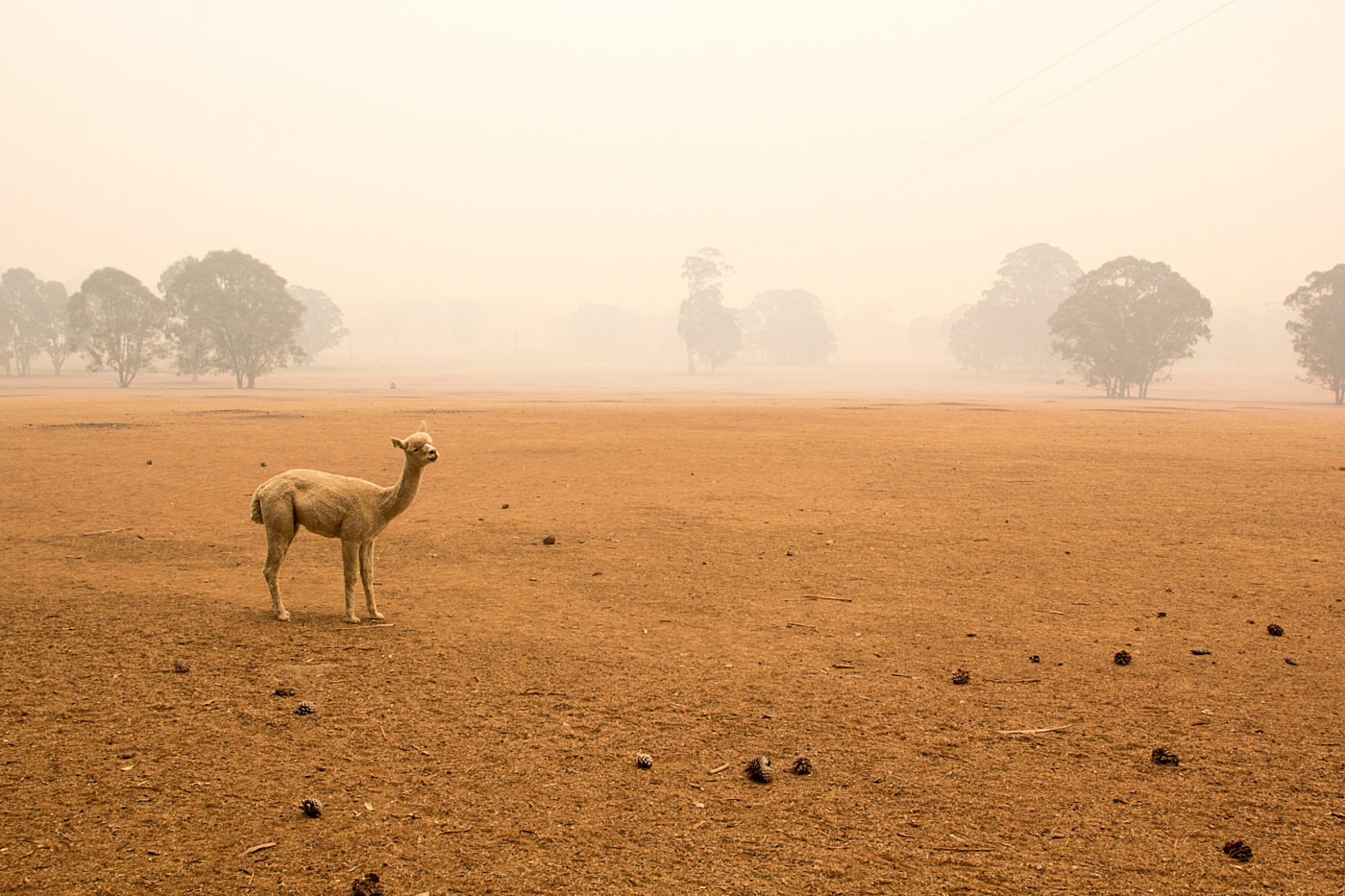
New grants worth $36 million aim to help farmers and farming communities prepare for drought by building and maintaining social resilience.
The Future Drought Fund Communities Program grants, funded by the federal government, were launched last week by the Foundation for Rural & Regional Renewal (FRRR) and the Australian Rural Leadership Foundation (ARLF).
Many farmers dislike the idea that they need to ‘build resilience’, because when you’re on the land it’s a given that your resilience must already be highly developed. The new funding recognises this and is aimed at helping farming communities to build more powerful community networks and communication and more leadership capacity.
When droughts inevitably occur, communities need to be ready – and in a way that works for each particular community. With natural disasters, including drought, there is no cookie-cutter solution.

“People in agricultural regions know better than anyone that drought is inevitable – and often isolating. It can also impact the ability of community organisations to support people and provide services during challenging times,” FRRR CEO Natalie Egleton said.
“Through our work with local leaders, we know that communities want to be less reactive and do more to get on the front foot ahead of the inevitable dry times. Some of the key ways to do this are by building community networks, increasing collaboration, sharing skills and knowledge, or improving community infrastructure, which will look different in every community. That is why the Communities Program is driven from the ground up,” she said.
Applications for the fund’s small network grants and regional drought resilience plan social outcome grants, as well asthe national mentoring initiative, are open now.
The small network grants are worth a total of $1 million, at up to $50,000 per grant, and open to 314 local government areas in remote or regional areas, to help develop local events or initiatives for wellbeing and connectivity among the local population.
The social outcome grants have a $5 million pot, with up to $100,000 per grant available across 50 designated Regional Drought Resilience Plan regions, for local not-for-profits to develop community events, run training workshops, upgrade infrastructure or develop leadership programs already detailed under their existing resilience planning.
The ARLF’s mentoring grants are aimed at individuals who are looking to be paired with rural veterans of drought who can share their knowledge and perspective.
The FRRR and ARLF announced that the federal funding will also cover community impact programs in 12 regions. These each consist of a package of drought resilience support measures and are expected to be launched in July 2026.
“We know that communities want to be less reactive and do more to get on the front foot ahead of the inevitable dry times.”
All the new grants emphasise the need to recognise specific local conditions when it comes to building community cohesion and resilience, because every community is different when it comes to combating drought, as FRRR showed in its recent study of “resilience dimensions” in Korumburra, Whittlesea and Myrtleford in Victoria.

The ARLF’s CEO, Matt Linnegar, said his organisation’s work was based on the belief that the most powerful resource in any rural community was its people, so empowering them before a drought or other natural disaster was vital.
“It is about more than drought,” he said. “It is about building the kind of leadership that lasts – grounded in community, shaped by experience and ready for the future. We are proud to support a national initiative that puts people at the centre of resilience, because that’s where real change begins.
“We will work with local leaders, on the ground and online, creating opportunities for people to listen, learn and lead resilience-building efforts no matter which part of rural Australia they live.”
The funding, which was announced by federal Agriculture, Fisheries and Forestry Minister Julie Collins earlier this year, will be provided over three years.
“The aim is for people to be better skilled, informed, connected and resourced, so that they can draw upon these strengths in times of drought,” Egleton said. “For community groups, this preparedness work will enable them to have greater capacity and access to the rights resources and support that their communities need, when they need them.”
Posted on 21 Oct 2026
Backed by tangible successes and government support, community foundations are gaining momentum as…

Posted on 21 Oct 2026
A national campaign to restore federal funding for Ask Izzy has attracted such strong grassroots…
Posted on 21 Oct 2026
In the wake of an act of violence against federal independent MP Helen Haines, Charities Minister…

Posted on 21 Oct 2026
If your charity takes a stance that happens to align with a political party’s stance in a public…

Posted on 14 Oct 2026
The federal government’s special envoy for social housing and homelessness, Josh Burns MP, has…

Posted on 14 Oct 2026
The Reserve Bank’s move to ban card payment surcharges has led to complications for charities and…

Posted on 14 Oct 2026
A special guest with her finger on the pulse of one of the biggest issues facing Australia –…

Posted on 07 Oct 2026
A major public campaign launched this morning is calling on the federal government to restore…

Posted on 07 Oct 2026
The Australian Literacy & Numeracy Foundation (ALNF) has announced a partnership with mining…
Posted on 07 Oct 2026
A conference in Darwin will this morning hear detailed, strategic plans for how Australia could…

Posted on 30 Sep 2026
Not-for-profit leaders have been warned to be wary of approaches from potential “funding partners”…
Posted on 30 Sep 2026
More than 200 fully funded Centre for Social Impact (CSI) scholarships will help equip for-purpose…