
Philanthropists ask: Can we forge a better future?
Posted on 17 Sep 2026
Australia’s biggest gathering of philanthropists, which drew more than 1200 delegates to Brisbane…
Posted on 13 Aug 2025
By Matthew Schulz, journalist, Institute of Community Directors Australia

Not-for-profit leaders would funnel additional funds into new programs, hiring staff and paying them more, and training for staff and volunteers, a survey of sector representatives has found.
Quizzed during the Not-for-profit Agenda news webinar last week, more than 250 attendees responded to the multiple-choice survey, which asked: “If you were able to get a 10 per cent bump in funding tomorrow with no strings attached, where would the money go?”
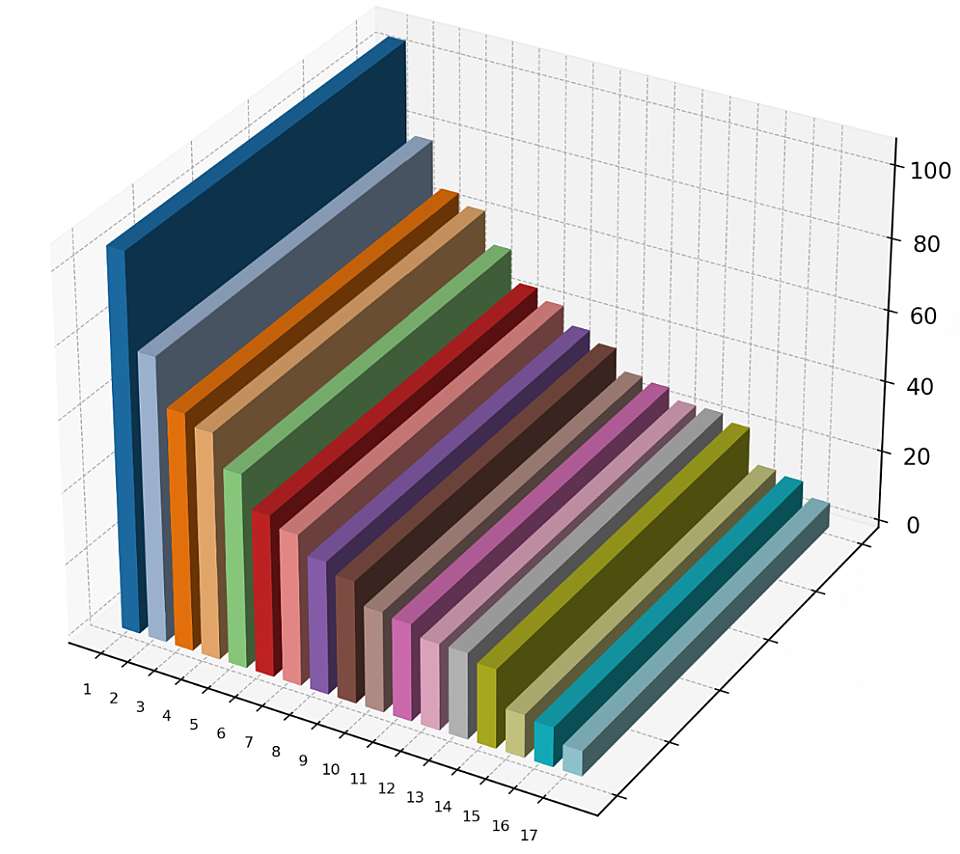
Respondents nominated these options as their spending priorities:
The total of all percentages exceeds 100 per cent because participants could select multiple responses. Results demonstrated clear trends in immediate sector priorities, being services, staff and training. The need to boost organisational capacity, fundraising, finances and IT systems also featured prominently in responses.
"When NFPs get an extra dollar, they spend it first directly on the people or cause they feel matters most."
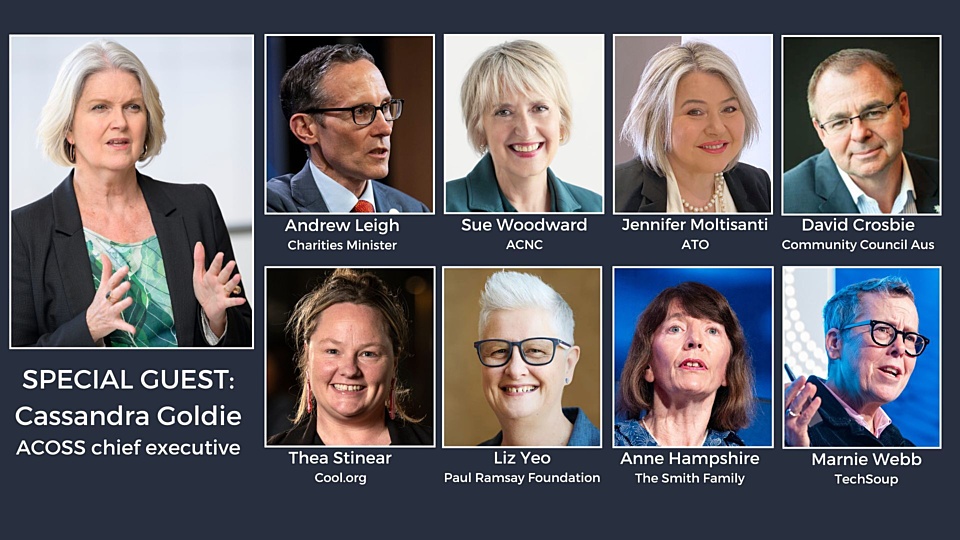
Institute of Community Directors Australia executive director Adele Stowe-Lindner was among hundreds of leaders watching on.
“These numbers tell me that when NFPs get an extra dollar, they spend it first directly on the people or cause they feel matters most: those they are serving.
“But I am inspired to see that a close second is the attention on capacity building, which demonstrates a commitment not only to alleviating immediate problems but to a more long-term and strategic vision of what will help to grow their impact, an investment in improving the future.”
The Paul Ramsay Foundation’s chief alliances officer, Liz Yeo, who featured in a video report in the webinar, said the foundation had funded research for the Pay What It Takes campaign that had demonstrated that the true cost of overheads for NFPs was nearly 33 per cent, with a figure that did not match current funding arrangements.
“Many grants – particularly government grants – come with the expectation that you’re going to be running down in that sort of 10–15 per cent overhead,” Yeo said.“We have to challenge that notion from a philanthropic perspective. I would argue that government needs to really look at this as well, and of course the not-for-profit sector itself needs to be bold in saying what it actually will really cost to deliver on something.”
Posted on 17 Sep 2026
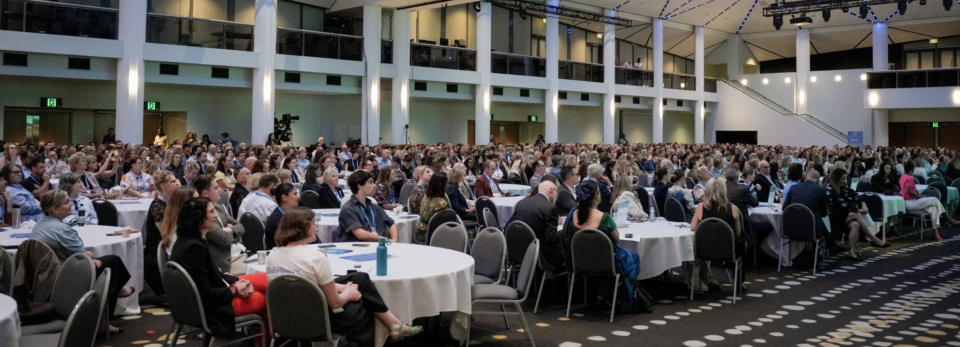
Australia’s biggest gathering of philanthropists, which drew more than 1200 delegates to Brisbane…
Posted on 17 Sep 2026
Experts in Australian philanthropy say there are stark differences between philanthropic money and…

Posted on 17 Sep 2026
One of Australia’s foremost fundraising observers says Australian not-for-profits must get the…
Posted on 17 Sep 2026
As direct giving dries up, charities face growing dependence on big donors and negotiating the…

Posted on 17 Sep 2026
Charities reported $14.8 billion in donations and bequests last financial year, the second-highest…

Posted on 17 Sep 2026
My father often googles my name, and as a result, years ago, I received a surprising gift in the…
Posted on 17 Sep 2026
Where Evelyn Mugisha grew up in rural Uganda, the subjects and careers considered suitable for…
Posted on 09 Sep 2026
A global gathering of philanthropists in Brisbane this week is aiming to tackle society’s biggest…
Posted on 09 Sep 2026
Media attention about women's philanthropy has more than doubled in three years, according to new…
Posted on 26 Aug 2026
Sector leader Violet Roumeliotis has called on funders to stop treating not-for-profit…

Posted on 13 Aug 2026
As a teenager, I attended summer camp for seven years, first spending two weeks at a time camping…

Posted on 13 Aug 2026
Not-for-profits are full of people with great ideas, but that doesn’t mean they are set up for…